

As the sun dips below the horizon, the kitchen fills with the irresistible aroma of roasting sweet potatoes, awakening the senses to something vibrant and delightful. This Thai Peanut Sweet Potato Buddha Bowl captures the essence of home-cooked comfort while offering an exciting twist for those weeknight meals. Packed with nourishing ingredients like crunchy broccoli, fresh cabbage, and bright carrots, it’s not just a feast for the eyes but a real crowd-pleaser. What makes this dish truly special is its versatility—perfectly suited for meal prep, and easily adaptable to accommodate dietary preferences. Whether you’re vegan, gluten-free, or simply on the hunt for a quick dinner that satisfies, this recipe has you covered. Ready to explore the warmth of this colorful bowl? Let’s dive in and create something delicious together!
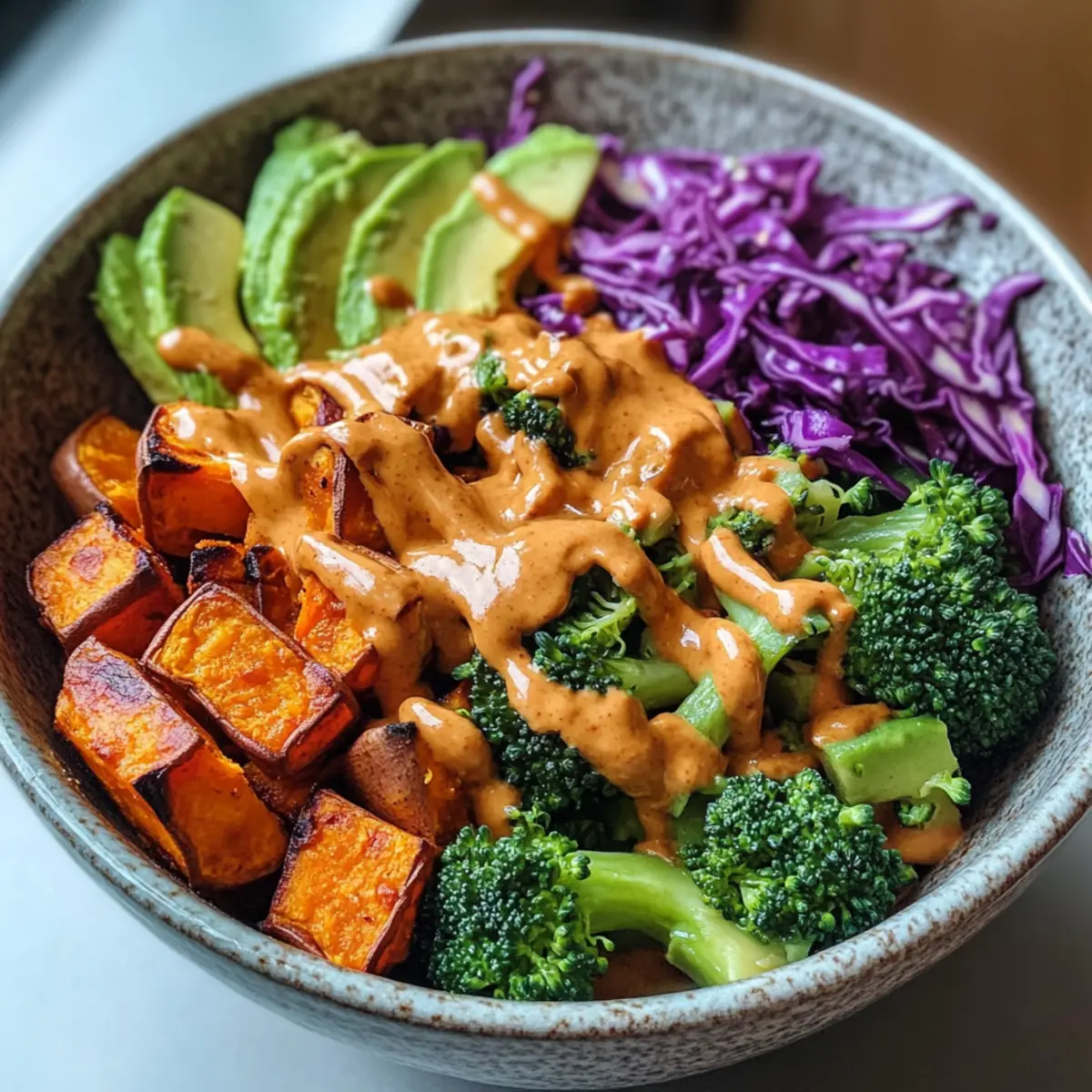
Why is this Buddha Bowl irresistible?
Vibrant, Flavorful Feast: Each bite of the Thai Peanut Sweet Potato Buddha Bowl bursts with harmonious flavors, bringing the essence of Thai cuisine right to your table.
Quick & Easy: This recipe is designed for busy weeknights, ready in under 30 minutes without compromising on taste or nutrition.
Endless Customization: Swap in seasonal veggies or switch the peanut butter for sunflower seed butter to make it nut-free, ensuring it caters to any dietary need.
Meal Prep Champion: Ideal for preparing in advance, the components can be stored separately to maintain freshness, making your life easier during the week.
Crowd-Pleasing Appeal: Perfect for family dinners or impressing your friends, everyone will love the unique combination of textures and flavors in this wholesome dish.
Try it with some spicy Savory Zucchini Potato Mini Pancakes for an extra comforting touch!
Thai Peanut Sweet Potato Buddha Bowl Ingredients
For the Bowl
• Sweet Potatoes – Natural sweetness; roast until golden for caramelization. Substitution: Butternut squash can be used instead.
• Broccoli Florets – Adds crunch and nutrients, balancing the sweetness. Substitution: Broccolini or green beans can be used.
• Shredded Cabbage – Offers freshness and texture; may swap for napa cabbage. Substitution: Use shredded Brussels sprouts for variation.
• Grated Carrots – Introduces vibrant color and sweetness. Substitution: Zucchini can be grated as an alternative.
• Avocado – Provides creaminess and healthy fats. Substitution: Tahini can replace avocado for a similar richness.
For the Peanut Sauce
• Peanut Butter – Creamy base of the sauce; alternatives include almond or sunflower seed butter. Note: Choose unsweetened for better flavor balance.
• Soy Sauce – Adds umami and saltiness; opt for low-sodium variants for health-conscious recipes.
• Maple Syrup – Balances the sauce with sweetness. Substitution: Agave nectar or honey can be used.
• Lime Juice – Brightens flavor; lemon juice is a viable alternative.
• Sesame Oil – Adds depth; can be substituted with olive oil.
For Garnish
• Chopped Cilantro – Fresh finish enhances flavor. Substitution: Parsley can be used.
• Peanuts – Delivers crunch and garnishes the dish. Note: Omit for nut-free versions.
Step‑by‑Step Instructions for Thai Peanut Sweet Potato Buddha Bowl
Step 1: Preheat the Oven
Begin by preheating your oven to 400°F (200°C) to ensure it reaches the perfect temperature for roasting. This step is essential for achieving the rich, caramelized flavor of the sweet potatoes. While the oven heats up, you can prepare your vegetables and ingredients for the bowl.
Step 2: Roast the Sweet Potatoes
Dice the sweet potatoes into even cubes, ensuring uniform cooking. In a large bowl, toss them with olive oil, salt, and pepper until well coated. Spread the sweet potatoes on a baking sheet in a single layer, then roast for 25-30 minutes, or until they are golden and fork-tender, stirring halfway through for even cooking.
Step 3: Prepare the Veggie Base
While the sweet potatoes roast, take a large bowl and add the broccoli florets, shredded cabbage, grated carrots, and diced avocado. Gently toss the ingredients together to combine, creating a colorful and crunchy base for your Thai Peanut Sweet Potato Buddha Bowl. Set this aside while you whip up the peanut sauce.
Step 4: Make the Peanut Sauce
In a small bowl, whisk together the peanut butter, soy sauce, maple syrup, lime juice, and sesame oil until smooth and creamy. This rich, flavorful sauce is key to tying together the elements of the Thai Peanut Sweet Potato Buddha Bowl. Adjust the consistency with a splash of water if needed, and taste to ensure it meets your flavor preferences.
Step 5: Assemble the Bowl
Once the sweet potatoes are roasted, it’s time to assemble your Buddha bowl. Start by layering the mixed vegetables in a serving bowl. Next, add a generous portion of the roasted sweet potatoes on top. Drizzle the creamy peanut sauce over the entire bowl, making sure every bite will be infused with its delightful flavors.
Step 6: Garnish and Serve
For the finishing touch, sprinkle chopped cilantro and crushed peanuts over the bowl, providing fresh flavor and a satisfying crunch. If you enjoy a bit of spice, add a drizzle of sriracha. Your Thai Peanut Sweet Potato Buddha Bowl is now ready to enjoy, vibrant and wholesome for a perfect meal!
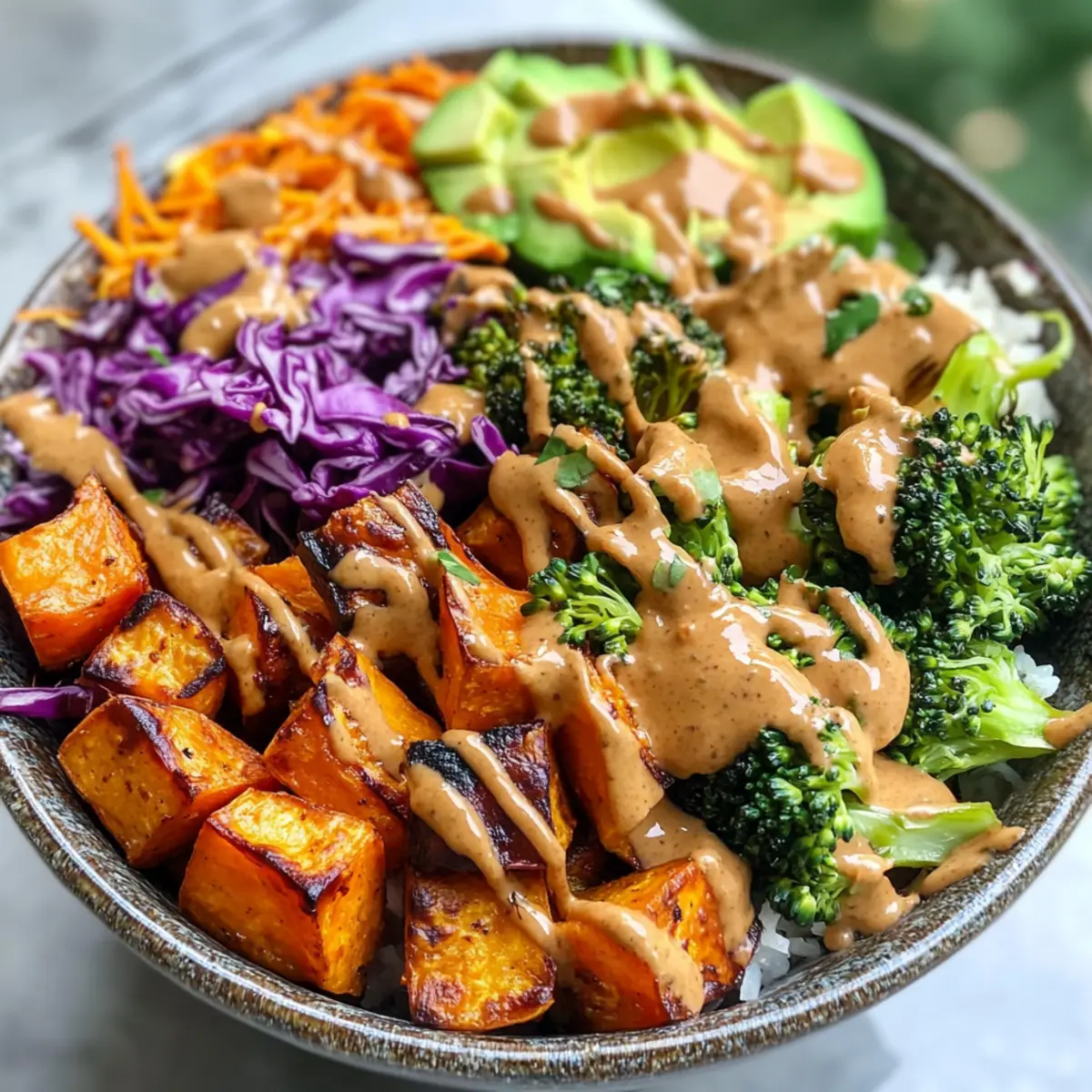
How to Store and Freeze Thai Peanut Sweet Potato Buddha Bowl
Airtight Containers: Store leftovers in airtight containers for up to 3 days in the fridge to keep the flavors fresh without any sogginess.
Separate Components: For optimal texture, keep the components—sweet potatoes, veggies, and sauce—stored separately. This prevents the vegetables from getting soggy.
Freezing Instructions: If you’d like to freeze individual components, sweet potatoes can be frozen for up to 3 months. Just allow them to cool, then store in freezer bags.
Reheating Tips: When ready to enjoy, reheat sweet potatoes in the oven or microwave, and toss fresh veggies at room temperature with the peanut sauce for that perfect Buddha bowl experience.
What to Serve with Thai Peanut Sweet Potato Buddha Bowl
Looking to elevate your meal experience? Pair these vibrant bowls with delightful sides that complement every rich, creamy bite.
- Creamy Coconut Rice: Fluffy rice infused with coconut milk adds a luscious creaminess that harmonizes with the dish’s flavors.
- Steamed Edamame: Lightly salted edamame provide a satisfying crunch and protein boost, enhancing the nutritional value of your meal.
- Spicy Roasted Cauliflower: The rich spices and caramelization of roasted cauliflower create a wonderful contrast to the sweetness of the bowl.
For a refreshing twist, consider serving a Cucumber Salad on the side. The cool, crisp slices dressed with a light vinaigrette add brightness that balances the warm, savory elements of the Buddha bowl.
- Fruit-Infused Sparkling Water: Sip on a fizzy beverage infused with fresh fruits to cleanse the palate and enhance the meal’s vibrant flavors.
Dessert can also play a role; think about Mango Sorbet. This light, fruity treat acts as a refreshing finish, leaving your taste buds dancing after each savory bite of your Thai Peanut Sweet Potato Buddha Bowl.
Thai Peanut Sweet Potato Buddha Bowl Variations
Customize this vibrant Buddha bowl to suit your taste and dietary needs, making each meal a delightful experience!
-
Nut-Free: Swap peanut butter with sunflower seed butter for a nut-free version without sacrificing creaminess.
-
Protein Packed: Add chickpeas or roasted tempeh for an extra boost of protein, perfect for a filling meal.
-
Seasonal Veggies: Incorporate bell peppers or snap peas to bring seasonal freshness and add a pop of color to your bowl.
-
Zesty Kick: Mix in some chopped jalapeños or a drizzle of sriracha for a spicy twist that complements the peanut sauce.
-
Dairy Lover’s Touch: If you’re not vegan, consider adding crumbled feta or goat cheese for an extra layer of richness.
-
Crunchy Toppings: Sprinkle on toasted sesame seeds or crispy shallots for added crunch and flavor complexity.
-
Herb Swap: Replace cilantro with fresh basil or mint for a fragrant, aromatic twist that brightens up the dish.
Feel free to explore additional flavors by serving with a drizzle of Homemade Sweet Orange Jam on the side for a lovely contrast!
Make Ahead Options
These Thai Peanut Sweet Potato Buddha Bowls are a lifesaver for busy weeknights! You can roast the sweet potatoes up to 24 hours in advance; simply store them in an airtight container in the refrigerator to maintain their caramelized flavor. Additionally, the mixed veggie base of broccoli, cabbage, and carrots can be prepped ahead and stored in the fridge for up to 3 days, ensuring freshness and crunch. When you’re ready to enjoy your meal, simply reheat the sweet potatoes and combine them with the veggies. Drizzle with the peanut sauce, and you’ve got a wholesome and satisfying bowl ready in no time—just as delicious as when freshly made!
Expert Tips for the Thai Peanut Sweet Potato Buddha Bowl
• Roasting Sweet Potatoes: Evenly space sweet potatoes on the baking sheet to achieve the perfect golden roast; overcrowding can lead to steaming instead.
• Peanut Sauce Balance: Taste the peanut sauce before serving; adjust sweetness with maple syrup or saltiness with soy sauce to match your preference.
• Meal Prep Mastery: Prepare components ahead and store separately in airtight containers to maintain texture and flavor for quick weeknight dinners.
• Freshness Counts: Add garnishes, like cilantro and peanuts, just before serving to keep them crisp and flavorful in your Buddha bowl.
• Make it Nut-Free: Swap peanut butter with sunflower seed butter for delicious nut-free variations of your Thai Peanut Sweet Potato Buddha Bowl.
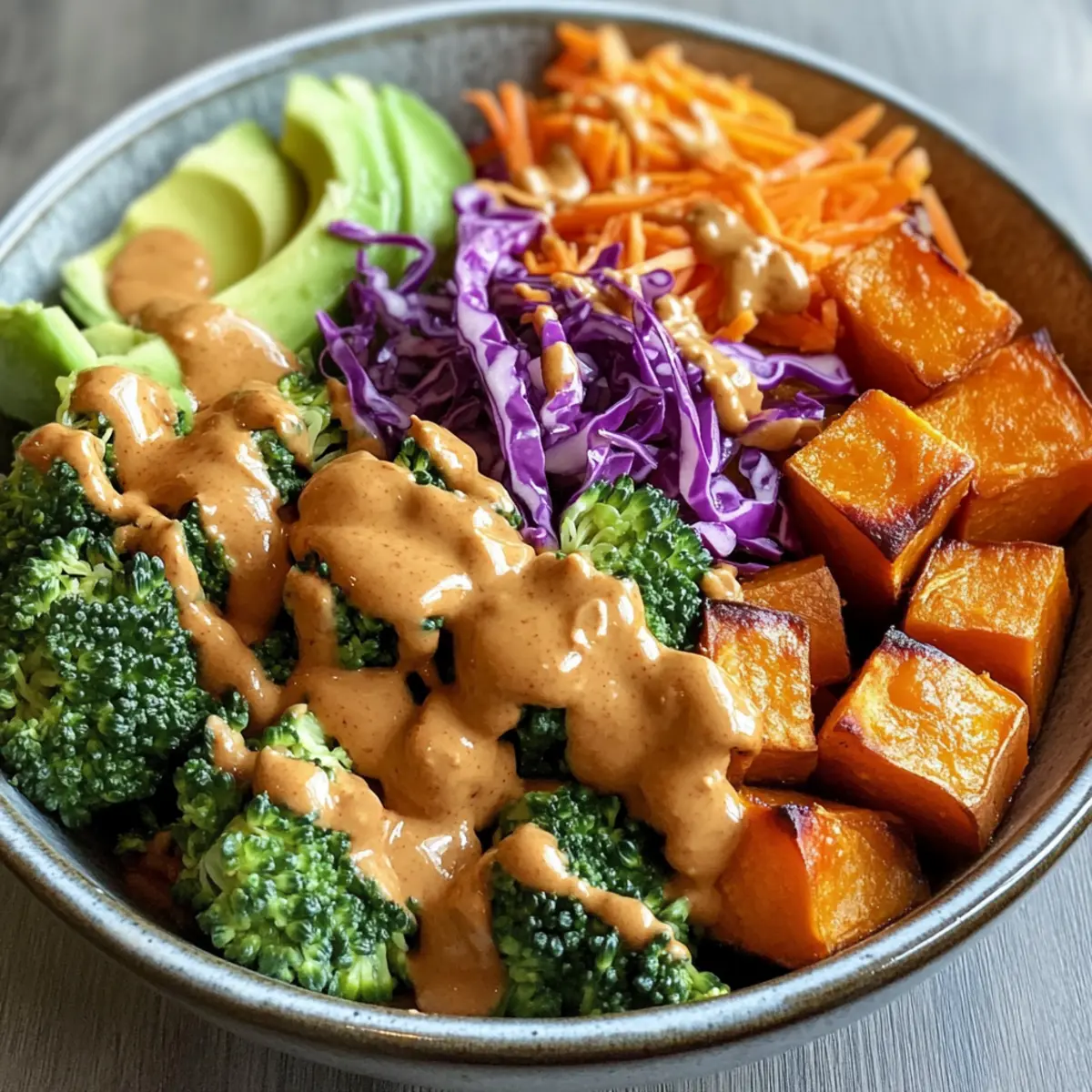
Thai Peanut Sweet Potato Buddha Bowl Recipe FAQs
How do I choose the right sweet potatoes?
Absolutely! Look for sweet potatoes that are firm and smooth, avoiding any with dark spots or blemishes, which indicate overripeness. A good sweet potato should feel heavy for its size and have a vibrant orange flesh.
What’s the best way to store leftovers?
To keep your Thai Peanut Sweet Potato Buddha Bowl fresh, store the components in separate airtight containers in the refrigerator for up to 3 days. This way, the veggies stay crunchy and the sweet potatoes maintain their texture.
Can I freeze the ingredients?
Yes! You can freeze the roasted sweet potatoes for up to 3 months. First, let them cool completely, then place them in freezer bags or airtight containers. To thaw, simply let them sit in the fridge overnight and reheat them in the oven or microwave for a delicious meal.
What if my peanut sauce is too thick?
Very easily remedied! If your peanut sauce thickens more than you’d like, just whisk in a splash of warm water or an extra squeeze of lime juice, adding a little at a time until you reach your desired consistency. This will help ensure that it drizzles nicely over your Buddha bowl!
Are there any dietary considerations I should be aware of?
Absolutely! This recipe is versatile and can be made nut-free by substituting the peanut butter with sunflower seed butter. Additionally, be mindful of soy allergies—opt for coconut aminos instead of soy sauce for a similar umami flavor without the allergens.
How do I make my Buddha bowl extra flavorful?
I often recommend taste-testing along the way! Adjusting the peanut sauce with more maple syrup or lime juice can elevate the flavor. You might also add some crushed red pepper flakes or a drizzle of sriracha for a kick of heat, making your Thai Peanut Sweet Potato Buddha Bowl even more dynamic!
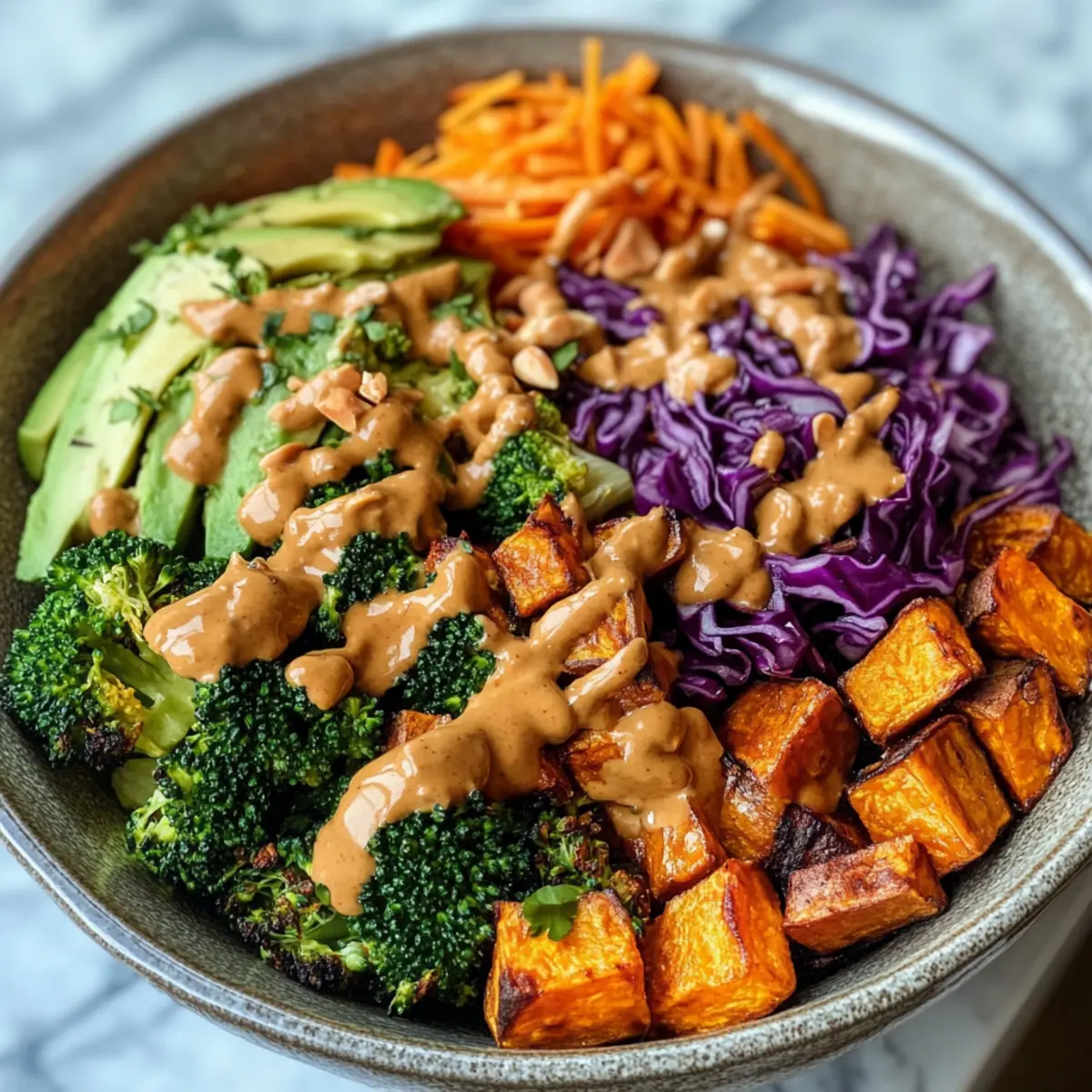
Thai Peanut Sweet Potato Buddha Bowl for Quick Comfort
Ingredients
Equipment
Method
- Preheat the oven to 400°F (200°C) to ensure perfect roasting.
- Dice sweet potatoes, toss with olive oil, salt, and pepper, and roast for 25-30 minutes.
- In a large bowl, combine broccoli, cabbage, carrots, and avocado; toss gently.
- Whisk peanut butter, soy sauce, maple syrup, lime juice, and sesame oil until smooth.
- Assemble the bowl with vegetables at the base and top with roasted sweet potatoes and peanut sauce.
- Garnish with cilantro and peanuts before serving.