

As I stirred the pot on a chilly evening, the aroma of ginger and garlic filled the kitchen, invoking memories of cozy gatherings and warm conversations. This is the magic of a Korean Winter Soup, a heartwarming dish that envelops you like a soft blanket on a frosty night. With tender beef and silky tofu mingling in a rich, savory broth, it’s the ultimate comfort food that promises to banish the winter blues. Plus, this recipe is incredibly versatile—whether you prefer beef short ribs or opt for hearty portobello mushrooms, it’s bound to please any palate. And if you’re looking for something gluten-free, simply swap in tamari for a delightful twist. Ready to dive into a bowl of warmth and satisfaction?
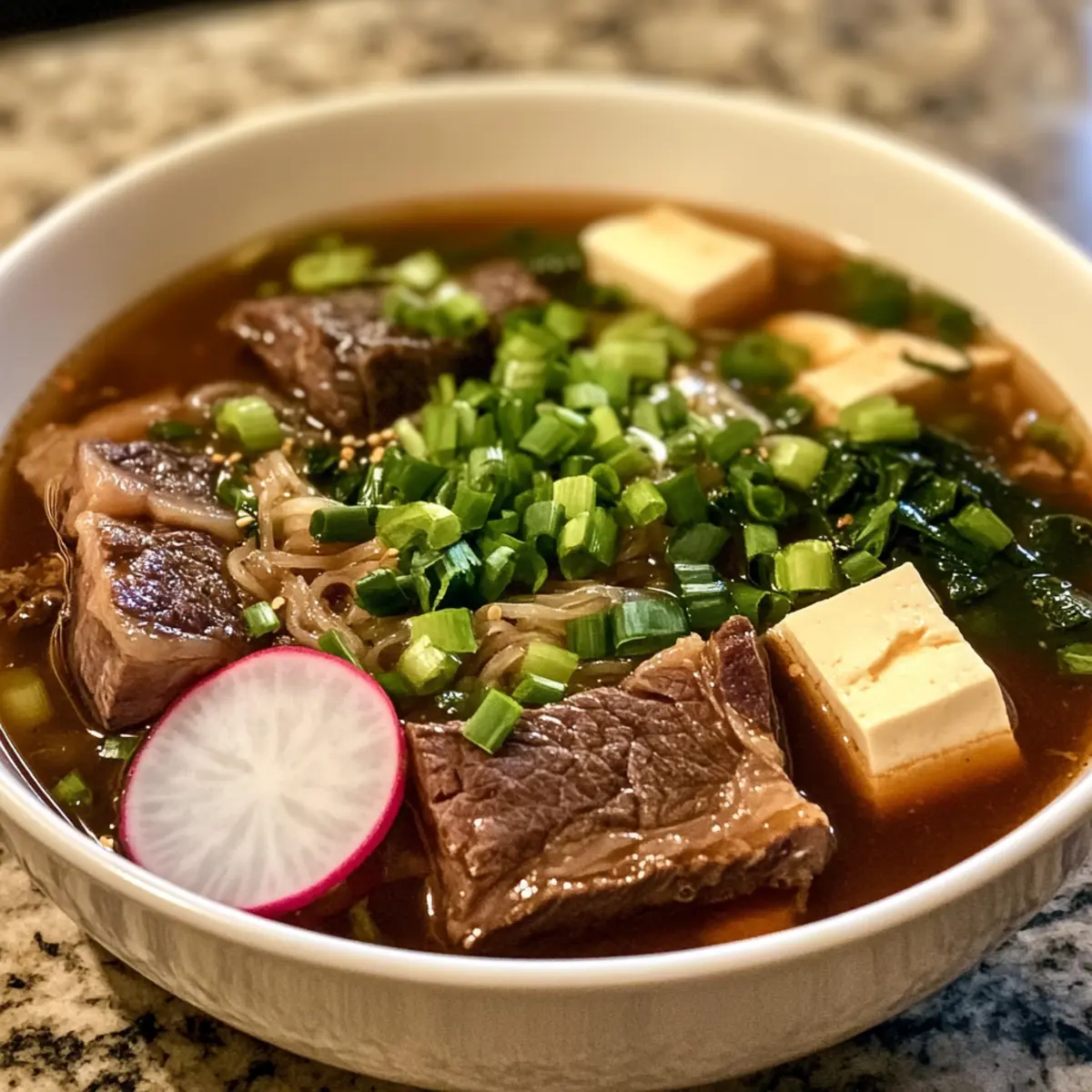
Why is this soup a must-try?
Comforting Warmth: A cozy bowl of Korean Winter Soup is perfect for chilly nights, wrapping you in warmth and nostalgia.
Savory Depth: The combination of tender beef and soft tofu creates a rich, savory broth that’s deeply satisfying.
Versatile Options: Whether you choose beef short ribs or go vegetarian with portobello mushrooms, this recipe accommodates all preferences.
Easy to Make: With straightforward steps, you’ll have a delicious meal ready in no time, making it perfect for busy weeknights.
Great for Leftovers: This soup tastes even better the next day, making it an ideal dish for meal prep. For a side, pair it with Homemade Chicken Soup for a complete family feast!
Korean Winter Soup Ingredients
Here’s everything you need to create this comforting dish!
For the Broth
- Beef Short Ribs – Provides a rich flavor and tender texture; substitute with beef shank or oxtail if desired.
- Yellow Onion – Aromatic base for the broth; keep it whole for easy removal after cooking.
- Ginger – Adds warmth and depth; use sliced fresh ginger for the best flavor.
- Garlic – Enhances the overall taste; finely chop for better integration into the broth.
- Sea Salt – Essential for seasoning; adjust based on your taste preferences.
For the Vegetables
- Korean Leeks – Offers a sweet aroma; can be substituted with regular leeks or a mix of green onions and chives.
- Radish – Provides sweetness and texture in the soup; add during simmering for best flavor infusion.
- Green Onions – Fresh garnishing touch; slice for added color and crunch.
For the Soup Flavoring
- Guk Ganjang (Korean Soup Soy Sauce) – Delivers umami flavor; for gluten-free, swap with tamari or coconut aminos.
- Tofu – Adds protein and creaminess; aim for soft tofu for the best texture.
This Korean Winter Soup recipe is not just a dish; it’s an experience you’ll look forward to!
Step‑by‑Step Instructions for Korean Winter Soup
Step 1: Soak the Beef
Begin by soaking your beef short ribs in cold water for about 1 hour. This process helps draw out the blood, ensuring a cleaner and more flavorful broth for your Korean Winter Soup. Be sure to change the water halfway through to enhance the soaking effect.
Step 2: Prepare the Aromatics
While the beef is soaking, prepare the aromatics. Cut one yellow onion with the skin on; this will serve as a flavorful base. Slice fresh ginger and finely chop garlic to release their aromatic oils. Finally, chop the green onions, saving some for garnishing later.
Step 3: Combine Ingredients in Stockpot
In a large stockpot, combine the soaked beef short ribs, prepared onion, ginger, garlic, and 10 cups of water. Set the pot over medium-high heat and bring the mixture to a boil. As it heats, you’ll notice a foamy layer forming on top; don’t worry, this is normal and will be skimmed off later.
Step 4: Skim the Foam
Once the broth reaches a boil, use a ladle or spoon to skim off any foam that rises to the surface. This step is vital for achieving a clear broth in your Korean Winter Soup. Continue to let it boil for a few minutes, keeping an eye on the foam.
Step 5: Simmer the Broth
Reduce the heat to medium-low and let the soup simmer uncovered for 1 hour. As it cooks, periodically skim off any additional foam that rises. You’ll know it’s ready when the beef is almost tender, and the broth has taken on a rich aroma.
Step 6: Add Radish
After 1 hour of simmering, add the sliced radish to the pot. Allow the soup to continue simmering for an additional 20 minutes, which will infuse the broth with the radish’s subtle sweetness. Keep an eye on the pot and stir occasionally to prevent sticking.
Step 7: Final Seasoning and Strain Aromatics
Once the radish is tender, carefully discard the aromatics from the pot. Season your Korean Winter Soup with guk ganjang and sea salt, adjusting to your taste preferences. Allow the flavors to meld together by letting it simmer for 10 more minutes.
Step 8: Serve the Soup
To serve, ladle the soup into bowls and garnish with sliced green onions and a sprinkle of black pepper for added freshness. This comforting Korean Winter Soup pairs perfectly with a side of steamed rice, creating a complete and heartwarming meal.
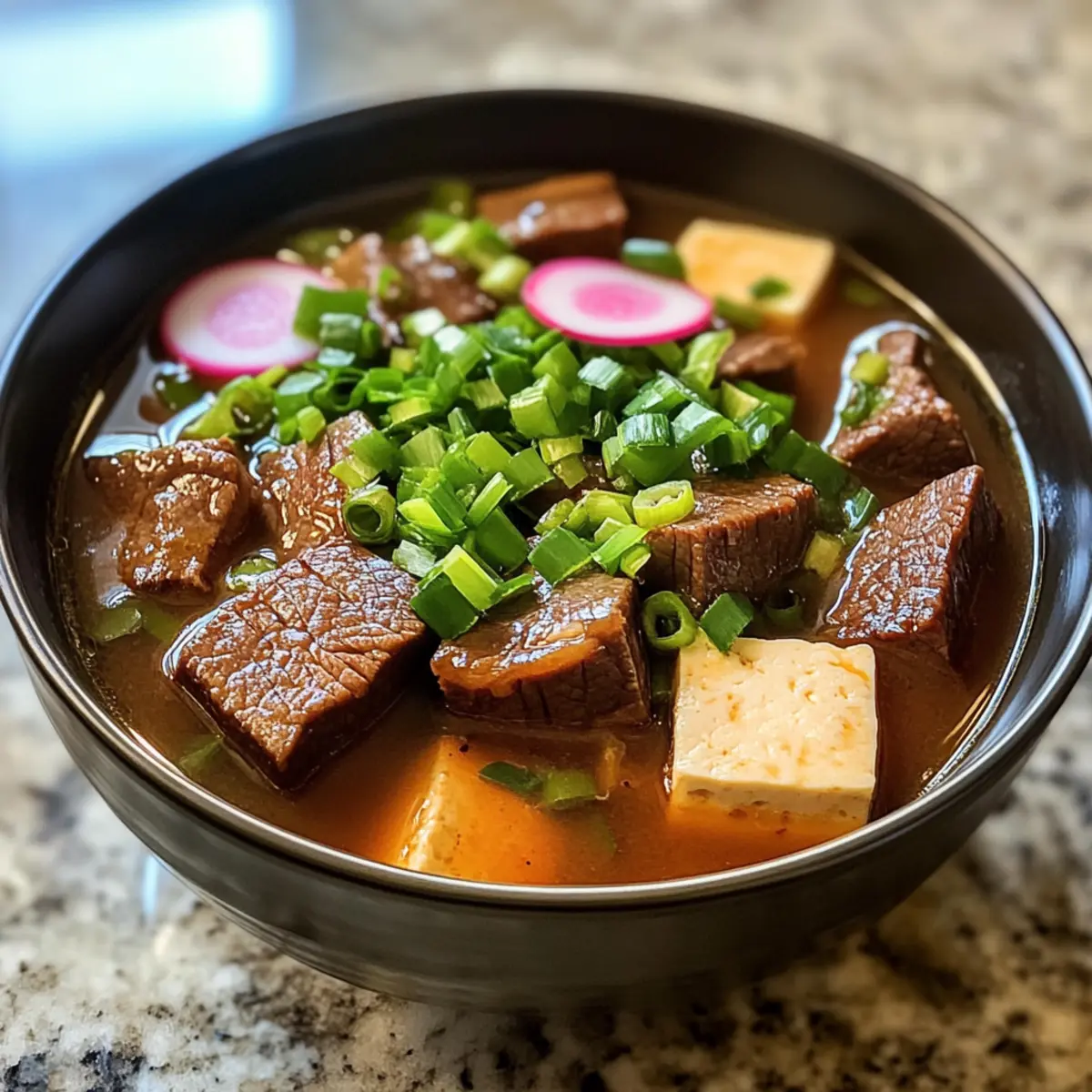
Make Ahead Options
These Korean Winter Soup ingredients are perfect for meal prep, allowing you to enjoy a cozy bowl without the last-minute rush! You can soak the beef short ribs and prepare the aromatics (onion, ginger, and garlic) up to 24 hours in advance—simply refrigerate them in an airtight container. Additionally, the soup base can be fully prepared and stored in the refrigerator for up to 3 days; just reheat gently on the stove to preserve flavor. For best results, wait to add the radish until you’re ready to simmer the soup on the day of serving. Follow the final steps as outlined, and you’ll have a heartwarming, ready-to-serve Korean Winter Soup that feels just as delightful as if it were freshly made!
What to Serve with Korean Winter Soup
Looking to create the perfect meal to accompany your heartwarming bowl of soup?
-
Steamed Rice: A simple and fluffy side that soaks up the rich broth beautifully, enhancing the soup’s comforting flavors.
-
Pickled Vegetables: Bright and tangy, they provide a refreshing contrast and enhance the umami notes in the soup, adding a delightful crunch.
-
Korean Pancakes: These savory pancakes are crispy on the outside and tender inside, offering a satisfying texture that complements the soup’s warmth.
-
Kimchi: A spicy and tangy classic, kimchi adds a probiotic boost and a zesty flavor explosion, balancing the rich broth perfectly.
-
Sesame Spinach Salad: A light, nutty complement, this salad adds fresh greens with a sesame dressing that brightens the heavy soup.
-
Miso Soup: A slightly tangy starter, it prepares your palate for the savory flavors of the winter soup while keeping the meal light.
-
Herbal Tea: Try a soothing green tea or a floral herbal blend to cleanse your palate between bites and amplify the comforting experience of your meal.
-
Chocolate Cake: For dessert, a slice of rich chocolate cake rounds out the meal with a sweet note, creating a warming and satisfying end to your dinner.
How to Store and Freeze Korean Winter Soup
Fridge: Store leftovers in an airtight container in the refrigerator for up to 3 days. Reheat gently on the stove for the best texture and flavor.
Freezer: If you’re looking to save some for later, freeze your Korean Winter Soup in freezer-safe containers for up to 3 months. Leave some space at the top for expansion.
Thawing: To enjoy your frozen soup, thaw it overnight in the fridge or place the container under cold running water until it’s soft enough to reheat.
Reheating: Warm the thawed soup on the stovetop over low heat, stirring occasionally to ensure it heats evenly and doesn’t lose its wonderful savory depth.
Expert Tips for Korean Winter Soup
-
Skimming Foam: Regularly skim any foam during the boiling process. This ensures a clear broth, enhancing the visual appeal and taste of your Korean Winter Soup.
-
Salt Awareness: Be cautious with salt, especially if using substitutes like tamari. These can vary significantly in sodium content, potentially altering the flavor balance.
-
Choose the Right Protein: Opt for beef short ribs for a rich flavor, but don’t hesitate to experiment with oxtail or portobello mushrooms for unique twists.
-
Use Fresh Ingredients: Fresh ginger and garlic make a remarkable difference in flavor. They’ll infuse your Korean Winter Soup with depth that dried alternatives can’t match.
-
Customize Vegetables: Add vegetables like bok choy or spinach towards the end of cooking for a nutritional boost and vibrant color in your soup.
-
Perfect the Tofu: Use soft tofu for the best texture but add it gently in the last few minutes of cooking to prevent it from breaking apart.
Korean Winter Soup Variations
Feel free to put your unique twist on this delightful Korean Winter Soup to suit your taste!
-
Vegetarian: Substitute beef with large portobello mushrooms or seitan for a heartwarming veggie version. You won’t miss the meat with those savory flavors!
-
Gluten-Free: Opt for tamari or coconut aminos instead of guk ganjang. It’s an easy switch that doesn’t compromise on flavor.
-
Flavor Boost: Add a splash of sesame oil before serving to enhance the nutty aroma and deepen the soup’s richness. For an extra layer of warmth, sprinkle in some red pepper flakes.
-
Veggie Load: Toss in nutritious greens like bok choy or spinach towards the end of cooking for vibrant color and extra nutrients. It’s a lovely way to make your soup both nourishing and visually appealing!
-
Extra Crunch: Top your soup with roasted sesame seeds or crushed peanuts for an alluring crunch that contrasts beautifully with the tender tofu.
-
Heat Up: For those who enjoy spice, include sliced fresh chili peppers during cooking or serve with a side of kimchi for an exciting kick!
-
Simple Swap: Try using beef shank or oxtail instead of short ribs for a slightly different texture but equally delicious results.
For those cozy nights, pair this soup with Homemade Chicken Soup for a comforting dinner choice or try making some pickled vegetables as a refreshing side!
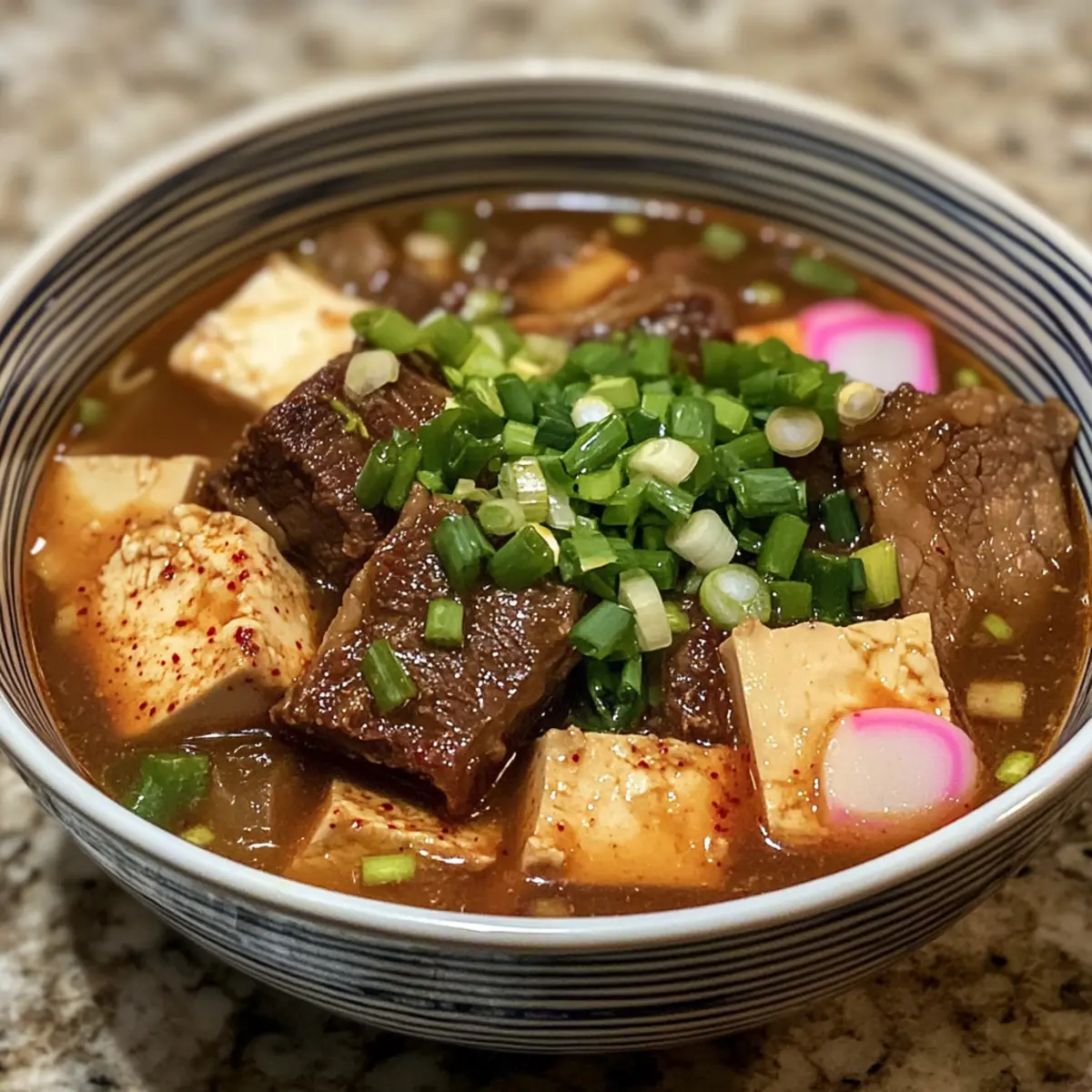
Korean Winter Soup Recipe FAQs
What type of beef is best for this soup?
Absolutely! Beef short ribs are ideal for their rich flavor and tender texture, but you can also use beef shank or oxtail for a slightly different taste. For a vegetarian option, portobello mushrooms or seitan work wonderfully, providing depth and heartiness without the meat.
How long can I store leftovers in the fridge?
You can store your Korean Winter Soup leftovers in an airtight container in the refrigerator for up to 3 days. When reheating, do so gently on the stove to preserve the flavors and prevent any ingredients from breaking apart.
Can I freeze Korean Winter Soup?
Yes, you can absolutely freeze this delicious soup! Pour it into freezer-safe containers, leaving some space at the top for expansion. It will keep well for up to 3 months. For a smooth thawing process, place the container in the fridge overnight before reheating.
What should I do if the soup is too salty?
If your Korean Winter Soup turns out too salty, don’t fret! Add in some additional water or low-sodium broth to dilute the flavors. Alternatively, you can throw in a peeled potato while simmering; it will absorb some of the saltiness. Remember to remove the potato before serving!
Are there any dietary concerns I should be aware of?
Very! This soup can easily be made gluten-free by substituting guk ganjang with tamari or coconut aminos. If you have allergies, always double-check the ingredient labels for sesame or other allergens, particularly if garnishing with green onions or using fish sauce.
How do I ensure my soup has a clear broth?
To achieve that clear, beautiful broth, regularly skim off any foam that rises to the surface during boiling. This step is crucial! Keeping the heat at medium-low and simmering instead of boiling once the foam is skimmed off will further enhance clarity, alongside ensuring the flavor isn’t compromised.
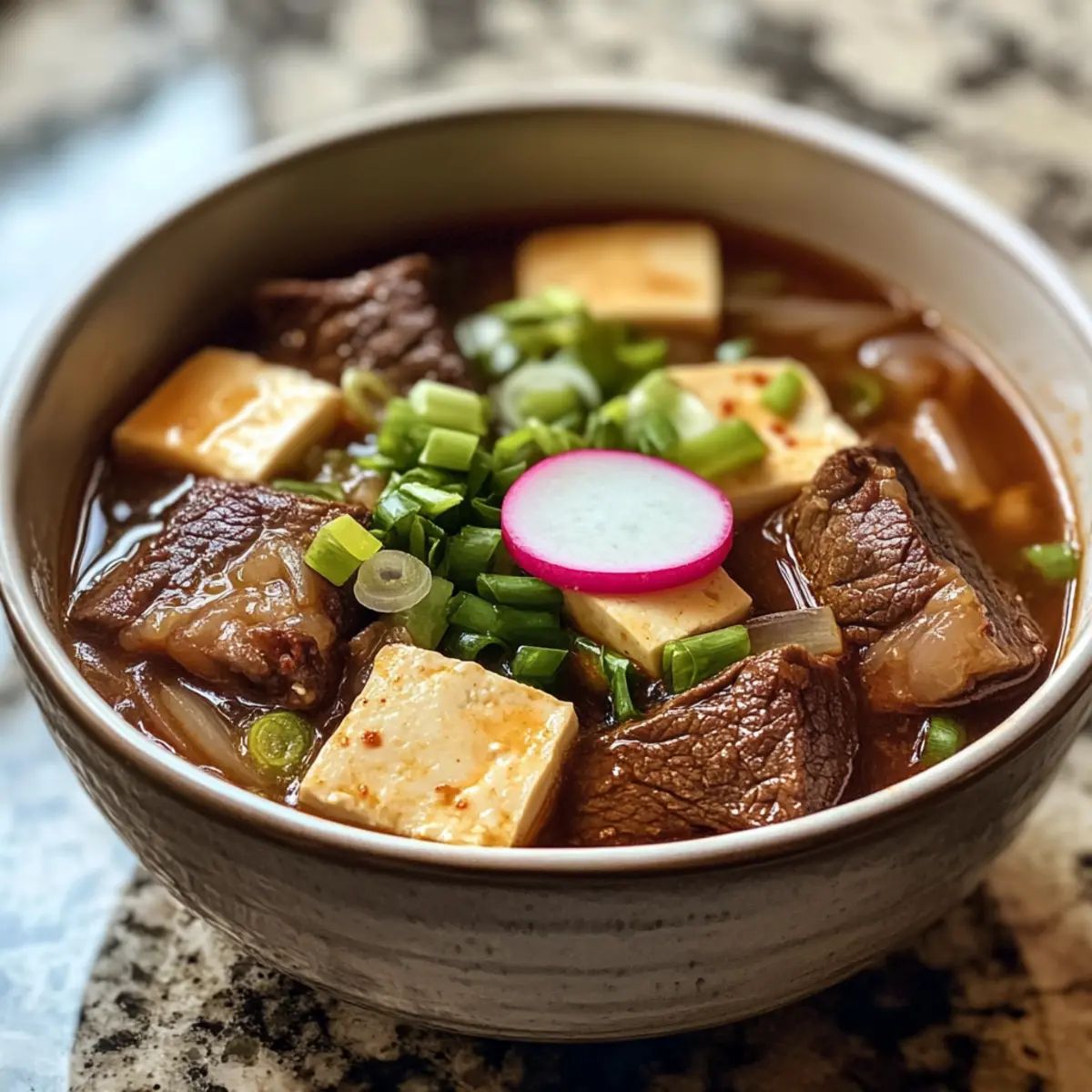
Cozy Korean Winter Soup: A Heartwarming Comfort Bowl
Ingredients
Equipment
Method
- Soak the beef short ribs in cold water for about 1 hour, changing the water halfway through.
- Prepare the aromatics by cutting the yellow onion with the skin, slicing fresh ginger, and finely chopping garlic.
- Combine soaked beef, onion, ginger, garlic, and 10 cups of water in a large stockpot. Bring to a boil.
- Skim off any foam that rises to the surface once boiling.
- Reduce heat to medium-low and let simmer uncovered for 1 hour.
- Add radish and continue to simmer for an additional 20 minutes.
- Discard the aromatics and season the soup with guk ganjang and sea salt.
- Ladle into bowls, garnish with sliced green onions, and serve.