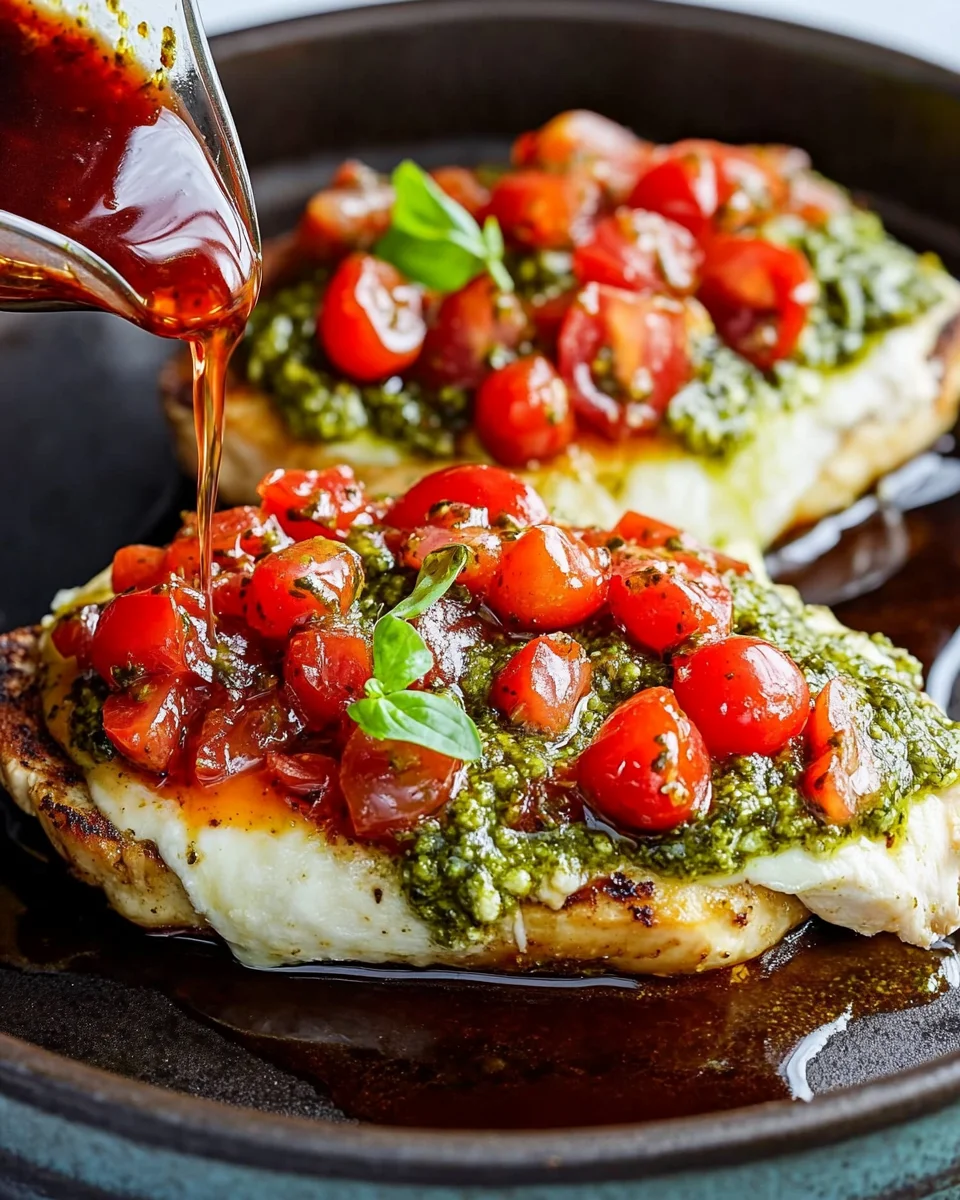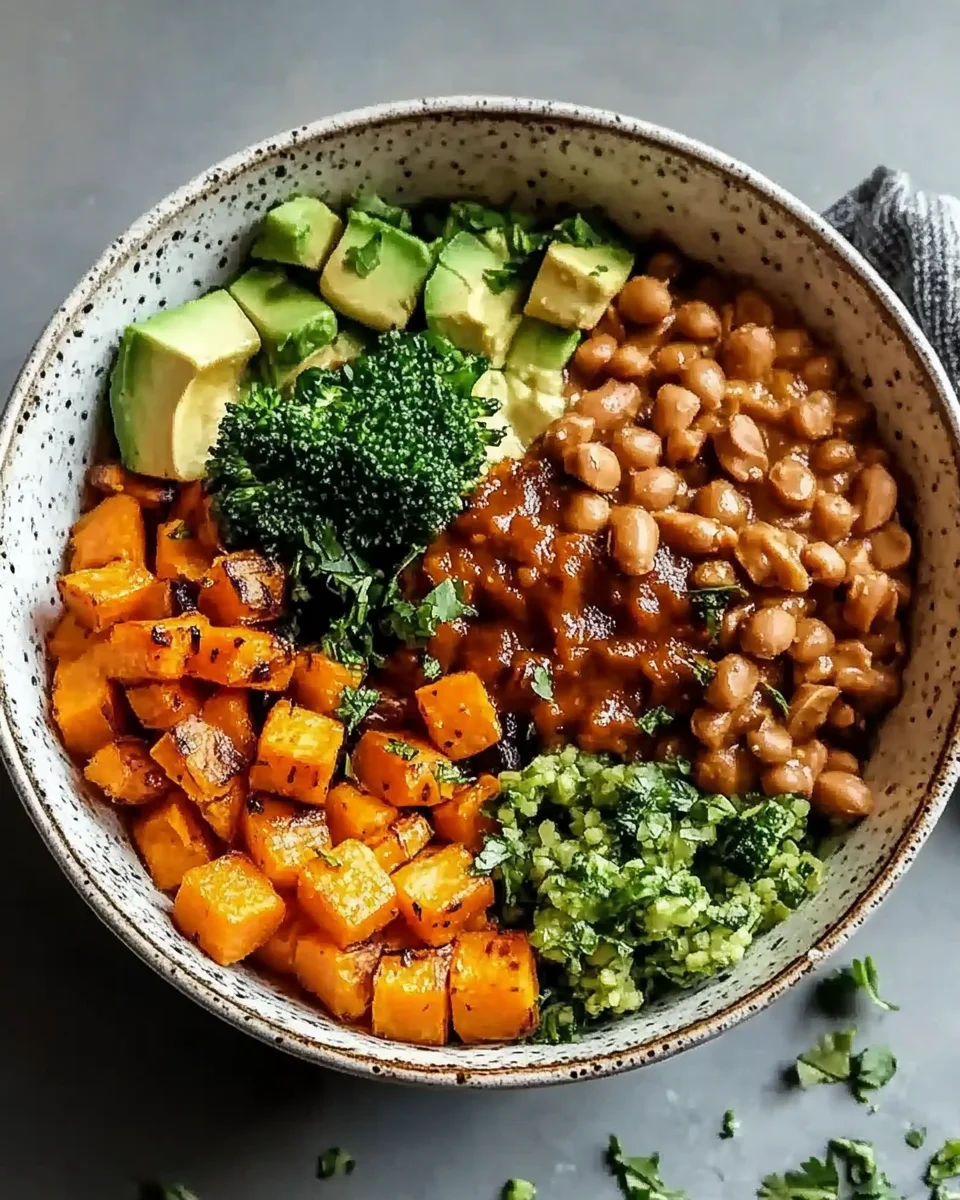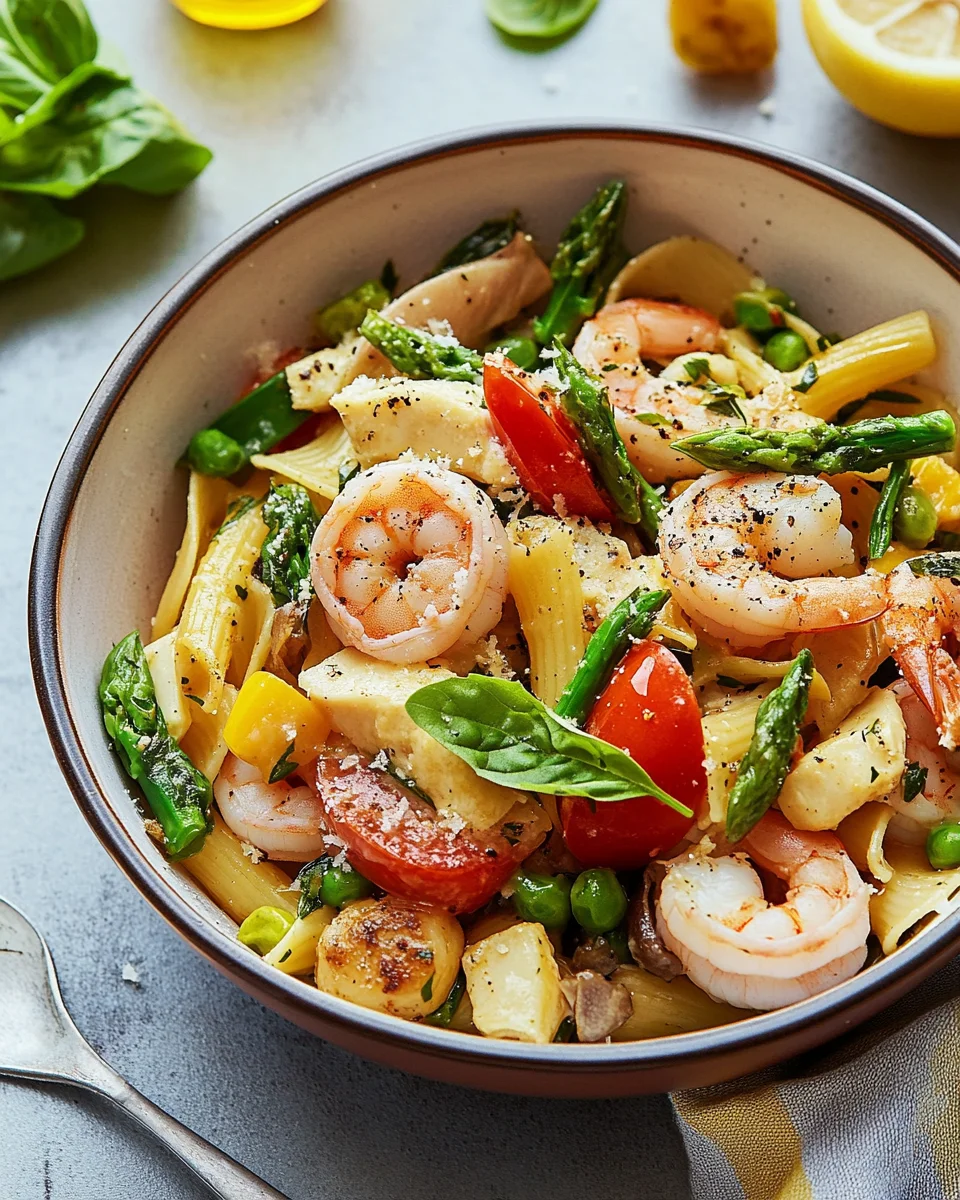
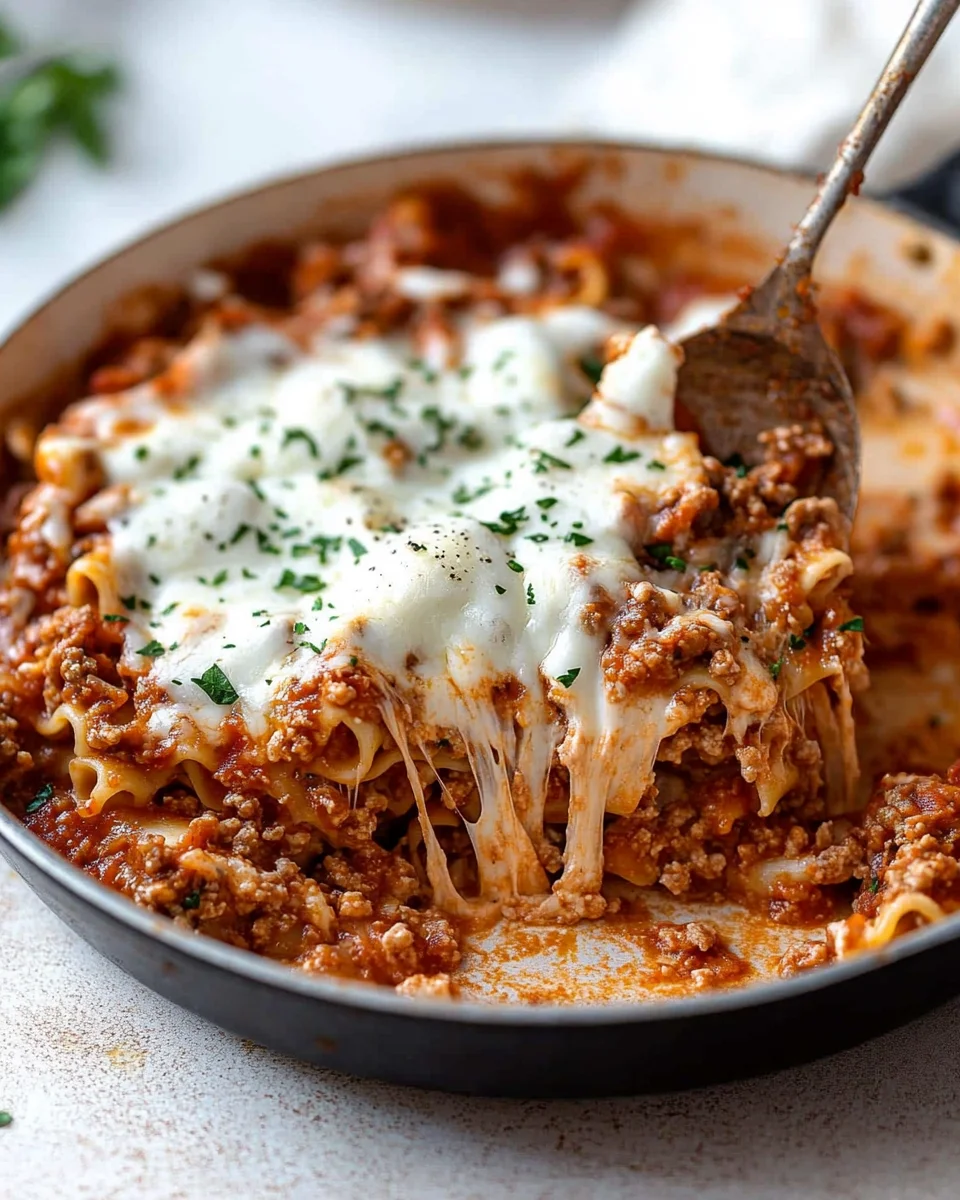
Skillet Lasagna is a quick and easy dinner option.

Introduction to Skillet Lasagna Recipe

Are you looking for a delicious and easy dinner idea? Look no further than the skillet lasagna recipe! This dish combines all the classic flavors of traditional lasagna but simplifies the cooking process. With just one skillet, you can create a hearty meal that the whole family will love.

Skillet lasagna is perfect for busy weeknights. It takes less time to prepare than the traditional oven-baked version, making it a great option for those who want a comforting meal without spending hours in the kitchen. Plus, it’s a fantastic way to enjoy layers of pasta, meat, and cheese without the fuss of assembling a full lasagna.

In this article, we will guide you through the ingredients, preparation steps, and variations of this delightful dish. Whether you’re a seasoned cook or a beginner, you’ll find this skillet lasagna recipe easy to follow and incredibly satisfying. So, grab your skillet and let’s get cooking!

Ingredients for Skillet Lasagna Recipe

To create a mouthwatering skillet lasagna, you’ll need a few key ingredients. Each component plays a vital role in delivering that rich, comforting flavor we all love. Here’s what you’ll need:

  • 2 tablespoons olive oil: This will help sauté the meat and vegetables, adding a nice flavor.
  • 1 pound ground beef or Italian sausage: Choose your favorite for a hearty base.
  • 1 small onion, diced: This adds sweetness and depth to the sauce.
  • 3 cloves garlic, minced: Garlic brings a wonderful aroma and taste.
  • 1 (28-ounce) can crushed tomatoes: This is the heart of your sauce, providing moisture and flavor.
  • 2 cups marinara sauce: For added richness and a touch of sweetness.
  • 1 teaspoon dried basil: A classic herb that complements the tomato sauce.
  • 1 teaspoon dried oregano: Another essential herb that enhances the overall flavor.
  • Salt and pepper to taste: Essential for seasoning your dish perfectly.
  • 8 ounces lasagna noodles, broken into pieces: These will create the layers in your skillet lasagna.
  • 2 cups ricotta cheese: This creamy cheese adds richness and texture.
  • 1 cup shredded mozzarella cheese: For that gooey, melty topping.
  • 1/2 cup grated Parmesan cheese: This adds a salty, nutty flavor to the dish.
  • Fresh basil for garnish (optional): A lovely touch to brighten up your skillet lasagna.

Gathering these ingredients will set you up for success in making a delicious skillet lasagna. Each item contributes to the overall taste and texture, ensuring a satisfying meal for everyone at the table. Now that you have your ingredients ready, let’s move on to the step-by-step preparation!

Step-by-Step Preparation of Skillet Lasagna Recipe

Now that you have all your ingredients ready, it’s time to dive into the step-by-step preparation of your skillet lasagna recipe. This process is straightforward and enjoyable, making it perfect for cooks of all skill levels. Let’s get started!

Step 1: Gather Your Ingredients

Before you begin cooking, make sure you have all your ingredients within reach. This will make the cooking process smoother and more efficient. Lay out your olive oil, ground beef or sausage, onion, garlic, crushed tomatoes, marinara sauce, herbs, lasagna noodles, ricotta, mozzarella, and Parmesan cheese. Having everything organized will help you focus on creating a delicious meal.

Step 2: Prepare the Meat Sauce

In a large skillet, heat the olive oil over medium heat. Once hot, add the ground beef or Italian sausage. Cook it until it’s browned, which should take about 5-7 minutes. If there’s excess fat, drain it off. Next, add the diced onion and minced garlic to the skillet. Sauté these ingredients until the onion becomes translucent, about 3-4 minutes. This step builds a flavorful base for your sauce.

Step 3: Cook the Noodles

After your meat sauce is ready, it’s time to add the crushed tomatoes and marinara sauce. Stir in the dried basil, oregano, salt, and pepper. Bring this mixture to a gentle simmer. Now, add the broken lasagna noodles, stirring to combine everything well. Cover the skillet and let it cook for about 15-20 minutes. Stir occasionally to ensure the noodles cook evenly and absorb all those delicious flavors.

Step 4: Layer the Ingredients

Once the noodles are tender, it’s time to add the ricotta cheese. In a separate bowl, mix the ricotta with a pinch of salt and pepper. Dollop spoonfuls of this mixture over the top of the skillet. Then, sprinkle the shredded mozzarella and grated Parmesan cheese evenly over the ricotta. This layering creates that classic lasagna feel, even in a skillet!

Step 5: Simmer and Melt the Cheese

Cover the skillet again and let it cook for an additional 5-7 minutes. This allows the cheese to melt and become bubbly. The aroma will fill your kitchen, making it hard to resist! Once the cheese is melted, remove the skillet from heat and let it sit for a few minutes. This resting time helps the flavors meld together beautifully.

And there you have it! Your skillet lasagna is ready to be served. It’s a comforting dish that’s sure to please everyone at the table. Next, let’s explore some variations of this delightful recipe!

Variations of Skillet Lasagna Recipe

While the classic skillet lasagna recipe is delicious on its own, there are many ways to customize it to suit different dietary preferences and tastes. Here are two popular variations that you can easily try at home. Each option maintains the comforting essence of the original dish while adding a unique twist.

Vegetarian Skillet Lasagna Recipe

If you’re looking for a meat-free option, the vegetarian skillet lasagna recipe is a fantastic choice. This variation is packed with flavor and nutrients, making it a satisfying meal for everyone. To make this version, simply replace the ground beef or sausage with sautéed mushrooms, zucchini, bell peppers, or a mix of your favorite vegetables. Here’s how to do it:

  • Step 1: Sauté your chosen vegetables in olive oil until they are tender. This usually takes about 5-7 minutes.
  • Step 2: Add the diced onion and minced garlic, cooking until the onion is translucent.
  • Step 3: Follow the same steps as the original recipe, adding crushed tomatoes, marinara sauce, and herbs.
  • Step 4: Stir in the broken lasagna noodles and cook until tender.
  • Step 5: Layer the ricotta, mozzarella, and Parmesan cheese as before, then cover and let it melt.

This vegetarian skillet lasagna is not only delicious but also a great way to sneak in more veggies into your diet. You can even add a layer of spinach or kale for extra nutrition!

Gluten-Free Skillet Lasagna Recipe

For those who need a gluten-free option, you can easily adapt the skillet lasagna recipe to meet your needs. Instead of traditional lasagna noodles, use gluten-free pasta. Many brands offer gluten-free lasagna noodles that work just as well. Here’s how to make it:

  • Step 1: Prepare the meat sauce or vegetable mixture as described in the original recipe.
  • Step 2: When adding the noodles, make sure to follow the cooking instructions on the gluten-free pasta package. They may require different cooking times.
  • Step 3: Continue with the layering and melting steps as usual.

This gluten-free skillet lasagna is just as hearty and satisfying as the traditional version. It allows everyone to enjoy a comforting meal without worrying about gluten.

With these variations, you can enjoy skillet lasagna in a way that fits your dietary preferences. Whether you choose the vegetarian or gluten-free option, you’ll still experience the rich flavors and comforting textures that make this dish a family favorite. Now, let’s move on to some cooking notes to ensure your skillet lasagna turns out perfectly!

Cooking Note for Skillet Lasagna Recipe

Cooking skillet lasagna is a delightful experience, but there are a few important notes to keep in mind to ensure your dish turns out perfectly every time. These tips will help you avoid common pitfalls and enhance the overall flavor and texture of your meal.

First, be mindful of the heat. Cooking over medium heat is crucial. If the heat is too high, the sauce may burn, and the noodles might not cook evenly. Stirring occasionally helps prevent sticking and ensures that all ingredients blend well together.

Next, consider the type of noodles you use. Traditional lasagna noodles work well, but you can also experiment with whole wheat or gluten-free options. Just remember that different types of noodles may require slight adjustments in cooking time. Always check the package instructions for the best results.

Another important note is to let your skillet lasagna rest for a few minutes after cooking. This resting period allows the flavors to meld and makes it easier to serve. If you cut into it too soon, the layers may not hold together as nicely.

Lastly, don’t hesitate to customize your skillet lasagna with additional ingredients. You can add vegetables like spinach, bell peppers, or even olives for extra flavor. Just be sure to adjust the cooking time accordingly, as some vegetables may require longer to soften.

By keeping these cooking notes in mind, you’ll be well on your way to creating a delicious skillet lasagna that everyone will love. Now that you’re equipped with these tips, let’s explore some serving suggestions to make your meal even more enjoyable!

Serving Suggestions for Skillet Lasagna Recipe

Once your skillet lasagna is ready, it’s time to think about how to serve it. This dish is not only delicious but also visually appealing, making it perfect for family dinners or gatherings with friends. Here are some serving suggestions to elevate your skillet lasagna experience:

  • Garnish with Fresh Herbs: A sprinkle of fresh basil or parsley on top adds a pop of color and freshness. It enhances the dish’s flavor and makes it look more inviting.
  • Pair with a Side Salad: A crisp green salad complements the richness of the lasagna. Consider a simple mix of lettuce, cherry tomatoes, and a light vinaigrette. This adds a refreshing contrast to the hearty meal.
  • Serve with Garlic Bread: Nothing beats the combination of lasagna and garlic bread. The crunchy, buttery bread is perfect for scooping up the cheesy goodness. You can make your own or buy it from the store.
  • Offer Extra Cheese: For cheese lovers, provide additional grated Parmesan or mozzarella on the side. This allows guests to customize their servings to their liking.
  • Include a Glass of Wine: A glass of red wine pairs beautifully with lasagna. It enhances the flavors and makes the meal feel more special. If you prefer non-alcoholic options, sparkling water with lemon is a great choice.

When serving skillet lasagna, consider using a large spoon or spatula to scoop out portions. This helps maintain the layers and makes serving easier. You can also serve it directly from the skillet for a rustic touch, allowing everyone to help themselves.

With these serving suggestions, your skillet lasagna will not only taste amazing but also look fantastic on the table. It’s a dish that brings people together, making every meal a memorable occasion. Now that you have ideas for serving, let’s move on to some tips for perfecting your skillet lasagna recipe!
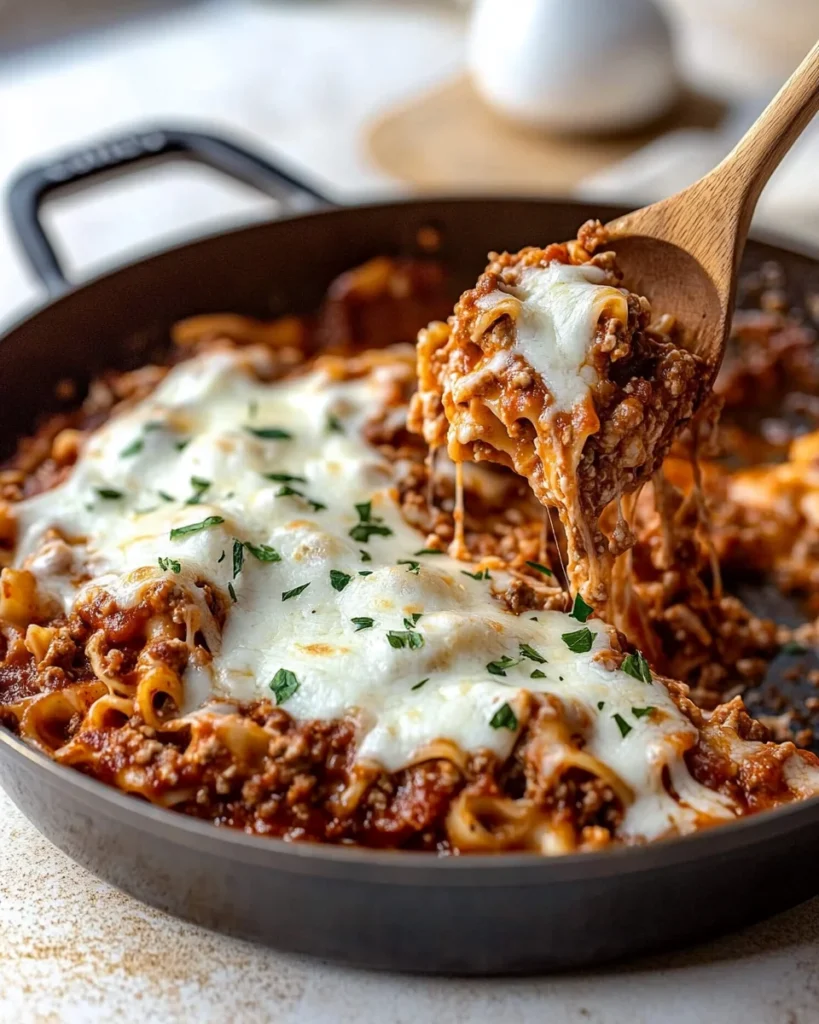
Tips for Perfecting Your Skillet Lasagna Recipe

Creating the perfect skillet lasagna is all about attention to detail and a few helpful tips. With these suggestions, you can elevate your dish and impress your family and friends. Here are some essential tips to keep in mind:

  • Use Quality Ingredients: The flavor of your skillet lasagna greatly depends on the quality of the ingredients. Opt for fresh herbs, high-quality cheese, and good-quality meat or vegetables. This will enhance the overall taste of your dish.
  • Don’t Overcook the Noodles: Since the noodles will continue to cook in the sauce, it’s important not to overcook them initially. Aim for al dente, as they will soften further during the simmering process.
  • Layer Wisely: When adding the ricotta and other cheeses, try to spread them evenly. This ensures that every bite is cheesy and delicious. You can also mix some of the ricotta into the sauce for a creamier texture.
  • Experiment with Spices: Feel free to adjust the spices to suit your taste. Adding a pinch of red pepper flakes can give your skillet lasagna a nice kick. You can also try adding Italian seasoning for an extra flavor boost.
  • Let It Rest: After cooking, allow your skillet lasagna to rest for about 5-10 minutes before serving. This helps the layers set and makes it easier to cut and serve without falling apart.
  • Make It Ahead: If you’re short on time, consider preparing the meat sauce and noodles ahead of time. You can store them separately in the fridge and combine them when you’re ready to cook. This makes for a quick and easy dinner option!
  • Get Creative with Toppings: Don’t hesitate to add your favorite toppings before serving. Sliced olives, sun-dried tomatoes, or even a drizzle of balsamic glaze can add a unique twist to your skillet lasagna.

By following these tips, you’ll be well on your way to mastering the art of skillet lasagna. Each suggestion helps enhance the flavors and textures, ensuring a delightful meal every time. Now that you have the tools to perfect your dish, let’s break down the time needed for this delicious recipe!

Breakdown of Time for Skillet Lasagna Recipe

Understanding the time required for each step of the skillet lasagna recipe can help you plan your cooking efficiently. Here’s a breakdown of the time you’ll need for preparation and cooking. This will ensure that you can enjoy your delicious meal without any last-minute rush!

Prep Time

The prep time for your skillet lasagna is quite manageable. You’ll need about 15-20 minutes to gather and prepare all your ingredients. This includes chopping the onion and garlic, measuring out the sauces, and breaking the lasagna noodles into pieces. Having everything ready will make the cooking process smoother and more enjoyable.

Cooking Time

Once you start cooking, the total cooking time will be approximately 30-35 minutes. This includes:

  • 5-7 minutes to brown the meat and sauté the onion and garlic.
  • 15-20 minutes for the noodles to cook in the sauce.
  • 5-7 minutes for the cheese to melt and become bubbly.

By keeping an eye on the skillet and stirring occasionally, you’ll ensure that everything cooks evenly and perfectly.

Total Time

In total, you can expect to spend about 45-55 minutes from start to finish. This includes both prep and cooking time. It’s a quick and satisfying meal that’s perfect for busy weeknights or family gatherings. With this time breakdown, you can easily fit skillet lasagna into your schedule and enjoy a hearty, homemade dinner!

Nutritional Information for Skillet Lasagna Recipe

Understanding the nutritional information of your skillet lasagna recipe is essential for making informed choices about your meals. This dish is not only delicious but also provides a good balance of nutrients. Here’s a breakdown of the key nutritional components per serving:

Calories

Each serving of skillet lasagna contains approximately 380 calories. This makes it a hearty meal that can satisfy your hunger without going overboard on calories. It’s a great option for dinner, especially when paired with a side salad or some garlic bread.

Protein

Protein is an important part of any meal, and skillet lasagna delivers! Each serving provides about 25 grams of protein. This comes mainly from the ground beef or sausage and the ricotta cheese. Protein helps build and repair tissues, making this dish a nutritious choice for active individuals and families.

Sodium

When it comes to sodium, each serving of skillet lasagna contains around 800 milligrams. While this is a reasonable amount for a hearty meal, it’s always good to be mindful of your sodium intake, especially if you’re watching your salt consumption. You can reduce sodium by using low-sodium marinara sauce and crushed tomatoes.

Overall, skillet lasagna is a well-rounded dish that offers a good mix of calories, protein, and flavor. It’s perfect for a family dinner or a cozy night in. Now that you know the nutritional information, let’s move on to some frequently asked questions about this delightful recipe!

Nutritional Information for Skillet Lasagna Recipe

Understanding the nutritional information of your skillet lasagna recipe is essential for making informed choices about your meals. This dish is not only delicious but also provides a good balance of nutrients. Here’s a breakdown of the key nutritional components per serving:

Calories

Each serving of skillet lasagna contains approximately 380 calories. This makes it a hearty meal that can satisfy your hunger without going overboard on calories. It’s a great option for dinner, especially when paired with a side salad or some garlic bread.

Protein

Protein is an important part of any meal, and skillet lasagna delivers! Each serving provides about 25 grams of protein. This comes mainly from the ground beef or sausage and the ricotta cheese. Protein helps build and repair tissues, making this dish a nutritious choice for active individuals and families.

Sodium

When it comes to sodium, each serving of skillet lasagna contains around 800 milligrams. While this is a reasonable amount for a hearty meal, it’s always good to be mindful of your sodium intake, especially if you’re watching your salt consumption. You can reduce sodium by using low-sodium marinara sauce and crushed tomatoes.

Overall, skillet lasagna is a well-rounded dish that offers a good mix of calories, protein, and flavor. It’s perfect for a family dinner or a cozy night in. Now that you know the nutritional information, let’s move on to some frequently asked questions about this delightful recipe!

FAQs about Skillet Lasagna Recipe

Can I make Skillet Lasagna Recipe ahead of time?

Absolutely! You can prepare your skillet lasagna ahead of time, making it a convenient option for busy days. To do this, follow the recipe up to the point of adding the cheese. Once you’ve layered the ingredients, cover the skillet and refrigerate it for up to 24 hours. When you’re ready to cook, simply heat it on the stove over medium heat until it’s warmed through, then add the cheese and cover to melt. This way, you can enjoy a delicious homemade meal without the last-minute rush!

What can I substitute for ricotta in Skillet Lasagna Recipe?

If you don’t have ricotta cheese on hand or prefer a different option, there are several substitutes you can use. Cream cheese is a popular alternative; just soften it and mix it with a bit of milk to achieve a similar texture. Cottage cheese is another great option; it adds a nice creaminess and is lower in fat. For a dairy-free version, consider using tofu blended with a splash of lemon juice and a pinch of salt. Each of these substitutes will still provide that creamy layer that makes skillet lasagna so delightful!

How do I store leftovers of Skillet Lasagna Recipe?

Storing leftovers of your skillet lasagna is easy! Allow the dish to cool completely before transferring it to an airtight container. You can store it in the refrigerator for up to 3-4 days. If you want to keep it longer, consider freezing it. To freeze, portion the lasagna into individual servings and wrap them tightly in plastic wrap, then place them in a freezer-safe container. When you’re ready to enjoy it again, simply thaw in the refrigerator overnight and reheat in the microwave or on the stove until heated through. This way, you can savor the delicious flavors of skillet lasagna even days later!

Conclusion on Skillet Lasagna Recipe

In conclusion, the skillet lasagna recipe is a fantastic way to enjoy a classic dish with minimal effort. This one-pan meal combines all the beloved flavors of traditional lasagna while saving you time and cleanup. Whether you’re cooking for your family or hosting friends, skillet lasagna is sure to impress everyone at the table.

With its rich layers of meat, cheese, and pasta, this dish is not only satisfying but also versatile. You can easily adapt it to suit various dietary needs, whether you prefer a vegetarian or gluten-free option. The step-by-step preparation makes it accessible for cooks of all skill levels, ensuring that anyone can create a delicious meal.

As you explore the variations and tips provided, you’ll find that skillet lasagna can be customized to your taste. From adding extra vegetables to experimenting with different cheeses, the possibilities are endless. Plus, the nutritional information shows that this dish can be a wholesome choice for dinner.

So, why not give this skillet lasagna recipe a try? Gather your ingredients, follow the steps, and enjoy a comforting meal that brings everyone together. With its delightful flavors and ease of preparation, skillet lasagna is bound to become a favorite in your household. Happy cooking!
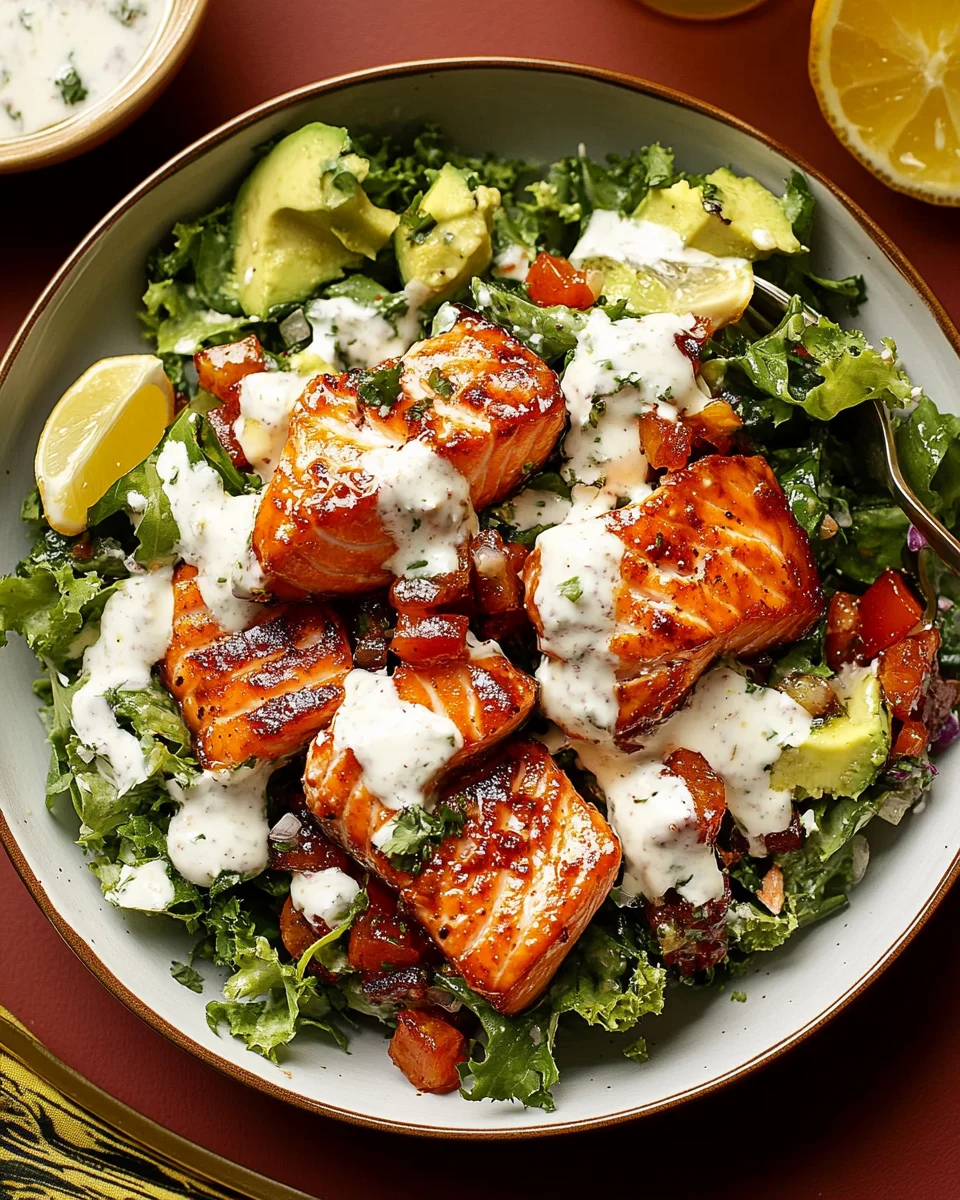
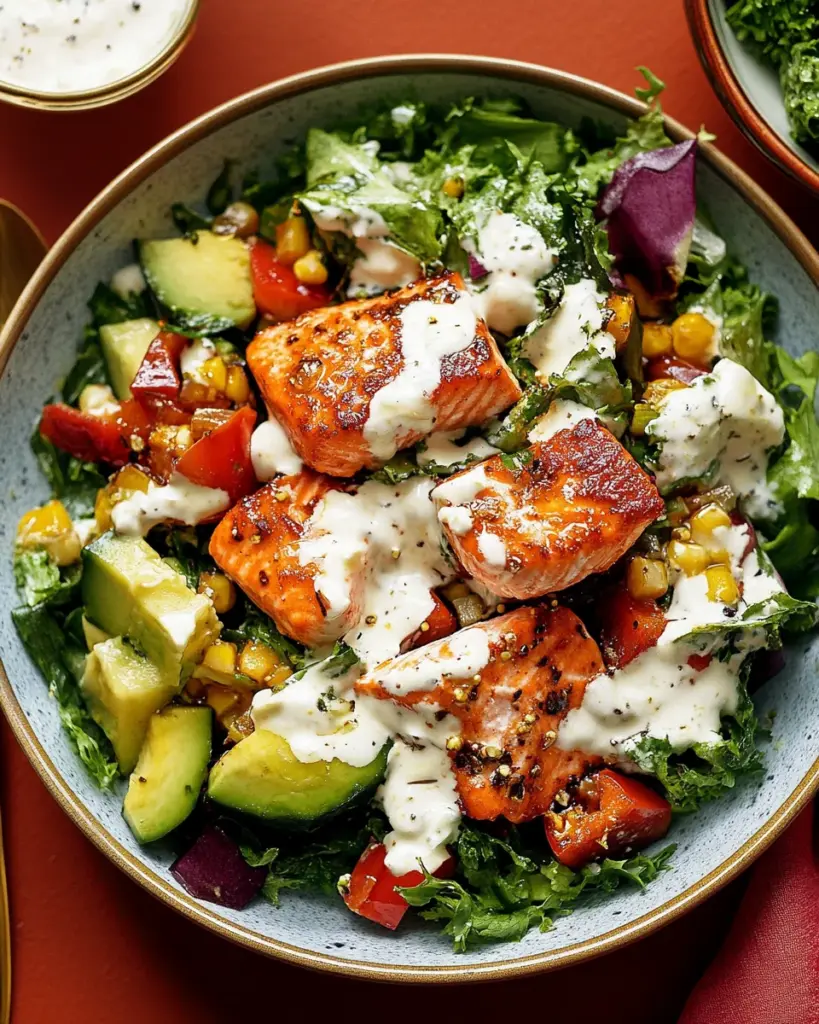
Spicy Honey-Glazed Salmon Salad Recipe is a must-try!

Introduction to Spicy Honey-Glazed Salmon Salad Recipe

Spicy Honey-Glazed Salmon Salad Recipe is a perfect choice. This dish combines the rich flavors of salmon with a sweet and spicy glaze, making it a delightful treat for your taste buds.

Salmon is not only tasty but also packed with nutrients. It’s a great source of protein and omega-3 fatty acids, which are essential for heart health. When paired with fresh salad greens and colorful vegetables, this meal becomes a powerhouse of nutrition. Plus, it’s visually appealing, making it a great option for entertaining guests or enjoying a cozy dinner at home.

In this recipe, the salmon is marinated in a zesty blend of honey and sriracha, giving it a unique flavor that’s both sweet and spicy. The salad is loaded with fresh ingredients like cherry tomatoes, avocado, and feta cheese, adding texture and taste. Whether you’re a seasoned cook or a beginner, this recipe is easy to follow and sure to impress.

Spicy Honey-Glazed Salmon Salad. It’s not just a meal; it’s an experience that brings together flavors and health in every bite!

Ingredients for Spicy Honey-Glazed Salmon Salad Recipe

Spicy Honey-Glazed Salmon Salad Recipe, you’ll need a variety of fresh ingredients. Each component plays a vital role in building flavor and nutrition. Here’s what you’ll need:

  • 2 (6-ounce) salmon fillets
  • 1 tablespoon olive oil
  • 1 teaspoon salt
  • 1 teaspoon black pepper
  • 1 teaspoon smoked paprika
  • 1 tablespoon honey
  • 1 tablespoon sriracha sauce
  • 4 cups mixed salad greens (such as spinach, arugula, and romaine)
  • 1 cup cherry tomatoes, halved
  • 1 avocado, sliced
  • 1/4 cup red onion, thinly sliced
  • 1/4 cup feta cheese, crumbled
  • 2 tablespoons balsamic vinaigrette

These ingredients come together to create a vibrant and flavorful salad. The salmon fillets provide a hearty protein base, while the honey and sriracha create a delicious glaze that enhances the fish’s natural flavors. The mixed greens and fresh vegetables add crunch and color, making the dish not only tasty but also visually appealing.

Feel free to adjust the ingredients based on your preferences. For instance, you can add more vegetables or substitute the feta cheese with another cheese of your choice. The beauty of this recipe lies in its versatility, allowing you to customize it to suit your taste!

Step-by-Step Preparation of Spicy Honey-Glazed Salmon Salad Recipe

Spicy Honey-Glazed Salmon Salad Recipe. This step-by-step guide will help you create a delicious meal that’s sure to impress. Let’s get started!

Step 1: Preparing the Salmon

First, take your salmon fillets out of the refrigerator. Pat them dry with a paper towel. This helps the marinade stick better. Next, place the salmon on a clean cutting board. You can remove any skin if you prefer, but it’s not necessary. The skin can add extra flavor when grilled.

Step 2: Making the Spicy Honey Glaze

In a small bowl, combine the olive oil, salt, black pepper, and smoked paprika. These ingredients will enhance the salmon’s flavor. Then, add the honey and sriracha sauce to the bowl. Mix everything together until it forms a smooth marinade. This glaze is what gives the salmon its sweet and spicy kick!

Step 3: Cooking the Salmon

Preheat your grill or grill pan over medium-high heat. Once it’s hot, brush the marinade generously over both sides of the salmon fillets. This ensures that every bite is packed with flavor. Place the salmon on the grill and cook for about 4-5 minutes on each side. You’ll know it’s done when the salmon flakes easily with a fork. This step is crucial for achieving that perfect texture!

Step 4: Assembling the Salad

While the salmon is cooking, it’s time to prepare the salad. In a large bowl, combine the mixed salad greens, halved cherry tomatoes, sliced avocado, thinly sliced red onion, and crumbled feta cheese. These fresh ingredients add color and crunch to your dish. Once the salmon is cooked, let it rest for a couple of minutes. Then, flake it into large pieces and add it to the salad. Drizzle with balsamic vinaigrette and toss gently to combine. Your salad is now ready to serve!

Spicy Honey-Glazed Salmon Salad that’s bursting with flavor. Enjoy every bite of this healthy and satisfying meal!

Variations of Spicy Honey-Glazed Salmon Salad Recipe

Spicy Honey-Glazed Salmon Salad Recipe is not only delicious but also versatile. You can easily switch up the ingredients to suit your taste or dietary needs. Here are some exciting variations to consider:

Alternative Proteins

If you’re not a fan of salmon or want to try something different, there are plenty of alternative proteins you can use. Here are a few options:

  • Grilled Chicken: Chicken breast is a great substitute. Marinate it in the same spicy honey glaze and grill until cooked through.
  • Tofu: For a vegetarian option, use firm tofu. Press it to remove excess moisture, then marinate and grill or sauté until golden.
  • Shrimp: Shrimp cooks quickly and pairs well with the glaze. Just toss them in the marinade and grill for a few minutes until they turn pink.
  • Tempeh: This fermented soy product is packed with protein. Slice it, marinate, and grill for a nutty flavor.

These alternatives allow you to enjoy the same sweet and spicy flavors while catering to different dietary preferences.

Different Salad Bases

The salad base can also be customized to enhance your meal. Here are some ideas for different salad bases:

  • Kale: Use chopped kale for a heartier salad. Massage it with a little olive oil to soften the leaves.
  • Quinoa: Add cooked quinoa for a protein boost. It makes the salad more filling and adds a nice texture.
  • Coleslaw: For a crunchy twist, use a mix of shredded cabbage and carrots. It adds a refreshing crunch to the dish.
  • Mixed Grains: Combine different grains like farro or barley for a unique base that’s both nutritious and satisfying.

Spicy Honey-Glazed Salmon Salad every time you make it. Enjoy the process of discovering your favorite combinations!

Cooking Note for Spicy Honey-Glazed Salmon Salad Recipe

Spicy Honey-Glazed Salmon Salad Recipe, there are a few cooking notes to keep in mind. These tips will help you achieve the best results and ensure your meal is both delicious and visually appealing.

First, always choose fresh salmon fillets. Fresh fish not only tastes better but also has a firmer texture, which is ideal for grilling. If you can, buy wild-caught salmon for its superior flavor and health benefits.

Next, marinating the salmon is key. Allow it to sit in the marinade for at least 15 minutes before grilling. This extra time helps the flavors penetrate the fish, making it even more delicious. If you have more time, marinating for up to an hour can enhance the taste even further.

When grilling, make sure your grill is preheated properly. A hot grill helps to sear the salmon, locking in moisture and flavor. If you’re using a grill pan, lightly oil it to prevent sticking. This will ensure that your salmon cooks evenly and comes off the grill easily.

Keep an eye on the cooking time. Salmon can overcook quickly, leading to a dry texture. Aim for a cooking time of about 4-5 minutes per side, depending on the thickness of the fillets. The salmon is done when it flakes easily with a fork and has an internal temperature of 145°F (63°C).

Lastly, let the salmon rest for a few minutes after grilling. This allows the juices to redistribute, making each bite tender and juicy. Once rested, flake the salmon gently to maintain its texture before adding it to your salad.

Spicy Honey-Glazed Salmon Salad that’s sure to impress your family and friends!

Serving Suggestions for Spicy Honey-Glazed Salmon Salad Recipe

Spicy Honey-Glazed Salmon Salad, it’s time to think about how to serve it. Presentation can elevate your meal, making it even more enjoyable. Here are some delightful serving suggestions to consider:

  • Chilled Plates: Serve your salad on chilled plates. This keeps the salad fresh and adds a touch of elegance to your meal.
  • Garnish with Fresh Herbs: Sprinkle fresh herbs like parsley or cilantro on top for a burst of color and flavor. This simple addition can make your dish look restaurant-quality.
  • Pair with a Light Beverage: Consider serving your salad with a refreshing drink. A glass of iced tea or sparkling water with lemon complements the flavors beautifully.
  • Serve with Whole Grain Bread: For a heartier meal, add a slice of whole grain bread or a warm baguette on the side. This adds texture and makes the meal more filling.
  • Offer Extra Dressing: Place extra balsamic vinaigrette on the table for those who like a little more dressing. This allows everyone to customize their salad to their liking.
  • Make it a Meal Prep Option: If you’re preparing this salad for meal prep, store the salmon and salad separately. This keeps the greens fresh and crisp until you’re ready to eat.

Spicy Honey-Glazed Salmon Salad but also create a delightful dining experience. Whether it’s a casual family dinner or a special occasion, these tips will help you serve a meal that’s both delicious and memorable!

Tips for Perfecting Your Spicy Honey-Glazed Salmon Salad Recipe

Spicy Honey-Glazed Salmon Salad Recipe truly shine, consider these helpful tips. They will ensure that every bite is bursting with flavor and that your dish looks as good as it tastes!

First, always use fresh ingredients. Fresh salmon, crisp greens, and ripe vegetables make a big difference in taste. When shopping, look for vibrant colors and firm textures. This will enhance the overall quality of your salad.

Next, don’t rush the marinating process. Allow the salmon to soak in the spicy honey glaze for at least 15 minutes. If you have time, marinating for up to an hour will deepen the flavors even more. This step is crucial for achieving that perfect balance of sweet and spicy.

When grilling the salmon, make sure your grill is hot. A preheated grill helps to sear the fish, locking in moisture and flavor. If you’re using a grill pan, lightly oil it to prevent sticking. This will help you achieve those beautiful grill marks and a delicious crust.

Pay attention to the cooking time. Salmon can cook quickly, so keep an eye on it. Aim for about 4-5 minutes per side, depending on the thickness of the fillets. The salmon is done when it flakes easily with a fork and has an internal temperature of 145°F (63°C).

After grilling, let the salmon rest for a few minutes. This allows the juices to redistribute, making the fish tender and juicy. Once rested, flake the salmon gently to maintain its texture before adding it to your salad.

Finally, feel free to customize your salad. Add your favorite vegetables or nuts for extra crunch. You can also adjust the level of spiciness by adding more or less sriracha to the glaze. This flexibility allows you to create a dish that suits your taste perfectly.

Spicy Honey-Glazed Salmon Salad that’s not only delicious but also visually stunning. Enjoy the process and savor every bite!

Breakdown of Time for Spicy Honey-Glazed Salmon Salad Recipe

Spicy Honey-Glazed Salmon Salad Recipe can help you plan your cooking efficiently. Here’s a simple breakdown of the time required for preparation and cooking:

Prep Time

The prep time for this delicious salad is approximately 15 minutes. During this time, you will gather all your ingredients, prepare the salmon, and make the spicy honey glaze. It’s a quick process that sets the stage for a delightful meal!

Cooking Time

Cooking the salmon takes about 10 minutes. You’ll grill the salmon for 4-5 minutes on each side. This ensures that the fish is perfectly cooked and has a nice char. While the salmon is grilling, you can prepare the salad, making the most of your time.

Total Time

Spicy Honey-Glazed Salmon Salad in no time!

Nutritional Information for Spicy Honey-Glazed Salmon Salad Recipe

Spicy Honey-Glazed Salmon Salad Recipe not only delights your taste buds but also provides a wealth of nutrients. Here’s a closer look at the nutritional information per serving:

Calories

Each serving of this delicious salad contains approximately 450 calories. This makes it a satisfying meal option without being overly heavy. The combination of salmon, fresh vegetables, and healthy fats from the avocado ensures that you’re getting a nutritious meal that keeps you energized throughout the day.

Protein

Spicy Honey-Glazed Salmon Salad is its protein content. Each serving provides about 30 grams of protein. Salmon is an excellent source of high-quality protein, which is essential for muscle repair and overall health. This makes the salad a great choice for those looking to increase their protein intake.

Sodium

The sodium content in this salad is approximately 800 milligrams per serving. While this is a moderate amount, it’s important to be mindful of your overall sodium intake, especially if you’re watching your salt consumption. You can reduce the sodium by using low-sodium soy sauce or omitting added salt in the marinade if desired.

Spicy Honey-Glazed Salmon Salad Recipe is a nutritious option that balances calories, protein, and sodium. It’s a great way to enjoy a healthy meal that’s both flavorful and satisfying!

FAQs about Spicy Honey-Glazed Salmon Salad Recipe

Can I use frozen salmon for this recipe?

Spicy Honey-Glazed Salmon Salad Recipe. However, it’s important to thaw the salmon properly before cooking. The best way to do this is to place the frozen salmon in the refrigerator overnight. If you’re short on time, you can also thaw it under cold running water for about 30 minutes. Once thawed, pat it dry and follow the recipe as usual. Just keep in mind that frozen salmon may have a slightly different texture compared to fresh salmon, but it will still taste delicious!

What can I substitute for honey in the glaze?

Spicy Honey-Glazed Salmon Salad a delightful flavor!

How spicy is the Spicy Honey-Glazed Salmon Salad Recipe?

Spicy Honey-Glazed Salmon Salad Recipe can be adjusted to your taste. The recipe calls for 1 tablespoon of sriracha sauce, which adds a nice kick without being overwhelming. If you prefer a milder flavor, you can reduce the amount of sriracha or even omit it altogether. On the other hand, if you love heat, feel free to add more sriracha or even a pinch of cayenne pepper to the glaze. This flexibility allows you to customize the spice level to suit your preferences!

Can I make this salad ahead of time?

Spicy Honey-Glazed Salmon Salad ahead of time, making it a great option for meal prep. You can marinate the salmon and store it in the refrigerator for up to 24 hours before cooking. The salad ingredients can also be prepped in advance. Just keep the mixed greens, vegetables, and dressing separate until you’re ready to serve. This will help maintain the freshness and crunch of the salad. Once everything is ready, simply grill the salmon and assemble the salad for a quick and delicious meal!

Conclusion on Spicy Honey-Glazed Salmon Salad Recipe

Spicy Honey-Glazed Salmon Salad Recipe is a delightful blend of flavors and textures that makes for a satisfying meal. With its combination of tender salmon, fresh greens, and a zesty glaze, this dish is not only delicious but also packed with nutrients. It’s a perfect choice for anyone looking to enjoy a healthy yet flavorful meal.

This recipe is incredibly versatile, allowing you to customize it to your liking. Whether you choose to swap out the salmon for chicken, tofu, or shrimp, or experiment with different salad bases, the possibilities are endless. Each variation brings its own unique twist, ensuring that you can enjoy this salad time and time again without getting bored.

Moreover, the preparation is straightforward and quick, making it an excellent option for busy weeknights or special occasions. With just a few simple steps, you can create a restaurant-quality dish right in your own kitchen. Plus, the nutritional benefits of salmon, combined with the freshness of the vegetables, make this salad a smart choice for your health.

Spicy Honey-Glazed Salmon Salad a try? Gather your ingredients, follow the steps, and enjoy a meal that’s not only good for you but also bursting with flavor. Your taste buds will thank you, and you’ll feel great knowing you’ve made a healthy choice!

Grilled Boneless Chicken Thighs Recipe is a must-try!

Introduction to Grilled Boneless Chicken Thighs Recipe

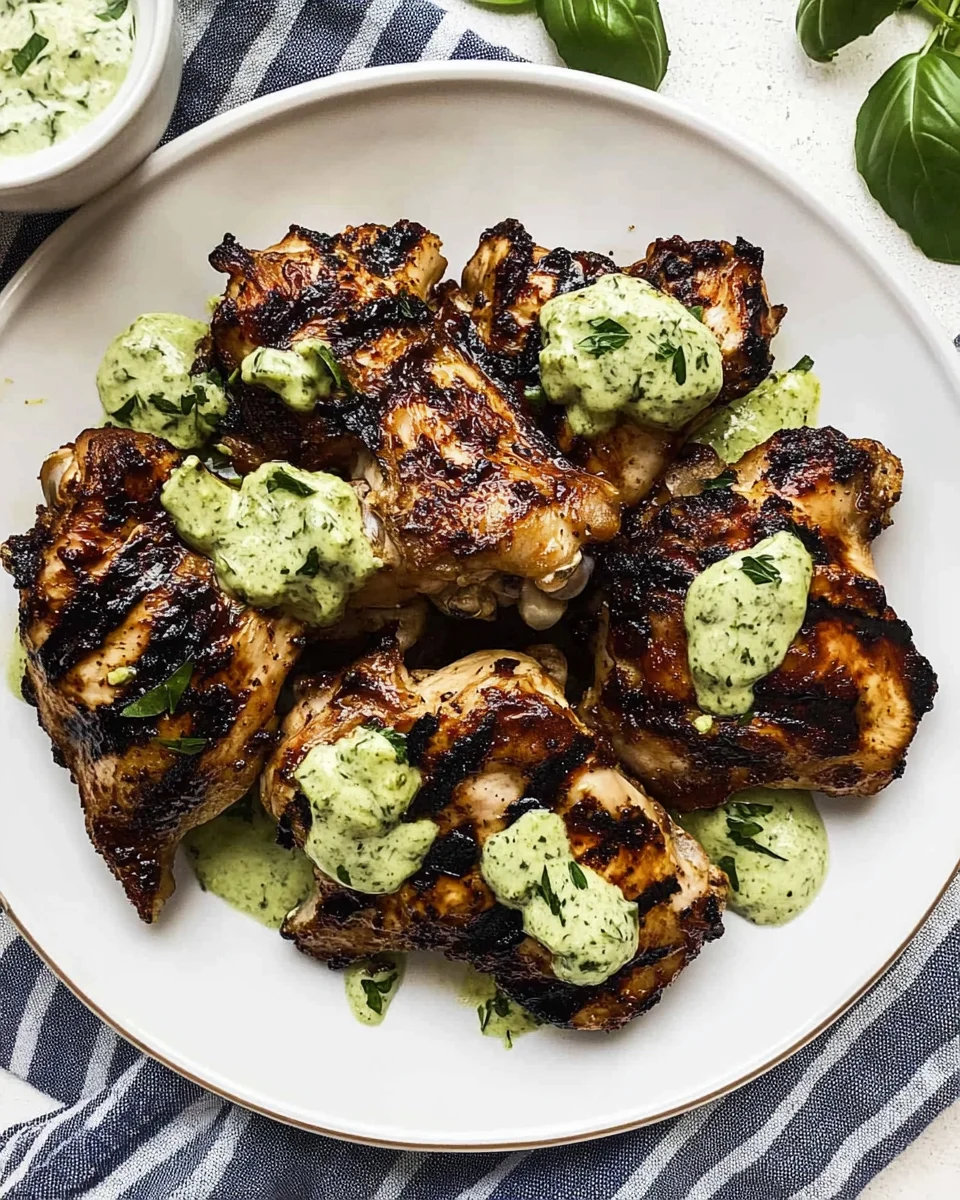
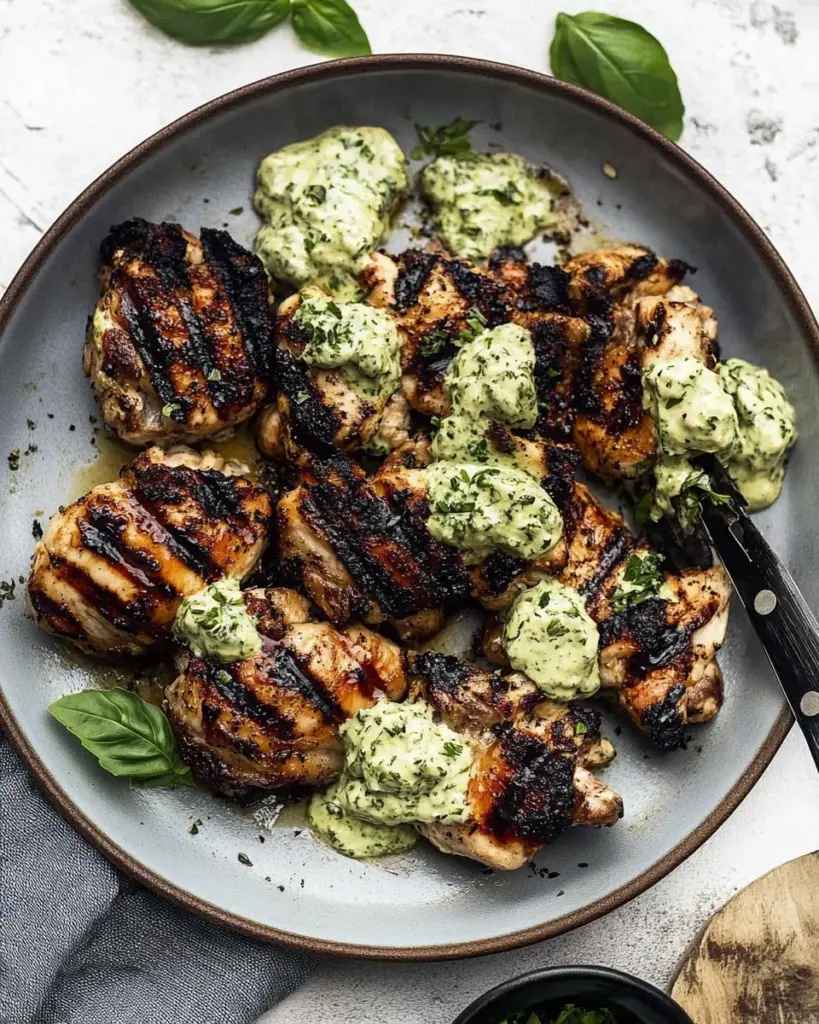
Grilled boneless chicken thighs are a delicious and versatile dish that can elevate any meal. Whether you’re hosting a summer barbecue or simply looking for a quick weeknight dinner, this recipe is sure to impress. The juicy, tender meat of chicken thighs absorbs flavors beautifully, making them a favorite among home cooks and grill enthusiasts alike.

Why Choose Boneless Chicken Thighs?

Boneless chicken thighs are an excellent choice for several reasons. First, they are more flavorful than chicken breasts due to their higher fat content. This fat keeps the meat moist during cooking, resulting in a juicy bite every time. Additionally, boneless thighs cook faster than bone-in cuts, making them perfect for quick meals.

Another advantage is their versatility. You can marinate them in various sauces, spices, or herbs, allowing you to customize the flavor to suit your taste. Plus, they are often more affordable than chicken breasts, making them a budget-friendly option for families.

In summary, boneless chicken thighs are not only tasty but also practical. They provide a great balance of flavor, moisture, and convenience, making them a go-to choice for many home cooks. So, let’s dive into the ingredients and preparation steps for this mouthwatering grilled boneless chicken thighs recipe!

Ingredients for Grilled Boneless Chicken Thighs Recipe

To create the perfect grilled boneless chicken thighs, you’ll need a few simple ingredients. Each component plays a vital role in enhancing the flavor and tenderness of the chicken. Here’s what you’ll need:

  • 2 pounds boneless, skinless chicken thighs: This is the star of the dish. Choose thighs that are fresh and plump for the best results.
  • 1/4 cup olive oil: This adds richness and helps the marinade stick to the chicken.
  • 3 tablespoons soy sauce: Soy sauce brings a savory umami flavor that complements the chicken beautifully.
  • 2 tablespoons honey: Honey adds a touch of sweetness, balancing the saltiness of the soy sauce.
  • 2 tablespoons apple cider vinegar: This ingredient provides acidity, which helps tenderize the meat and adds brightness to the flavor.
  • 4 cloves garlic, minced: Garlic infuses the chicken with a robust flavor that enhances the overall taste.
  • 1 teaspoon smoked paprika: This spice gives a subtle smokiness, perfect for grilling.
  • 1 teaspoon onion powder: Onion powder adds depth and a hint of sweetness.
  • 1/2 teaspoon black pepper: Freshly ground black pepper adds a mild heat and enhances the flavors.
  • 1/2 teaspoon salt: Salt is essential for seasoning and bringing out the natural flavors of the chicken.
  • 1/2 teaspoon red pepper flakes (optional): If you like a bit of heat, these flakes will spice things up!

Gathering these ingredients is the first step toward creating a delicious meal. Each one contributes to the overall flavor profile, ensuring that your grilled boneless chicken thighs are both tasty and satisfying. Now that you have everything ready, let’s move on to the preparation steps!

Step-by-Step Preparation of Grilled Boneless Chicken Thighs Recipe

Now that you have all your ingredients ready, it’s time to dive into the preparation of your grilled boneless chicken thighs. Following these steps will ensure that your chicken is flavorful, juicy, and perfectly cooked. Let’s get started!

Step 1: Marinating the Chicken

Marinating is a crucial step that enhances the flavor of the chicken. Begin by taking a large bowl and whisking together the olive oil, soy sauce, honey, apple cider vinegar, minced garlic, smoked paprika, onion powder, black pepper, salt, and red pepper flakes. Make sure everything is well combined.

Next, add the boneless chicken thighs to the marinade. Use your hands or a spatula to ensure each piece is fully coated. This is where the magic happens! Cover the bowl with plastic wrap and place it in the refrigerator. For the best flavor, let the chicken marinate for at least 1 hour, but if you have time, letting it sit for up to 8 hours will yield even better results.

Step 2: Prepping the Grill

While the chicken is marinating, it’s time to prepare your grill. Preheat your grill to medium-high heat. This temperature is ideal for cooking chicken thighs, as it allows for a nice sear while keeping the inside juicy.

If you’re using a charcoal grill, make sure the coals are evenly distributed. For gas grills, simply turn on the burners and let them heat up. Once the grill is hot, you can lightly oil the grates with a paper towel dipped in oil. This helps prevent the chicken from sticking.

Step 3: Grilling the Chicken

After marinating and prepping the grill, it’s time to cook the chicken! Remove the chicken thighs from the marinade, letting any excess drip off. Discard the leftover marinade, as it’s not safe to reuse.

Place the chicken thighs on the grill. Cook them for about 6-7 minutes on each side. You want to achieve a nice char while ensuring the internal temperature reaches 165°F. Using a meat thermometer is a great way to check for doneness.

Step 4: Resting the Chicken

Once the chicken is cooked, remove it from the grill and let it rest for about 5 minutes. Resting is important because it allows the juices to redistribute throughout the meat, making it even more tender and flavorful.

After resting, you can slice the chicken or serve it whole. Your grilled boneless chicken thighs are now ready to be enjoyed!

Variations of Grilled Boneless Chicken Thighs Recipe

While the classic marinade for grilled boneless chicken thighs is delicious, there are many ways to switch things up! Exploring different marinades and cooking methods can add exciting flavors to your meals. Let’s take a look at some variations you can try.

Different Marinades to Try

Experimenting with marinades can transform your grilled boneless chicken thighs into a whole new dish. Here are a few ideas:

  • Citrus Marinade: Combine the juice of 2 oranges and 1 lemon with 1/4 cup olive oil, 2 tablespoons honey, and a pinch of salt. This marinade adds a refreshing zing!
  • Herb Marinade: Mix 1/4 cup olive oil with 2 tablespoons of chopped fresh herbs like rosemary, thyme, and parsley. Add 4 cloves of minced garlic for extra flavor.
  • Spicy Sriracha Marinade: Blend 1/4 cup soy sauce, 2 tablespoons Sriracha, 1 tablespoon honey, and 1 tablespoon rice vinegar. This will give your chicken a spicy kick!
  • BBQ Marinade: Use your favorite barbecue sauce mixed with a bit of apple cider vinegar for tanginess. This is perfect for a smoky flavor.

Feel free to mix and match ingredients to create your own unique marinades. The possibilities are endless!

Cooking Methods Beyond Grilling

If you don’t have access to a grill, or if the weather isn’t cooperating, there are other cooking methods you can use to prepare your boneless chicken thighs:

  • Oven-Baking: Preheat your oven to 400°F. Place the marinated chicken thighs on a baking sheet lined with parchment paper. Bake for 25-30 minutes, or until the internal temperature reaches 165°F.
  • Pan-Seering: Heat a tablespoon of olive oil in a skillet over medium-high heat. Cook the chicken thighs for about 6-7 minutes on each side until golden brown and cooked through.
  • Slow Cooking: Place the marinated chicken thighs in a slow cooker. Cook on low for 4-6 hours or on high for 2-3 hours. This method makes the chicken incredibly tender!

These alternative cooking methods can yield delicious results, ensuring you can enjoy grilled boneless chicken thighs no matter the circumstances. Now that you have some variations in mind, let’s move on to some serving suggestions!

Cooking Note for Grilled Boneless Chicken Thighs Recipe

When it comes to grilling boneless chicken thighs, a few key cooking notes can make all the difference. Understanding these tips will help you achieve the best results every time you fire up the grill.

First, always start with high-quality chicken thighs. Fresh, plump thighs will yield the juiciest results. If possible, choose organic or free-range chicken for enhanced flavor and texture.

Next, marinating is essential. The longer you marinate the chicken, the more flavorful it becomes. However, avoid marinating for more than 8 hours, as the acid in the marinade can break down the meat too much, leading to a mushy texture.

Temperature control is crucial while grilling. Make sure your grill is preheated to medium-high heat before placing the chicken on it. This helps create a nice sear, locking in the juices. If the grill is too hot, the outside may char before the inside is fully cooked.

Using a meat thermometer is highly recommended. This tool ensures that your chicken reaches the safe internal temperature of 165°F. It’s the best way to avoid undercooking or overcooking your chicken.

Lastly, don’t skip the resting period after grilling. Allowing the chicken to rest for about 5 minutes helps the juices redistribute, resulting in a more tender and flavorful bite. Cutting into the chicken too soon can cause the juices to run out, leaving you with dry meat.

By keeping these cooking notes in mind, you’ll be well on your way to mastering the art of grilling boneless chicken thighs. Now, let’s explore some delicious serving suggestions to complement your dish!

Serving Suggestions for Grilled Boneless Chicken Thighs Recipe

Once your grilled boneless chicken thighs are perfectly cooked, it’s time to think about how to serve them. The right side dishes and creative serving ideas can elevate your meal and impress your guests. Here are some delicious options to consider!

Side Dishes That Pair Well

Choosing the right side dishes can enhance the flavors of your grilled boneless chicken thighs. Here are some tasty options:

  • Grilled Vegetables: A mix of bell peppers, zucchini, and asparagus drizzled with olive oil and grilled until tender makes a colorful and healthy side.
  • Fresh Salad: A crisp salad with mixed greens, cherry tomatoes, cucumbers, and a light vinaigrette complements the richness of the chicken.
  • Rice Pilaf: Fluffy rice pilaf with herbs and spices adds a nice texture and absorbs the delicious juices from the chicken.
  • Coleslaw: A tangy coleslaw provides a crunchy contrast to the tender chicken, making for a delightful combination.
  • Potato Wedges: Crispy baked potato wedges seasoned with herbs are a satisfying side that pairs well with grilled meats.

These side dishes not only complement the flavors of the chicken but also add variety to your meal. Feel free to mix and match based on your preferences and what you have on hand!

Creative Serving Ideas

Serving your grilled boneless chicken thighs creatively can make your meal even more enjoyable. Here are some fun ideas:

  • Chicken Thigh Tacos: Slice the grilled chicken and serve it in warm tortillas with avocado, salsa, and fresh cilantro for a tasty taco night.
  • Chicken Salad: Chop the grilled chicken and mix it with diced apples, walnuts, and a yogurt dressing for a refreshing chicken salad.
  • Skewers: Cut the chicken into bite-sized pieces and thread them onto skewers with vegetables for a fun and easy-to-eat option.
  • Stuffed Peppers: Use the grilled chicken as a filling for stuffed bell peppers along with rice, beans, and cheese for a hearty meal.
  • Sandwiches: Layer sliced chicken on a bun with lettuce, tomato, and your favorite sauce for a delicious grilled chicken sandwich.

These creative serving ideas can turn your grilled boneless chicken thighs into a variety of exciting dishes. Whether you’re hosting a gathering or enjoying a family dinner, these suggestions will surely impress everyone at the table!

Tips for Perfect Grilled Boneless Chicken Thighs Recipe

To achieve the best results with your grilled boneless chicken thighs, a few tips can make all the difference. From selecting the right chicken to ensuring even cooking, these guidelines will help you create a delicious meal every time. Let’s explore these essential tips!

Choosing the Right Chicken Thighs

When it comes to grilled boneless chicken thighs, the quality of the meat matters. Here are some tips for choosing the best chicken thighs:

  • Freshness: Always opt for fresh chicken thighs. Look for thighs that are plump and have a pinkish hue. Avoid any that appear dull or have an off smell.
  • Organic or Free-Range: If possible, choose organic or free-range chicken. These options often have better flavor and texture, as the chickens are raised in healthier environments.
  • Skinless and Boneless: For this recipe, make sure to select skinless and boneless thighs. This will allow the marinade to penetrate the meat better and make grilling easier.
  • Uniform Size: Try to pick thighs that are similar in size. This ensures even cooking, so some pieces don’t end up overcooked while others are undercooked.

By selecting the right chicken thighs, you set the foundation for a flavorful and juicy dish. Now, let’s move on to ensuring even cooking!

Ensuring Even Cooking

Even cooking is crucial for perfectly grilled boneless chicken thighs. Here are some tips to help you achieve that:

  • Marinate Evenly: Make sure each piece of chicken is thoroughly coated in the marinade. This not only enhances flavor but also helps with even cooking.
  • Room Temperature: Before grilling, let the marinated chicken sit at room temperature for about 15-20 minutes. This helps the chicken cook more evenly.
  • Use a Meat Thermometer: Invest in a good meat thermometer. This tool will help you check the internal temperature, ensuring the chicken reaches 165°F without overcooking.
  • Rotate and Flip: While grilling, rotate and flip the chicken thighs halfway through cooking. This promotes even browning and prevents any one side from charring too much.
  • Resting Period: After grilling, let the chicken rest for about 5 minutes. This allows the juices to redistribute, resulting in a more tender and juicy bite.

By following these tips for choosing the right chicken thighs and ensuring even cooking, you’ll be well on your way to mastering the art of grilling boneless chicken thighs. Now, let’s take a look at the breakdown of time for this delicious recipe!

Breakdown of Time for Grilled Boneless Chicken Thighs Recipe

Understanding the time required for each step in the grilled boneless chicken thighs recipe is essential for planning your meal. Here’s a detailed breakdown of the time you’ll need for preparation, cooking, and the total time involved.

Prep Time

The prep time for this recipe mainly involves marinating the chicken. Here’s how it breaks down:

  • Marinating Time: 1 hour (minimum) to 8 hours (maximum). The longer you marinate, the more flavorful the chicken will be.
  • Active Prep Time: About 15 minutes. This includes gathering ingredients, mixing the marinade, and coating the chicken thighs.

In total, you should plan for at least 1 hour and 15 minutes of prep time if you’re marinating for the minimum time. If you choose to marinate for longer, you can prepare the chicken in advance and let it sit in the fridge.

Cooking Time

Once your chicken is marinated, the cooking time is relatively quick:

  • Grilling Time: Approximately 12-14 minutes. This includes about 6-7 minutes on each side of the chicken thighs.
  • Resting Time: 5 minutes. Allowing the chicken to rest after grilling is crucial for juicy results.

So, the total cooking time is around 17-19 minutes, including grilling and resting.

Total Time

When you combine the prep time and cooking time, here’s what you get:

  • Total Time: 1 hour and 32 minutes (minimum) to 8 hours and 19 minutes (maximum). This range accounts for the marinating time.

In summary, if you plan ahead and marinate your chicken thighs for a longer period, you can enjoy a delicious grilled meal with minimal active cooking time. This makes it perfect for busy weeknights or weekend gatherings!

Nutritional Information for Grilled Boneless Chicken Thighs Recipe

Understanding the nutritional content of your meals is essential for maintaining a balanced diet. Grilled boneless chicken thighs are not only delicious but also packed with nutrients. Here’s a breakdown of the nutritional information for this recipe, so you can enjoy your meal while keeping your health in mind.

Calories

Each serving of grilled boneless chicken thighs contains approximately 320 calories. This makes it a satisfying option for those looking to enjoy a hearty meal without overindulging. The calorie content primarily comes from the chicken itself, along with the healthy fats from olive oil and the natural sugars from honey.

Protein Content

One of the standout features of this dish is its protein content. Each serving provides about 24 grams of protein. Protein is essential for building and repairing tissues, making it a crucial part of a healthy diet. Grilled boneless chicken thighs are an excellent source of high-quality protein, making them a great choice for anyone looking to increase their protein intake.

Sodium Levels

When it comes to sodium, each serving contains around 600 milligrams. This level is primarily due to the soy sauce used in the marinade. While sodium is necessary for various bodily functions, it’s important to monitor your intake. If you’re watching your sodium levels, consider using low-sodium soy sauce or adjusting the amount to suit your dietary needs.

In summary, grilled boneless chicken thighs offer a balanced mix of calories, protein, and sodium. They are a nutritious option that can fit well into a healthy eating plan. Enjoy this flavorful dish while being mindful of your nutritional goals!

FAQs About Grilled Boneless Chicken Thighs Recipe

How long should I marinate the chicken?

Marinating the chicken is key to enhancing its flavor. Ideally, you should marinate the chicken thighs for at least 1 hour. However, for the best results, aim for 4 to 8 hours. This allows the marinade to penetrate the meat, making it more flavorful and tender. Just be careful not to exceed 8 hours, as the acid in the marinade can start to break down the meat too much, resulting in a mushy texture.

Can I use skin-on chicken thighs for this recipe?

Yes, you can use skin-on chicken thighs if you prefer! The skin will add extra flavor and crispiness when grilled. Just keep in mind that skin-on thighs may require a slightly longer cooking time. Make sure to monitor the internal temperature to ensure they reach 165°F for safe consumption. If you enjoy crispy skin, consider grilling them skin-side down first to achieve that perfect crunch!

What is the best temperature to grill chicken thighs?

The best temperature for grilling chicken thighs is medium-high heat, around 375°F to 450°F. This temperature allows the chicken to sear nicely on the outside while cooking through to a juicy finish on the inside. If your grill has a thermometer, keep an eye on it to maintain this temperature. If you’re using charcoal, you can test the heat by holding your hand about 6 inches above the grill grates; you should be able to hold it there for about 3-4 seconds before it feels too hot.

How do I know when the chicken is fully cooked?

The best way to know if your chicken is fully cooked is by using a meat thermometer. Insert the thermometer into the thickest part of the thigh, avoiding the bone. The internal temperature should reach 165°F for safe consumption. If you don’t have a thermometer, you can also check for doneness by cutting into the chicken; the juices should run clear, and the meat should no longer be pink. However, using a thermometer is the most reliable method to ensure perfectly cooked chicken every time!

Conclusion on Grilled Boneless Chicken Thighs Recipe

In conclusion, the grilled boneless chicken thighs recipe is a fantastic choice for anyone looking to create a delicious and satisfying meal. With its simple ingredients and straightforward preparation, this dish is perfect for both novice cooks and seasoned grill masters. The combination of flavors from the marinade enhances the natural juiciness of the chicken, making each bite a delightful experience.

Whether you’re preparing a family dinner, hosting a barbecue, or meal prepping for the week, grilled boneless chicken thighs offer versatility and ease. You can customize the marinade to suit your taste, explore various cooking methods, and pair the chicken with a wide range of side dishes. This adaptability makes it a staple in many kitchens.

Moreover, the nutritional benefits of this dish cannot be overlooked. With a good balance of protein, healthy fats, and low carbohydrates, grilled boneless chicken thighs fit well into a healthy eating plan. They provide the energy needed for an active lifestyle while being deliciously satisfying.

So, fire up your grill and give this recipe a try! With the tips and variations provided, you can make it your own and impress your family and friends. Enjoy the process of cooking and the joy of sharing a wonderful meal together. Happy grilling!

Spicy Salmon Sushi Bake: Discover a Flavorful Twist Today!

Introduction to Spicy Salmon Sushi Bake

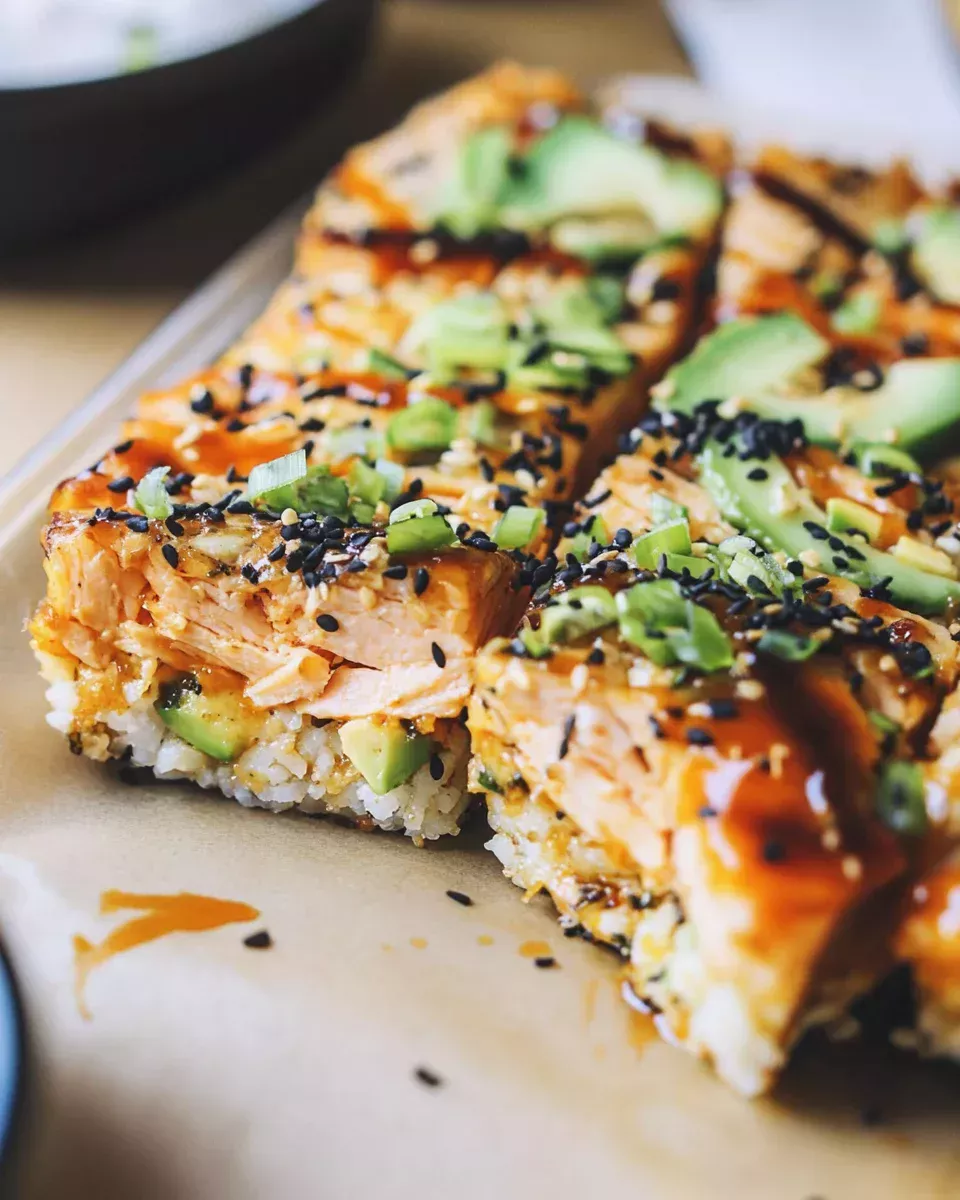
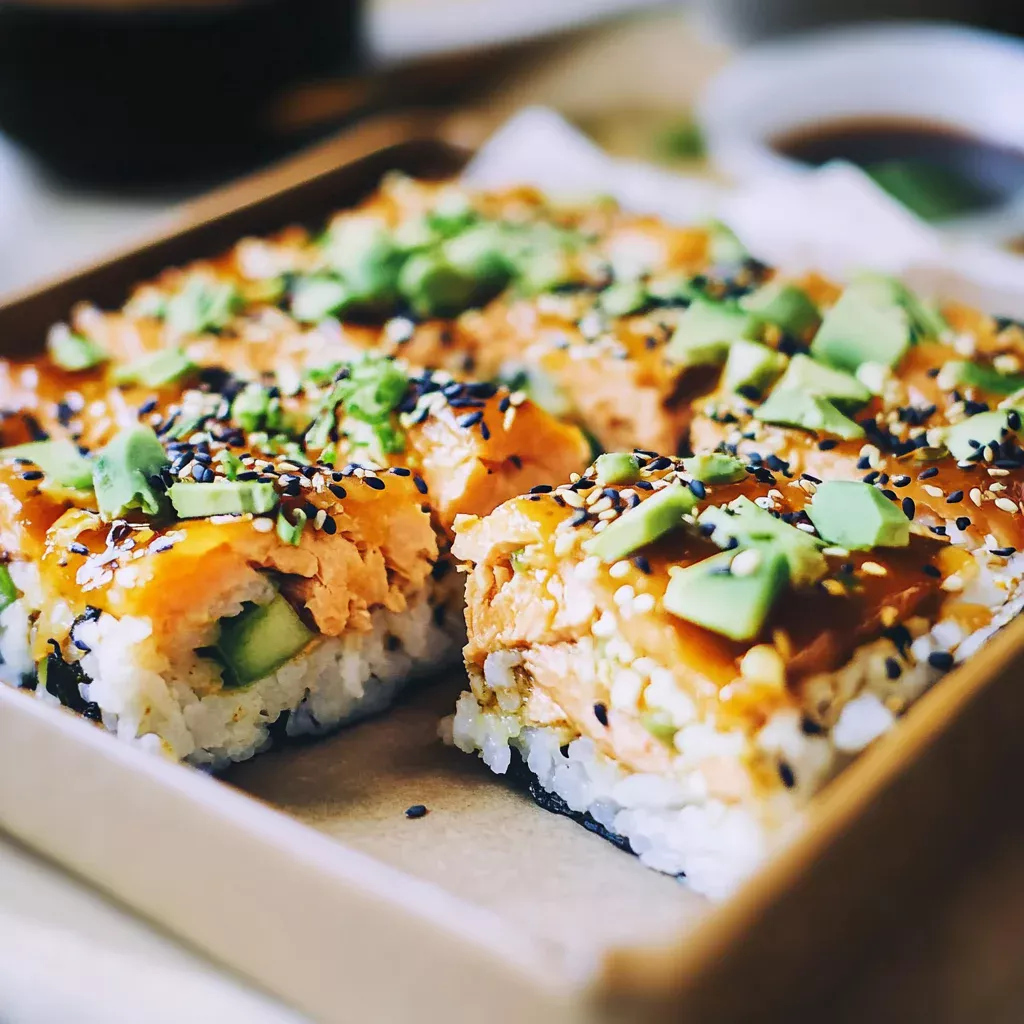
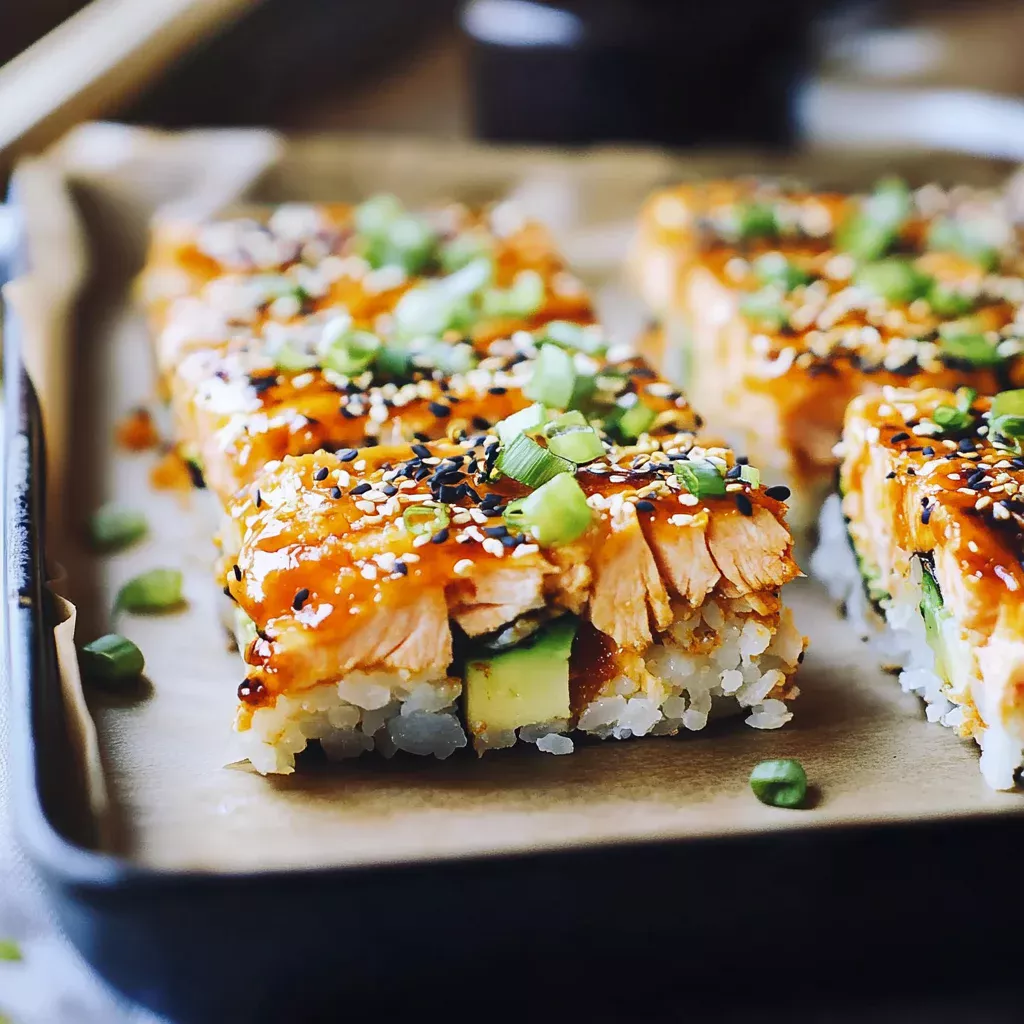
Have you ever craved sushi but felt too pressed for time to roll those delicate pieces? Enter the Spicy Salmon Sushi Bake, a delightful twist on traditional sushi that’s perfect for busy days. Imagine all the flavors of your favorite sushi roll, but in a warm, comforting bake. It’s like a cozy blanket for your taste buds! This dish is not only a time-saver but also a crowd-pleaser, sure to impress your loved ones. Whether you’re a sushi aficionado or a newbie, this recipe is your ticket to a deliciously easy meal.

Why You’ll Love This Spicy Salmon Sushi Bake

This Spicy Salmon Sushi Bake is a game-changer for those hectic weeknights. It’s quick to prepare, bursting with flavor, and requires minimal cleanup—what’s not to love? The combination of spicy salmon, creamy avocado, and savory sushi rice creates a symphony of taste that dances on your palate. Plus, it’s versatile enough to please even the pickiest eaters in your family. Trust me, you’ll be hooked!

Ingredients for Spicy Salmon Sushi Bake

Creating this Spicy Salmon Sushi Bake is a breeze with a handful of simple ingredients. Let’s dive into what you’ll need:

  • Sushi Rice: The foundation of our dish, providing that classic sticky texture. You can find it in most grocery stores.
  • Water: Essential for cooking the rice to perfection.
  • Rice Vinegar: Adds a tangy kick to the rice, balancing the flavors beautifully.
  • Sugar and Salt: These pantry staples enhance the rice’s flavor, making it irresistible.
  • Salmon Fillet: The star of the show, offering a rich, buttery taste. Opt for fresh, skinless fillets for best results.
  • Mayonnaise: Provides creaminess to the spicy salmon mixture. Feel free to use a light version if you prefer.
  • Sriracha Sauce: Brings the heat! Adjust the amount to suit your spice tolerance.
  • Sesame Oil: Infuses a nutty aroma, elevating the dish’s overall flavor profile.
  • Avocado: Adds a creamy, buttery texture on top. Choose ripe avocados for the best taste.
  • Green Onions: These add a fresh, crisp bite and a pop of color.
  • Nori Strips: For that authentic sushi experience, providing a subtle seaweed flavor.
  • Soy Sauce: A classic accompaniment for serving, enhancing the umami notes.

Exact quantities for each ingredient are listed at the bottom of the article, ready for printing. Feel free to experiment with substitutions, like using cooked shrimp or crab instead of salmon, to suit your taste preferences!

How to Make Spicy Salmon Sushi Bake

Preparing the Sushi Rice

Start by rinsing the sushi rice under cold water. This step is crucial to remove excess starch, ensuring the rice doesn’t turn gummy. Once the water runs clear, combine the rice and water in a rice cooker or pot. If using a pot, bring it to a boil, then reduce the heat to low. Cover and let it simmer for about 20 minutes. While the rice cooks, mix rice vinegar, sugar, and salt in a small bowl until dissolved. Once the rice is ready, transfer it to a large bowl and gently fold in the vinegar mixture. Let it cool slightly before moving on.

Baking the Salmon

Preheat your oven to 375°F (190°C). Place the salmon fillet in a baking dish, ensuring it’s skinless for easy flaking later. Bake for 15-20 minutes, or until the salmon is cooked through and flakes easily with a fork. Once done, remove it from the oven and let it cool slightly. This step is where the magic begins, as the salmon’s rich, buttery flavor develops beautifully in the oven.

Mixing the Spicy Salmon

In a separate bowl, combine the flaked salmon with mayonnaise, sriracha sauce, and sesame oil. This mixture is where the spicy magic happens! Adjust the sriracha to your liking—more for a fiery kick, less for a milder taste. The sesame oil adds a nutty aroma that complements the salmon perfectly. Mix until everything is well combined, creating a creamy, spicy salmon mixture that’s ready to layer.

Assembling the Sushi Bake

In a large baking dish, spread the prepared sushi rice evenly across the bottom. This forms the base of your sushi bake, providing that classic sticky texture. Next, layer the spicy salmon mixture on top of the rice, spreading it evenly. This step is where the flavors start to meld together, creating a harmonious blend of spicy, savory, and umami notes.

Final Baking and Serving

Place the assembled dish back into the preheated oven. Bake for 10-15 minutes, just until everything is heated through and the top is slightly crispy. Once done, remove from the oven and top with sliced avocado and chopped green onions. These add a fresh, creamy contrast to the spicy bake. Serve with nori strips and soy sauce on the side for that authentic sushi experience. Enjoy your homemade Spicy Salmon Sushi Bake!

Tips for Success

  • Rinse the sushi rice thoroughly to avoid a gummy texture.
  • Use fresh salmon for the best flavor and texture.
  • Adjust the sriracha to suit your spice preference.
  • Let the rice cool slightly before assembling to prevent sogginess.
  • For a crispy top, broil the bake for the last 2 minutes.
  • Serve immediately for the freshest taste and texture.

Equipment Needed

  • Rice Cooker or Pot: Essential for cooking the sushi rice. A pot works just as well if you don’t have a rice cooker.
  • Baking Dish: Use a medium-sized dish for even baking.
  • Mixing Bowls: Handy for combining ingredients.
  • Fork: Perfect for flaking the salmon.
  • Oven: Preheat to 375°F for baking the salmon and final dish.

Variations

  • Seafood Swap: Substitute the salmon with cooked shrimp or crab for a different seafood twist.
  • Vegetarian Option: Replace the salmon with roasted vegetables like bell peppers and zucchini for a veggie-friendly version.
  • Spice Level: Adjust the sriracha to your liking, or try adding a dash of wasabi for an extra kick.
  • Low-Carb: Use cauliflower rice instead of sushi rice for a lighter, low-carb alternative.
  • Gluten-Free: Ensure all ingredients, especially soy sauce, are certified gluten-free for a safe meal.

Serving Suggestions

  • Side Salad: Pair with a crisp cucumber and seaweed salad for a refreshing contrast.
  • Drink: Enjoy with a chilled glass of sake or a light, citrusy white wine.
  • Presentation: Serve on a wooden board with nori strips and soy sauce in small bowls for an elegant touch.

FAQs about Spicy Salmon Sushi Bake

Can I make this Spicy Salmon Sushi Bake ahead of time?

Absolutely! You can prepare the sushi rice and spicy salmon mixture a day in advance. Store them separately in airtight containers in the fridge. When you’re ready to serve, assemble and bake as directed. This makes it a perfect dish for entertaining or busy weeknights.

What can I use instead of salmon in this sushi bake?

If you’re not a fan of salmon, feel free to swap it with cooked shrimp or crab. Both options offer a delightful seafood twist. For a vegetarian version, roasted vegetables like bell peppers and zucchini work wonderfully.

How do I store leftovers of the Spicy Salmon Sushi Bake?

Leftovers can be stored in an airtight container in the refrigerator for up to three days. To reheat, simply pop it in the oven at 350°F until warmed through. Avoid microwaving, as it can make the rice gummy.

Is this recipe gluten-free?

Yes, this Spicy Salmon Sushi Bake can be gluten-free if you use certified gluten-free soy sauce. Always double-check the labels of your ingredients to ensure they meet your dietary needs.

Can I adjust the spice level in this sushi bake?

Definitely! The beauty of this recipe is its flexibility. You can easily adjust the sriracha to suit your spice preference. For a milder version, use less sriracha, or add more for an extra kick. You can even drizzle some on top before serving for added heat.

Final Thoughts

Creating this Spicy Salmon Sushi Bake is like embarking on a culinary adventure, where each bite tells a story of flavor and comfort. It’s a dish that brings the joy of sushi into the warmth of your home, without the fuss of rolling. Whether you’re sharing it with family or savoring it solo, this recipe is a testament to the magic of simple ingredients coming together in harmony. So, gather your loved ones, set the table, and let this sushi bake be the centerpiece of a meal filled with laughter and love. Happy cooking!

Spicy Salmon Sushi Bake
Paul

Spicy Salmon Sushi Bake: Discover a Flavorful Twist Today!

A delicious and flavorful twist on traditional sushi, this Spicy Salmon Sushi Bake combines sushi rice, baked salmon, and a spicy mayo mixture, topped with avocado and green onions.
Prep Time 15 minutes
Cook Time 45 minutes
Total Time 1 hour
Servings: 4 servings
Course: Main Course
Cuisine: Japanese
Calories: 480

Ingredients
  

  • 2 cups sushi rice
  • 2 1/2 cups water
  • 1/4 cup rice vinegar
  • 2 tablespoons sugar
  • 1 teaspoon salt
  • 1 pound salmon fillet skinless
  • 2 tablespoons mayonnaise
  • 2 tablespoons sriracha sauce
  • 1 teaspoon sesame oil
  • 1 avocado sliced
  • 1/4 cup green onions chopped
  • 1 sheet nori cut into strips
  • Soy sauce for serving

Method
 

  1. Preheat your oven to 375°F (190°C).
  2. Rinse the sushi rice under cold water until the water runs clear. Combine the rinsed rice and water in a rice cooker or pot, and cook according to the rice cooker instructions or bring to a boil, then reduce heat to low, cover, and simmer for 20 minutes.
  3. In a small bowl, mix the rice vinegar, sugar, and salt until dissolved. Once the rice is cooked, transfer it to a large bowl and gently fold in the vinegar mixture. Allow the rice to cool slightly.
  4. While the rice is cooling, prepare the salmon. Place the salmon fillet in a baking dish and bake for 15-20 minutes, or until cooked through. Remove from the oven and let it cool slightly, then flake the salmon with a fork.
  5. In a separate bowl, mix the flaked salmon with mayonnaise, sriracha sauce, and sesame oil until well combined.
  6. In a large baking dish, spread the sushi rice evenly across the bottom. Layer the spicy salmon mixture on top of the rice.
  7. Bake in the preheated oven for 10-15 minutes, until heated through and slightly crispy on top.
  8. Remove from the oven and top with sliced avocado and chopped green onions. Serve with nori strips and soy sauce on the side.

Notes

  • For an extra kick, add more sriracha to the salmon mixture or drizzle it on top before serving.
  • You can also substitute the salmon with cooked shrimp or crab for a different flavor.

Flank Steak Pinwheels with Spinach and Cheese Delight

Introduction to Flank Steak Pinwheels with Spinach and Cheese

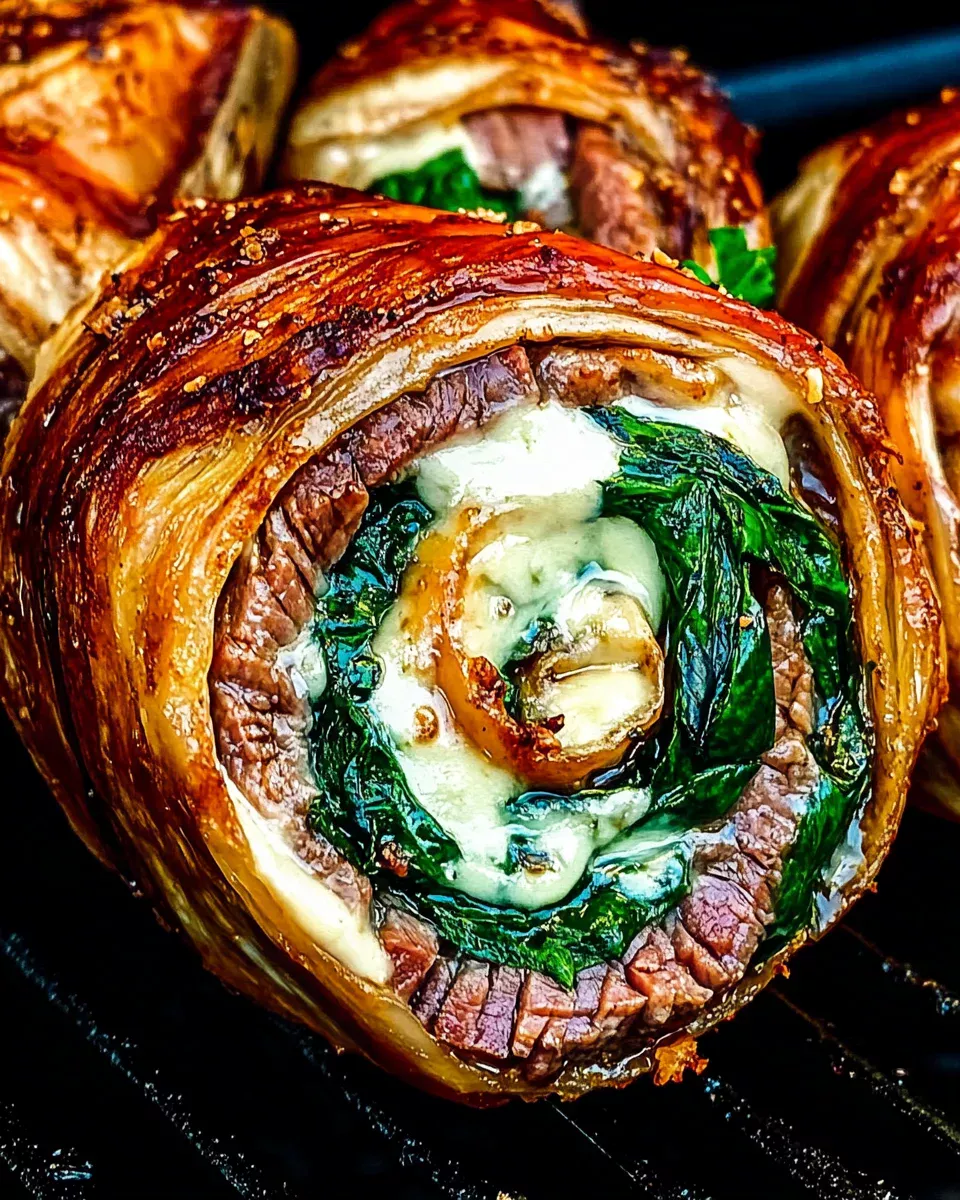
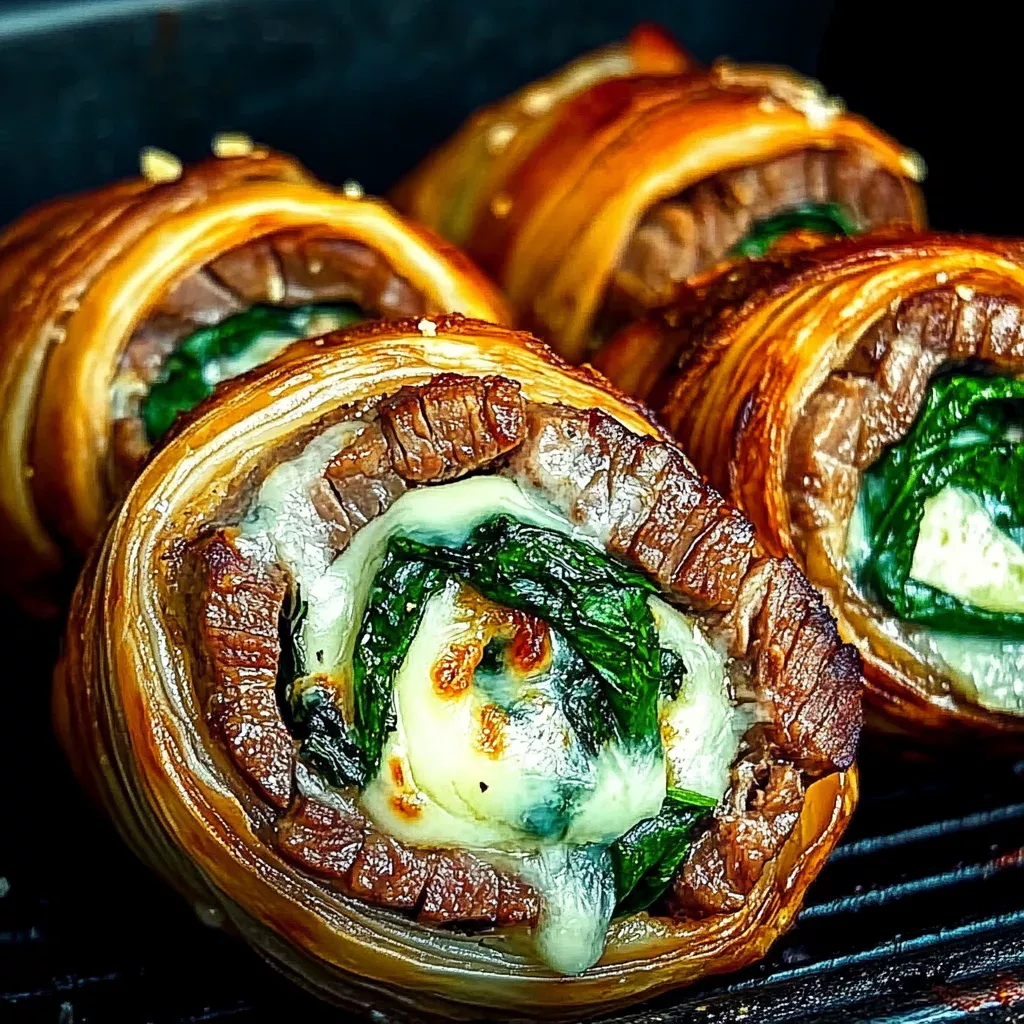
Oh, the joy of discovering a dish that feels like a warm hug after a long day! Flank Steak Pinwheels with Spinach and Cheese is just that—a delightful blend of flavors wrapped in a tender embrace. Imagine coming home to a meal that’s not only quick to prepare but also impressively delicious. Whether you’re a busy mom juggling a million things or a professional seeking a culinary escape, this recipe is your ticket to a satisfying dinner. It’s a savory symphony of spinach, ricotta, and mozzarella, all rolled into one delectable bite. Let’s dive in!

Why You’ll Love This Flank Steak Pinwheels with Spinach and Cheese

Picture this: a dish that’s as easy as pie, yet tastes like a gourmet masterpiece. These Flank Steak Pinwheels with Spinach and Cheese are a breeze to whip up, making them perfect for those hectic weeknights. The combination of tender steak and creamy cheese is a match made in culinary heaven. Plus, it’s a low-carb delight that doesn’t skimp on flavor. What’s not to love?

Ingredients for Flank Steak Pinwheels with Spinach and Cheese

Let’s talk ingredients! At the heart of this dish is the flank steak, a lean cut that’s perfect for rolling. Fresh spinach adds a pop of color and nutrients, while ricotta cheese brings a creamy texture. Shredded mozzarella melts beautifully, creating that gooey goodness we all crave. Minced garlic infuses the filling with aromatic depth, and a sprinkle of salt and pepper enhances every bite. Italian seasoning ties it all together with a hint of Mediterranean flair. Olive oil is your go-to for searing, and a splash of balsamic vinegar adds a tangy finish. Don’t forget toothpicks or kitchen twine to keep everything snug. For exact measurements, scroll to the bottom of the article where you can print the full recipe.

How to Make Flank Steak Pinwheels with Spinach and Cheese

Preparing the Flank Steak

First things first, let’s get that flank steak ready. Place it between two pieces of plastic wrap. This keeps things tidy and makes pounding easier. Grab a meat mallet or rolling pin and gently pound the steak to an even thickness of about ½ inch. This step ensures even cooking and makes rolling a breeze. Once pounded, set it aside and get ready for the next step.

Mixing the Filling

Now, onto the filling! In a mixing bowl, combine chopped spinach, ricotta cheese, and shredded mozzarella. Add minced garlic for that aromatic punch. Season with salt, pepper, and Italian seasoning. Mix everything well until it’s a harmonious blend of flavors. This filling is the heart of your pinwheels, so make sure it’s well combined and ready to spread.

Assembling the Pinwheels

Time to roll up our sleeves and assemble these beauties. Spread the cheese and spinach mixture evenly over the pounded flank steak. Leave a small border around the edges to prevent overflow. Starting from one end, carefully roll the steak into a tight log. Secure the ends with toothpicks or tie with kitchen twine. This step is crucial to keep everything snug and in place during cooking.

Cooking the Pinwheels

Heat olive oil in a large oven-safe skillet over medium-high heat. Once hot, sear the rolled steak for about 3-4 minutes on each side until browned. This searing locks in the flavors and gives a lovely crust. Drizzle balsamic vinegar over the top for a tangy touch. Transfer the skillet to a preheated oven at 375°F. Bake for 20-25 minutes, or until the internal temperature hits 145°F for medium-rare. Let the pinwheels rest for 5-10 minutes before slicing into 1-inch pieces. Serve warm and enjoy the deliciousness!

Tips for Success

  • Ensure the flank steak is evenly pounded for consistent cooking.
  • Use fresh spinach for the best flavor and texture.
  • Secure the roll tightly to prevent the filling from spilling out.
  • Let the pinwheels rest before slicing to retain juices.
  • Experiment with different cheeses for a unique twist.

Equipment Needed

  • Meat mallet or rolling pin for pounding the steak
  • Mixing bowl for combining the filling ingredients
  • Large oven-safe skillet for searing and baking
  • Plastic wrap to keep the workspace tidy
  • Toothpicks or kitchen twine to secure the pinwheels

Variations

  • Swap out the spinach for kale or arugula for a different leafy green flavor.
  • Add sun-dried tomatoes to the filling for a burst of tangy sweetness.
  • Try using feta or goat cheese instead of ricotta for a tangier taste.
  • For a spicy kick, include a pinch of red pepper flakes in the filling.
  • Make it dairy-free by using vegan cheese alternatives.
  • Incorporate chopped mushrooms for an earthy, umami twist.
  • Use a gluten-free balsamic glaze for a celiac-friendly option.

Serving Suggestions

  • Pair with a crisp green salad drizzled with lemon vinaigrette for a refreshing contrast.
  • Serve alongside roasted garlic mashed potatoes for a comforting side.
  • Complement with a glass of full-bodied red wine, like Cabernet Sauvignon.
  • Garnish with fresh basil leaves for a pop of color and flavor.
  • Present on a wooden board for a rustic, inviting look.

FAQs about Flank Steak Pinwheels with Spinach and Cheese

Can I prepare the pinwheels ahead of time?

Absolutely! You can assemble the pinwheels a day in advance. Just wrap them tightly in plastic wrap and store in the fridge. When you’re ready to cook, follow the searing and baking steps. This makes it a perfect dish for entertaining or busy weeknights.

What can I use instead of flank steak?

If flank steak isn’t available, skirt steak is a great alternative. It’s equally tender and works well for rolling. Just ensure it’s pounded to an even thickness for best results. Both cuts are ideal for these pinwheels, offering a delicious base for the filling.

How do I know when the steak is cooked to perfection?

Using a meat thermometer is key. Aim for an internal temperature of 145°F for medium-rare. This ensures the steak is juicy and tender. Remember, the steak will continue to cook slightly as it rests, so don’t skip the resting step!

Can I freeze the pinwheels?

Yes, you can freeze them! After assembling, wrap the pinwheels tightly in plastic wrap and place in a freezer-safe bag. They can be frozen for up to 3 months. Thaw in the fridge overnight before cooking as directed. This is a great way to have a ready-to-cook meal on hand.

What if I don’t have an oven-safe skillet?

No worries! You can sear the pinwheels in a regular skillet, then transfer them to a baking dish for the oven. Just make sure to preheat the dish in the oven for a few minutes before adding the pinwheels. This helps maintain the cooking temperature and ensures even baking.

Final Thoughts

There’s something truly magical about Flank Steak Pinwheels with Spinach and Cheese. It’s a dish that transforms a simple dinner into a memorable experience. The tender steak, wrapped around a creamy, cheesy filling, is like a culinary hug that warms the soul. Whether you’re sharing it with family or savoring it solo, each bite is a celebration of flavors. It’s a reminder that even on the busiest days, a delicious meal is within reach. So, roll up your sleeves, embrace the joy of cooking, and let these pinwheels bring a little extra delight to your table.

Flank Steak Pinwheels with Spinach and Cheese
Paul

Flank Steak Pinwheels with Spinach and Cheese Delight

Flank Steak Pinwheels with Spinach and Cheese is a delicious and savory dish featuring tender flank steak rolled with a flavorful mixture of spinach, ricotta, and mozzarella cheese, seasoned with garlic and Italian herbs.
Prep Time 20 minutes
Cook Time 30 minutes
Total Time 50 minutes
Servings: 4 servings
Course: Main Course
Cuisine: American
Calories: 350

Ingredients
  

  • 1 ½ pounds flank steak
  • 1 cup fresh spinach chopped
  • 1 cup ricotta cheese
  • 1 cup shredded mozzarella cheese
  • 2 cloves garlic minced
  • 1 teaspoon salt
  • ½ teaspoon black pepper
  • 1 teaspoon Italian seasoning
  • 2 tablespoons olive oil
  • 1 tablespoon balsamic vinegar
  • Toothpicks or kitchen twine for securing

Method
 

  1. Preheat your oven to 375°F (190°C).
  2. Place the flank steak between two pieces of plastic wrap and pound it to an even thickness of about ½ inch using a meat mallet or rolling pin.
  3. In a mixing bowl, combine the chopped spinach, ricotta cheese, mozzarella cheese, minced garlic, salt, pepper, and Italian seasoning. Mix well until all ingredients are evenly combined.
  4. Spread the cheese and spinach mixture evenly over the pounded flank steak, leaving a small border around the edges.
  5. Starting from one end, carefully roll the flank steak tightly into a log shape. Secure the ends with toothpicks or tie with kitchen twine.
  6. Heat olive oil in a large oven-safe skillet over medium-high heat. Once hot, sear the rolled flank steak for about 3-4 minutes on each side until browned.
  7. Drizzle balsamic vinegar over the top of the steak, then transfer the skillet to the preheated oven. Bake for 20-25 minutes, or until the internal temperature reaches 145°F (medium-rare).
  8. Remove from the oven and let the pinwheels rest for 5-10 minutes before slicing into 1-inch thick pieces. Serve warm.

Notes

  • For added flavor, consider marinating the flank steak in your favorite marinade for a few hours before preparing.
  • You can substitute the spinach with kale or arugula for a different taste, or add sun-dried tomatoes for an extra burst of flavor.

Honeycomb Cheesecake is a delightful dessert to try!

Introduction to Honeycomb Cheesecake Recipe

Honeycomb Cheesecake Recipe is a delightful treat that combines the rich flavors of cheesecake with the sweet, airy texture of honeycomb candy. This dessert is perfect for any occasion, whether it’s a birthday party, a family gathering, or just a cozy night in. With its luscious filling and crunchy topping, it’s sure to impress your guests and satisfy your sweet tooth.

Making a cheesecake might seem daunting, but this recipe breaks it down into simple steps. You’ll find that the process is not only easy but also enjoyable. The combination of cream cheese, whipped cream, and honeycomb creates a light and fluffy texture that melts in your mouth. Plus, the graham cracker crust adds a delicious crunch that perfectly complements the creamy filling.

Honeycomb Cheesecake Recipe approachable and rewarding. So, let’s dive in and discover how to create this sweet masterpiece!

Ingredients for Honeycomb Cheesecake Recipe

Honeycomb Cheesecake Recipe, you’ll need a few key ingredients that come together to form a delicious dessert. Here’s what you’ll need:

  • 1 ½ cups graham cracker crumbs
  • ½ cup unsalted butter, melted
  • 2 tablespoons granulated sugar
  • 16 ounces cream cheese, softened
  • 1 cup powdered sugar
  • 1 teaspoon vanilla extract
  • 1 cup heavy whipping cream
  • 1 cup honeycomb candy, chopped (plus extra for topping)
  • 1 tablespoon lemon juice

These ingredients are easy to find at your local grocery store. The graham cracker crumbs form a crunchy base, while the cream cheese and heavy cream create a rich and creamy filling. The honeycomb candy adds a unique sweetness and texture that makes this cheesecake stand out.

Honeycomb Cheesecake Recipe so special!

Step-by-Step Preparation of Honeycomb Cheesecake Recipe

Honeycomb Cheesecake Recipe. Follow these simple steps to create a delicious cheesecake that will wow your friends and family!

Step 1: Preparing the Crust

First, let’s make the crust. In a medium bowl, combine the graham cracker crumbs, melted butter, and granulated sugar. Mix everything together until it resembles wet sand. This mixture will form the base of your cheesecake.

Next, press the crumb mixture firmly into the bottom of a 9-inch springform pan. Make sure it’s even and compact. This step is crucial for a sturdy crust. Once done, bake it in a preheated oven at 325°F for about 10 minutes. After baking, remove it from the oven and let it cool completely.

Step 2: Making the Cheesecake Filling

While the crust cools, let’s prepare the cheesecake filling. In a large mixing bowl, beat the softened cream cheese with an electric mixer. Mix until it’s smooth and creamy, which should take about 2-3 minutes. Gradually add the powdered sugar and vanilla extract, mixing until everything is well combined.

In a separate bowl, whip the heavy cream until stiff peaks form. This means the cream should hold its shape when you lift the whisk. Gently fold the whipped cream into the cream cheese mixture. Be careful not to deflate the whipped cream; you want to keep that light and airy texture!

Step 3: Creating the Honeycomb Topping

Now, it’s time to add the star ingredient: honeycomb candy! Chop the honeycomb into small pieces. Then, fold the chopped honeycomb and lemon juice into the cheesecake filling. This will add a delightful crunch and sweetness to your cheesecake.

Step 4: Assembling the Honeycomb Cheesecake

With the crust cooled and the filling ready, it’s time to assemble your cheesecake. Pour the cheesecake filling over the cooled crust. Use a spatula to smooth the top, ensuring it’s even. This step is important for a beautiful presentation!

Step 5: Baking the Cheesecake

Unlike traditional cheesecakes, this one doesn’t require baking after assembly. Instead, you’ll need to refrigerate it. Cover the springform pan with plastic wrap or aluminum foil. Place it in the refrigerator for at least 4 hours, or overnight if you can wait. This allows the cheesecake to set properly.

Step 6: Cooling and Setting

Honeycomb Cheesecake Recipe.

Variation of Honeycomb Cheesecake Recipe

Honeycomb Cheesecake Recipe is already a delightful treat, there are many ways to customize it to suit your taste. Whether you want to experiment with different flavors or cater to dietary needs, these variations will help you create a cheesecake that’s uniquely yours!

Alternative Flavors and Toppings

One of the best things about cheesecake is its versatility. You can easily switch up the flavors to keep things exciting. Here are some ideas:

  • Chocolate Honeycomb Cheesecake: For a rich twist, add ¼ cup of cocoa powder to the cream cheese mixture. This will give your cheesecake a delicious chocolate flavor that pairs wonderfully with the honeycomb.
  • Berry Bliss Cheesecake: Fold in 1 cup of fresh berries, such as strawberries or blueberries, into the filling. This adds a fruity freshness that balances the sweetness of the honeycomb.
  • Caramel Drizzle: Drizzle caramel sauce over the top before serving. This adds a sweet, gooey layer that complements the crunchy honeycomb perfectly.
  • Nutty Crunch: Mix in some chopped nuts, like pecans or almonds, for an extra crunch. You can also sprinkle them on top for a beautiful presentation.

Honeycomb Cheesecake Recipe is a blank canvas waiting for your personal touch.

Gluten-Free Options

If you or your guests are following a gluten-free diet, you can still enjoy this delicious cheesecake. Here’s how to make it gluten-free:

  • Gluten-Free Crust: Substitute regular graham cracker crumbs with gluten-free graham cracker crumbs or crushed gluten-free cookies. This will ensure your crust is safe for those avoiding gluten.
  • Check Ingredients: Always check that your cream cheese, powdered sugar, and other ingredients are labeled gluten-free. Most of these items are naturally gluten-free, but it’s good to double-check.

Honeycomb Cheesecake Recipe without worry!

Cooking Note for Honeycomb Cheesecake Recipe

Honeycomb Cheesecake Recipe, a few cooking notes can help ensure your dessert turns out just right. Here are some tips to keep in mind as you prepare this delightful treat:

  • Room Temperature Ingredients: Make sure your cream cheese is at room temperature before mixing. This helps it blend smoothly without lumps. If it’s too cold, it can be difficult to achieve that creamy texture.
  • Whipping Cream: When whipping the heavy cream, be careful not to over-whip it. You want stiff peaks, but if you whip too long, it can turn into butter. Keep an eye on it as you whip!
  • Chilling Time: Patience is key! Allowing the cheesecake to chill for at least 4 hours, or overnight, is crucial for it to set properly. This step ensures that the filling firms up and holds its shape when sliced.
  • Springform Pan: Using a springform pan makes it easier to remove the cheesecake without damaging it. If you don’t have one, you can use a regular pie dish, but be careful when serving.
  • Serving Temperature: For the best flavor and texture, serve the cheesecake slightly chilled. This enhances the creamy filling and makes the honeycomb topping even more enjoyable.

Honeycomb Cheesecake Recipe that will impress everyone at your gathering. Happy baking!

Serving Suggestions for Honeycomb Cheesecake Recipe

Honeycomb Cheesecake Recipe is ready, it’s time to think about how to serve it! Presentation can elevate your dessert and make it even more appealing. Here are some delightful serving suggestions to consider:

  • Chilled Slices: Serve the cheesecake slices chilled for the best flavor. Place them on a decorative plate and garnish with a sprig of mint for a fresh touch.
  • Honey Drizzle: Drizzle a little honey over each slice before serving. This adds an extra layer of sweetness and enhances the honeycomb flavor.
  • Fresh Berries: Pair your cheesecake with a side of fresh berries, such as strawberries, raspberries, or blueberries. The tartness of the berries complements the sweetness of the cheesecake beautifully.
  • Whipped Cream: Add a dollop of freshly whipped cream on top of each slice. This adds a light and airy texture that balances the richness of the cheesecake.
  • Chocolate Shavings: For a touch of elegance, sprinkle some chocolate shavings on top. This adds a nice visual contrast and a hint of chocolate flavor.
  • Mini Cheesecakes: For a fun twist, consider making mini cheesecakes in cupcake liners. This makes for easy serving and is perfect for parties!

Honeycomb Cheesecake Recipe but also create a delightful experience for your guests. Enjoy the smiles and compliments as they savor each bite!

Tips for Perfecting Your Honeycomb Cheesecake Recipe

Honeycomb Cheesecake Recipe is all about attention to detail and a few helpful tips. Whether you’re a novice baker or a seasoned pro, these suggestions will help you achieve a cheesecake that’s not only delicious but also visually stunning. Let’s explore some essential tips to elevate your cheesecake game!

  • Use Quality Ingredients: The flavor of your cheesecake largely depends on the quality of your ingredients. Opt for high-quality cream cheese and fresh honeycomb candy. This will enhance the overall taste and texture of your cheesecake.
  • Don’t Rush the Mixing: When mixing your cream cheese and sugar, take your time. Beat until the mixture is completely smooth. This step is crucial for avoiding lumps in your cheesecake filling.
  • Fold Gently: When incorporating the whipped cream and honeycomb into the cream cheese mixture, fold gently. This helps maintain the light and airy texture of the whipped cream, ensuring a fluffy cheesecake.
  • Chill Thoroughly: As mentioned earlier, chilling is key! Allow your cheesecake to set in the refrigerator for at least 4 hours, or overnight if possible. This ensures that it firms up properly and slices beautifully.
  • Check for Doneness: If you’re unsure whether your cheesecake is set, gently shake the pan. The center should be slightly jiggly but not liquid. It will firm up as it cools.
  • Experiment with Toppings: Don’t hesitate to get creative with your toppings! Whether it’s fresh fruit, chocolate drizzle, or extra honeycomb, toppings can add flavor and visual appeal to your cheesecake.
  • Serve at the Right Temperature: For the best taste, serve your cheesecake slightly chilled. This enhances the flavors and makes the texture even more enjoyable.
  • Practice Patience: If you’re making this cheesecake for a special occasion, practice patience. Allowing it to chill and set properly will pay off in the end with a perfect slice!

Honeycomb Cheesecake Recipe. Each step is important, and with a little care, you’ll create a dessert that’s sure to impress everyone at your table. Happy baking!

Breakdown of Time for Honeycomb Cheesecake Recipe

Honeycomb Cheesecake Recipe is essential for planning your baking session. Here’s a detailed breakdown of the time you’ll need to create this delicious dessert.

Prep Time

The prep time for this cheesecake is approximately 30 minutes. This includes gathering your ingredients, preparing the crust, and mixing the cheesecake filling. Here’s a quick overview of what to expect:

  • Gathering ingredients: 5 minutes
  • Preparing the crust: 10 minutes
  • Making the cheesecake filling: 15 minutes

With a little organization, you can have everything ready to go in no time!

Cooking Time

While the cheesecake itself doesn’t require baking, you will need to bake the crust. This takes about 10 minutes. Here’s the breakdown:

  • Baking the crust: 10 minutes

After baking, the cheesecake needs to chill in the refrigerator, which is crucial for it to set properly.

Total Time

Honeycomb Cheesecake Recipe is about 4 hours and 40 minutes. This includes:

  • Prep time: 30 minutes
  • Cooking time (baking the crust): 10 minutes
  • Chilling time: At least 4 hours (or overnight for best results)

So, while the active time is relatively short, the chilling time is essential for achieving that perfect cheesecake texture. Plan ahead, and you’ll be rewarded with a delightful dessert that’s worth the wait!

Nutritional Information for Honeycomb Cheesecake Recipe

Honeycomb Cheesecake Recipe is important, especially if you’re mindful of your diet. This delicious dessert is not only a treat for your taste buds but also provides some nutritional value. Here’s a breakdown of the key nutritional components per serving:

Calories

Each slice of this delightful cheesecake contains approximately 350 calories. This calorie count includes the rich ingredients like cream cheese and heavy whipping cream, which contribute to its creamy texture. While it’s a bit indulgent, it’s perfect for special occasions or when you want to treat yourself!

Protein

In terms of protein, each serving offers about 5 grams. The cream cheese and heavy cream are the main sources of protein in this cheesecake. While it’s not a high-protein dessert, it does provide a small amount that can be part of a balanced diet.

Sodium

The sodium content in each slice is approximately 200 milligrams. This amount comes from the cream cheese and butter used in the recipe. If you’re watching your sodium intake, it’s good to be aware of this number. However, for most people, enjoying this cheesecake in moderation is perfectly fine.

Honeycomb Cheesecake Recipe is a delicious dessert that can fit into a balanced diet when enjoyed in moderation. Remember, it’s all about balance and treating yourself occasionally. Enjoy every bite of this creamy, crunchy delight!

FAQs about Honeycomb Cheesecake Recipe

Can I use store-bought honeycomb for the recipe?

Honeycomb Cheesecake Recipe so special. If you can’t find honeycomb, you can also use honeycomb-flavored candies or even toffee as a substitute.

How do I store leftover honeycomb cheesecake?

Honeycomb Cheesecake Recipe is easy! First, cover the cheesecake with plastic wrap or aluminum foil to keep it fresh. You can also place it in an airtight container. Store it in the refrigerator, where it will stay good for about 3 to 5 days. If you want to keep it longer, consider freezing individual slices. Just wrap them tightly in plastic wrap and place them in a freezer-safe container. When you’re ready to enjoy, simply thaw in the refrigerator overnight.

Can I make honeycomb cheesecake in advance?

Honeycomb Cheesecake Recipe in advance is a great idea! In fact, it’s recommended to let it chill overnight for the best results. This allows the flavors to meld and the cheesecake to set properly. You can prepare it a day or two ahead of your event, making it a convenient dessert option. Just remember to store it properly in the refrigerator until you’re ready to serve!

What can I substitute for cream cheese in the recipe?

Honeycomb Cheesecake Recipe, there are a few options. You can use mascarpone cheese for a similar creamy texture. Another option is to use Greek yogurt, which will give a tangy flavor and a lighter texture. If you prefer a dairy-free option, consider using a vegan cream cheese alternative made from nuts or soy. Just keep in mind that the flavor and texture may vary slightly, but it can still be delicious!

FAQs about Honeycomb Cheesecake Recipe

Can I use store-bought honeycomb for the recipe?

Honeycomb Cheesecake Recipe so special. If you can’t find honeycomb, you can also use honeycomb-flavored candies or even toffee as a substitute.

How do I store leftover honeycomb cheesecake?

Honeycomb Cheesecake Recipe is easy! First, cover the cheesecake with plastic wrap or aluminum foil to keep it fresh. You can also place it in an airtight container. Store it in the refrigerator, where it will stay good for about 3 to 5 days. If you want to keep it longer, consider freezing individual slices. Just wrap them tightly in plastic wrap and place them in a freezer-safe container. When you’re ready to enjoy, simply thaw in the refrigerator overnight.

Can I make honeycomb cheesecake in advance?

Honeycomb Cheesecake Recipe in advance is a great idea! In fact, it’s recommended to let it chill overnight for the best results. This allows the flavors to meld and the cheesecake to set properly. You can prepare it a day or two ahead of your event, making it a convenient dessert option. Just remember to store it properly in the refrigerator until you’re ready to serve!

What can I substitute for cream cheese in the recipe?

Honeycomb Cheesecake Recipe, there are a few options. You can use mascarpone cheese for a similar creamy texture. Another option is to use Greek yogurt, which will give a tangy flavor and a lighter texture. If you prefer a dairy-free option, consider using a vegan cream cheese alternative made from nuts or soy. Just keep in mind that the flavor and texture may vary slightly, but it can still be delicious!

Conclusion on Honeycomb Cheesecake Recipe

Honeycomb Cheesecake Recipe is a delightful dessert that brings together the best of both worlds: creamy cheesecake and crunchy honeycomb. This recipe is not only easy to follow but also allows for creativity and personalization. Whether you choose to stick with the classic version or experiment with different flavors and toppings, you’re sure to create a dessert that will impress everyone.

As you prepare this cheesecake, remember the importance of quality ingredients and patience. Allowing the cheesecake to chill properly is key to achieving that perfect texture. With each slice, you’ll experience the rich creaminess of the filling paired with the sweet crunch of honeycomb, making every bite a true delight.

Honeycomb Cheesecake Recipe. It’s perfect for celebrations, gatherings, or simply as a treat for yourself. We hope you enjoy every moment spent baking and savoring this delicious dessert. Happy baking!

Pesto Bruschetta Chicken is a must-try dinner recipe!

Introduction to Pesto Bruschetta Chicken Recipe

Pesto Bruschetta Chicken Recipe. This dish combines juicy chicken breasts with fresh, vibrant flavors that will make your taste buds dance. It’s perfect for a weeknight meal or a special occasion. With just a few simple ingredients, you can create a dish that looks and tastes gourmet.

What Makes Pesto Bruschetta Chicken Special?

What sets this recipe apart is its delightful combination of flavors and textures. The tender chicken serves as a perfect canvas for the bright, zesty pesto and the juicy cherry tomatoes. The fresh basil adds an aromatic touch, while the melted mozzarella cheese brings everything together in a creamy, comforting way. Plus, the optional drizzle of balsamic glaze adds a sweet and tangy finish that elevates the dish even further.

This recipe is not only tasty but also versatile. You can easily customize it to suit your preferences. Whether you want to add more veggies or switch up the protein, the possibilities are endless. It’s a great way to impress your family or guests without spending hours in the kitchen. So, let’s dive into the ingredients and get started on this mouthwatering meal!

Ingredients for Pesto Bruschetta Chicken Recipe

Pesto Bruschetta Chicken Recipe, you will need a few fresh ingredients. Each component plays a vital role in building the flavors of this dish. Here’s what you’ll need:

  • 2 boneless, skinless chicken breasts (about 1 pound)
  • 1 cup cherry tomatoes, halved
  • 1/2 cup fresh basil leaves, chopped
  • 1/4 cup pesto sauce
  • 1 cup mozzarella cheese, shredded
  • 2 tablespoons olive oil
  • 1 teaspoon garlic powder
  • Salt and pepper to taste
  • 1/4 teaspoon red pepper flakes (optional)
  • Balsamic glaze for drizzling (optional)

These ingredients are not only easy to find but also packed with flavor. The chicken provides a hearty base, while the cherry tomatoes and basil add freshness. The pesto sauce brings a rich, herby taste, and the mozzarella cheese melts beautifully, creating a creamy topping. If you enjoy a little heat, the red pepper flakes are a great addition. Finally, a drizzle of balsamic glaze can enhance the dish with a sweet and tangy kick.

Now that you have your ingredients ready, let’s move on to the step-by-step preparation of this delicious meal!

Step-by-Step Preparation of Pesto Bruschetta Chicken Recipe

Pesto Bruschetta Chicken Recipe. This process is straightforward and will guide you to create a delicious meal that everyone will love. Let’s get started!

Step 1: Preparing the Chicken

First, preheat your oven to 375°F (190°C). This ensures that your chicken will cook evenly. While the oven heats up, take your boneless, skinless chicken breasts and place them on a clean cutting board. Pat them dry with a paper towel. This step helps the seasoning stick better.

Next, in a small bowl, mix together 2 tablespoons of olive oil, 1 teaspoon of garlic powder, salt, and pepper to taste. If you like a little spice, add 1/4 teaspoon of red pepper flakes. Rub this mixture all over the chicken breasts, making sure they are well coated. This will infuse the chicken with flavor as it cooks.

Step 2: Making the Pesto

If you’re using store-bought pesto, you can skip this step. However, if you want to make your own, it’s quite simple! In a food processor, combine 1 cup of fresh basil leaves, 1/4 cup of olive oil, 1/4 cup of grated Parmesan cheese, 1/4 cup of pine nuts, and a pinch of salt. Blend until smooth. This homemade pesto will add a fresh taste to your dish.

Step 3: Assembling the Bruschetta Topping

While the chicken is baking, it’s time to prepare the bruschetta topping. In a medium bowl, combine 1 cup of halved cherry tomatoes and the chopped basil leaves. Pour in the pesto sauce and mix everything together until the tomatoes are well coated. This mixture will add a burst of flavor to your chicken.

Step 4: Cooking the Chicken

After you’ve seasoned the chicken, place the breasts in a baking dish. Bake them in the preheated oven for 20 minutes. This initial cooking time helps the chicken become tender. After 20 minutes, take the chicken out of the oven. Spoon the tomato-basil-pesto mixture evenly over each chicken breast. Then, sprinkle 1 cup of shredded mozzarella cheese on top.

Step 5: Final Assembly and Serving

Return the baking dish to the oven and bake for an additional 10-15 minutes. You’ll know the chicken is done when it reaches an internal temperature of 165°F (75°C) and the cheese is melted and bubbly. Once cooked, remove the dish from the oven and let it rest for 5 minutes. This resting time allows the juices to redistribute, making the chicken even juicier.

Pesto Bruschetta Chicken Recipe is ready to be enjoyed!

Variations of Pesto Bruschetta Chicken Recipe

Pesto Bruschetta Chicken Recipe is not only delicious but also highly adaptable. You can easily modify it to suit different dietary preferences or to simply mix things up. Here are some exciting variations to consider!

Vegetarian Options

If you want to enjoy the flavors of this dish without the chicken, there are plenty of vegetarian options. One great alternative is to use portobello mushrooms. These meaty mushrooms can be grilled or baked and topped with the same pesto, tomato, and mozzarella mixture. They provide a hearty texture that mimics chicken.

Another option is to use zucchini or eggplant slices. Simply slice them into thick rounds, season, and bake until tender. Then, add the bruschetta topping and cheese as you would with the chicken. This way, you can enjoy a flavorful, plant-based meal that everyone will love!

Alternative Proteins

For those who prefer different proteins, there are several tasty alternatives to chicken. Turkey breasts are a lean option that works well with the same seasonings and toppings. Just adjust the cooking time as turkey may take a bit longer to cook through.

Fish lovers can try this recipe with salmon or tilapia. The light, flaky texture of these fish pairs beautifully with the pesto and tomatoes. Just be sure to adjust the cooking time, as fish cooks much faster than chicken. You’ll end up with a delightful dish that’s both healthy and satisfying!

Pesto Bruschetta Chicken Recipe in many different ways. Whether you’re cooking for vegetarians or simply want to try something new, these options will keep your meals exciting and flavorful!

Cooking Note for Pesto Bruschetta Chicken Recipe

Pesto Bruschetta Chicken Recipe, there are a few important cooking notes to keep in mind. These tips will help ensure that your dish turns out perfectly every time.

First, always check the freshness of your ingredients. Fresh basil, ripe cherry tomatoes, and high-quality pesto will significantly enhance the flavor of your dish. If possible, use homemade pesto for a fresher taste. It’s easy to make and can be stored for later use.

Next, be mindful of the chicken’s thickness. If your chicken breasts are particularly thick, consider pounding them to an even thickness. This helps them cook evenly and prevents the outside from drying out while the inside remains undercooked. A meat mallet or rolling pin works well for this task.

Additionally, using a meat thermometer is a great way to ensure your chicken is cooked to perfection. The internal temperature should reach 165°F (75°C) for safe consumption. This tool takes the guesswork out of cooking and helps you avoid overcooking, which can lead to dry chicken.

Lastly, let the chicken rest after baking. This step is crucial as it allows the juices to redistribute throughout the meat. If you cut into the chicken too soon, the juices will run out, leaving you with a drier piece of meat. A resting time of about 5 minutes is ideal.

Pesto Bruschetta Chicken Recipe that will impress your family and friends. Happy cooking!

Serving Suggestions for Pesto Bruschetta Chicken Recipe

Pesto Bruschetta Chicken Recipe is ready, it’s time to think about how to serve it. This dish is not only flavorful but also visually appealing, making it perfect for any dining occasion. Here are some delightful serving suggestions to enhance your meal experience:

  • Pair with a Fresh Salad: A light, crisp salad complements the rich flavors of the chicken. Consider a simple arugula salad with lemon vinaigrette or a classic Caesar salad. The freshness of the greens balances the hearty chicken beautifully.
  • Serve with Garlic Bread: Garlic bread is a fantastic side that adds a crunchy texture. You can easily make it by spreading butter and minced garlic on slices of baguette, then toasting them in the oven.
  • Accompany with Roasted Vegetables: Roasted vegetables like zucchini, bell peppers, or asparagus add color and nutrition to your plate. Toss them in olive oil, salt, and pepper, then roast until tender.
  • Include a Grain: For a more filling meal, serve the chicken with a side of quinoa, rice, or couscous. These grains soak up the delicious juices from the chicken and pesto, making every bite satisfying.
  • Garnish with Extra Basil: For a pop of color and flavor, sprinkle some fresh basil leaves on top of the chicken before serving. This not only enhances the presentation but also adds a fresh aroma.

Pesto Bruschetta Chicken Recipe and create a well-rounded meal. Whether it’s a family dinner or a gathering with friends, your dish will surely impress everyone at the table!

Tips for Perfecting Your Pesto Bruschetta Chicken Recipe

Pesto Bruschetta Chicken Recipe turns out perfectly every time, consider these helpful tips. They will enhance the flavors and presentation of your dish, making it even more enjoyable for you and your guests.

  • Use Fresh Ingredients: Fresh basil, ripe cherry tomatoes, and high-quality mozzarella cheese make a big difference. Fresh ingredients enhance the overall flavor and texture of the dish.
  • Marinate for Extra Flavor: For a deeper flavor, marinate the chicken in the olive oil and garlic mixture for at least 30 minutes before cooking. This allows the flavors to penetrate the meat.
  • Experiment with Cheese: While mozzarella is a classic choice, feel free to experiment with other cheeses. Try using provolone or goat cheese for a unique twist.
  • Adjust the Spice Level: If you enjoy a bit of heat, increase the amount of red pepper flakes. Alternatively, for a milder dish, simply omit them.
  • Serve Immediately: For the best taste and texture, serve the chicken right after it’s done resting. This ensures the cheese is still melty and the chicken is juicy.

Pesto Bruschetta Chicken Recipe that is not only delicious but also visually stunning. Your family and friends will be impressed with your culinary skills!

Breakdown of Time for Pesto Bruschetta Chicken Recipe

Pesto Bruschetta Chicken Recipe can help you plan your cooking efficiently. Here’s a simple breakdown of the time required for preparation and cooking:

Prep Time

The prep time for this recipe is about 15 minutes. This includes gathering your ingredients, seasoning the chicken, and preparing the bruschetta topping. If you choose to make your own pesto, add an extra 5 minutes for that step.

Cooking Time

The cooking time is approximately 30-35 minutes. This consists of 20 minutes for the initial baking of the chicken and an additional 10-15 minutes for the final baking with the toppings. Always check the internal temperature to ensure the chicken is fully cooked.

Total Time

Pesto Bruschetta Chicken Recipe a quick and satisfying meal option for busy weeknights or special occasions.

By keeping track of your time, you can ensure that everything comes together smoothly. Enjoy the process and the delicious results!

Breakdown of Time for Pesto Bruschetta Chicken Recipe

Pesto Bruschetta Chicken Recipe can help you plan your cooking efficiently. Here’s a simple breakdown of the time required for preparation and cooking:

Prep Time

The prep time for this recipe is about 15 minutes. This includes gathering your ingredients, seasoning the chicken, and preparing the bruschetta topping. If you choose to make your own pesto, add an extra 5 minutes for that step. Having everything ready before you start cooking makes the process smoother and more enjoyable.

Cooking Time

The cooking time is approximately 30-35 minutes. This consists of 20 minutes for the initial baking of the chicken and an additional 10-15 minutes for the final baking with the toppings. Always check the internal temperature to ensure the chicken is fully cooked. Using a meat thermometer can help you avoid any guesswork.

Total Time

Pesto Bruschetta Chicken Recipe a quick and satisfying meal option for busy weeknights or special occasions. With this efficient time breakdown, you can easily fit this delicious dish into your schedule.

By keeping track of your time, you can ensure that everything comes together smoothly. Enjoy the process and the delicious results!

Nutritional Information for Pesto Bruschetta Chicken Recipe

Pesto Bruschetta Chicken Recipe not only delights your taste buds but also provides valuable nutrients. Here’s a breakdown of the nutritional information per serving:

Calories

Pesto Bruschetta Chicken Recipe contains approximately 450 calories. This makes it a satisfying option for dinner without being overly heavy. The combination of chicken, cheese, and fresh toppings ensures you get a fulfilling meal that keeps you energized.

Protein

One of the standout features of this dish is its high protein content. Each serving provides about 40 grams of protein. This is great for muscle repair and growth, making it an excellent choice for those who are active or looking to maintain a healthy lifestyle. The chicken and mozzarella cheese contribute significantly to this protein boost.

Sodium

Pesto Bruschetta Chicken Recipe is around 800 milligrams per serving. While this is a moderate amount, it’s important to be mindful of your overall sodium intake, especially if you are watching your salt consumption. You can reduce sodium by using low-sodium pesto or limiting added salt during preparation.

Pesto Bruschetta Chicken Recipe while staying aligned with your dietary goals. This dish is not only delicious but also a nutritious option for any meal!

FAQs about Pesto Bruschetta Chicken Recipe

Can I make the pesto ahead of time?

Pesto Bruschetta Chicken Recipe.

What can I serve with Pesto Bruschetta Chicken?

Pesto Bruschetta Chicken Recipe. A fresh salad is always a great choice. You can also pair it with garlic bread for a crunchy side. Roasted vegetables like zucchini or asparagus add color and nutrition to your plate. If you want something heartier, consider serving it with quinoa or rice. These sides will complement the flavors of the chicken beautifully!

How do I store leftovers of Pesto Bruschetta Chicken?

Pesto Bruschetta Chicken Recipe, let the chicken cool completely. Then, place it in an airtight container and refrigerate. It will stay fresh for about 3-4 days. When you’re ready to enjoy it again, simply reheat in the oven or microwave until warmed through. This way, you can savor the delicious flavors of your meal even after the first serving!

Conclusion on Pesto Bruschetta Chicken Recipe

Pesto Bruschetta Chicken Recipe is a delightful dish that brings together fresh ingredients and bold flavors. It’s not only easy to prepare but also offers a satisfying meal that can impress family and friends alike. With its juicy chicken, vibrant pesto, and melty mozzarella, this recipe is sure to become a favorite in your household.

Whether you’re cooking for a special occasion or a simple weeknight dinner, this dish is versatile enough to suit any setting. Plus, with the various options for customization, you can easily adapt it to meet different dietary needs or personal preferences. From vegetarian alternatives to different proteins, the possibilities are endless!

Remember to follow the cooking tips and serving suggestions to elevate your meal. By using fresh ingredients and allowing the chicken to rest, you’ll ensure a delicious outcome every time. So, gather your ingredients, roll up your sleeves, and enjoy the process of creating this mouthwatering dish.

Pesto Bruschetta Chicken Recipe. It’s a wonderful way to bring people together around the dinner table, creating not just a meal, but also lasting memories. Happy cooking!

Thai Peanut Sweet Potato Bowl is a must-try dish!

Introduction to the Thai Peanut Sweet Potato Bowl

The Thai Peanut Sweet Potato Bowl is a delightful dish that combines vibrant flavors and nutritious ingredients. This bowl is not just a meal; it’s an experience that brings together the warmth of roasted sweet potatoes, the crunch of fresh vegetables, and the creamy richness of peanut sauce. Whether you’re looking for a quick lunch or a hearty dinner, this bowl is sure to satisfy your cravings.

What Makes the Thai Peanut Sweet Potato Bowl Special?

What sets the Thai Peanut Sweet Potato Bowl apart is its unique blend of textures and flavors. The sweet potatoes provide a natural sweetness, while the chickpeas add protein and heartiness. The colorful vegetables, like shredded carrots and red cabbage, contribute a refreshing crunch. And let’s not forget the star of the show—the peanut sauce! This sauce ties everything together with its creamy, nutty flavor and a hint of spice.

Moreover, this bowl is incredibly versatile. You can easily customize it to suit your taste preferences or dietary needs. Want to add more protein? Toss in some grilled chicken or tofu. Prefer a different base? Swap quinoa for brown rice or cauliflower rice. The possibilities are endless!

Not only is this dish delicious, but it’s also packed with nutrients. Sweet potatoes are rich in vitamins and fiber, while chickpeas provide a good source of plant-based protein. This makes the Thai Peanut Sweet Potato Bowl a wholesome choice for anyone looking to eat healthier without sacrificing flavor.

In the following sections, we will explore the ingredients, preparation steps, and variations of this delightful bowl. Get ready to dive into a world of flavor and nutrition!

Ingredients for the Thai Peanut Sweet Potato Bowl

Creating the Thai Peanut Sweet Potato Bowl is simple and requires fresh, wholesome ingredients. Here’s what you’ll need to whip up this delicious dish:

  • 2 medium sweet potatoes, peeled and diced into 1-inch cubes
  • 1 tablespoon olive oil
  • 1 teaspoon salt
  • 1/2 teaspoon black pepper
  • 1 cup cooked quinoa
  • 1 cup chickpeas, drained and rinsed
  • 1 cup shredded carrots
  • 1 cup red cabbage, thinly sliced
  • 1/4 cup chopped green onions
  • 1/4 cup chopped fresh cilantro

For the peanut sauce, gather the following ingredients:

  • 1/4 cup creamy peanut butter
  • 2 tablespoons soy sauce
  • 1 tablespoon maple syrup
  • 1 tablespoon rice vinegar
  • 1 teaspoon sesame oil
  • 1-2 teaspoons sriracha (adjust to taste)
  • 2-3 tablespoons water (to thin the sauce)

These ingredients come together to create a bowl that is not only visually appealing but also packed with flavor and nutrition. The sweet potatoes and chickpeas provide a hearty base, while the fresh vegetables add a delightful crunch. The peanut sauce is the perfect finishing touch, bringing everything together with its creamy texture and rich taste.

Now that you have your ingredients ready, let’s move on to the preparation steps to create your Thai Peanut Sweet Potato Bowl!

Step-by-Step Preparation of the Thai Peanut Sweet Potato Bowl

Now that you have all your ingredients ready, it’s time to dive into the preparation of your Thai Peanut Sweet Potato Bowl. This step-by-step guide will help you create a delicious and nutritious meal that’s sure to impress!

Step 1: Preparing the Sweet Potatoes

First, let’s focus on the sweet potatoes. Preheat your oven to 400°F. While the oven heats up, peel and dice the sweet potatoes into 1-inch cubes. This size helps them cook evenly and become tender.

Next, place the diced sweet potatoes in a large bowl. Drizzle with 1 tablespoon of olive oil, then sprinkle with 1 teaspoon of salt and 1/2 teaspoon of black pepper. Toss everything together until the sweet potatoes are well coated. This step is crucial as it enhances the flavor and helps achieve that lovely caramelization.

Spread the seasoned sweet potatoes on a baking sheet in a single layer. Roast them in the preheated oven for about 25-30 minutes. Remember to flip them halfway through to ensure even cooking. You’ll know they’re done when they’re tender and slightly golden brown.

Step 2: Making the Thai Peanut Sauce

While the sweet potatoes are roasting, it’s time to whip up the peanut sauce. In a small bowl, combine 1/4 cup of creamy peanut butter, 2 tablespoons of soy sauce, 1 tablespoon of maple syrup, 1 tablespoon of rice vinegar, and 1 teaspoon of sesame oil. This combination creates a rich and flavorful sauce.

For a little kick, add 1-2 teaspoons of sriracha, adjusting to your taste preference. If you like it spicier, feel free to add more! To achieve your desired consistency, gradually mix in 2-3 tablespoons of water, one tablespoon at a time. Whisk until the sauce is smooth and creamy. If you prefer a creamier texture, consider blending the sauce in a food processor.

Step 3: Cooking the Vegetables

With the sweet potatoes roasting and the peanut sauce ready, it’s time to prepare the vegetables. You’ll need 1 cup of shredded carrots and 1 cup of thinly sliced red cabbage. These veggies add color and crunch to your bowl.

Simply wash and chop the vegetables as needed. You can use a box grater for the carrots or buy pre-shredded carrots to save time. For the red cabbage, a sharp knife will do the trick. Once chopped, set them aside until the sweet potatoes are ready.

Step 4: Assembling the Thai Peanut Sweet Potato Bowl

Now comes the fun part—assembling your Thai Peanut Sweet Potato Bowl! Start with a base of 1 cup of cooked quinoa in each bowl. Quinoa is a great source of protein and adds a nutty flavor.

Next, top the quinoa with the roasted sweet potatoes, chickpeas, shredded carrots, and red cabbage. Don’t forget to sprinkle 1/4 cup of chopped green onions and 1/4 cup of chopped fresh cilantro on top for added freshness and flavor.

Finally, drizzle the creamy peanut sauce generously over the assembled bowl. You can serve it immediately or chill it in the refrigerator for a refreshing meal prep option. Enjoy your delicious Thai Peanut Sweet Potato Bowl!

Variations of the Thai Peanut Sweet Potato Bowl

The Thai Peanut Sweet Potato Bowl is a fantastic base for creativity. You can easily modify it to suit your taste or dietary needs. Here are some exciting variations to consider!

Adding Protein Options

If you want to boost the protein content of your Thai Peanut Sweet Potato Bowl, there are plenty of options. Here are a few ideas:

  • Grilled Chicken: Add sliced grilled chicken breast for a lean protein boost. It pairs wonderfully with the peanut sauce.
  • Tofu: For a plant-based option, try adding cubed, pan-fried tofu. It absorbs flavors well and adds a nice texture.
  • Edamame: Toss in some shelled edamame for a pop of color and protein. They’re easy to prepare and delicious!
  • Hard-Boiled Eggs: Sliced hard-boiled eggs can add creaminess and extra protein to your bowl.

Feel free to mix and match these protein options to create a bowl that satisfies your hunger and taste buds!

Alternative Vegetables to Use

While the original recipe calls for shredded carrots and red cabbage, you can switch things up with different vegetables. Here are some tasty alternatives:

  • Spinach: Fresh spinach adds a vibrant green color and is packed with nutrients. Toss it in raw for a fresh crunch.
  • Bell Peppers: Sliced bell peppers add sweetness and crunch. They come in various colors, making your bowl visually appealing.
  • Cucumbers: Thinly sliced cucumbers provide a refreshing crunch. They’re perfect for adding a cool contrast to the warm sweet potatoes.
  • Broccoli: Lightly steamed or roasted broccoli florets can add a nice texture and flavor to your bowl.

Experimenting with different vegetables not only enhances the flavor but also boosts the nutritional value of your Thai Peanut Sweet Potato Bowl. Enjoy creating your unique version!

Cooking Note for the Thai Peanut Sweet Potato Bowl

When preparing the Thai Peanut Sweet Potato Bowl, a few cooking tips can enhance your experience and ensure delicious results. First, always choose fresh ingredients. Fresh vegetables and sweet potatoes will provide the best flavor and texture. If possible, opt for organic produce to maximize nutritional benefits.

Next, pay attention to the roasting of the sweet potatoes. Make sure they are cut into uniform 1-inch cubes. This ensures even cooking and caramelization. If you prefer a crispier texture, you can roast them a bit longer, but keep an eye on them to prevent burning.

For the peanut sauce, feel free to adjust the ingredients to suit your taste. If you like it sweeter, add a bit more maple syrup. If you prefer a tangier flavor, increase the rice vinegar. The beauty of this sauce lies in its versatility, so don’t hesitate to experiment!

Additionally, if you’re preparing this dish for meal prep, consider storing the components separately. Keep the roasted sweet potatoes, quinoa, and vegetables in airtight containers in the fridge. This way, you can assemble your bowl fresh each time you eat, maintaining the crunch of the veggies and the creaminess of the sauce.

Lastly, don’t forget to garnish your bowl! A sprinkle of sesame seeds or a squeeze of lime can elevate the flavors even more. Enjoy the process of making your Thai Peanut Sweet Potato Bowl, and remember, cooking is all about creativity and fun!

Serving Suggestions for the Thai Peanut Sweet Potato Bowl

Serving your Thai Peanut Sweet Potato Bowl can be as fun and creative as making it! Here are some delightful suggestions to enhance your dining experience:

  • Garnish with Fresh Herbs: A sprinkle of fresh herbs like cilantro or basil can brighten up the flavors. They add a burst of freshness that complements the peanut sauce beautifully.
  • Include a Lime Wedge: Serve your bowl with a lime wedge on the side. A squeeze of lime juice just before eating can add a zesty kick that elevates the dish.
  • Pair with a Side Salad: Consider serving your bowl alongside a light side salad. A simple mix of greens with a light vinaigrette can balance the richness of the peanut sauce.
  • Top with Avocado: Sliced avocado adds creaminess and healthy fats. It pairs perfectly with the sweet potatoes and peanut sauce, making each bite even more satisfying.
  • Serve with Rice Paper Rolls: For a fun twist, serve your bowl with fresh rice paper rolls. Fill them with veggies and dip them in the peanut sauce for a delightful appetizer.
  • Offer Extra Peanut Sauce: Always have extra peanut sauce on the side. Some people love to drizzle more on top or use it as a dip for their veggies.

These serving suggestions not only enhance the flavor but also make your meal visually appealing. Whether you’re enjoying this bowl for lunch, dinner, or meal prep, these ideas will surely impress your family and friends. Enjoy every bite of your Thai Peanut Sweet Potato Bowl!

Tips for Perfecting Your Thai Peanut Sweet Potato Bowl

Creating the perfect Thai Peanut Sweet Potato Bowl is all about attention to detail and a few handy tips. Here are some suggestions to elevate your dish and ensure it’s bursting with flavor!

  • Choose the Right Sweet Potatoes: Opt for firm, smooth sweet potatoes. Look for ones that are free from blemishes or soft spots. The fresher the sweet potatoes, the better the flavor!
  • Season Generously: Don’t be shy with the seasoning! A little extra salt and pepper can enhance the natural sweetness of the sweet potatoes. You can also experiment with spices like paprika or garlic powder for added depth.
  • Roast for Maximum Flavor: Roasting sweet potatoes until they are caramelized brings out their natural sweetness. Make sure to spread them out on the baking sheet to avoid steaming. This helps achieve that perfect crispy texture.
  • Customize Your Peanut Sauce: The peanut sauce is key to this dish. Feel free to adjust the ingredients to match your taste. If you love garlic, add minced garlic to the sauce. For a nutty twist, try adding a splash of coconut milk.
  • Mix and Match Vegetables: While the recipe suggests specific vegetables, don’t hesitate to use what you have on hand. Seasonal veggies can add unique flavors and textures. Try adding roasted bell peppers or snap peas for a fresh crunch!
  • Make it Ahead: If you’re short on time, prepare the components in advance. Roast the sweet potatoes and cook the quinoa ahead of time. Store them in the fridge, and assemble your bowl when you’re ready to eat.
  • Experiment with Toppings: Toppings can make a big difference! Consider adding toasted nuts, seeds, or even a sprinkle of chili flakes for a spicy kick. These little extras can enhance the overall experience.
  • Serve Warm: For the best flavor, serve your bowl warm. The warmth of the sweet potatoes and quinoa complements the creamy peanut sauce beautifully.

By following these tips, you’ll create a Thai Peanut Sweet Potato Bowl that’s not only delicious but also visually stunning. Enjoy the process of making this dish, and don’t be afraid to get creative!

Breakdown of Time for the Thai Peanut Sweet Potato Bowl

Understanding the time needed to prepare the Thai Peanut Sweet Potato Bowl can help you plan your cooking efficiently. Here’s a simple breakdown of the time required for each step of the process.

Prep Time

The prep time for this delicious bowl is approximately 15-20 minutes. This includes:

  • Peeling and dicing the sweet potatoes.
  • Chopping the vegetables like carrots, red cabbage, green onions, and cilantro.
  • Measuring out the ingredients for the peanut sauce.

Having all your ingredients prepped and ready to go will make the cooking process smoother and more enjoyable!

Cooking Time

The cooking time for the Thai Peanut Sweet Potato Bowl is about 30-35 minutes. This includes:

  • Roasting the sweet potatoes for 25-30 minutes in the oven.
  • Preparing the peanut sauce, which takes about 5 minutes.

While the sweet potatoes roast, you can easily whip up the peanut sauce, making the most of your time in the kitchen.

Total Time

In total, you can expect to spend around 45-55 minutes from start to finish. This includes both prep and cooking time. It’s a manageable timeframe for a nutritious and flavorful meal that serves four people. Plus, the effort is well worth it when you enjoy the delightful flavors of your Thai Peanut Sweet Potato Bowl!

Nutritional Information for the Thai Peanut Sweet Potato Bowl

Understanding the nutritional content of your meals is essential for maintaining a balanced diet. The Thai Peanut Sweet Potato Bowl is not only delicious but also packed with nutrients. Here’s a breakdown of the nutritional information per serving:

Calories

Each serving of the Thai Peanut Sweet Potato Bowl contains approximately 450 calories. This makes it a satisfying meal that provides energy without being overly heavy. The combination of sweet potatoes, quinoa, and chickpeas contributes to the calorie count while offering essential nutrients.

Protein

In terms of protein, this bowl offers about 15 grams per serving. The chickpeas and quinoa are excellent sources of plant-based protein, making this dish a great option for vegetarians and vegans. Protein is vital for muscle repair and growth, making this bowl a nutritious choice for active individuals.

Sodium

The sodium content in the Thai Peanut Sweet Potato Bowl is approximately 600 milligrams per serving. This amount is reasonable, especially considering the flavor-enhancing ingredients like soy sauce in the peanut sauce. If you’re watching your sodium intake, you can opt for low-sodium soy sauce to reduce the overall sodium content.

Overall, the Thai Peanut Sweet Potato Bowl is a well-rounded meal that provides a good balance of calories, protein, and essential nutrients. It’s a fantastic choice for anyone looking to enjoy a healthy and flavorful dish!

FAQs about the Thai Peanut Sweet Potato Bowl

Can I make the Thai Peanut Sweet Potato Bowl ahead of time?

Absolutely! The Thai Peanut Sweet Potato Bowl is perfect for meal prep. You can prepare the components in advance and store them separately in airtight containers. Roast the sweet potatoes, cook the quinoa, and chop the vegetables ahead of time. When you’re ready to eat, simply assemble the bowl and drizzle with the peanut sauce. This way, you can enjoy a fresh and delicious meal any day of the week!

What can I substitute for peanut butter in the sauce?

If you’re looking for a substitute for peanut butter, there are several options. Almond butter or cashew butter can work well, providing a similar creamy texture and nutty flavor. For a nut-free option, try sunflower seed butter. It has a unique taste and is a great alternative for those with nut allergies. Just keep in mind that the flavor of the sauce may change slightly, but it will still be delicious!

Is the Thai Peanut Sweet Potato Bowl vegan-friendly?

Yes, the Thai Peanut Sweet Potato Bowl is entirely vegan-friendly! All the ingredients, including the sweet potatoes, quinoa, chickpeas, and peanut sauce, are plant-based. This makes it a fantastic option for vegans and anyone looking to enjoy a healthy, meat-free meal. You can feel good about serving this bowl to friends and family, knowing it caters to various dietary preferences!

How can I make the Thai Peanut Sweet Potato Bowl spicier?

If you love a little heat, there are several ways to spice up your Thai Peanut Sweet Potato Bowl. First, you can increase the amount of sriracha in the peanut sauce. Start with an extra teaspoon and adjust to your taste. Additionally, consider adding sliced jalapeños or red pepper flakes on top of the assembled bowl for an extra kick. You can also serve it with a side of spicy chili sauce for those who enjoy a fiery flavor!

Conclusion: Enjoying Your Thai Peanut Sweet Potato Bowl

In conclusion, the Thai Peanut Sweet Potato Bowl is a delightful and nutritious meal that brings together a variety of flavors and textures. From the sweet, roasted sweet potatoes to the crunchy vegetables and creamy peanut sauce, every bite is a celebration of taste. This bowl is not only satisfying but also packed with essential nutrients, making it a perfect choice for anyone looking to eat healthily.

As you enjoy your Thai Peanut Sweet Potato Bowl, remember that the beauty of this dish lies in its versatility. Feel free to customize it with your favorite proteins, vegetables, and toppings. Whether you’re preparing it for a quick lunch, a cozy dinner, or meal prepping for the week, this bowl is sure to impress.

Moreover, sharing this dish with family and friends can create a wonderful dining experience. The vibrant colors and delicious flavors are bound to spark joy and conversation at the table. So, gather your loved ones, serve up your beautifully assembled bowls, and enjoy the delightful flavors together!

Lastly, don’t forget to experiment and make this recipe your own. With each preparation, you can discover new combinations and flavors that suit your taste. Enjoy the process of cooking, and savor every moment spent creating and sharing your Thai Peanut Sweet Potato Bowl!

Chocolate Fig Spice Cake Recipe is a must-try!

Introduction to Chocolate Fig Spice Cake Recipe

The Origins of Chocolate Fig Spice Cake

The Chocolate Fig Spice Cake is a delightful blend of rich flavors and textures. This cake combines the deep, luscious taste of chocolate with the natural sweetness of figs. Figs have been enjoyed for centuries, dating back to ancient civilizations. They were often considered a symbol of prosperity and fertility. The use of figs in desserts became popular in various cultures, especially in Mediterranean regions. Over time, bakers began to experiment with figs in cakes, leading to the creation of this unique recipe.

Chocolate, on the other hand, has its own fascinating history. Originating from the cacao bean, chocolate was once a luxury enjoyed by the elite. Today, it is a beloved ingredient in countless desserts worldwide. The combination of chocolate and figs in this cake not only highlights the rich culinary traditions but also brings a modern twist to classic flavors. This cake is perfect for those who appreciate the harmony of sweet and spicy notes in their desserts.

Why You Should Try This Recipe

There are many reasons to try the Chocolate Fig Spice Cake Recipe. First, it’s a crowd-pleaser! The rich chocolate flavor paired with the chewy figs creates a delightful experience for your taste buds. Plus, the warm spices like cinnamon and nutmeg add a cozy touch, making it perfect for any occasion.

Another reason to give this recipe a go is its versatility. You can serve it plain, with a dollop of whipped cream, or even a drizzle of chocolate ganache for an extra indulgence. It’s also easy to adapt. If you have dietary restrictions, you can easily make gluten-free or vegan versions without sacrificing flavor.

Lastly, baking this cake is a fun and rewarding experience. The process of mixing ingredients and watching the cake rise in the oven is satisfying. When you finally slice into the cake and see the beautiful layers, you’ll feel proud of your creation. So, gather your ingredients and get ready to enjoy a slice of this delicious Chocolate Fig Spice Cake!

Ingredients for Chocolate Fig Spice Cake Recipe

To create the delightful Chocolate Fig Spice Cake, you’ll need a selection of ingredients that come together to form a rich and flavorful dessert. Here’s what you’ll need:

  • 2 cups all-purpose flour
  • 1 cup unsweetened cocoa powder
  • 1 teaspoon baking soda
  • 1 teaspoon baking powder
  • 1 teaspoon ground cinnamon
  • 1/2 teaspoon ground nutmeg
  • 1/2 teaspoon ground ginger
  • 1/4 teaspoon salt
  • 1 cup unsalted butter, softened
  • 1 1/2 cups granulated sugar
  • 3 large eggs
  • 1 teaspoon vanilla extract
  • 1 cup buttermilk
  • 1 cup dried figs, chopped

These ingredients are not only essential for the cake’s structure but also contribute to its unique flavor profile. The combination of cocoa powder and spices creates a warm, inviting aroma, while the figs add a natural sweetness and chewy texture. Make sure to gather everything before you start baking to ensure a smooth process!

Step-by-Step Preparation of Chocolate Fig Spice Cake Recipe

Step 1: Prepping Your Ingredients

Before you start baking, it’s important to prep your ingredients. First, gather all the items listed in the ingredients section. This will make the process smoother and more enjoyable. Make sure your butter is softened, as this helps it blend better with the sugar. You can leave it out at room temperature for about an hour. Also, chop your dried figs into small pieces. This ensures they distribute evenly throughout the cake.

Step 2: Mixing the Dry Ingredients

Next, take a medium bowl and whisk together the dry ingredients. Combine the all-purpose flour, cocoa powder, baking soda, baking powder, ground cinnamon, ground nutmeg, ground ginger, and salt. Whisking these ingredients together helps to evenly distribute the leavening agents and spices. Set this bowl aside for later use.

Step 3: Combining Wet Ingredients

In a large mixing bowl, cream the softened butter and granulated sugar together. Use an electric mixer on medium speed for about 3-4 minutes. You want the mixture to become light and fluffy. Then, add the eggs one at a time, mixing well after each addition. This helps to incorporate air into the batter, making your cake light. Finally, stir in the vanilla extract for added flavor.

Step 4: Merging Wet and Dry Mixtures

Now it’s time to combine the wet and dry mixtures. Gradually add the dry ingredients to the butter mixture. Alternate this with the buttermilk, starting and ending with the dry ingredients. Mix until just combined. Be careful not to overmix, as this can make the cake dense. A few lumps are perfectly fine!

Step 5: Adding Figs and Spices

Once your batter is ready, gently fold in the chopped figs. This step is crucial as it ensures the figs are evenly distributed throughout the batter. You want to maintain the light texture of the cake, so be gentle. The figs will add a lovely sweetness and chewy texture to each bite.

Step 6: Baking the Cake

Preheat your oven to 350°F (175°C) if you haven’t done so already. Divide the batter evenly between the two prepared 9-inch round cake pans. Smooth the tops with a spatula for even baking. Bake for 25-30 minutes. To check if the cakes are done, insert a toothpick into the center. If it comes out clean, your cakes are ready!

Step 7: Cooling and Serving

After baking, allow the cakes to cool in the pans for about 10 minutes. This makes it easier to remove them without breaking. Then, transfer the cakes to wire racks to cool completely. Once cooled, you can serve the cake plain, with whipped cream, or a dusting of powdered sugar. Enjoy your delicious Chocolate Fig Spice Cake!

Variations of Chocolate Fig Spice Cake Recipe

Gluten-Free Options

If you or someone you know has a gluten intolerance, don’t worry! You can still enjoy the deliciousness of Chocolate Fig Spice Cake. To make a gluten-free version, simply substitute the all-purpose flour with a gluten-free flour blend. Many brands offer blends that work well in baking, so choose one that you like. Make sure it contains xanthan gum, as this helps mimic the texture of traditional flour.

Additionally, check that your baking powder and baking soda are gluten-free. Most brands are, but it’s always good to double-check. Follow the same steps in the recipe, and you’ll have a delightful gluten-free cake that everyone can enjoy!

Vegan Adaptations

For those following a vegan diet, you can easily adapt the Chocolate Fig Spice Cake Recipe. Start by replacing the eggs with flaxseed meal or applesauce. To make a flax egg, mix 1 tablespoon of flaxseed meal with 2.5 tablespoons of water. Let it sit for about 5 minutes until it thickens. This will act as a binding agent in your cake.

Next, swap the buttermilk with a plant-based alternative. Almond milk, soy milk, or oat milk work great. Just add a teaspoon of vinegar or lemon juice to the milk and let it sit for a few minutes to curdle, creating a vegan buttermilk. Lastly, ensure your butter is replaced with a vegan butter or coconut oil. With these simple swaps, you’ll have a moist and flavorful vegan Chocolate Fig Spice Cake that everyone will love!

Cooking Note for Chocolate Fig Spice Cake Recipe

When preparing the Chocolate Fig Spice Cake, there are a few cooking notes to keep in mind to ensure your cake turns out perfectly every time. First, always measure your ingredients accurately. Baking is a science, and even a small difference in measurements can affect the final product. Use a kitchen scale for the most precise measurements, especially for flour and cocoa powder.

Next, make sure your oven is properly preheated before placing the cake inside. An oven thermometer can help you verify the temperature, as some ovens may not heat evenly. This step is crucial for achieving the right texture and rise in your cake.

Additionally, consider the quality of your ingredients. Using high-quality cocoa powder and fresh dried figs can significantly enhance the flavor of your cake. If possible, opt for organic or premium brands for the best results.

While baking, avoid opening the oven door too often. Each time you open the door, heat escapes, which can lead to uneven baking. Instead, use the oven light to check on your cake’s progress. If you notice that the top is browning too quickly, you can cover it loosely with aluminum foil to prevent burning.

Lastly, patience is key when cooling your cake. Allow it to cool completely before frosting or serving. This helps the cake set properly and makes it easier to slice. Following these cooking notes will help you create a delicious Chocolate Fig Spice Cake that is sure to impress your family and friends!

Serving Suggestions for Chocolate Fig Spice Cake Recipe

Pairing with Beverages

When it comes to enjoying your Chocolate Fig Spice Cake, the right beverage can elevate the experience. A warm cup of coffee is a classic choice. The rich flavors of the cake pair beautifully with the boldness of coffee. You can opt for a dark roast or even a flavored coffee, like hazelnut or mocha, to complement the chocolate.

If you prefer tea, consider a spiced chai or a smooth Earl Grey. The spices in the cake will harmonize with the aromatic notes of the tea. For a non-caffeinated option, a glass of cold milk is always a hit. The creaminess of the milk balances the cake’s richness perfectly.

For those looking for something a bit more festive, try serving the cake with a dessert wine. A sweet port or a fruity dessert wine can enhance the flavors of the figs and chocolate. Whichever beverage you choose, it will surely make your Chocolate Fig Spice Cake experience even more delightful!

Ideal Occasions for Serving

The Chocolate Fig Spice Cake is versatile enough to be served on various occasions. It’s perfect for birthdays, family gatherings, or holiday celebrations. The warm spices and rich chocolate make it a cozy dessert for fall and winter festivities.

Additionally, this cake can be a wonderful treat for afternoon tea or coffee breaks. Its unique flavor profile will impress your guests and spark delightful conversations. You can also serve it at potlucks or bake sales, as it’s sure to be a crowd-pleaser.

Don’t forget about casual get-togethers! Whether it’s a picnic in the park or a movie night at home, this cake adds a touch of sweetness to any occasion. With its delicious taste and beautiful presentation, the Chocolate Fig Spice Cake is a delightful addition to your dessert repertoire!

Tips for Perfecting Your Chocolate Fig Spice Cake Recipe

To ensure your Chocolate Fig Spice Cake turns out perfectly every time, consider these helpful tips. Each step in the baking process is important, and small adjustments can make a big difference in the final result.

First, always use room temperature ingredients. This includes your butter, eggs, and buttermilk. Room temperature ingredients blend more easily, creating a smoother batter. If you forget to take them out ahead of time, you can warm the eggs in a bowl of warm water for a few minutes and microwave the butter in short bursts to soften it.

Next, be mindful of your mixing technique. When combining the wet and dry ingredients, mix until just combined. Overmixing can lead to a dense cake. A few lumps are okay! This will help keep your cake light and fluffy.

Another tip is to check your oven temperature. Ovens can vary, so using an oven thermometer can help ensure your cake bakes at the right temperature. If your oven runs hot, you may need to reduce the baking time slightly to prevent over-baking.

When it comes to the figs, consider soaking them in warm water or tea for about 10 minutes before adding them to the batter. This can enhance their flavor and make them even softer, resulting in a more moist cake.

Lastly, don’t rush the cooling process. Allow your cake to cool completely in the pans before transferring it to a wire rack. This helps prevent it from breaking apart. Once cooled, you can frost or serve it as desired. Following these tips will help you create a Chocolate Fig Spice Cake that is not only delicious but also visually appealing!

Breakdown of Time for Chocolate Fig Spice Cake Recipe

Prep Time

Preparing the Chocolate Fig Spice Cake is a delightful process that doesn’t take too long. You’ll need about 20-30 minutes for prep time. This includes gathering your ingredients, measuring them accurately, and mixing the dry and wet components. Make sure to take your time during this stage, as it sets the foundation for a delicious cake!

Cooking Time

The cooking time for this cake is approximately 25-30 minutes. Once you place the cake pans in the preheated oven, you can relax for a bit. Just keep an eye on the cakes as they bake. You can check for doneness by inserting a toothpick into the center. If it comes out clean, your cakes are ready to be taken out!

Total Time

In total, you can expect to spend about 55-60 minutes from start to finish. This includes both prep and cooking time. Once the cakes are baked, don’t forget to allow them to cool completely before serving. This cooling period is essential for achieving the perfect texture. With this time breakdown, you can plan your baking session efficiently and enjoy the process of creating your Chocolate Fig Spice Cake!

Nutritional Information for Chocolate Fig Spice Cake Recipe

Calories

When indulging in a slice of Chocolate Fig Spice Cake, it’s good to know what you’re consuming. Each serving contains approximately 350 calories. This makes it a delightful treat that can fit into a balanced diet. While it’s important to enjoy desserts in moderation, this cake offers a rich flavor that can satisfy your sweet tooth without going overboard.

Protein Content

In terms of protein, each slice of this delicious cake provides about 5 grams. While this may not seem like a lot, it contributes to your daily protein intake. The eggs and buttermilk in the recipe help boost the protein content, making it a more balanced dessert option. Pairing it with a glass of milk can further enhance the protein benefits!

Sodium Levels

For those watching their sodium intake, the Chocolate Fig Spice Cake contains approximately 200 milligrams of sodium per serving. This level is relatively moderate, especially for a dessert. The salt in the recipe helps to enhance the flavors of the cake without making it overly salty. If you’re concerned about sodium, you can always adjust the amount of salt used in the recipe to suit your dietary needs.

FAQs about Chocolate Fig Spice Cake Recipe

Can I substitute fresh figs with dried figs in the recipe?

Absolutely! In fact, this recipe specifically calls for dried figs. They add a wonderful sweetness and chewy texture to the cake. Fresh figs can be used, but they have a higher moisture content, which may alter the cake’s texture. If you decide to use fresh figs, consider reducing the amount of buttermilk slightly to balance the moisture levels.

How can I store leftover Chocolate Fig Spice Cake?

Storing leftover Chocolate Fig Spice Cake is easy! First, make sure the cake is completely cooled. Then, wrap it tightly in plastic wrap or aluminum foil. You can also place it in an airtight container. Store it at room temperature for up to three days. If you want to keep it longer, consider refrigerating it, where it can last for about a week. Just remember to bring it back to room temperature before serving for the best flavor!

What are some common mistakes to avoid when making this cake?

There are a few common mistakes to watch out for when making your Chocolate Fig Spice Cake. First, avoid overmixing the batter. This can lead to a dense cake instead of a light and fluffy one. Second, ensure your ingredients are at room temperature for better mixing. Lastly, don’t skip the cooling time! Cutting into the cake too soon can cause it to crumble. Following these tips will help you achieve a perfect cake every time.

Can I freeze Chocolate Fig Spice Cake?

Yes, you can freeze Chocolate Fig Spice Cake! To do this, wrap the cooled cake tightly in plastic wrap, then in aluminum foil. This double wrapping helps prevent freezer burn. The cake can be frozen for up to three months. When you’re ready to enjoy it, simply thaw it in the refrigerator overnight. Once thawed, you can frost it or serve it as is. Freezing is a great way to enjoy this delicious cake later!

Conclusion on Chocolate Fig Spice Cake Recipe

In conclusion, the Chocolate Fig Spice Cake Recipe is a delightful treat that combines rich chocolate flavors with the natural sweetness of figs and warm spices. This cake is not only delicious but also versatile, making it suitable for various occasions, from casual gatherings to festive celebrations. Whether you choose to serve it plain, with whipped cream, or a drizzle of chocolate ganache, each slice promises a unique taste experience.

Moreover, the recipe allows for easy adaptations, catering to different dietary needs. With gluten-free and vegan options available, everyone can enjoy this scrumptious dessert. The step-by-step preparation ensures that even novice bakers can create a beautiful cake that impresses family and friends alike.

As you embark on your baking journey, remember the tips shared throughout this article. They will help you achieve the perfect texture and flavor in your Chocolate Fig Spice Cake. So, gather your ingredients, preheat your oven, and get ready to indulge in a slice of this delightful cake. Happy baking!

ating

Chocolate Fig Spice Cake Recipe is a must-try!

This Chocolate Fig Spice Cake is a warm, cozy celebration of rich cocoa, fragrant spices, and sweet figs soaked in coffee (or orange juice!). Topped with a luscious dark chocolate glaze, it’s the perfect centerpiece for holiday gatherings, dinner parties, or a quiet indulgent treat with your favorite drink.
Prep Time 20 minutes
Cook Time 50 minutes
Total Time 1 hour 10 minutes
Servings: 12 servings
Course: Dessert
Cuisine: American, Holiday-Inspired

Ingredients
  

  • For the Cake:1 cup chopped dried California black mission figs1 cup hot brewed coffee or hot water or orange juice1 cup unsalted butter, softened1 cup granulated sugar2 large eggs, room temperature2 teaspoons vanilla extract1 tablespoon whisky or brandy (optional)1 cup buttermilk, room temperature1 teaspoon orange zest1 3/4 cups all-purpose flour3/4 cup unsweetened cocoa powder1 1/2 teaspoons ground cinnamon1 teaspoon ground allspice1/4 teaspoon ground cloves1 1/2 teaspoons baking soda1/2 teaspoon baking powder1/4 teaspoon salt1/4 cup chopped candied orange (optional)1 tablespoon cocoa powder (for dusting pan and figs)Fig slices for garnish (optional)
  • For the Glaze:2/3 cup semisweet or dark chocolate chips or chopped chocolate1/4 cup heavy cream1 1/2 tablespoons whisky or brandy (optional)1/4 teaspoon vanilla extract1 teaspoon espresso powder or instant coffee (optional)

Method
 

  1. Preheat and PreparePreheat oven to 350°F (175°C). Grease a 10–12 cup bundt pan and dust with cocoa powder.
  2. Mix the Dry IngredientsIn a medium bowl, whisk together flour, cocoa powder, cinnamon, allspice, cloves, baking soda, baking powder, and salt.
  3. Soak the FigsCombine chopped figs with hot coffee (or juice). Let them soak while you prepare the batter.
  4. Cream the Butter and SugarIn a large mixing bowl, beat the butter and sugar until light and creamy. Add the eggs one at a time, then mix in vanilla and optional brandy or whisky.
  5. Add Buttermilk and ZestSlowly mix in buttermilk and orange zest. The mixture may look slightly curdled—this is normal.
  6. Combine Wet and DryAdd the dry mixture to the wet ingredients gradually, mixing until just combined.
  7. Add Soaking LiquidRemove figs from the coffee and reserve the liquid. Gently stir the coffee (or soaking liquid) into the batter.
  8. Add the FigsPat the figs dry and toss them with cocoa powder (and candied orange, if using). Spoon the batter into the prepared pan and swirl the figs into the batter.
  9. BakeBake for 40–50 minutes, or until a toothpick inserted in the center comes out clean. Let cool in the pan for 10–15 minutes before inverting onto a wire rack. Cool completely (about 1 hour).
  10. Make the GlazeMelt chocolate and cream in a saucepan over low heat, stirring until smooth. Stir in vanilla, espresso powder, and optional liquor. Let cool slightly before drizzling over cooled cake.

Notes

  • Booze-Free Option: Skip the whisky/brandy and use more vanilla or orange extract.
  • Flavor Boost: Swap coffee with orange juice for a brighter citrus profile.
  • Make Ahead: Cake can be baked a day ahead and glazed before serving.
  • Storage: Store covered at room temperature for 2 days or in the fridge for up to 5.

One-Pot Shrimp Pasta Primavera is a quick delight!

Introduction to One-Pot Shrimp Pasta Primavera

One-Pot Shrimp Pasta Primavera. This delightful dish combines succulent shrimp, fresh vegetables, and perfectly cooked pasta, all in one pot. It’s not only easy to prepare but also packed with flavor and nutrition.

Imagine a busy weeknight where you want to whip up something special without spending hours in the kitchen. This recipe is your answer! With just a handful of ingredients and minimal cleanup, you can create a satisfying meal that the whole family will love. Plus, it’s versatile enough to adapt to your taste preferences or what you have on hand.

One-Pot Shrimp Pasta Primavera is a breeze. So, let’s dive into the world of flavors and colors that this dish offers!

Ingredients for One-Pot Shrimp Pasta Primavera

One-Pot Shrimp Pasta Primavera, you’ll need a selection of fresh ingredients that come together beautifully. Here’s what you’ll need:

  • 8 ounces of linguine or spaghetti
  • 1 pound of large shrimp, peeled and deveined
  • 1 tablespoon of olive oil
  • 1 small onion, diced
  • 2 cloves of garlic, minced
  • 1 bell pepper, sliced (any color)
  • 1 medium zucchini, sliced
  • 1 cup of cherry tomatoes, halved
  • 1 cup of vegetable or chicken broth
  • 1 teaspoon of Italian seasoning
  • Salt and pepper to taste
  • 1/4 cup of grated Parmesan cheese
  • Fresh basil for garnish (optional)

These ingredients not only provide a burst of flavor but also ensure a colorful presentation. The shrimp adds protein, while the vegetables contribute essential vitamins and minerals. You can easily find these ingredients at your local grocery store, making this dish accessible for everyone.

One-Pot Shrimp Pasta Primavera lies in its flexibility, allowing you to customize it to your liking!

Step-by-Step Preparation of One-Pot Shrimp Pasta Primavera

One-Pot Shrimp Pasta Primavera to life! Follow these simple steps to create a delicious meal that’s sure to impress.

Step 1: Preparing the Ingredients

Start by prepping your ingredients. This makes the cooking process smoother. First, peel and devein the shrimp if you haven’t done so already. Next, dice the onion and mince the garlic. Slice the bell pepper and zucchini into thin pieces. Finally, halve the cherry tomatoes. Having everything ready will help you cook efficiently!

Step 2: Cooking the Shrimp

In a large pot or deep skillet, heat the olive oil over medium heat. Once the oil is hot, add the shrimp. Cook them for about 2-3 minutes until they turn pink and opaque. This step is crucial as it ensures the shrimp are perfectly cooked. Once done, remove the shrimp from the pot and set them aside. This will prevent overcooking later.

Step 3: Sautéing the Vegetables

In the same pot, add the diced onion. Sauté for about 3 minutes until it becomes translucent. Then, stir in the minced garlic and cook for an additional 30 seconds until fragrant. Next, add the sliced bell pepper and zucchini. Cook these vegetables for about 3-4 minutes until they start to soften. This step enhances the flavors and adds a lovely texture to your dish.

Step 4: Combining Ingredients

Once the vegetables are sautéed, it’s time to combine everything. Pour in the vegetable or chicken broth, bringing it to a gentle simmer. Then, add the linguine or spaghetti, ensuring it is fully submerged in the liquid. This is where the magic happens! Sprinkle in the Italian seasoning, salt, and pepper to taste. Cover the pot and let it cook for about 10-12 minutes, stirring occasionally.

Step 5: Cooking the Pasta

As the pasta cooks, it will absorb the broth, becoming flavorful and tender. Keep an eye on it to ensure it reaches the perfect al dente texture. This is a great time to check the seasoning. Adjust it if needed, adding more salt or pepper to suit your taste.

Step 6: Final Touches

One-Pot Shrimp Pasta Primavera. Serve immediately, garnished with fresh basil if desired!

Variations of One-Pot Shrimp Pasta Primavera

One-Pot Shrimp Pasta Primavera is its versatility. You can easily customize this dish to suit your taste or dietary needs. Here are some exciting variations to consider:

Adding Different Proteins

One-Pot Shrimp Pasta Primavera a new experience every time!

Incorporating Seasonal Vegetables

Another way to make this dish your own is by incorporating seasonal vegetables. Depending on the time of year, you can add fresh asparagus in the spring, or sweet corn in the summer. In the fall, consider adding roasted butternut squash or Brussels sprouts. Winter vegetables like kale or spinach can also enhance the dish. Not only do these vegetables add flavor, but they also boost the nutritional value. Feel free to mix and match based on what you have on hand or what’s in season!

One-Pot Shrimp Pasta Primavera that suits your preferences. Enjoy the process of making this dish your own!

Cooking Note for One-Pot Shrimp Pasta Primavera

One-Pot Shrimp Pasta Primavera, there are a few cooking notes to keep in mind to ensure your dish turns out perfectly every time. First, the choice of pasta can affect the overall texture and flavor. While linguine or spaghetti works wonderfully, you can also experiment with whole wheat or gluten-free pasta if you prefer. Just remember that cooking times may vary, so check the package instructions for the best results.

Another important aspect is the shrimp. Fresh shrimp is ideal, but frozen shrimp can also be used. If you opt for frozen shrimp, make sure to thaw them completely before cooking. This helps them cook evenly and prevents them from becoming rubbery. Additionally, always check for the shrimp’s quality. Look for a firm texture and a mild ocean scent.

One-Pot Shrimp Pasta Primavera. Stirring occasionally will help achieve the right balance.

Lastly, don’t hesitate to adjust the seasoning to your liking. Everyone’s taste buds are different, so feel free to add more Italian seasoning, salt, or pepper as needed. A splash of lemon juice at the end can also brighten the flavors, giving your dish a fresh twist.

One-Pot Shrimp Pasta Primavera that your family and friends will rave about!

Serving Suggestions for One-Pot Shrimp Pasta Primavera

One-Pot Shrimp Pasta Primavera is ready, it’s time to think about how to serve it. Presentation can elevate your dish, making it even more enjoyable. Here are some delightful serving suggestions to consider:

  • Garnish with Fresh Herbs: A sprinkle of fresh basil or parsley adds a pop of color and freshness. It enhances the dish’s visual appeal and complements the flavors beautifully.
  • Pair with a Side Salad: A light side salad can balance the meal. Consider a simple mixed greens salad with a lemon vinaigrette. The acidity will contrast nicely with the creamy pasta.
  • Serve with Crusty Bread: A slice of crusty bread or garlic bread is perfect for soaking up any leftover sauce. It adds a satisfying crunch and makes the meal feel complete.
  • Offer Extra Cheese: For cheese lovers, provide additional grated Parmesan on the side. This allows everyone to customize their dish to their liking.
  • Include a Lemon Wedge: A wedge of lemon on the plate can brighten the flavors. Squeezing fresh lemon juice over the pasta just before eating adds a refreshing zing.

One-Pot Shrimp Pasta Primavera look restaurant-worthy. Whether it’s a family dinner or a gathering with friends, these tips will impress your guests and make the meal memorable.

Feel free to mix and match these ideas based on your preferences and the occasion. The goal is to create a delightful dining experience that everyone will enjoy!

Tips for Perfect One-Pot Shrimp Pasta Primavera

One-Pot Shrimp Pasta Primavera is all about attention to detail and a few handy tips. Here are some essential pointers to ensure your dish turns out delicious every time:

  • Use Fresh Ingredients: Fresh vegetables and shrimp make a significant difference in flavor. Whenever possible, choose seasonal produce for the best taste and nutrition.
  • Don’t Overcook the Shrimp: Shrimp cooks quickly. Keep an eye on them, as they only need about 3-5 minutes to turn pink and opaque. Overcooking can make them rubbery.
  • Adjust the Liquid: Depending on the type of pasta you use, you may need to adjust the amount of broth. Whole wheat or gluten-free pasta may absorb more liquid, so keep an eye on it as it cooks.
  • Stir Occasionally: Stirring the pasta occasionally while it cooks helps prevent it from sticking together. It also ensures even cooking and flavor distribution.
  • Season Gradually: Start with a little salt and pepper, then taste as you go. This way, you can adjust the seasoning to your preference without overpowering the dish.
  • Experiment with Herbs: While Italian seasoning is a great base, feel free to add fresh herbs like thyme or oregano for an extra flavor boost. Fresh herbs can elevate your dish to new heights!
  • Let It Rest: After cooking, let the dish sit for a few minutes before serving. This allows the flavors to meld together, enhancing the overall taste.
  • Serve Hot: Enjoy your One-Pot Shrimp Pasta Primavera immediately for the best texture and flavor. The pasta is at its best when served fresh and hot!

One-Pot Shrimp Pasta Primavera. Each step contributes to a delightful meal that’s sure to impress your family and friends!

Breakdown of Time for One-Pot Shrimp Pasta Primavera

One-Pot Shrimp Pasta Primavera can help you plan your meal better. Here’s a simple breakdown of the time involved in each step:

Prep Time

10-15 minutes to gather and prepare all your ingredients. This includes peeling and deveining the shrimp, chopping the vegetables, and measuring out the broth and seasonings. Having everything ready before you start cooking will make the process smoother and more enjoyable!

Cooking Time

15-20 minutes. This includes sautéing the vegetables, cooking the pasta, and adding the shrimp. The key is to keep an eye on the pasta to ensure it reaches that perfect al dente texture. Remember, the shrimp cooks quickly, so you’ll want to add it towards the end of the cooking process.

Total Time

25-35 minutes from start to finish. This makes One-Pot Shrimp Pasta Primavera an excellent choice for a weeknight dinner when you want something delicious without spending hours in the kitchen. With just one pot to clean, you’ll have more time to relax and enjoy your meal!

Nutritional Information for One-Pot Shrimp Pasta Primavera

One-Pot Shrimp Pasta Primavera is not only tasty but also offers a balanced mix of nutrients. Here’s a closer look at the nutritional information per serving:

Calories

One-Pot Shrimp Pasta Primavera contains approximately 400 calories. This makes it a satisfying option for lunch or dinner without being overly heavy. The combination of shrimp, pasta, and vegetables provides a hearty meal that keeps you energized throughout the day.

Protein

30 grams of protein per serving, the shrimp plays a significant role in meeting your daily protein needs. This makes it a great choice for those looking to maintain or build muscle while enjoying a flavorful meal.

Sodium

One-Pot Shrimp Pasta Primavera contains around 600 milligrams per serving. This amount can vary based on the broth used and any additional seasonings you add. If you’re watching your sodium intake, consider using low-sodium broth and adjusting the salt to taste. This way, you can enjoy the dish while keeping your health goals in mind.

One-Pot Shrimp Pasta Primavera is a nutritious meal option that balances calories, protein, and sodium. It’s perfect for anyone looking to enjoy a delicious dish without compromising on health. Whether you’re cooking for yourself or for family and friends, this recipe is sure to please!

FAQs about One-Pot Shrimp Pasta Primavera

Can I use frozen shrimp for One-Pot Shrimp Pasta Primavera?

One-Pot Shrimp Pasta Primavera. Just make sure to thaw them completely before cooking. Thawing can be done overnight in the refrigerator or quickly by placing them in a bowl of cold water for about 15-20 minutes. Once thawed, you can follow the recipe as usual. Using frozen shrimp is a convenient option, especially if you want to keep some on hand for quick meals!

What vegetables work best in One-Pot Shrimp Pasta Primavera?

One-Pot Shrimp Pasta Primavera lies in its versatility with vegetables. You can use a variety of fresh vegetables based on your preferences and what’s in season. Some great options include:

  • Bell Peppers: Any color adds sweetness and crunch.
  • Zucchini: Sliced or diced, it cooks quickly and adds moisture.
  • Cherry Tomatoes: They burst with flavor and add a lovely color.
  • Broccoli: Adds a nice crunch and is packed with nutrients.
  • Asparagus: Tender and flavorful, perfect for spring dishes.
  • Spinach: Wilts down nicely and adds a pop of green.

Feel free to mix and match based on your taste and what you have available. The more colorful your vegetable selection, the more appealing your dish will be!

How can I make One-Pot Shrimp Pasta Primavera gluten-free?

One-Pot Shrimp Pasta Primavera gluten-free is simple! All you need to do is substitute regular pasta with gluten-free pasta. There are many options available, such as rice pasta, quinoa pasta, or chickpea pasta. Just be sure to check the cooking time on the package, as gluten-free pasta may require different cooking times than traditional pasta. Additionally, ensure that your broth is gluten-free, as some brands may contain gluten. With these adjustments, you can enjoy a delicious gluten-free version of this delightful dish!

Conclusion on One-Pot Shrimp Pasta Primavera

One-Pot Shrimp Pasta Primavera is a fantastic dish that combines convenience, flavor, and nutrition. It’s perfect for busy weeknights when you want to prepare a meal that’s both satisfying and quick. With just one pot to clean, you can enjoy a delicious dinner without the hassle of extensive cleanup.

This recipe not only highlights the delightful taste of shrimp but also showcases a variety of colorful vegetables. The combination of fresh ingredients and simple cooking techniques makes it accessible for cooks of all skill levels. Whether you’re a seasoned chef or just starting out, you can easily master this dish and impress your family and friends.

One-Pot Shrimp Pasta Primavera allows you to customize it to your liking. You can experiment with different proteins, seasonal vegetables, and herbs to create a unique version every time. This adaptability ensures that you can enjoy this meal throughout the year, no matter what ingredients you have on hand.

One-Pot Shrimp Pasta Primavera a try? Gather your ingredients, follow the steps, and savor the delightful flavors that come together in just one pot. It’s a meal that promises to bring joy to your table and warmth to your heart. Happy cooking!

ating

One-Pot Shrimp Pasta Primavera is a quick delight!

This One Pot Shrimp Pasta Primavera is a creamy, vibrant dish packed with fresh vegetables, juicy shrimp, and tender pasta—all cooked in one skillet for easy cleanup. Bursting with lemon, garlic, herbs, and Parmesan, it’s a light yet comforting meal that comes together in under 40 minutes!
Prep Time 10 minutes
Cook Time 25 minutes
Total Time 35 minutes
Servings: 4 servings
Course: Main Course
Cuisine: Italian-inspired, Seafood

Ingredients
  

  • 2 tablespoons extra virgin olive oil1 onion peeled and diced3 cloves garlic, minced1/4 teaspoon chili flakesSalt, to tasteBlack pepper, to taste2 cups sliced mushrooms (shiitake, white, or cremini)1 1/2 to 2 cups asparagus, trimmed and chopped1 cup green peas (fresh or frozen)1 pint cherry tomatoes, halved1/4 cup chopped fresh basil or parsleyZest of 1 lemon12 ounces penne pasta (or short pasta of choice)11 ounces large shrimp, peeled and deveined (tails on or off)3 cups chicken or vegetable broth (or water)1/2 cup cream or milk (or plant-based alternatives)3 tablespoons unsalted butter3/4 cup grated Parmesan cheese (plus extra for serving)

Method
 

  1. Sauté the BaseHeat olive oil in a large deep skillet or pot over medium-high heat. Add diced onion and mushrooms. Cook for 2–5 minutes until softened. Stir in garlic, chili flakes, salt, and pepper. Cook for 1 more minute until fragrant.
  2. Add Pasta and SimmerStir in uncooked pasta, broth, and cream. Bring to a boil. Cover, then reduce the heat and simmer uncovered, stirring occasionally, for the pasta’s cook time minus 2–3 minutes.
  3. Add Shrimp and VeggiesWhen 2–3 minutes remain on the pasta, stir in the asparagus, peas, shrimp, and butter. Cover and continue cooking until shrimp is pink and opaque, pasta is al dente, and the sauce has slightly thickened.
  4. Finish with FlavorRemove the pan from heat. Stir in the Parmesan cheese until melted. Fold in lemon zest, cherry tomatoes, and fresh herbs.
  5. ServeSpoon into bowls and top with extra Parmesan and basil if desired. Serve with lemon wedges for brightness.

Notes

  • Make it Dairy-Free: Use plant-based milk and vegan Parmesan.
  • Swap Proteins: Try chicken or tofu if you’re out of shrimp.
  • Add Greens: Spinach or arugula can be stirred in at the end for extra color and nutrients.
  • Storage: Best served fresh, but leftovers can be stored for up to 2 days in the fridge.