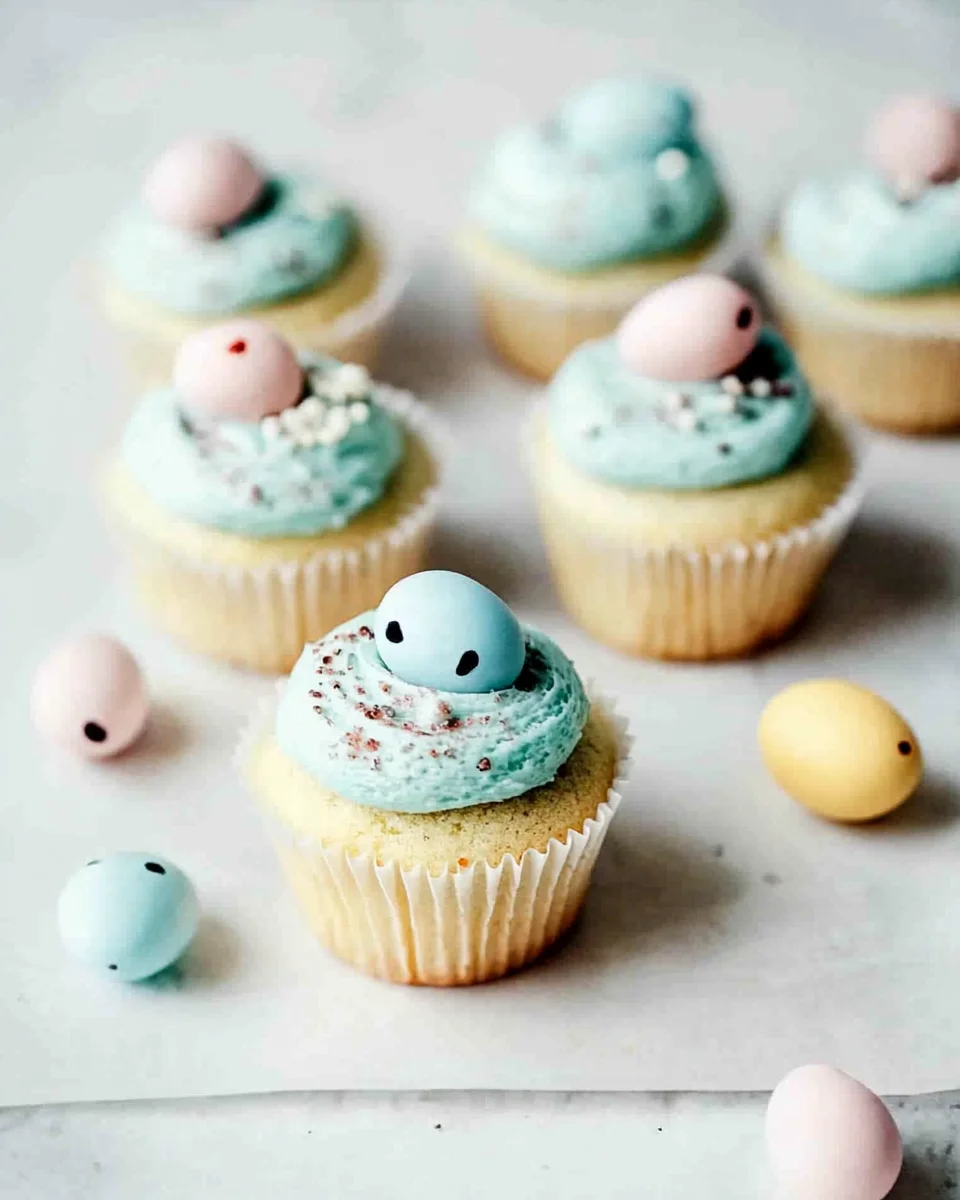

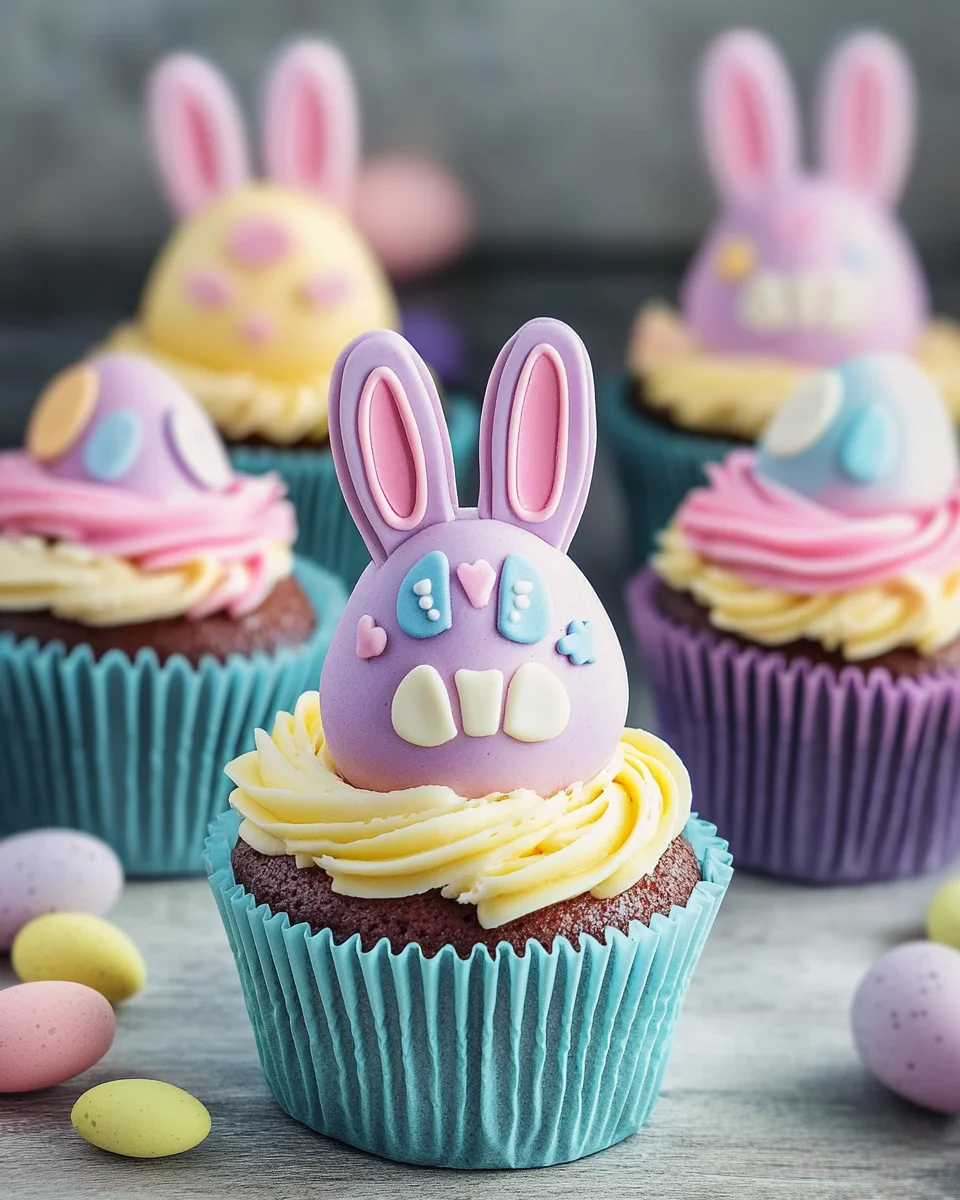
Easter Bunny Egg Cupcakes: A Delightful Treat for Spring Celebrations

A Sweet Childhood Memory Turned Easter Tradition

There’s something magical about Easter. The pastel colors, the scent of fresh flowers, and the joyful laughter of children hunting for eggs bring warmth to the heart. For me, Easter always meant family gatherings filled with homemade treats, but one dessert stood out—cupcakes.

I vividly remember the first time I attempted to make Easter-themed cupcakes with my grandmother. Her kitchen smelled of cocoa and vanilla, and I could barely contain my excitement as I watched the batter rise in the oven. When they cooled, we swirled soft pastel frosting on top, adding little fondant bunny ears for the final touch. I must have placed the ears too close together because my bunnies looked more like confused kittens, but my grandmother laughed and reassured me that “imperfect” meant “made with love.”

That tradition never left me. Now, every Easter, I find myself baking these whimsical Easter Bunny Egg Cupcakes, not just for the joy of indulging in a delicious treat, but for the nostalgia they bring. They are a delightful combination of moist chocolate cake, smooth pastel buttercream, and playful decorations that capture the essence of spring and celebration.

Why These Cupcakes Are the Perfect Easter Dessert

Easter desserts should be more than just sweet; they should tell a story, create memories, and bring people together. Here’s why these cupcakes are the ultimate Easter treat:

  • Fun and Interactive – Whether you’re baking with children or hosting an Easter gathering, decorating these cupcakes is an activity everyone will enjoy. From coloring the buttercream to shaping the bunny ears, it’s a creative experience.
  • Visually Stunning – With their soft pastel hues and adorable bunny ears, these cupcakes are Instagram-worthy and make for a stunning dessert display.
  • Rich Yet Balanced Flavors – The deep chocolate cake pairs beautifully with the light, fluffy buttercream, ensuring a not-too-sweet, perfectly balanced bite.
  • Customizable for Any Preference – Whether you prefer vanilla, red velvet, or even carrot cake, the design of these cupcakes can be adapted to any flavor.

Tips and Tricks for the Best Easter Bunny Egg Cupcakes

Even though this recipe is straightforward, a few extra tips can elevate your cupcakes from good to outstanding.

1. The Secret to Moist Chocolate Cupcakes

One of the key ingredients that sets these cupcakes apart is boiling water. While it might seem unusual, adding hot water to the batter activates the cocoa powder, giving the cake an intense chocolate flavor and a soft, tender crumb. If you’ve ever had dry cupcakes, chances are they lacked enough moisture in the batter.

2. Buttercream That’s Light, Not Overly Sweet

Many people shy away from buttercream because it can be cloyingly sweet. The secret to achieving a smooth and luxurious frosting without overwhelming sweetness is:

  • Using unsalted butter for a creamy texture
  • Adding heavy cream to lighten the consistency
  • Whipping the frosting for at least 2-3 minutes to create an airy texture

For extra flavor, try adding a hint of almond extract, lemon zest, or even a drop of lavender essence to the frosting for a unique twist.

3. Perfecting the Bunny Ear Decorations

Working with fondant can be intimidating, but it’s easier than it looks. If you don’t have fondant, marshmallow pieces or white chocolate can also work for the bunny ears. To ensure they stand upright, let them dry for at least 30 minutes before placing them on the cupcakes. If you want extra stability, insert small toothpicks into the base of each ear before drying.

Ingredients: The Magic Behind the Treats

For the Chocolate Cupcakes
  • 1 ½ cups all-purpose flour
  • 1 cup granulated sugar
  • ½ cup unsweetened cocoa powder
  • 1 teaspoon baking powder
  • ½ teaspoon baking soda
  • ½ teaspoon salt
  • 2 large eggs
  • ¾ cup milk
  • ½ cup vegetable oil
  • 1 teaspoon vanilla extract
  • ¾ cup boiling water
For the Vanilla Buttercream Frosting
  • 1 cup unsalted butter, softened
  • 4 cups powdered sugar
  • 2-3 tablespoons heavy cream (or milk)
  • 1 teaspoon vanilla extract
  • Gel food coloring (pastel pink, blue, yellow, green, or purple)
For the Bunny Ear Decorations
  • White fondant
  • Pink fondant
  • Small candy eggs (like mini chocolate eggs or speckled eggs)
  • Edible glue or water

Directions: Crafting the Ultimate Easter Delight

Step 1: Bake the Chocolate Cupcakes

  1. Preheat oven to 350°F (175°C) and line a muffin tin with cupcake liners.
  2. In a large bowl, sift together flour, sugar, cocoa powder, baking powder, baking soda, and salt.
  3. Add eggs, milk, vegetable oil, and vanilla extract. Mix until smooth.
  4. Gradually stir in the boiling water, ensuring the batter is thin and uniform.
  5. Fill each liner about ⅔ full and bake for 18-22 minutes, or until a toothpick inserted in the center comes out clean.
  6. Let cupcakes cool completely before decorating.

Step 2: Whip Up the Dreamy Buttercream Frosting

  1. In a large bowl, beat softened butter until creamy.
  2. Gradually add powdered sugar, mixing on low speed.
  3. Add heavy cream and vanilla extract. Beat on high speed for 2-3 minutes until fluffy.
  4. Divide frosting into separate bowls and tint each with gel food coloring for pastel shades.

Step 3: Shape the Bunny Ears

  1. Roll out white fondant to ⅛ inch thick and cut small ovals for ears.
  2. Roll out pink fondant and cut smaller ovals for the inner ear details.
  3. Attach pink pieces to the white ears using edible glue or water.
  4. Let dry for about 30 minutes to firm up.

Step 4: Assemble Your Easter Cupcakes

  1. Pipe a swirl of pastel-colored frosting onto each cupcake.
  2. Place a small candy egg on top to serve as the bunny’s nose.
  3. Insert fondant ears into the frosting, positioning them upright.
  4. Sprinkle with colorful edible pearls or sprinkles for extra charm.

Nutritional Goodness: What’s Inside Each Cupcake?

  • Calories: 593
  • Total Fat: 30g
  • Saturated Fat: 13g
  • Trans Fat: 0g
  • Unsaturated Fat: 15g
  • Cholesterol: 96mg
  • Sodium: 235mg
  • Carbohydrates: 78g
  • Fiber: 1g
  • Sugar: 62g
  • Protein: 5g

These Easter Bunny Egg Cupcakes bring a festive and delicious charm to any springtime gathering. Enjoy baking, decorating, and sharing them with loved ones!

Frequently Asked Questions (FAQs)

1. Can I Make These Cupcakes Ahead of Time?

Yes! These cupcakes store well, making them perfect for prepping in advance. The unfrosted cupcakes can be baked up to two days ahead and stored in an airtight container at room temperature. The frosting can be made in advance and kept refrigerated for up to three days. Before using, allow it to come to room temperature and whip it again for a fluffy texture.

2. What’s the Best Way to Store Leftovers?

If you happen to have any leftovers (which is rare in my house), store them in an airtight container.

  • At room temperature: For up to 2 days
  • In the refrigerator: For up to 5 days (bring to room temperature before serving for the best texture)
  • In the freezer: Cupcakes can be frozen without frosting for up to 3 months. Wrap them tightly in plastic wrap and place in a freezer-safe container.

3. Can I Use a Different Frosting?

Absolutely! While vanilla buttercream pairs beautifully with chocolate, you can experiment with other frostings like:

  • Cream cheese frosting – for a slightly tangy, less sweet topping
  • Whipped ganache – for a rich, chocolatey experience
  • Coconut buttercream – to add a tropical twist

4. Are There Any Substitutions for Dietary Restrictions?

Yes! Here are a few modifications:

  • Gluten-Free: Use a 1:1 gluten-free flour blend in place of all-purpose flour.
  • Dairy-Free: Substitute almond milk, coconut milk, or oat milk for regular milk, and use dairy-free butter for the frosting.
  • Egg-Free: Replace each egg with 1/4 cup unsweetened applesauce or a flaxseed egg (1 tbsp ground flaxseed + 3 tbsp water, let sit for 5 minutes).

5. What Other Decorations Can I Use?

While fondant bunny ears are classic, you can also use:

  • Piped white chocolate ears for a delicate touch
  • Mini marshmallows cut into ear shapes
  • Shredded coconut sprinkled over the frosting for a fuzzy bunny look

Creative Serving Ideas for an Easter Celebration

These cupcakes are already a showstopper, but here are some fun ways to serve them at your Easter gathering:

  • Cupcake Platter: Arrange them on a pastel-colored tray with Easter grass and mini chocolate eggs scattered around.
  • Easter Dessert Board: Pair them with sugar cookies, chocolate-covered strawberries, and Easter candy for a dessert grazing table.
  • Personalized Cupcakes: Add name tags to each cupcake and use them as place settings for an Easter brunch.

For an extra special touch, consider gifting them in decorative cupcake boxes with ribbon for a thoughtful homemade treat.

Final Thoughts: More Than Just a Cupcake

Easter Bunny Egg Cupcakes are more than just a seasonal dessert; they are a symbol of joy, creativity, and togetherness. Baking these cupcakes is not just about following a recipe—it’s about making memories, whether with family, friends, or even by yourself as a therapeutic baking session.

The combination of rich chocolate cake, fluffy pastel frosting, and adorable bunny decorations makes these cupcakes a perfect addition to any Easter celebration. They bring smiles to both kids and adults, making them a tradition worth keeping year after year.

So this Easter, gather your ingredients, put on your favorite apron, and let the kitchen be filled with the sweet scent of tradition. Because sometimes, the best memories start with a simple cupcake.
aiting

Easter Bunny Egg Cupcakes: A Delightful Treat for Spring Celebrations

These adorable Easter cupcakes combine rich chocolate cake, fluffy pastel buttercream, and charming bunny ear decorations for a festive springtime treat!
Prep Time 30 minutes
Cook Time 20 minutes
Total Time 50 minutes
Servings: 12 servings
Course: Dessert
Cuisine: Easter/Springtime

Ingredients
  

For the Chocolate Cupcakes:
  • 1 ½ cups all-purpose flour
  • 1 cup granulated sugar
  • ½ cup unsweetened cocoa powder
  • 1 teaspoon baking powder
  • ½ teaspoon baking soda
  • ½ teaspoon salt
  • 2 large eggs
  • ¾ cup milk
  • ½ cup vegetable oil
  • 1 teaspoon vanilla extract
  • ¾ cup boiling water
For the Vanilla Buttercream Frosting:
  • 1 cup unsalted butter softened
  • 4 cups powdered sugar
  • 2-3 tablespoons heavy cream or milk
  • 1 teaspoon vanilla extract
  • Gel food coloring pastel pink, blue, yellow, green, or purple
For the Bunny Ear Decorations:
  • White fondant
  • Pink fondant
  • Small candy eggs like mini chocolate eggs or speckled eggs
  • Edible glue or water

Method
 

  1. Step 1: Bake the Chocolate Cupcakes
  2. Preheat oven to 350°F (175°C) and line a muffin tin with cupcake liners.
  3. In a large bowl, sift together flour, sugar, cocoa powder, baking powder, baking soda, and salt.
  4. Add eggs, milk, vegetable oil, and vanilla extract. Mix until smooth.
  5. Gradually stir in the boiling water, ensuring the batter is thin and uniform.
  6. Fill each liner about ⅔ full and bake for 18-22 minutes, or until a toothpick inserted in the center comes out clean.
  7. Let cupcakes cool completely before decorating.
Step 2: Whip Up the Dreamy Buttercream Frosting
  1. In a large bowl, beat softened butter until creamy.
  2. Gradually add powdered sugar, mixing on low speed.
  3. Add heavy cream and vanilla extract. Beat on high speed for 2-3 minutes until fluffy.
  4. Divide frosting into separate bowls and tint each with gel food coloring for pastel shades.
Step 3: Shape the Bunny Ears
  1. Roll out white fondant to ⅛ inch thick and cut small ovals for ears.
  2. Roll out pink fondant and cut smaller ovals for the inner ear details.
  3. Attach pink pieces to the white ears using edible glue or water.
  4. Let dry for about 30 minutes to firm up.
Step 4: Assemble Your Easter Cupcakes
  1. Pipe a swirl of pastel-colored frosting onto each cupcake.
  2. Place a small candy egg on top to serve as the bunny’s nose.
  3. Insert fondant ears into the frosting, positioning them upright.
  4. Sprinkle with colorful edible pearls or sprinkles for extra charm.

Notes

  • Store cupcakes in an airtight container at room temperature for up to 2 days or in the fridge for up to 5 days.
  • If you don’t have fondant, try making bunny ears with white chocolate and pink candy melts.
  • For an extra festive touch, use a mix of pastel sprinkles and edible glitter.
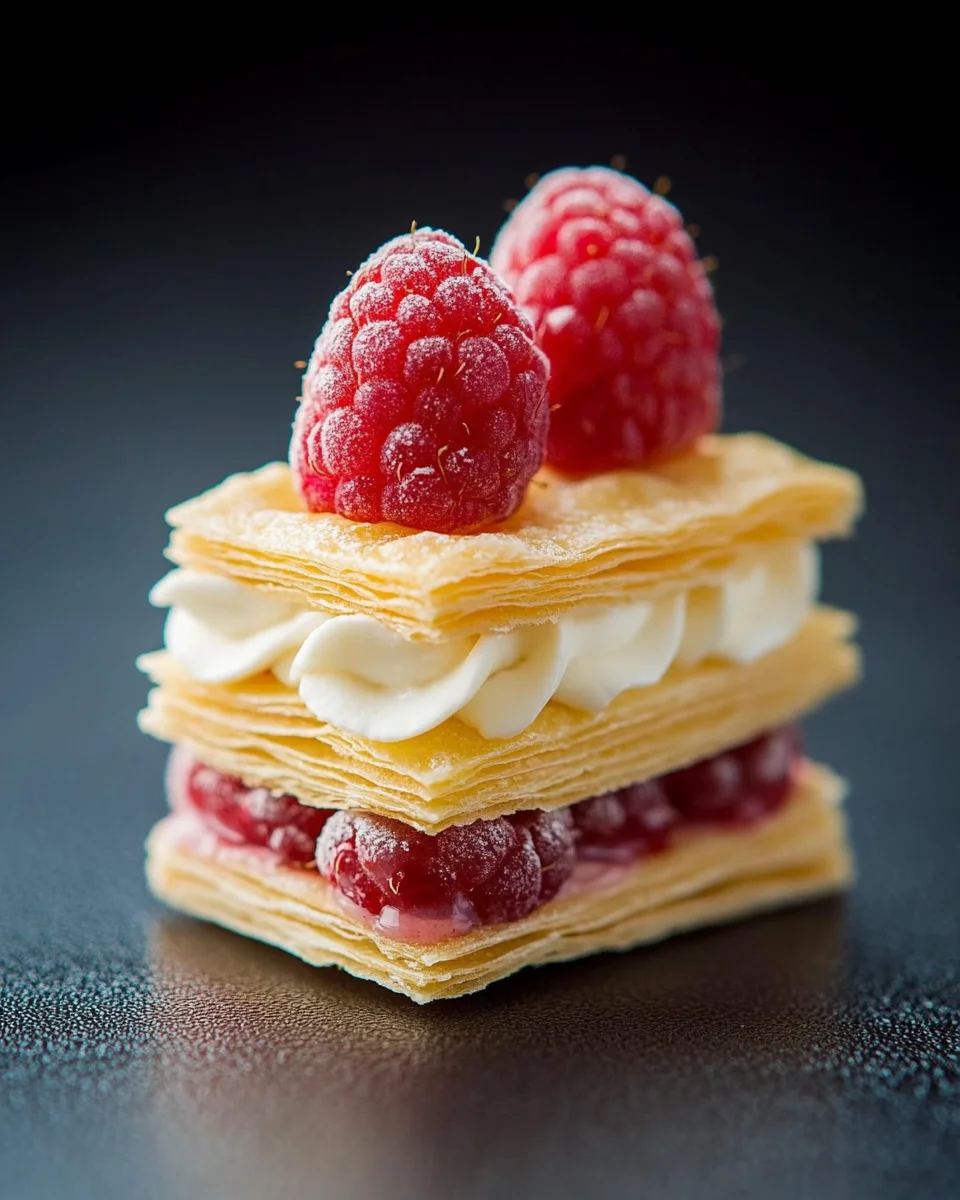
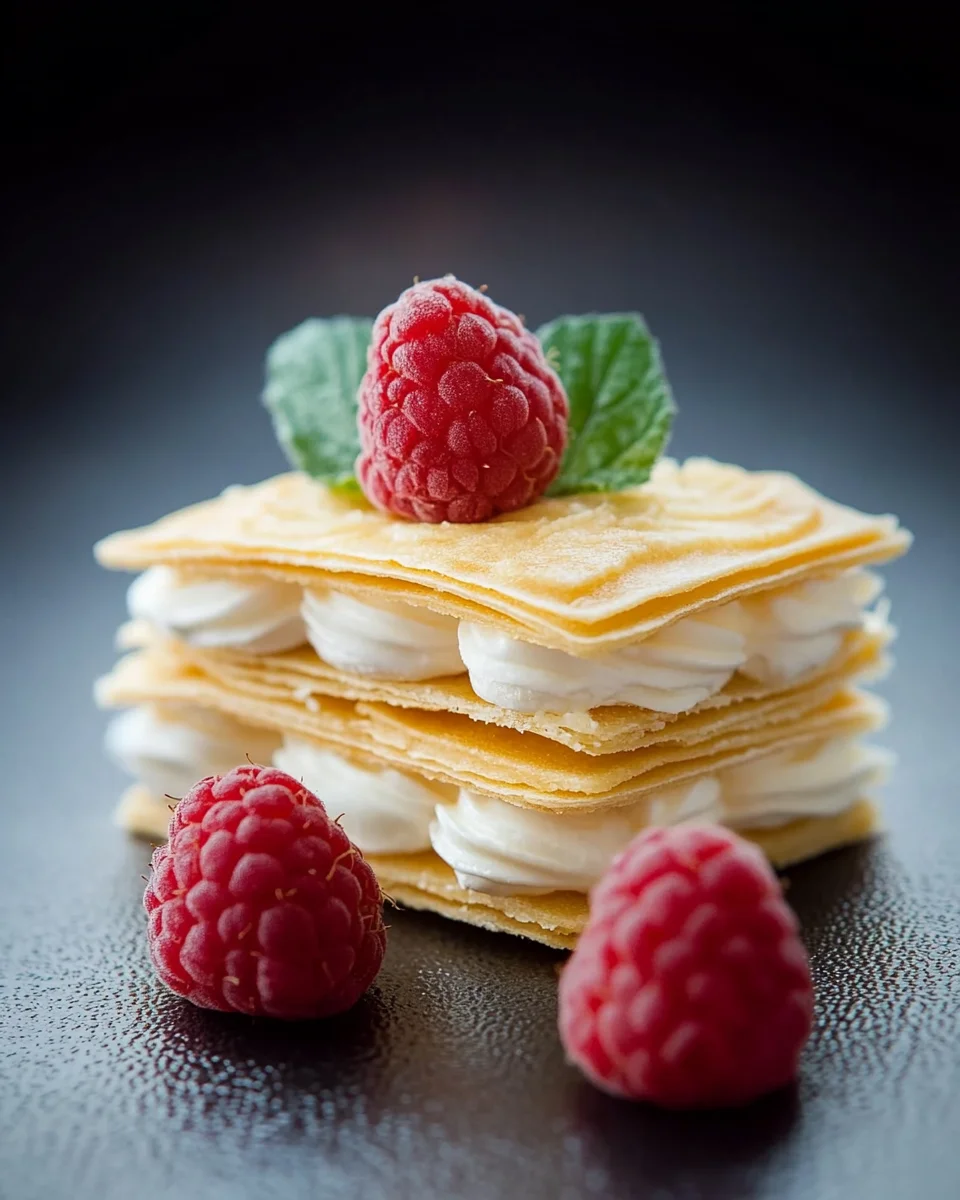
Raspberry Mille-Feuille Cookies: A Bite-Sized French Indulgence

A Sweet Memory in Paris: How This Recipe Stole My Heart

The first time I had a mille-feuille, I was sitting at a tiny café in the heart of Paris. The air was crisp, the aroma of freshly baked pastries lingered, and I was surrounded by the quiet hum of people enjoying their morning rituals. The waiter placed a delicate mille-feuille in front of me, its layers so perfectly crisp and golden that I hesitated for a moment, almost afraid to ruin its perfection. But the first bite was pure magic—the contrast between the flaky pastry and the luscious, sweet filling was unlike anything I had tasted before.

That moment stayed with me. I knew I had to recreate that experience in my own kitchen, but with a fun and approachable twist. That’s how these Raspberry Mille-Feuille Cookies were born. Instead of the traditional, towering layers of a classic mille-feuille, these cookies are more accessible, easier to eat, and just as indulgent. They’re perfect for elegant gatherings, afternoon tea, or simply as a well-earned treat for yourself.

Now, let’s dive deeper into what makes this recipe so special.

What Makes Raspberry Mille-Feuille Cookies Special?

These cookies take the essence of the classic mille-feuille and transform it into a more playful and convenient form. Instead of a large pastry that requires careful slicing, these cookies allow you to experience the same delicate textures in a single, perfectly portioned bite.

A Harmony of Textures

The true beauty of mille-feuille lies in the contrast between textures. The puff pastry is crisp and shatters with each bite, while the vanilla whipped cream is silky and smooth. The fresh raspberries add a bright, juicy tartness that cuts through the richness, creating an irresistible balance of flavors.

A French Pastry Classic, Simplified

Traditional mille-feuille can be intimidating for home bakers, often requiring careful pastry layering, custard preparation, and intricate assembly. This version eliminates the stress while keeping all the elegance. With store-bought puff pastry and a simple whipped cream filling, anyone can make these cookies effortlessly.

Perfect for Any Occasion

  • Elegant desserts for entertaining – These cookies are visually stunning, making them a sophisticated addition to dinner parties or afternoon tea.
  • A quick yet impressive treat – Since the recipe requires minimal prep and baking time, you can easily whip up a batch when craving something special.
  • A fun baking project – If you love experimenting in the kitchen, you can customize these cookies with different fillings, toppings, and shapes.

The History Behind Mille-Feuille

Mille-feuille, meaning “a thousand leaves” in French, dates back to the 17th century. The earliest mention of this delicate pastry was in a cookbook by François Pierre La Varenne in 1651. Traditionally, it consists of three layers of puff pastry filled with pastry cream and dusted with powdered sugar.

Over time, mille-feuille has evolved into many variations. Some feature fruit preserves, chocolate fillings, or even savory components. The American version, known as a Napoleon, is often topped with icing and has a slightly different cream filling. Despite these variations, the core concept remains the same: flaky layers and a rich, creamy filling.

By turning this elegant dessert into a cookie format, we are keeping the legacy alive while making it more accessible for everyday enjoyment.

Creative Variations to Try

One of the best things about this recipe is its versatility. Here are a few ways to put your own spin on these delicate cookies:

Swap the Filling

  • Chocolate Ganache – Replace the vanilla whipped cream with a rich, silky chocolate ganache for a decadent twist.
  • Lemon Curd – If you love citrusy desserts, a layer of lemon curd will add a bright, zesty contrast.
  • Mascarpone Cream – Swap out the whipped cream for mascarpone mixed with a little honey for a richer, slightly tangy filling.

Experiment with the Pastry

  • Homemade Puff Pastry – If you’re feeling adventurous, making your own puff pastry will take these cookies to the next level.
  • Cocoa Puff Pastry – Dust the pastry with cocoa powder before baking for a subtle chocolate flavor.

Add a Unique Garnish

  • Caramel Drizzle – A light drizzle of caramel sauce can elevate the presentation and add an extra layer of flavor.
  • Crushed Pistachios – Sprinkle finely chopped pistachios for a hint of nuttiness and a pop of color.

The Magic in the Mix: Ingredients

For the Puff Pastry Layers

  • 1 sheet of puff pastry (store-bought or homemade)
  • 2 tablespoons granulated sugar (for sprinkling)

For the Vanilla Whipped Cream

  • 1 cup heavy cream, chilled
  • 2 tablespoons powdered sugar
  • 1 teaspoon pure vanilla extract

For the Garnish

  • 1 pint fresh raspberries
  • Fresh mint leaves (optional, for garnish)

Step-by-Step to Perfection: Directions

Step 1: Crafting the Flaky Layers

  1. Preheat the oven to 400°F (200°C).
  2. Roll out the puff pastry on a lightly floured surface until it’s about 1/8 inch thick.
  3. Cut the pastry into small, bite-sized rectangles (approximately 1 inch by 2 inches).
  4. Place them on a parchment-lined baking sheet and prick all over with a fork to prevent excessive puffing.
  5. Lightly sprinkle granulated sugar on top for extra crispiness.
  6. Bake for 10-12 minutes or until golden brown and crisp. Cool on a wire rack.

Step 2: Whipping Up the Vanilla Cream

  1. In a mixing bowl, combine the chilled heavy cream, powdered sugar, and vanilla extract.
  2. Beat with an electric mixer or whisk until soft peaks form. Avoid overwhipping.

Step 3: Assembling the Masterpiece

  1. Once the pastry rectangles are cool, start layering.
  2. Place one piece on a clean surface and pipe or spoon small dollops of vanilla whipped cream on top.
  3. Add a second pastry piece and repeat with whipped cream.
  4. Finish with a third pastry layer, a final dollop of whipped cream, and 2-3 fresh raspberries.
  5. Garnish with a mint leaf for a touch of elegance.
  6. Repeat the process for all cookies.

The Sweet Breakdown: Nutritional Information

(Approximate values per serving)

  • Calories: 220
  • Total Fat: 14g
  • Saturated Fat: 8g
  • Carbohydrates: 20g
  • Sugar: 8g
  • Protein: 2g
  • Fiber: 1g

Enjoy these delicate, flaky, and creamy delights—a French-inspired indulgence made simple!

Frequently Asked Questions

1. Can I Make These Cookies in Advance?

Yes! You can prepare the puff pastry layers a day ahead and store them in an airtight container at room temperature. However, it’s best to assemble the cookies just before serving to prevent the pastry from becoming soggy.

2. Can I Use Frozen Puff Pastry?

Absolutely. Just make sure to let it thaw in the refrigerator before rolling it out. This ensures it remains cold enough to create those perfect flaky layers during baking.

3. Can I Make This Dairy-Free?

Yes! Use a dairy-free whipped topping or coconut whipped cream instead of heavy cream. Make sure your puff pastry is dairy-free as well, as some brands contain butter.

4. How Should I Store Leftovers?

If you have any leftovers (which is rare!), store them in an airtight container in the refrigerator for up to 24 hours. Keep in mind that the pastry may lose its crispness over time.

5. What’s the Best Way to Serve These Cookies?

They are best enjoyed fresh with a dusting of powdered sugar. Pair them with a cup of tea or coffee for an extra luxurious experience.

Final Thoughts: A Dessert Worth Indulging In

There’s something truly magical about desserts that combine elegance with ease. These Raspberry Mille-Feuille Cookies take a beloved French pastry and transform it into a treat that’s approachable, yet undeniably impressive. Whether you’re looking to wow your guests or simply treat yourself to something special, this recipe is sure to satisfy.

The joy of baking isn’t just in the final product—it’s in the memories created along the way. Whether it’s a quiet moment in your kitchen or the excitement of sharing these cookies with loved ones, each bite carries a little bit of that magic.

aiting

Raspberry Mille-Feuille Cookies: A Bite-Sized French Indulgence

A delicate and flaky French-inspired treat, these Mille-Feuille cookies are layered with light vanilla whipped cream and fresh raspberries for the perfect bite-sized indulgence!
Prep Time 15 minutes
Cook Time 12 minutes
Total Time 27 minutes
Servings: 8 servings
Course: Dessert
Cuisine: French-inspired

Ingredients
  

For the Puff Pastry Layers:
  • 1 sheet of puff pastry store-bought or homemade
  • 2 tablespoons granulated sugar for sprinkling
For the Vanilla Whipped Cream:
  • 1 cup heavy cream chilled
  • 2 tablespoons powdered sugar
  • 1 teaspoon pure vanilla extract
For the Garnish:
  • 1 pint fresh raspberries
  • Fresh mint leaves optional, for garnish

Method
 

  1. Step 1: Crafting the Flaky Layers
  2. Preheat the oven to 400°F (200°C).
  3. Roll out the puff pastry on a lightly floured surface until it’s about 1/8 inch thick.
  4. Cut the pastry into small, bite-sized rectangles (approximately 1 inch by 2 inches).
  5. Place them on a parchment-lined baking sheet and prick all over with a fork to prevent excessive puffing.
  6. Lightly sprinkle granulated sugar on top for extra crispiness.
  7. Bake for 10-12 minutes or until golden brown and crisp. Cool on a wire rack.
Step 2: Whipping Up the Vanilla Cream
  1. In a mixing bowl, combine the chilled heavy cream, powdered sugar, and vanilla extract.
  2. Beat with an electric mixer or whisk until soft peaks form. Avoid overwhipping.
Step 3: Assembling the Masterpiece
  1. Once the pastry rectangles are cool, start layering.
  2. Place one piece on a clean surface and pipe or spoon small dollops of vanilla whipped cream on top.
  3. Add a second pastry piece and repeat with whipped cream.
  4. Finish with a third pastry layer, a final dollop of whipped cream, and 2-3 fresh raspberries.
  5. Garnish with a mint leaf for a touch of elegance.
  6. Repeat the process for all cookies.

Notes

  • For extra crispiness, allow the puff pastry to cool completely before assembling.
  • If you prefer a sweeter cream, add an extra tablespoon of powdered sugar.
  • Best enjoyed fresh, but leftovers can be stored in an airtight container in the refrigerator for up to 24 hours.

A Game-Changer for Busy Nights: Air Fryer Chicken and Vegetables

A Personal Touch: The Recipe That Saved My Evenings

There was a time when dinner felt like an afterthought. Between work, family, and the never-ending list of responsibilities, cooking seemed like just another chore. I remember those exhausting evenings, staring into my fridge, wondering what I could throw together that was both quick and healthy. Takeout was tempting, but deep down, I wanted something homemade—something that wouldn’t leave me feeling sluggish and regretful afterward.

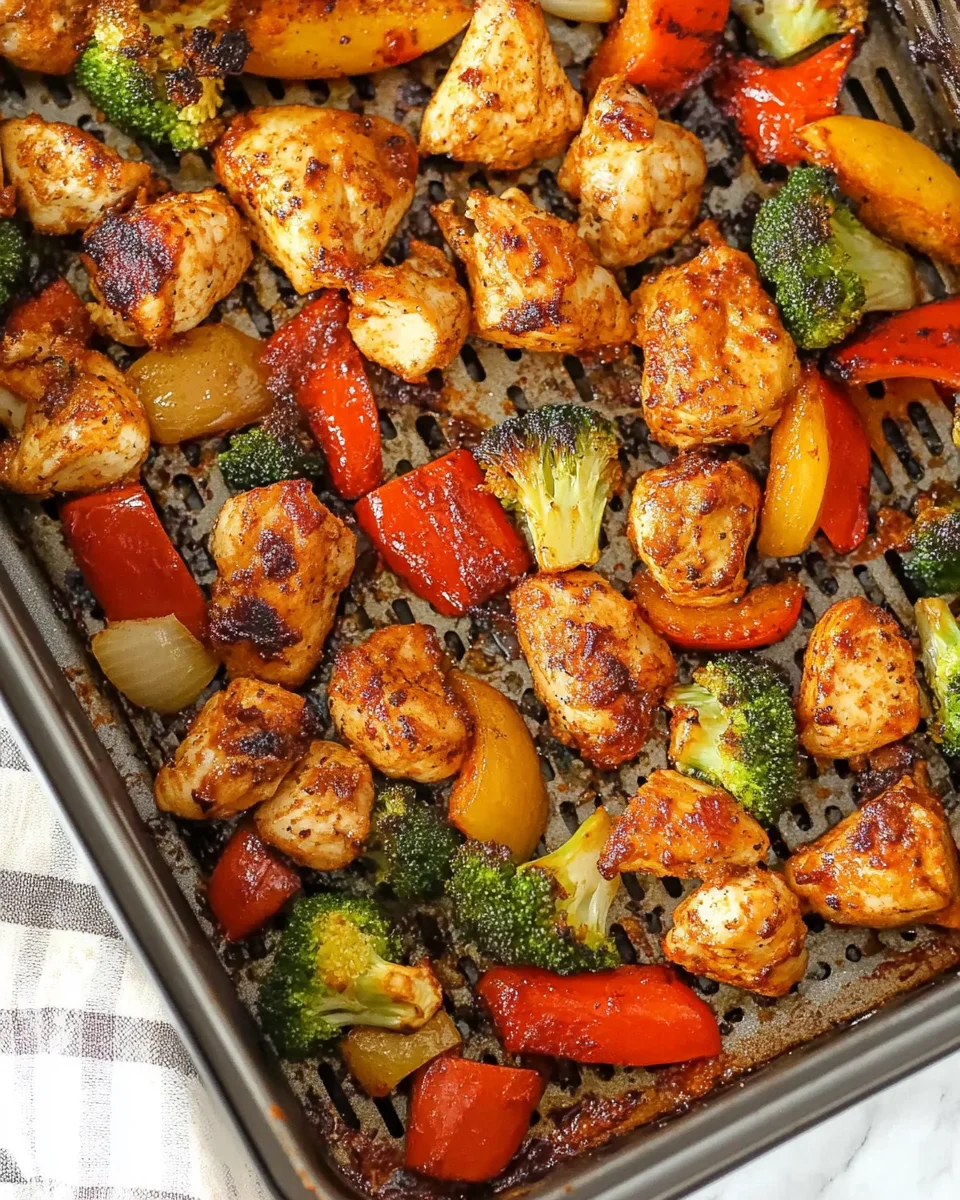
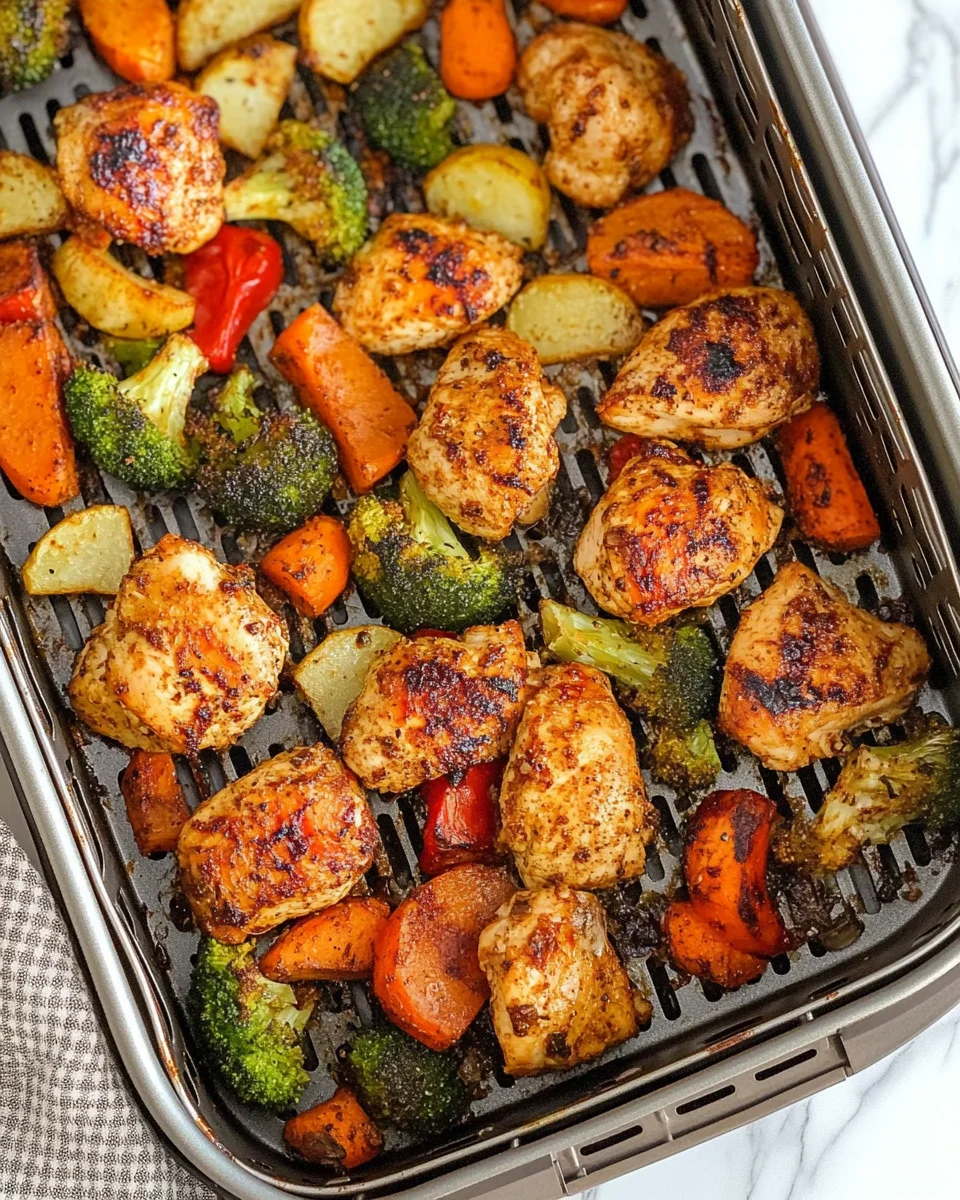
Then, I discovered the magic of the air fryer. It wasn’t just another kitchen gadget collecting dust on my counter; it became my secret weapon. The first time I made air fryer chicken and vegetables, I was amazed. In just 20 minutes, I had a wholesome, flavorful meal that tasted like something straight out of a restaurant. The chicken was juicy, the veggies had the perfect char, and the seasoning blend made everything irresistible.

This recipe changed the way I approached cooking. It brought back the joy of making meals from scratch without the stress and time commitment. Now, I’m excited to share this foolproof dinner solution with you—one that’s perfect for meal preppers, health-conscious eaters, and anyone who wants a delicious meal without spending hours in the kitchen.

Why This Recipe Works So Well

This air fryer chicken and vegetables dish is not just about convenience—it’s about achieving the perfect balance of flavors and textures with minimal effort. Here’s why it has become a go-to meal for so many:

1. A Perfect Balance of Nutrition

This dish offers everything you need in a single bowl:

  • Lean Protein: Chicken provides a high-protein base, keeping you full and supporting muscle growth.
  • Colorful Vegetables: Broccoli, bell peppers, zucchini, and onions bring fiber, vitamins, and antioxidants to the plate.
  • Healthy Fats: A small amount of olive oil not only enhances flavor but also helps with nutrient absorption.

2. Faster Than Traditional Cooking Methods

Compared to roasting in the oven or cooking on the stovetop, the air fryer slashes cooking time in half. With preheating, you’re looking at just 15-20 minutes from start to finish.

3. Restaurant-Quality Texture

One of the biggest struggles with cooking chicken and vegetables together is uneven doneness. The air fryer solves this by circulating hot air evenly, ensuring that the chicken stays moist while the veggies get a slight crisp without becoming mushy.

4. Minimal Cleanup

Nobody enjoys washing a sink full of dishes after a long day. This recipe requires just one bowl for tossing the ingredients and the air fryer basket, making cleanup a breeze.

5. Easily Customizable

This recipe is a great base for experimentation. You can:

  • Swap chicken breast for chicken thighs for extra juiciness.
  • Change up the vegetables—try carrots, green beans, or cauliflower.
  • Experiment with seasonings like Cajun, lemon-pepper, or Italian herbs.
  • Make it spicy with chili powder or cayenne pepper.

Tips for the Best Air Fryer Chicken and Vegetables

Even though this is a simple recipe, a few small tweaks can take it from good to absolutely amazing.

1. Cut Ingredients Evenly

Uniformly chopped chicken and vegetables ensure everything cooks at the same rate. Try to keep chicken cubes at 1 to 1 ½ inches and veggies in similar-sized chunks.

2. Don’t Overcrowd the Air Fryer

For the best texture, spread the ingredients in a single layer. If needed, cook in batches. Crowding the basket leads to steaming rather than crisping.

3. Preheat Your Air Fryer

Though it’s not always necessary, preheating for 3-5 minutes at 400°F ensures a crispier exterior on both the chicken and vegetables.

4. Shake or Toss Halfway Through

This promotes even browning, especially for the vegetables. A quick shake at the 5-minute mark helps get everything golden and delicious.

5. Check the Internal Temperature

Use a meat thermometer to confirm that the chicken reaches 165°F (74°C) in the thickest part. This prevents overcooking while ensuring food safety.

Serving Suggestions: How to Make It a Complete Meal

While this dish is fantastic on its own, pairing it with the right side can elevate it even further. Here are some great serving ideas:

1. Over a Bed of Rice or Quinoa

Adding white rice, brown rice, or quinoa makes it more filling and adds extra texture.

2. With a Side of Roasted Potatoes

For a heartier meal, serve with crispy roasted potatoes or sweet potato fries.

3. Wrapped in a Low-Carb Tortilla

Transform leftovers into a delicious wrap by stuffing them into a whole wheat or low-carb tortilla with a drizzle of yogurt sauce.

4. Topped with a Creamy Dressing

A light drizzle of tzatziki, ranch, or a garlic yogurt sauce can add extra flavor and moisture.

The Magic Mix: Ingredients

Main Ingredients:

  • 2 boneless, skinless chicken breasts (about 1 pound)
  • 1 bunch broccoli, cut into florets (approx. 1 ½-2 cups)
  • 1 red bell pepper, seeded and chopped
  • 1 zucchini, cut into half-moons
  • 1 small onion, coarsely chopped
  • 3 tablespoons olive oil
  • ¼ cup shredded parmesan cheese (optional)

Seasoning Blend:

  • 1 ½ teaspoons paprika
  • 1 ½ teaspoons garlic powder
  • 1 ½ teaspoons onion powder
  • ½ teaspoon dried basil (optional)
  • 1 teaspoon kosher salt
  • ½ teaspoon ground black pepper

The Golden Path: Directions

Step 1: Prep the Air Fryer

Preheat the air fryer to 400ºF for at least 3 minutes, or as per the manufacturer’s instructions.

Step 2: Season the Chicken

In a large bowl, whisk together olive oil, paprika, garlic powder, onion powder, dried basil, salt, and pepper. Cut the chicken into 1-1 ½” cubes and toss in the seasoned oil mixture until well coated.

Step 3: Add the Veggies

Add the broccoli, bell pepper, zucchini, and chopped onion to the bowl. Toss again to distribute the seasoning and oil evenly.

Step 4: Air Fry in Batches

Transfer half of the mixture to the preheated air fryer basket, spreading it in an even layer. Cook for 10 minutes, turning the chicken pieces halfway through and stirring the vegetables to ensure even browning.

Step 5: Check for Doneness

Ensure the thickest portion of the chicken reaches an internal temperature of at least 165ºF. Remove from the air fryer and repeat with the remaining batch.

Step 6: Serve & Enjoy!

Transfer the cooked chicken and veggies to a bowl, garnish with parmesan cheese (if desired), and serve immediately.

Oven Option: Broil on a parchment-lined baking sheet for 10-11 minutes, turning the chicken and stirring the vegetables halfway through.

The Nutrition Breakdown: A Healthy Bite

  • Calories: 268 kcal
  • Carbohydrates: 18g
  • Protein: 20g
  • Fat: 15g
  • Saturated Fat: 3g
  • Cholesterol: 42mg
  • Sodium: 814mg
  • Potassium: 962mg
  • Fiber: 6g
  • Sugar: 6g
  • Vitamin A: 2419 IU
  • Vitamin C: 185mg
  • Calcium: 153mg
  • Iron: 2mg

This air fryer chicken and veggies recipe is a perfect mix of protein, fiber, and healthy fats—great for a balanced meal!

Frequently Asked Questions

1. Can I Use Frozen Chicken?

Yes, but you’ll need to adjust the cooking time. Add an extra 5-7 minutes and check the internal temperature to ensure it reaches 165°F.

2. What Other Vegetables Work Well?

This recipe is super versatile! Some great options include:

  • Green beans
  • Carrots (cut into sticks)
  • Brussels sprouts
  • Cherry tomatoes
  • Mushrooms

3. How Do I Store Leftovers?

Store in an airtight container in the refrigerator for up to 3 days.

4. How Do I Reheat This Dish?

  • Air Fryer: Reheat at 350°F for 3-5 minutes to restore crispiness.
  • Microwave: Heat in 30-second intervals until warmed through.

5. Can I Meal Prep This Recipe?

Absolutely! Portion it into meal prep containers with a side of rice, quinoa, or a fresh salad. It stays fresh in the fridge for up to 3 days.

Final Thoughts: Why This Recipe Belongs in Your Rotation

If you’ve ever struggled to put together a nutritious meal on a busy night, this air fryer chicken and vegetables recipe is your answer. It’s fast, packed with flavor, and completely foolproof. Whether you’re cooking for yourself, your family, or meal prepping for the week, this dish never disappoints.

More than just a recipe, this has become a reminder that eating well doesn’t have to be complicated. It’s about finding small, simple solutions that fit into our everyday lives. The air fryer has given me that—and I hope this recipe does the same for you.

So next time you’re staring at your fridge, unsure of what to make, remember this: a handful of ingredients, a dash of seasoning, and 20 minutes are all you need for a meal that’s as satisfying as it is effortless.

aiting

A Game-Changer for Busy Nights: Air Fryer Chicken and Vegetables

A quick, healthy, and delicious air fryer meal that combines tender, juicy chicken with perfectly roasted veggies. Packed with protein and flavor, this dish is perfect for busy weeknights!
Prep Time 10 minutes
Servings: 4 servings
Course: Main Dish
Cuisine: Healthy

Ingredients
  

Main Ingredients:
  • 2 boneless skinless chicken breasts (about 1 pound)
  • 1 bunch broccoli cut into florets (approx. 1 ½-2 cups)
  • 1 red bell pepper seeded and chopped
  • 1 zucchini cut into half-moons
  • 1 small onion coarsely chopped
  • 3 tablespoons olive oil
  • ¼ cup shredded parmesan cheese optional
Seasoning Blend:
  • 1 ½ teaspoons paprika
  • 1 ½ teaspoons garlic powder
  • 1 ½ teaspoons onion powder
  • ½ teaspoon dried basil optional
  • 1 teaspoon kosher salt
  • ½ teaspoon ground black pepper

Method
 

  1. Step 1: Prep the Air Fryer
  2. Preheat the air fryer to 400ºF for at least 3 minutes, or as per the manufacturer’s instructions.
Step 2: Season the Chicken
  1. In a large bowl, whisk together olive oil, paprika, garlic powder, onion powder, dried basil, salt, and pepper. Cut the chicken into 1-1 ½” cubes and toss in the seasoned oil mixture until well coated.
Step 3: Add the Veggies
  1. Add the broccoli, bell pepper, zucchini, and chopped onion to the bowl. Toss again to distribute the seasoning and oil evenly.
Step 4: Air Fry in Batches
  1. Transfer half of the mixture to the preheated air fryer basket, spreading it in an even layer. Cook for 10 minutes, turning the chicken pieces halfway through and stirring the vegetables to ensure even browning.
Step 5: Check for Doneness
  1. Ensure the thickest portion of the chicken reaches an internal temperature of at least 165ºF. Remove from the air fryer and repeat with the remaining batch.
Step 6: Serve & Enjoy!
  1. Transfer the cooked chicken and veggies to a bowl, garnish with parmesan cheese (if desired), and serve immediately.
  2. Oven Option: Broil on a parchment-lined baking sheet for 10-11 minutes, turning the chicken and stirring the vegetables halfway through.

Notes

  • For extra crispiness, avoid overcrowding the air fryer basket.
  • Swap out veggies based on preference—mushrooms, carrots, or asparagus work great!
  • Leftovers can be stored in an airtight container in the fridge for up to 3 days

Buffalo Chicken Stuffed Peppers: A Spicy Twist on a Comfort Classic

A Bite of Nostalgia with a Fiery Kick

Stuffed peppers have always been a staple in my family’s kitchen. I remember the warmth of my grandmother’s home, the rich aroma of roasted bell peppers filled with savory ground beef and rice wafting through the air. It was a meal that brought us together, a dish that somehow tasted even better when shared around the table.

As I grew older and started experimenting with flavors in my own kitchen, I realized that comfort food doesn’t have to be ordinary. That’s when the idea of Buffalo Chicken Stuffed Peppers was born—a bold, spicy, and utterly satisfying take on a childhood favorite. Instead of the traditional beef and rice, I opted for tender shredded chicken coated in fiery buffalo sauce, creamy mayo, and a perfect balance of seasonings. The result? A dish that carries the nostalgia of my grandmother’s recipe but with a modern, flavor-packed twist that never fails to impress.

These buffalo chicken stuffed peppers are not only a feast for the taste buds but also a healthier alternative to many classic comfort foods. They’re naturally low-carb, keto-friendly, and dairy-free, making them a versatile option for anyone looking for a nutritious yet indulgent meal. Whether you’re preparing them for a weeknight dinner, meal prepping for the week, or serving them at a gathering, these peppers are bound to become a favorite in your kitchen, just as they have in mine.

Why Buffalo Chicken Stuffed Peppers Stand Out

These stuffed peppers are a game-changer for several reasons:

  • Bold, Spicy, and Flavorful – The combination of shredded chicken, buffalo sauce, and seasonings delivers a powerful punch of flavor.
  • Healthy and Nutritious – With lean protein, healthy fats, and no unnecessary carbs, this dish is perfect for those on Whole30, keto, or paleo diets.
  • Quick and Easy to Make – Unlike traditional stuffed peppers that require rice and long cook times, this version is much simpler and comes together with minimal effort.
  • Great for Meal Prep – Make a batch ahead of time and enjoy throughout the week. They reheat beautifully and taste just as delicious the next day.
  • Customizable – You can easily adjust the spice level, swap out ingredients, or add toppings to make this dish your own.

What to Serve with Buffalo Chicken Stuffed Peppers

While these stuffed peppers are satisfying on their own, pairing them with the right side dishes can elevate the meal even further. Here are some excellent options to serve alongside them:

  • Roasted Sweet Potatoes – A slightly sweet contrast to the spicy filling.
  • Garlic Green Beans – Adds a fresh and garlicky crunch.
  • Mashed Cauliflower – A creamy, low-carb alternative to mashed potatoes.
  • Mexican Roasted Cauliflower – A spicy and flavorful veggie side.
  • Simple Green Salad – A refreshing way to balance out the heat.

If you want to keep things ultra simple, a drizzle of ranch dressing and some extra green onions on top can be enough to complete the dish!

Gather Your Goodies: Ingredients

  • Bell Peppers – 3 large, any color, cut in half lengthwise and seeds removed
  • Shredded Chicken – 4 cups (a rotisserie chicken works great!)
  • Mayonnaise – 1 cup (avocado oil mayo for Whole30/paleo-friendly)
  • Hot Sauce – ½ cup (Frank’s Red Hot or a Whole30-compatible buffalo sauce)
  • Garlic Powder – 1 teaspoon
  • Onion Powder – 1 teaspoon
  • Kosher Salt – 1 teaspoon
  • Black Pepper – ¼ teaspoon
  • Nutritional Yeast – 2 tablespoons (optional, for added umami flavor)
  • Green Onions – 1 bunch, thinly sliced (white and light green parts; save some for garnish)
  • Whole30 Ranch Dressing – for drizzling on top
  • Fresh Herbs – for garnish

The Magic Process: Directions

  1. Heat Things Up – Preheat your oven to 400°F (200°C).
  2. Prepare the Peppers – Arrange cut and de-seeded bell peppers in a lightly greased baking dish, cut side up.
  3. Mix the Filling – In a large bowl, combine shredded chicken, mayonnaise, hot sauce, garlic powder, onion powder, salt, black pepper, nutritional yeast, and green onions. Mix well and taste—add more hot sauce or salt if needed.
  4. Stuff It! – Fill each pepper with the buffalo chicken mixture, packing it in.
  5. Bake & Wait – Cover the dish with foil and bake for 30 minutes. Remove foil and bake another 20 minutes until the peppers are tender and the filling is bubbling and slightly browned.
  6. Top & Serve – Drizzle with ranch dressing, sprinkle with fresh herbs and extra green onions, and serve hot!

Power-Packed Nutrition: What’s Inside

  • High in Protein – Thanks to the shredded chicken
  • Low Carb & Keto-Friendly – No rice, just wholesome ingredients
  • Dairy-Free – Perfect for Whole30 and paleo diets
  • Healthy Fats – From avocado oil mayonnaise

Enjoy these spicy, creamy, and utterly satisfying buffalo chicken stuffed peppers for your next meal!

Common Questions About Buffalo Chicken Stuffed Peppers

Can I Make These Ahead of Time?

Absolutely! These stuffed peppers can be prepped in advance, making them perfect for meal planning. Simply prepare the filling and stuff the peppers, then store them in an airtight container in the refrigerator. When ready to eat, bake them as instructed, or reheat them in the oven until warmed through.

What’s the Best Way to Reheat Them?

  • In the Oven – Place the stuffed peppers in a baking dish, cover with foil, and warm at 350°F for about 10–15 minutes.
  • On the Stovetop – Add a little water to a skillet, place the peppers in, cover, and warm over medium-low heat.
  • In the Microwave – Cover with a paper towel and microwave for 2–3 minutes, cutting them in half first to speed up the process.

Can I Use Pre-Cooked Chicken?

Yes! A store-bought rotisserie chicken works perfectly for this recipe. Simply shred the meat and mix it with the buffalo sauce and other ingredients. This shortcut saves time and makes the dish even easier to prepare.

What If I Don’t Like Spicy Food?

If you’re sensitive to spice, you can adjust the heat level by using a milder buffalo sauce or reducing the amount of hot sauce in the mixture. You can also balance out the spice with an extra drizzle of ranch dressing on top.

Can I Add Cheese?

Yes! While this recipe is designed to be dairy-free, you can absolutely add shredded cheddar, mozzarella, or blue cheese crumbles if you’re not following a strict Whole30 or paleo diet. Sprinkle some on top before baking for a deliciously melty finish.

What’s the Best Type of Bell Pepper to Use?

You can use any color of bell pepper—green, red, yellow, or orange. Green peppers tend to be slightly more bitter, while red, yellow, and orange peppers are sweeter. If you prefer a naturally sweeter flavor, go with red or yellow peppers.

Can I Make This Recipe in the Air Fryer?

Yes! If you’re short on time, you can cook these in the air fryer at 375°F for about 15–18 minutes, checking for doneness along the way. The air fryer gives them a slightly crispier texture while keeping the inside juicy and flavorful.

Ways to Customize This Recipe

If you love getting creative in the kitchen, here are some ways to put your own spin on these buffalo chicken stuffed peppers:

  • Swap the Protein – Use shredded turkey, ground chicken, or even shredded beef for a different take on the filling.
  • Make It Vegetarian – Substitute the chicken with a plant-based alternative like jackfruit or chickpeas.
  • Use a Different Sauce – Try BBQ sauce for a smoky twist or a garlic parmesan sauce for a milder, creamy version.
  • Add More Veggies – Mix in diced celery, carrots, or spinach for extra nutrients and texture.
  • Make It Extra Crispy – Sprinkle crushed pork rinds or breadcrumbs on top for a crunchy finish.

Final Thoughts: A Dish That Keeps on Giving

Buffalo Chicken Stuffed Peppers are more than just a recipe—they’re a reminder that comfort food can be both nostalgic and innovative. They take the warmth of traditional stuffed peppers and elevate them with bold, spicy flavors that keep you coming back for more.

Whether you’re making them for a cozy family dinner, a meal prep staple, or even a party appetizer, these stuffed peppers are guaranteed to impress. They’re easy to prepare, packed with nutrition, and endlessly customizable to suit your taste.

So the next time you’re craving something hearty and satisfying, give this recipe a try. You just might find yourself making it again and again—just like I do.

aiting

Buffalo Chicken Stuffed Peppers: A Spicy Twist on a Comfort Classic

A spicy, creamy, and protein-packed dish that’s perfect for a quick, nutritious meal! These buffalo chicken stuffed peppers are Whole30, paleo, and keto-friendly, making them a great choice for any diet.
Prep Time 10 minutes
Cook Time 50 minutes
Total Time 1 hour
Servings: 6 servings
Course: Main Dish
Cuisine: American

Ingredients
  

  • 3 large bell peppers any color, cut in half lengthwise and seeds removed
  • 4 cups shredded chicken a rotisserie chicken works great!
  • 1 cup mayonnaise avocado oil mayo for Whole30/paleo-friendly
  • 1/2 cup hot sauce Frank’s Red Hot or a Whole30-compatible buffalo sauce
  • 1 teaspoon garlic powder
  • 1 teaspoon onion powder
  • 1 teaspoon kosher salt
  • 1/4 teaspoon black pepper
  • 2 tablespoons nutritional yeast optional, for added umami flavor
  • 1 bunch green onions thinly sliced (white and light green parts; save some for garnish)
  • Whole30 ranch dressing for drizzling on top
  • Fresh herbs for garnish

Method
 

1. Heat Things Up:
  1. Preheat your oven to 400°F (200°C).
2. Prepare the Peppers:
  1. Arrange cut and de-seeded bell peppers in a lightly greased baking dish, cut side up.
3. Mix the Filling:
  1. In a large bowl, combine shredded chicken, mayonnaise, hot sauce, garlic powder, onion powder, salt, black pepper, nutritional yeast, and green onions. Mix well and taste—add more hot sauce or salt if needed.
4. Stuff It!:
  1. Fill each pepper with the buffalo chicken mixture, packing it in.
5. Bake & Wait:
  1. Cover the dish with foil and bake for 30 minutes. Remove foil and bake another 20 minutes until the peppers are tender and the filling is bubbling and slightly browned.
6. Top & Serve:
  1. Drizzle with ranch dressing, sprinkle with fresh herbs and extra green onions, and serve hot!

Notes

  • If you like extra spice, add a pinch of cayenne pepper to the filling.
  • For a cheesier version, sprinkle dairy-free or regular shredded cheese on top before baking.
  • Store leftovers in an airtight container in the fridge for up to 3 days.

Easter Cake Pops: A Sweet Tradition of Joy and Creativity

A Childhood Easter Memory: Where It All Began

Easter in my family was always a time of togetherness, laughter, and—most importantly—desserts. My grandmother, a baking enthusiast, would fill our kitchen with the scent of warm vanilla and melted chocolate. The highlight of the celebration was always the brightly decorated cake pops, an Easter treat that felt like edible magic. My siblings and I would huddle around the kitchen table, hands covered in sprinkles and pastel-colored chocolate, creating tiny edible masterpieces.

Cake pops weren’t just desserts; they were an experience. They symbolized patience (waiting for the chocolate to set), creativity (choosing decorations), and the joy of sharing. Now, as I pass this tradition down to my own children, I see the same excitement in their eyes—the thrill of turning simple cake crumbs into something beautiful. This is why Easter cake pops remain a staple in my home, and why I want to share the magic with you.

The Appeal of Easter Cake Pops

Why do cake pops continue to be such a beloved treat? The answer is simple: they are fun, festive, and full of flavor. Unlike a traditional cake that needs plates and forks, cake pops are portable, mess-free, and bite-sized, making them ideal for Easter celebrations, kids’ parties, or as thoughtful homemade gifts.

Beyond their practicality, Easter cake pops allow for endless creativity. Whether you prefer classic pastel coatings, speckled egg designs, or adorable bunny faces, they can be tailored to any theme. Plus, they’re an excellent way to use up leftover cake and transform it into something visually stunning and delicious.

Creative Variations to Try

1. Chocolate Lover’s Delight

Swap out vanilla cake for rich chocolate cake and coat the pops in milk or dark chocolate. Add a drizzle of white chocolate for an elegant touch.

2. Carrot Cake Pops with Cream Cheese Filling

Easter and carrot cake go hand in hand! Use spiced carrot cake mixed with cream cheese frosting for a decadent treat. Cover in white chocolate and top with crushed walnuts or a small fondant carrot.

3. Speckled Egg Cake Pops

For a realistic Easter egg look, dip your cake pops in pastel-colored chocolate and use a small paintbrush to flick specks of edible cocoa or food coloring onto them. These will resemble tiny robin’s eggs!

4. Bunny and Chick Cake Pops

For an adorable Easter-themed batch, decorate some pops as bunnies (using fondant ears and a pink candy nose) and others as chicks (with yellow candy coating and mini chocolate eyes). These make for delightful centerpieces or edible gifts.

Expert Tips for Perfect Cake Pops

1. The Right Cake-to-Frosting Ratio

One of the most common mistakes is adding too much frosting to the cake crumbs, resulting in a mushy texture. You want just enough frosting to bind the cake crumbs together—typically a few tablespoons, not an entire cup.

2. Chill Before Dipping

If your cake balls are too soft, they will fall apart when dipped in chocolate. Always chill them in the fridge for at least an hour or freeze for 15 minutes before dipping. This helps them hold their shape.

3. Use Candy Melts or Tempered Chocolate

Candy melts provide a smooth, glossy finish and come in a variety of Easter colors. If using real chocolate, add a bit of coconut oil or vegetable oil to thin it out for easier dipping.

4. Stick Stability

Dip the end of each lollipop stick in melted chocolate before inserting it into a cake ball. This acts as “glue” and prevents the cake pop from sliding off.

5. Drying Without Smudging

Once dipped, stick the cake pops into a styrofoam block or cake pop stand to dry upright. If you lay them flat on parchment paper, one side may get a flattened edge.

Common Cake Pop Problems and How to Fix Them

Why Are My Cake Pops Cracking?

  • This happens when the cake balls are too cold and the melted chocolate is too hot. Let the cake balls sit at room temperature for a few minutes before dipping.

Why Are They Falling Off the Stick?

  • Either the cake mixture is too soft, or the stick wasn’t secured properly. Try chilling longer and ensuring the stick is dipped in melted chocolate before inserting.

Why Is the Coating Lumpy?

  • If the chocolate isn’t smooth, it may have been overheated. Melt it in short intervals and stir frequently. If needed, add a teaspoon of vegetable oil to thin it out.

Why Won’t the Decorations Stick?

  • If sprinkles or decorations are falling off, the coating may have set too quickly. Decorate immediately after dipping while the chocolate is still wet.

Great! Here’s a homemade recipe inspired by the Easter Cake Pops from Harry & David.

Whimsical Easter Cake Pops Recipe

Magic Mix: Ingredients

  • For the Cake:
    • 1 ½ cups all-purpose flour
    • 1 cup granulated sugar
    • ½ cup unsalted butter, softened
    • 2 eggs
    • ½ cup whole milk
    • 1 teaspoon vanilla extract
    • 1 ½ teaspoons baking powder
    • ¼ teaspoon salt
  • For the Frosting:
    • ½ cup unsalted butter, softened
    • 1 ½ cups powdered sugar
    • 1 teaspoon vanilla extract
    • 2 tablespoons heavy cream
  • For the Coating:
    • 2 cups white chocolate or candy melts (pastel colors for Easter)
    • 1 tablespoon vegetable oil (for smooth dipping)
    • Sprinkles, edible glitter, or crushed candy for decoration
  • Other Essentials:
    • Lollipop sticks
    • Styrofoam block or cake pop stand for drying

The Enchanting Process: Directions

Step 1: Bake the Cake

  1. Preheat oven to 350°F (175°C). Grease a cake pan.
  2. In a bowl, cream together butter and sugar until light and fluffy.
  3. Add eggs, vanilla, and milk, mixing well.
  4. Sift in flour, baking powder, and salt, stirring until smooth.
  5. Pour batter into the pan and bake for 25-30 minutes, or until a toothpick comes out clean.
  6. Let the cake cool completely before crumbling.

Step 2: Make the Cake Pop Dough

  1. Crumble the cooled cake into fine crumbs using your hands or a food processor.
  2. In a separate bowl, beat butter, powdered sugar, vanilla, and heavy cream until fluffy to make the frosting.
  3. Mix the frosting into the cake crumbs a little at a time, stirring until the mixture is moldable (like cookie dough).

Step 3: Shape and Chill

  1. Roll the mixture into 1-inch balls and place them on a lined baking sheet.
  2. Chill in the fridge for 1 hour (or freeze for 15 minutes) to firm up.

Step 4: Dip and Decorate

  1. Melt candy melts or chocolate in the microwave in 30-second intervals, stirring in between.
  2. Stir in vegetable oil for a smoother consistency.
  3. Dip one end of each lollipop stick into melted chocolate, then insert halfway into a cake ball. Let it set for a few minutes.
  4. Fully dip each cake pop into the melted chocolate, letting the excess drip off.
  5. Decorate immediately with sprinkles, edible glitter, or crushed candy.
  6. Stick the cake pops into a styrofoam block to dry completely.

Sweet Stats: Nutritional Information (Per Cake Pop)

  • Calories: ~180
  • Carbohydrates: 22g
  • Fat: 9g
  • Protein: 2g
  • Sugar: 15g

Now you’ve got homemade Easter Cake Pops that are just as festive and delicious! Let me know if you want variations like chocolate cake pops or vegan options. Happy baking!

FAQs About Easter Cake Pops

1. Can I Make Cake Pops Ahead of Time?

Yes! Cake pops can be stored in the refrigerator for up to a week or frozen for up to two months. If freezing, wrap them individually in plastic wrap and store in an airtight container.

2. Do I Need a Cake Pop Mold?

No, a mold is not necessary. Traditional cake pops are made by rolling cake crumbs with frosting. However, if you prefer a perfectly round shape, a mold can help.

3. Can I Make These Without a Cake Mix?

Absolutely! While many people use store-bought cake mix for convenience, you can make your own cake from scratch for a richer homemade flavor.

4. How Can I Make These Healthier?

For a healthier version, use Greek yogurt instead of frosting to bind the cake crumbs, and coat with dark chocolate instead of candy melts.

5. How Do I Transport Cake Pops Without Smudging the Decoration?

Place them in a cake pop stand or individual treat bags to keep them upright. If packing them together, use tissue paper to separate them.

The Sweetest Part: A Tradition Worth Sharing

Easter cake pops are more than just a treat—they are a tradition, a creative expression, and a bonding experience with loved ones. Whether you’re making them for a holiday gathering, a school party, or simply as a weekend baking project, they bring joy and excitement to any occasion.

The best part? Each cake pop is unique, just like the people who make them. Whether you’re decorating with pastel swirls, tiny bunny ears, or a drizzle of gold dust, you’re creating more than just dessert—you’re making memories.

So, this Easter, gather your family, grab some sprinkles, and let the magic begin. Because sometimes, the smallest treats bring the biggest smiles.

aiting

Easter Cake Pops: A Sweet Tradition of Joy and Creativity

Celebrate Easter with these adorable homemade cake pops! These bite-sized treats are made with a moist vanilla cake, a creamy frosting, and a pastel-colored chocolate coating for the perfect festive touch. Perfect for Easter baskets, parties, or as a fun baking project!
 
Prep Time 30 minutes
Cook Time 40 minutes
Total Time 2 hours
Servings: 24 cake pops
Course: Dessert
Cuisine: American

Ingredients
  

For the Cake:
  • 1 ½ cups all-purpose flour
  • 1 cup granulated sugar
  • ½ cup unsalted butter softened
  • 2 eggs
  • ½ cup whole milk
  • 1 teaspoon vanilla extract
  • 1 ½ teaspoons baking powder
  • ¼ teaspoon salt
For the Frosting:
  • ½ cup unsalted butter softened
  • 1 ½ cups powdered sugar
  • 1 teaspoon vanilla extract
  • 2 tablespoons heavy cream
For the Coating:
  • 2 cups white chocolate or candy melts pastel colors for Easter
  • 1 tablespoon vegetable oil for smooth dipping
  • Sprinkles edible glitter, or crushed candy for decoration
Other Essentials:
  • Lollipop sticks
  • Styrofoam block or cake pop stand for drying

Method
 

  1. Step 1: Bake the Cake
  2. Preheat oven to 350°F (175°C) and grease a cake pan.
  3. In a bowl, cream together butter and sugar until light and fluffy.
  4. Add eggs, vanilla, and milk, mixing well.
  5. Sift in flour, baking powder, and salt, stirring until smooth.
  6. Pour batter into the pan and bake for 25-30 minutes, or until a toothpick comes out clean.
  7. Let the cake cool completely before crumbling.
Step 2: Make the Cake Pop Dough
  1. Crumble the cooled cake into fine crumbs using your hands or a food processor.
  2. In a separate bowl, beat butter, powdered sugar, vanilla, and heavy cream until fluffy to make the frosting.
  3. Mix the frosting into the cake crumbs a little at a time, stirring until the mixture is moldable (like cookie dough).
Step 3: Shape and Chill
  1. Roll the mixture into 1-inch balls and place them on a lined baking sheet.
  2. Chill in the fridge for 1 hour (or freeze for 15 minutes) to firm up.
Step 4: Dip and Decorate
  1. Melt candy melts or chocolate in the microwave in 30-second intervals, stirring in between.
  2. Stir in vegetable oil for a smoother consistency.
  3. Dip one end of each lollipop stick into melted chocolate, then insert halfway into a cake ball. Let it set for a few minutes.
  4. Fully dip each cake pop into the melted chocolate, letting the excess drip off.
  5. Decorate immediately with sprinkles, edible glitter, or crushed candy.
  6. Stick the cake pops into a styrofoam block to dry completely.

Notes

  • For a chocolate variation, substitute ½ cup of flour with cocoa powder.
  • Use gel food coloring to tint white chocolate for a custom pastel shade.
  • Store cake pops in an airtight container at room temperature for up to 3 days or refrigerate for up to a week.
  • Freeze undecorated cake pops for up to 3 months and decorate when ready

Robin’s Egg Easter Cupcakes: A Sweet Taste of Springtime Joy

A Nostalgic Easter Tradition

Every spring, when the days start getting warmer and the scent of blooming flowers fills the air, I’m reminded of Easter mornings from my childhood. My siblings and I would wake up early, giddy with excitement, rushing outside to hunt for brightly colored eggs hidden in the dew-kissed grass. But what I remember most vividly wasn’t just the hunt—it was the moment we gathered around the kitchen table afterward, nibbling on sweet treats our mother had lovingly prepared.

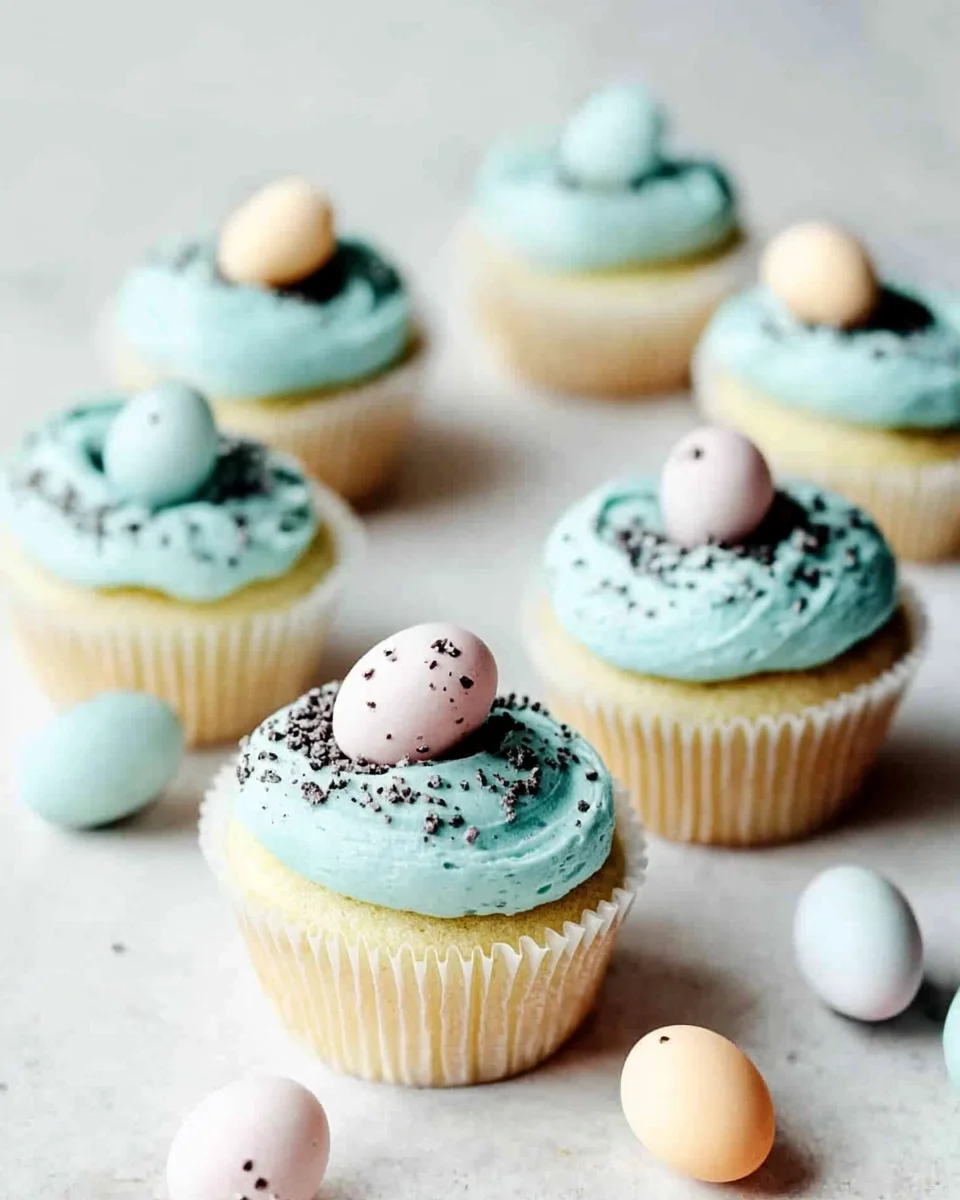
Among the homemade delights, there was always something special, something that embodied the essence of spring itself—soft, pastel-colored cupcakes that looked just like the robin’s eggs we had just collected from the garden. These cupcakes, adorned with speckled frosting and topped with candy eggs, felt like edible pieces of Easter magic.

Now, as an adult, I love recreating that same magic for my own family. Robin’s Egg Easter Cupcakes have become a staple in our home, a symbol of joy, renewal, and the simple pleasures of baking. They are more than just a dessert; they are a reminder of cherished traditions, the laughter of loved ones, and the delight that comes from making something beautiful with your own hands.

If you’re looking for the perfect Easter treat, these cupcakes are it. They are light, fluffy, and infused with rich vanilla flavor, while the buttercream frosting—tinted a delicate robin’s egg blue—is both creamy and dreamy. The speckled design adds a touch of whimsy, making them almost too pretty to eat. Almost.

What Makes These Cupcakes Special?

There are plenty of cupcake recipes out there, but these Robin’s Egg Easter Cupcakes stand out for a few reasons:

  • Homemade Goodness: Unlike store-bought cupcakes or cake mixes, these are made completely from scratch, giving them a richer, more authentic flavor.
  • The Perfect Spring Aesthetic: The pastel blue frosting and speckled cocoa splatter make these cupcakes almost look like real robin’s eggs—ideal for Easter and spring celebrations.
  • A Fun Decorating Experience: If you love DIY projects, you’ll appreciate the creative process of flicking cocoa paint onto the frosting. It’s a bit messy but so much fun!
  • A Kid-Friendly Activity: If you have children, let them help with the decorating! They’ll love placing the mini eggs on top and creating their own unique speckled designs.

Whether you’re hosting an Easter brunch, bringing dessert to a spring picnic, or simply indulging in some festive baking, these cupcakes are guaranteed to be a hit.

Expert Tips for Perfect Easter Cupcakes

To ensure your cupcakes turn out light, fluffy, and picture-perfect, keep these baking tips in mind:

Use Room Temperature Ingredients

Cold ingredients don’t mix as well, which can lead to dense cupcakes. Allow your butter, eggs, sour cream, and milk to come to room temperature before you start baking.

Don’t Overmix the Batter

Overmixing activates the gluten in the flour, which can make your cupcakes tough instead of soft and airy. Mix just until the ingredients are combined.

Bake at the Right Temperature

Make sure your oven is fully preheated before placing your cupcakes inside. Baking at 350°F ensures even cooking and a golden, slightly domed top.

Let the Cupcakes Cool Completely Before Frosting

If you frost warm cupcakes, the buttercream will melt and slide off. Be patient and wait until they are completely cool before decorating.

Go Easy on the Food Coloring

A little goes a long way when tinting the frosting. Start with just a drop or two of blue food coloring, mix well, and add more if needed. You want a soft, pastel hue rather than an intense blue.

Control the Cocoa Splatter

The speckling effect can get messy. To keep your kitchen from looking like a cocoa crime scene, place a baking sheet behind your workspace to catch the splatter. You can also do this step outdoors for easy cleanup.

Whimsical Ingredients for a Spring Delight

For the Cupcakes:

  • 1 ½ cups all-purpose flour
  • ¼ cup cornstarch
  • 1 teaspoon baking powder
  • ¼ teaspoon baking soda
  • ¼ teaspoon salt
  • ½ cup salted butter (room temperature)
  • 1 cup granulated sugar
  • 3 egg whites (room temperature)
  • 3 teaspoons vanilla extract or vanilla bean paste
  • ½ teaspoon almond extract (optional)
  • ½ cup sour cream (room temperature)
  • ½ cup whole milk (room temperature)

For the Frosting:

  • 1 cup salted butter (room temperature)
  • 4 cups powdered sugar
  • 2-3 tablespoons heavy cream
  • 2 teaspoons vanilla extract
  • ½ teaspoon coconut extract (optional)
  • Pinch of salt
  • Blue food coloring

For the Speckled Decoration:

  • 1 tablespoon cocoa powder
  • 3-4 teaspoons vanilla extract
  • Cadbury mini eggs

Step-by-Step Magic: Crafting Your Cupcakes

1. Baking the Cupcakes:

  • Preheat the oven to 350°F and line muffin pans with cupcake liners.
  • In a large bowl, whisk together flour, cornstarch, baking powder, baking soda, and salt.
  • Using a stand or hand mixer, beat butter on high speed for 1 minute until creamy. Add sugar and beat for another 2 minutes.
  • Mix in egg whites, vanilla, and almond extract, then fold in sour cream.
  • Add the dry ingredients and mix on low speed. Gradually pour in milk while mixing until just combined.
  • Fill cupcake liners about ⅔ full and bake for 19-22 minutes, or until a toothpick comes out clean. Let them cool completely before frosting.

2. Whipping Up the Frosting:

  • Beat butter for 2-3 minutes until light and fluffy.
  • Add half of the powdered sugar, mix well, then add the remaining sugar and beat again.
  • Pour in heavy cream, vanilla, coconut extract (if using), and a pinch of salt, beating until smooth.
  • Mix in blue food coloring until you achieve a soft robin’s egg shade.
  • Transfer frosting to a piping bag and swirl onto cooled cupcakes.

3. Decorating with a Speckled Touch:

  • Arrange three Cadbury mini eggs on top of each frosted cupcake.
  • In a small bowl, whisk together cocoa powder and vanilla extract to create “speckle paint.”
  • Dip a stiff pastry brush (or a new paintbrush) into the cocoa mixture and flick speckles onto each cupcake for a natural egg effect.

Nutritional Breakdown Per Cupcake

  • Calories: 461 kcal
  • Carbohydrates: 62g
  • Protein: 3g
  • Fat: 23g
  • Saturated Fat: 14g
  • Cholesterol: 60mg
  • Sodium: 288mg
  • Sugar: 49g
  • Calcium: 47mg
  • Iron: 1mg

These festive cupcakes are perfect for Easter gatherings and can be stored for a few days or frozen for future celebrations!

FAQs: Everything You Need to Know

1. Can I Make These Cupcakes Ahead of Time?

Absolutely! You can bake the cupcakes a day or two in advance and store them in an airtight container at room temperature. If you need to store them longer, unfrosted cupcakes can be frozen for up to two months. Just thaw them overnight in the fridge before decorating.

2. How Long Do These Cupcakes Stay Fresh?

Once frosted and decorated, they will stay fresh at room temperature for 2-3 days. If you refrigerate them, they’ll last up to 5 days. Just let them come to room temperature before serving for the best flavor and texture.

3. Can I Use a Cake Mix Instead of Making Them from Scratch?

Yes, you can, but the homemade version has a superior taste and texture. If you do use a cake mix, consider adding a teaspoon of vanilla extract and a bit of sour cream to enhance the flavor.

4. What Other Flavors Work for These Cupcakes?

While the classic vanilla base is always a winner, you can experiment with different flavors like coconut, lemon, almond, or even a light chocolate cupcake. Just make sure the frosting remains a soft pastel blue to keep the robin’s egg look.

5. Can I Use Store-Bought Frosting?

Technically, yes, but homemade buttercream is much richer and creamier. Store-bought frosting tends to be overly sweet and lacks the fluffy texture that makes these cupcakes truly special.

6. What If I Don’t Have a Piping Bag for the Frosting?

No worries! You can simply spread the frosting on with a knife or use a heavy-duty plastic bag with a corner snipped off. The smooth, rounded frosting look works best for this design.

7. What’s the Best Way to Get the Speckled Effect?

Use a stiff pastry brush or a clean paintbrush to flick the cocoa and vanilla mixture onto the cupcakes. Practice on a plate first to get a feel for the technique before moving to your cupcakes.

8. Can I Make These Gluten-Free?

Yes! Substitute the all-purpose flour with a 1:1 gluten-free flour blend. Just be sure to check that your other ingredients are also gluten-free.

9. How Can I Make These Even More Festive?

Try adding shredded coconut on top for a “nest” effect before placing the mini eggs. You can also mix up the egg colors or use different pastel shades for the frosting.

10. Can I Use a Different Type of Mini Eggs?

Cadbury Mini Eggs are the classic choice, but you can use any pastel-colored chocolate eggs or even jelly beans for a unique twist.

A Sweet Ending: More Than Just a Cupcake

There’s something truly magical about baking during the holidays. It’s not just about the ingredients or the final product—it’s about the memories we create along the way. These Robin’s Egg Easter Cupcakes capture the joy of spring, the excitement of Easter, and the warmth of time spent with loved ones.

So whether you’re making them for a family gathering, a school bake sale, or simply as a treat for yourself, know that you’re baking more than just a dessert. You’re creating a little piece of happiness, a delicious tradition, and a sweet reminder that the simplest things in life—like a perfectly frosted cupcake—can bring the biggest smiles.

aiting

Robin’s Egg Easter Cupcakes: A Sweet Taste of Springtime Joy

Celebrate spring with these adorable Robin’s Egg Easter Cupcakes! Light and fluffy vanilla cupcakes are topped with a luscious buttercream frosting, speckled for a festive touch, and finished with Cadbury mini eggs. These treats are perfect for Easter gatherings and springtime celebrations!
Prep Time 20 minutes
Cook Time 25 minutes
Total Time 45 minutes
Servings: 12 cupcakes
Course: Dessert
Cuisine: American

Ingredients
  

For the Cupcakes:
  • 1 ½ cups all-purpose flour
  • ¼ cup cornstarch
  • 1 teaspoon baking powder
  • ¼ teaspoon baking soda
  • ¼ teaspoon salt
  • ½ cup salted butter room temperature
  • 1 cup granulated sugar
  • 3 egg whites room temperature
  • 3 teaspoons vanilla extract or vanilla bean paste
  • ½ teaspoon almond extract optional
  • ½ cup sour cream room temperature
  • ½ cup whole milk room temperature
For the Frosting:
  • 1 cup salted butter room temperature
  • 4 cups powdered sugar
  • 2-3 tablespoons heavy cream
  • 2 teaspoons vanilla extract
  • ½ teaspoon coconut extract optional
  • Pinch of salt
  • Blue food coloring
For the Speckled Decoration:
  • 1 tablespoon cocoa powder
  • 3-4 teaspoons vanilla extract
  • Cadbury mini eggs

Method
 

  1. Step 1: Baking the Cupcakes
  2. Preheat the oven to 350°F and line muffin pans with cupcake liners.
  3. In a large bowl, whisk together flour, cornstarch, baking powder, baking soda, and salt.
  4. Using a stand or hand mixer, beat butter on high speed for 1 minute until creamy. Add sugar and beat for another 2 minutes.
  5. Mix in egg whites, vanilla, and almond extract, then fold in sour cream.
  6. Add the dry ingredients and mix on low speed. Gradually pour in milk while mixing until just combined.
  7. Fill cupcake liners about ⅔ full and bake for 19-22 minutes, or until a toothpick comes out clean.
  8. Let them cool completely before frosting.
Step 2: Whipping Up the Frosting
  1. Beat butter for 2-3 minutes until light and fluffy.
  2. Add half of the powdered sugar, mix well, then add the remaining sugar and beat again.
  3. Pour in heavy cream, vanilla, coconut extract (if using), and a pinch of salt, beating until smooth.
  4. Mix in blue food coloring until you achieve a soft robin’s egg shade.
  5. Transfer frosting to a piping bag and swirl onto cooled cupcakes.
Step 3: Decorating with a Speckled Touch
  1. Arrange three Cadbury mini eggs on top of each frosted cupcake.
  2. In a small bowl, whisk together cocoa powder and vanilla extract to create “speckle paint.”
  3. Dip a stiff pastry brush (or a new paintbrush) into the cocoa mixture and flick speckles onto each cupcake for a natural egg effect.
  4.  

Notes

  • If you don’t have almond extract, simply use extra vanilla extract.
  • For a richer cupcake, substitute sour cream with Greek yogurt.
  • Store in an airtight container at room temperature for 2 days or in the fridge for up to 5 days.
  • Cupcakes can be frozen without frosting for up to 3 months.

Brooklyn Blackout Cake: A Nostalgic Journey into Chocolate Indulgence

A Taste of Memory: The First Bite That Changed Everything

There are some desserts that transcend time, wrapping themselves around memories and emotions in a way that makes them more than just a sweet treat. The Brooklyn Blackout Cake is one of them.

I remember the first time I tasted it—an old-fashioned bakery in Brooklyn, its display case filled with pastries that looked like they belonged in a different era. The air smelled of cocoa, sugar, and something almost electric, like the hum of a city that never sleeps. I had heard about this legendary cake, a dessert that carried the weight of history and indulgence in every forkful.

The moment I took that first bite, I understood. The rich chocolate layers were impossibly moist, soaked in deep cocoa flavors. The pudding filling was velvety and decadent, each spoonful melting into the cake like it had always belonged there. And the frosting—dark, glossy, and slightly sticky—sealed the whole masterpiece together. It wasn’t just a dessert; it was an experience.

That first bite was more than a flavor; it was a glimpse into the past, a taste of something that felt both historic and personal. The Brooklyn Blackout Cake is more than just chocolate; it’s a story of resilience, celebration, and the kind of indulgence that makes life sweeter.

The History Behind the Legend

The Brooklyn Blackout Cake didn’t just appear out of nowhere. It was born in the 1940s at Ebinger’s Bakery, a beloved Brooklyn institution that had been serving up pastries since 1898. The cake was created during World War II, inspired by the blackout drills that took place across New York City to protect the city from potential air raids. As lights dimmed and windows were covered to keep the city hidden in the dark, Ebinger’s introduced a cake so dark and rich it seemed fitting for the occasion.

For decades, Brooklynites lined up outside Ebinger’s for a taste of the famous Blackout Cake. It was a bakery staple, a cake that symbolized indulgence, community, and history. But when Ebinger’s closed its doors in 1972, the original recipe was lost. What remains today are recreations—variations passed down through families, whispered among bakers, and reimagined by chocolate lovers everywhere.

Even though the original bakery is gone, the Brooklyn Blackout Cake has lived on, its legacy continuing in home kitchens, bakeries, and cafes determined to keep its story alive.

What Makes This Cake So Special?

There are chocolate cakes, and then there’s Brooklyn Blackout Cake. What sets it apart from other chocolate cakes isn’t just its intensity—it’s the layering of textures and flavors that creates something extraordinary.

  • Triple Chocolate Indulgence – The cake itself is rich with cocoa, but it doesn’t stop there. A thick chocolate pudding filling adds an extra layer of creamy decadence, while the frosting ties everything together with a deep, velvety finish.
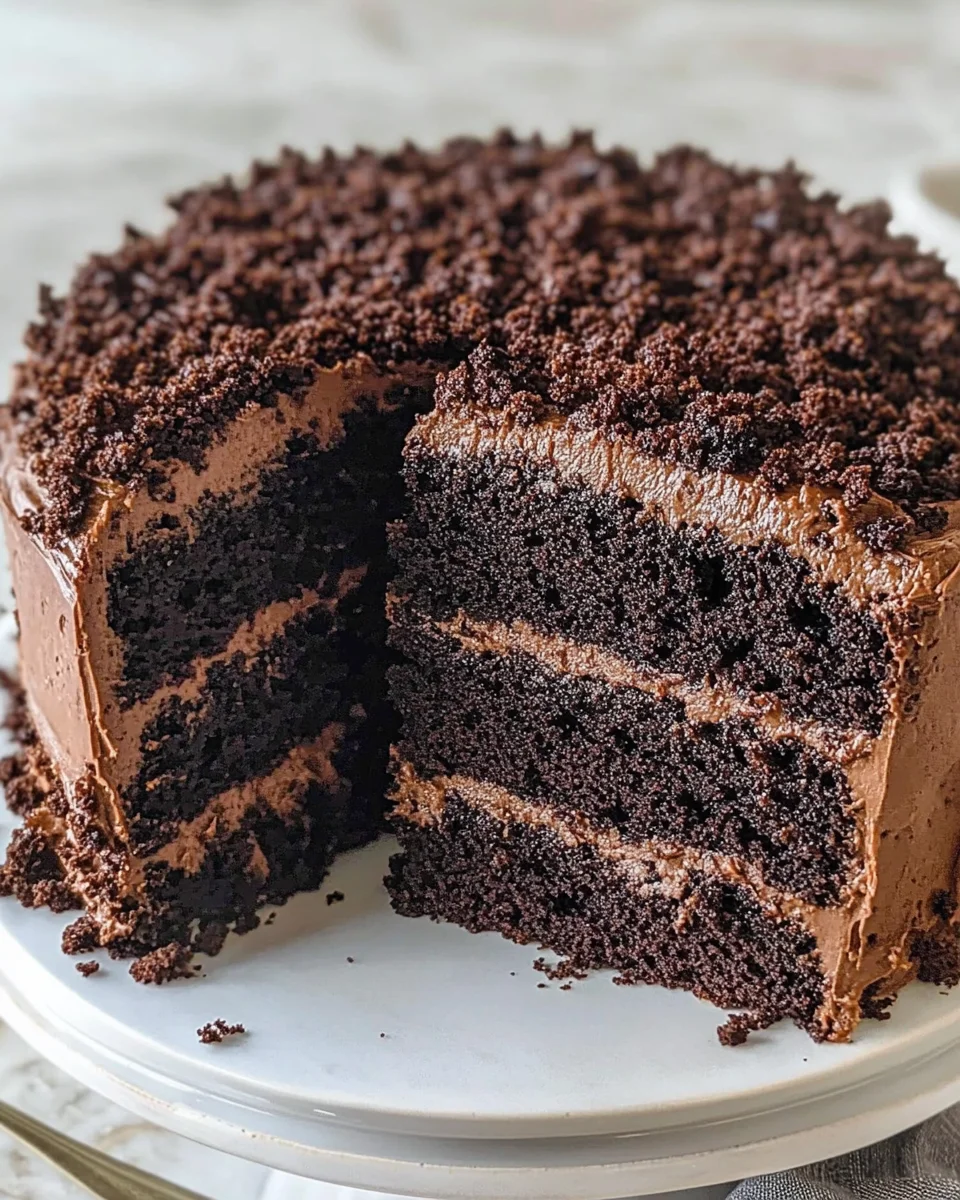
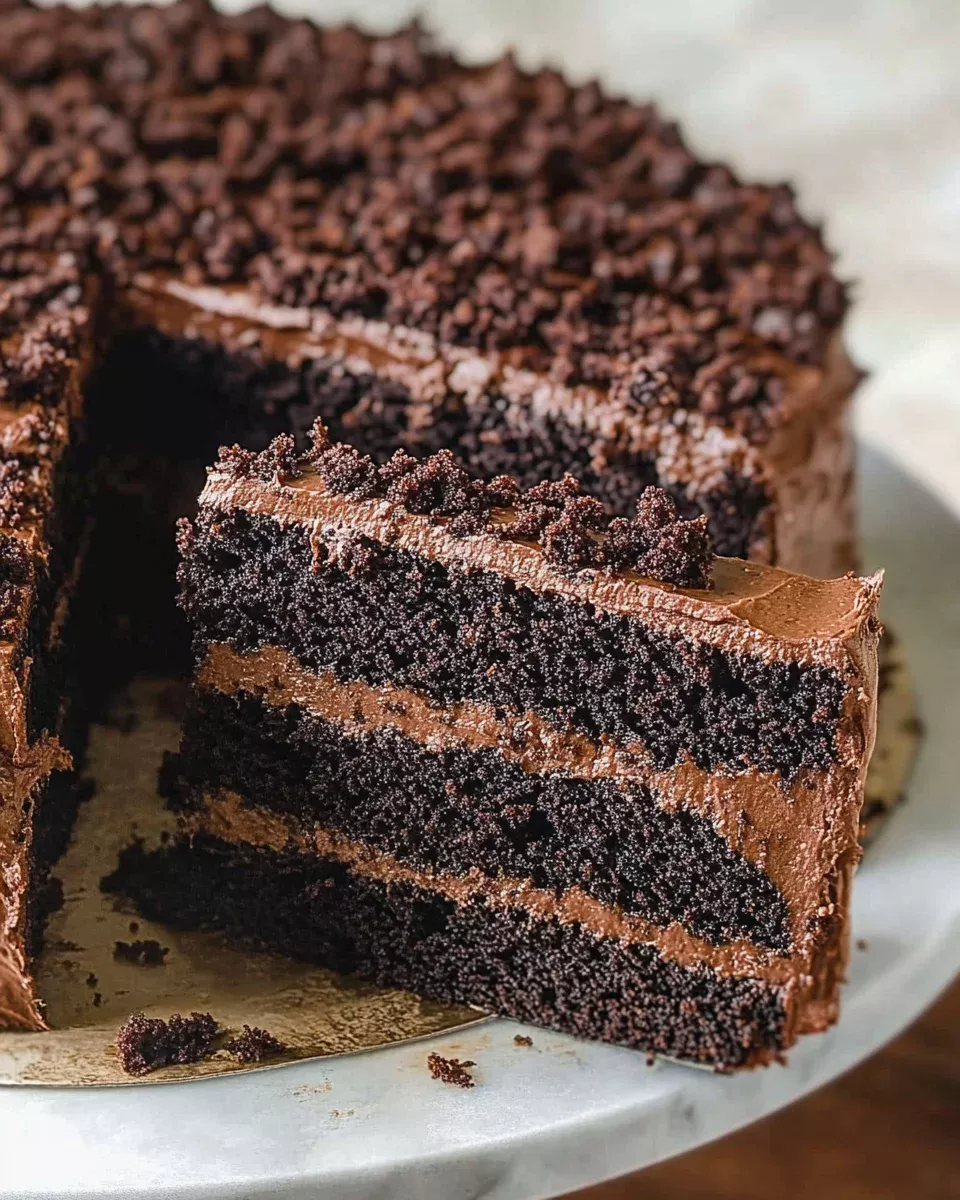
  • Crumb Coating Tradition – One of the signature elements of a Brooklyn Blackout Cake is the outer layer of cake crumbs pressed onto the frosting. This technique isn’t just for looks—it adds a delicate crunch and enhances the overall chocolate experience.
  • Perfect Balance of Sweetness and Depth – Unlike some chocolate cakes that rely on overwhelming sweetness, this one balances dark cocoa with just the right amount of sugar, coffee, and buttermilk to create a flavor that’s deep, complex, and utterly satisfying.

Tips for Making the Best Brooklyn Blackout Cake

Use Quality Cocoa for Maximum Flavor

Since chocolate is the star of this cake, don’t skimp on quality. Dutch-processed cocoa gives the cake its signature dark color and deep flavor. It’s smoother and less acidic than natural cocoa, making it ideal for this recipe.

Brew Some Strong Coffee

A secret ingredient in many great chocolate cakes is coffee. It doesn’t make the cake taste like coffee; instead, it enhances the richness of the chocolate, making every bite even more intense.

Let the Pudding Chill

One of the biggest mistakes when making a Brooklyn Blackout Cake is assembling it before the pudding filling has had time to fully cool and set. If it’s still warm, it can make the cake layers unstable and cause them to slide. Refrigerate the pudding for at least an hour before assembling the cake.

Refrigerate Before Serving

While you might be tempted to dig in right away, letting the cake chill in the refrigerator for a couple of hours allows the flavors to meld and makes slicing much easier. The pudding sets more firmly, and the frosting holds its shape better.

Ingredients: The Chocolate Symphony

For the Cake:

  • 1 ½ cups all-purpose flour
  • 2 teaspoons baking powder
  • ½ teaspoon baking soda
  • ½ teaspoon salt
  • ½ cup unsalted butter, cubed
  • ¾ cup Dutch-processed cocoa
  • 1 cup granulated sugar
  • 1 cup packed brown sugar
  • 1 cup buttermilk
  • 1 cup strong brewed coffee
  • 1 teaspoon vanilla extract
  • 2 large eggs

For the Pudding Filling:

  • ½ cup granulated sugar
  • 2 tablespoons cornstarch
  • ¼ teaspoon salt
  • 1 ½ cups whole milk
  • 3 ounces semisweet chocolate, chopped
  • 1 teaspoon vanilla extract

For the Frosting:

  • 8 ounces semisweet chocolate, chopped
  • ½ cup unsalted butter, cubed
  • ⅓ cup hot water
  • 2 teaspoons light corn syrup
  • 2 teaspoons vanilla extract

Directions: Crafting the Ultimate Chocolate Indulgenc

1. Prep the Cake Batter

  • Preheat the oven to 325°F. Grease two 8-inch round cake pans and line them with parchment paper.
  • In a bowl, whisk together flour, baking powder, baking soda, and salt.
  • Melt butter in a saucepan, then stir in cocoa, granulated sugar, and brown sugar.
  • Remove from heat and mix in buttermilk, coffee, and vanilla.
  • Whisk in eggs one at a time.
  • Stir in the flour mixture until just combined.

2. Bake the Cake

  • Pour the batter evenly into the prepared pans.
  • Bake for 35-40 minutes or until a toothpick inserted in the center comes out clean.
  • Cool in pans for 10 minutes, then transfer to wire racks.

3. Prepare the Chocolate Pudding

  • In a saucepan, whisk together sugar, cornstarch, and salt.
  • Gradually add milk, stirring constantly.
  • Cook over medium heat until thickened.
  • Remove from heat and stir in chopped chocolate and vanilla.
  • Refrigerate until cold.

4. Make the Frosting

  • Melt chocolate and butter in a double boiler.
  • Remove from heat and whisk in hot water, corn syrup, and vanilla.
  • Refrigerate for 25-30 minutes or until spreadable.

5. Assemble the Cake

  • Slice each cake horizontally to create four layers.
  • Set one layer aside to be crumbled later.
  • Place one cake layer on a serving plate and spread half the pudding on top.
  • Repeat with the second layer and remaining pudding.
  • Top with the third cake layer.

6. Frost and Finish

  • Frost the entire cake with the chocolate frosting.
  • Crumble the reserved cake layer and press the crumbs onto the top and sides of the cake.
  • Refrigerate before serving.

Nutritional Breakdown: A Slice of Decadence

(Approximate values per serving, assuming 12 servings)

  • Calories: ~500 kcal
  • Carbohydrates: ~65g
  • Protein: ~6g
  • Fat: ~25g
  • Saturated Fat: ~15g
  • Sugar: ~45g
  • Fiber: ~4g
  • Sodium: ~250mg

Enjoy this rich, nostalgic Brooklyn Blackout Cake—pure chocolate bliss in every bite!

FAQs: Everything You Need to Know About Brooklyn Blackout Cake

1. Is Brooklyn Blackout Cake the same as a regular chocolate cake?

No, this cake is much richer and more complex. The addition of chocolate pudding as a filling gives it an ultra-moist texture, and the crumb coating sets it apart from a traditional chocolate layer cake.

2. Can I make this cake in advance?

Yes! In fact, Brooklyn Blackout Cake tastes even better the next day. You can bake the cake layers a day ahead and store them tightly wrapped at room temperature. The pudding and frosting can be made in advance and stored in the refrigerator. Assemble the cake a few hours before serving for the best results.

3. Can I freeze Brooklyn Blackout Cake?

Absolutely. To freeze, wrap the fully assembled cake in plastic wrap, then in aluminum foil. It can be frozen for up to three months. To serve, let it thaw overnight in the refrigerator.

4. Do I have to use cake crumbs on the outside?

Traditionally, yes. The cake crumbs not only add a unique texture but also help keep the frosting from being too overwhelming. However, if you prefer a smooth-frosted cake, you can skip this step.

5. What’s the best way to store leftovers?

Keep the cake in an airtight container in the refrigerator for up to a week. Before serving, let it sit at room temperature for 15–20 minutes for the best texture.

6. Can I use a different type of chocolate for the pudding and frosting?

You can experiment with dark, milk, or even white chocolate, but semisweet chocolate gives the best balance of sweetness and intensity.

Why This Cake Matters: More Than Just Dessert

Brooklyn Blackout Cake is more than just a rich, chocolate-filled indulgence. It’s a tribute to a bygone era, a nod to the resilience of a city, and a reminder that sometimes, the most delicious things in life come with a story.

Whether you’re making it for a birthday, a holiday, or simply to satisfy a deep chocolate craving, this cake is an experience worth savoring. Each slice carries history, tradition, and an irresistible depth of flavor that makes it unforgettable.

So the next time you take a bite, close your eyes for a moment. Let the chocolate melt on your tongue, feel the creamy pudding coat your taste buds, and imagine the bustling streets of Brooklyn in the 1940s. Because this isn’t just cake—it’s a piece of history, lovingly preserved, one delicious forkful at a time.

aiting

Brooklyn Blackout Cake: A Nostalgic Journey into Chocolate Indulgence

Indulge in the ultimate chocolate experience with this Brooklyn Blackout Cake. With rich, moist layers of chocolate cake, silky pudding filling, and a decadent frosting, this nostalgic dessert is pure bliss for chocolate lovers!
Prep Time 30 minutes
Cook Time 40 minutes
Total Time 2 hours
Servings: 12 servings
Course: Dessert
Cuisine: American

Ingredients
  

For the Cake:
  • 1 ½ cups all-purpose flour
  • 2 teaspoons baking powder
  • ½ teaspoon baking soda
  • ½ teaspoon salt
  • ½ cup unsalted butter cubed
  • ¾ cup Dutch-processed cocoa
  • 1 cup granulated sugar
  • 1 cup packed brown sugar
  • 1 cup buttermilk
  • 1 cup strong brewed coffee
  • 1 teaspoon vanilla extract
  • 2 large eggs
For the Pudding Filling:
  • ½ cup granulated sugar
  • 2 tablespoons cornstarch
  • ¼ teaspoon salt
  • 1 ½ cups whole milk
  • 3 ounces semisweet chocolate chopped
  • 1 teaspoon vanilla extract
For the Frosting:
  • 8 ounces semisweet chocolate chopped
  • ½ cup unsalted butter cubed
  • cup hot water
  • 2 teaspoons light corn syrup
  • 2 teaspoons vanilla extract
  •  

Method
 

  1. Step 1: Prep the Cake Batter
  2. Preheat oven to 325°F. Grease two 8-inch round cake pans and line with parchment paper.
  3. In a bowl, whisk together flour, baking powder, baking soda, and salt.
  4. Melt butter in a saucepan, then stir in cocoa, granulated sugar, and brown sugar.
  5. Remove from heat and mix in buttermilk, coffee, and vanilla.
  6. Whisk in eggs one at a time.
  7. Stir in the flour mixture until just combined.
Step 2: Bake the Cake
  1. Pour batter evenly into prepared pans.
  2. Bake for 35-40 minutes or until a toothpick inserted in the center comes out clean.
  3. Cool in pans for 10 minutes, then transfer to wire racks to cool completely.
Step 3: Prepare the Chocolate Pudding
  1. In a saucepan, whisk together sugar, cornstarch, and salt.
  2. Gradually add milk, stirring constantly.
  3. Cook over medium heat until thickened.
  4. Remove from heat and stir in chopped chocolate and vanilla.
  5. Refrigerate until cold.
Step 4: Make the Frosting
  1. Melt chocolate and butter in a double boiler.
  2. Remove from heat and whisk in hot water, corn syrup, and vanilla.
  3. Refrigerate for 25-30 minutes or until spreadable.
Step 5: Assemble the Cake
  1. Slice each cake horizontally to create four layers.
  2. Set one layer aside to be crumbled later.
  3. Place one cake layer on a serving plate and spread half the pudding on top.
  4. Repeat with the second layer and remaining pudding.
  5. Top with the third cake layer.
Step 6: Frost and Finish
  1. Frost the entire cake with chocolate frosting.
  2. Crumble the reserved cake layer and press crumbs onto the top and sides of the cake.
  3. Refrigerate before serving.

Notes

  • Use high-quality cocoa and chocolate for the best flavor.
  • Let the cake chill for a few hours before serving for the best texture.
  • Store leftovers in the refrigerator for up to 3 days.

Chicken Pot Pie Pasta: A Hearty Twist on a Classic Comfort Dish

A Bowl of Memories: How This Dish Became a Family Favorite

Growing up, chicken pot pie was more than just a meal in our house—it was a tradition. My grandmother would spend hours in the kitchen, rolling out the perfect buttery crust, slow-cooking the filling, and filling the entire house with a warm, savory aroma that made my mouth water. But as much as I loved those nights, I also remember the long wait, the delicate balancing act of getting the crust just right, and the inevitable mess of flour-dusted countertops.

Fast forward to adulthood, where time is a luxury and patience is sometimes in short supply. One evening, as I was craving that same comforting taste but had no energy for pastry-making, inspiration struck. What if I could capture the essence of chicken pot pie without the fuss? That’s when Chicken Pot Pie Pasta was born.

This dish is a tribute to those childhood memories, but with a modern, weeknight-friendly twist. It delivers all the rich, creamy flavors of traditional chicken pot pie but skips the time-consuming crust in favor of tender, buttery egg noodles. The result? A soul-soothing, hearty meal that’s ready in under 30 minutes and satisfies every bit as much as the classic.

Whether you’re making this for a busy family dinner, a cozy date night, or simply a comforting solo meal, this dish brings nostalgia and convenience together in a way that makes every bite feel like home.

Why You’ll Love This Chicken Pot Pie Pasta

1. A Shortcut to Comfort

Traditional chicken pot pie is a labor of love, but let’s be honest—not everyone has the time (or desire) to make a homemade crust on a hectic weeknight. This pasta version eliminates that step without sacrificing the essence of the dish.

2. Rich, Creamy, and Incredibly Satisfying

The heart of any good chicken pot pie is its filling—a thick, velvety sauce infused with herbs, tender chunks of chicken, and vibrant veggies. This pasta dish recreates that same magic with a luscious cream sauce that clings to every noodle.

3. Perfect for Leftovers

Like a fine stew, this dish only gets better as it sits. The noodles absorb even more of the savory flavors overnight, making next-day leftovers an absolute treat.

4. Customizable for Every Taste

Whether you want to add bacon, swap the chicken for turkey, or toss in some mushrooms for an umami boost, this recipe is incredibly flexible. It’s also easy to make lighter by swapping heavy cream for a lower-fat alternative or using whole wheat pasta.

5. A Hit with Kids and Adults Alike

Some comfort foods are purely nostalgic for adults, but this one bridges the generational gap. Kids love the creamy sauce and tender noodles, while grown-ups appreciate the rich depth of flavor.

Pro Tips for the Best Chicken Pot Pie Pasta

Even though this dish is quick and simple, a few small tweaks can take it from good to unforgettable.

1. Use Rotisserie Chicken for Convenience

If you don’t have time to cook chicken from scratch, a store-bought rotisserie chicken is a lifesaver. It’s already seasoned, tender, and shreds beautifully into the sauce.

2. Don’t Overcook the Pasta

Since the noodles will continue to absorb sauce after being mixed in, it’s best to cook them slightly under al dente. This keeps them from turning mushy as they sit.

3. Toast the Flour for a Deeper Flavor

When making the roux (butter and flour mixture), cook it for an extra minute or two before adding the broth. This removes any raw flour taste and creates a more flavorful, nutty base for the sauce.

4. Adjust the Consistency as Needed

If the sauce thickens too much while sitting, a splash of milk, broth, or reserved pasta water will loosen it back up without diluting the flavor.

5. Add a Crispy Topping for a True Pot Pie Feel

Missing that signature flaky crust? Try sprinkling crushed Ritz crackers, breadcrumbs, or even crispy fried onions on top for a delicious crunch.

Gather Your Ingredients

  • Base:
    • 12 ounces egg noodles
  • The Magic Begins with Butter:
    • 3 tablespoons unsalted butter, divided
  • Flavor Builders:
    • 1 medium yellow onion, diced
    • 3 cloves garlic, minced
  • Veggie Goodness:
    • 1 ½ cups frozen mixed vegetables (peas, carrots, corn), thawed
  • Aromatic Touch:
    • 1 teaspoon salt
    • 1 teaspoon dried thyme
    • ½ teaspoon dried rosemary
    • ½ teaspoon black pepper
  • Creamy Dreamy Sauce:
    • 3 tablespoons all-purpose flour
    • 1 ½ cups chicken broth
    • 1 cup heavy cream
  • Protein Power:
    • 2 cups cooked chicken breast, shredded or diced
  • Finishing Touches:
    • ¼ cup fresh parsley, chopped (for garnish)
    • 1 cup crushed Ritz crackers or breadcrumbs

Simple Steps to Cozy Goodness

  1. Boil the Pasta: Cook the egg noodles until just before al dente. Drain and set aside.
  2. Sauté the Base: Melt 2 tablespoons of butter in a large skillet over medium heat. Add the onion and mixed vegetables, cooking until the onion turns translucent.
  3. Herb & Spice Infusion: Stir in garlic, salt, thyme, rosemary, and black pepper for deep flavor.
  4. Make It Velvety: Add the remaining butter and sprinkle in the flour, mixing until it becomes a paste.
  5. Build the Sauce: Gradually pour in the chicken broth while stirring to prevent lumps. Then, add heavy cream and simmer for 3–5 minutes until thick.
  6. Bring It All Together: Toss in the cooked noodles and shredded chicken, ensuring they are fully coated in the creamy sauce.
  7. The Grand Finale: Serve hot, topped with fresh parsley and crushed Ritz crackers for a crispy, pie-like touch. Enjoy!

A Bite of Nutrition

  • Calories: 440 kcal
  • Fat: 21g (Saturated Fat: 11g)
  • Cholesterol: 107mg
  • Sodium: 582mg
  • Carbohydrates: 44g (Fiber: 3g, Sugar: 3g)
  • Protein: 18g
  • Calcium: 73mg
  • Iron: 2mg

This dish brings all the nostalgia of a classic pot pie but in an easy, pasta-based form—no crust required!

FAQs About Chicken Pot Pie Pasta

1. Can I Make This Recipe Ahead of Time?

Yes! This dish actually tastes better the next day because the flavors have more time to meld together. Store it in an airtight container in the fridge and reheat with a splash of milk or broth to bring back the creamy texture.

2. Can I Freeze Chicken Pot Pie Pasta?

This dish is best enjoyed fresh or refrigerated for a few days. Freezing is not recommended because the cream sauce can separate, and the pasta may become too soft upon thawing.

3. What Type of Pasta Works Best?

Egg noodles are the classic choice because their wide, flat shape holds the creamy sauce beautifully. However, you can also use penne, rotini, or even fettuccine for a slightly different texture.

4. How Can I Make This Dish Healthier?

To lighten up this dish, you can:

  • Use whole wheat or chickpea pasta for extra fiber and protein.
  • Substitute half-and-half or evaporated milk for the heavy cream.
  • Increase the vegetable portion and slightly reduce the pasta.

5. Can I Make This Dish Dairy-Free?

Absolutely! Swap the butter for dairy-free margarine, use a plant-based heavy cream alternative, and ensure your crackers or breadcrumbs are dairy-free. The dish will still be rich and flavorful.

Pairing Ideas: What to Serve with Chicken Pot Pie Pasta

Since this dish is rich and creamy, pairing it with something light and fresh can help balance the meal. Here are some great side options:

  • Crisp Side Salad: A simple salad with a tangy vinaigrette helps cut through the richness.
  • Roasted Vegetables: Brussels sprouts, green beans, or asparagus roasted with a little olive oil and garlic complement this dish beautifully.
  • Garlic Bread or Dinner Rolls: Because extra sauce deserves to be soaked up with something delicious.
  • Corn on the Cob: A sweet, buttery contrast to the savory flavors of the pasta.

Why This Dish Will Become a Staple in Your Home

Chicken Pot Pie Pasta isn’t just a recipe—it’s an experience. It’s the kind of dish that wraps you in warmth after a long day, that brings people together around the dinner table, and that turns leftovers into something you look forward to.

Maybe you’re a busy parent looking for an easy yet comforting meal. Maybe you’re someone who craves nostalgia but doesn’t have the time for a full-blown pie. Or maybe you’re just a lover of all things creamy, hearty, and satisfying.

No matter the reason, this dish is one you’ll find yourself making again and again. And with every bite, you’ll taste a little bit of that home-cooked love—no pie crust required.

aiting

Chicken Pot Pie Pasta: A Hearty Twist on a Classic Comfort Dish

Enjoy the comforting flavors of a classic chicken pot pie in an easy, pasta-based dish! This creamy, hearty meal is packed with tender chicken, wholesome vegetables, and a rich, velvety sauce, all topped with a crispy, buttery crunch.
 
Prep Time 10 minutes
Cook Time 20 minutes
Total Time 30 minutes
Servings: 6 servings
Course: Main Course
Cuisine: American

Ingredients
  

For the Base:
  • 12 ounces egg noodles
For the Butter Base:
  • 3 tablespoons unsalted butter divided
For the Flavor Builders:
  • 1 medium yellow onion diced
  • 3 cloves garlic minced
For the Veggies:
  • 1 ½ cups frozen mixed vegetables peas, carrots, corn, thawed
For the Seasoning:
  • 1 teaspoon salt
  • 1 teaspoon dried thyme
  • ½ teaspoon dried rosemary
  • ½ teaspoon black pepper
For the Creamy Sauce:
  • 3 tablespoons all-purpose flour
  • 1 ½ cups chicken broth
  • 1 cup heavy cream
For the Protein:
  • 2 cups cooked chicken breast shredded or diced
For the Finishing Touches:
  • ¼ cup fresh parsley chopped (for garnish)
  • 1 cup crushed Ritz crackers or breadcrumbs

Method
 

  1. Step 1: Boil the Pasta
  2. Cook the egg noodles according to package instructions until just before al dente.
  3. Drain and set aside.
Step 2: Sauté the Base
  1. Melt 2 tablespoons of butter in a large skillet over medium heat.
  2. Add the onion and mixed vegetables, cooking until the onion turns translucent.
Step 3: Herb & Spice Infusion
  1. Stir in garlic, salt, thyme, rosemary, and black pepper for deep flavor.
Step 4: Make It Velvety
  1. Add the remaining butter and sprinkle in the flour, mixing until it forms a paste.
Step 5: Build the Sauce
  1. Gradually pour in the chicken broth while stirring to prevent lumps.
  2. Add heavy cream and simmer for 3–5 minutes until thickened.
Step 6: Bring It All Together
  1. Toss in the cooked noodles and shredded chicken, ensuring they are fully coated in the creamy sauce.
Step 7: The Grand Finale
  1. Serve hot, topped with fresh parsley and crushed Ritz crackers for a crispy, pie-like touch.
  2. Enjoy!

Notes

  • For extra richness, swap half of the heavy cream for whole milk.
  • Use rotisserie chicken for added convenience and flavor.
  • Add mushrooms or bell peppers for more depth and texture.
  • Leftovers reheat well, but add a splash of broth or milk to maintain creaminess.

Slow Cooker Beef and Broccoli: A Comforting Classic for Busy Days

A Dish That Brings Families Together

There’s something truly special about a home-cooked meal that fills your kitchen with rich, savory aromas. For me, slow cooker beef and broccoli is more than just a recipe—it’s a connection to the simple joys of family dinners, where everyone gathers around the table after a long day.

I remember the first time I made this dish. It was a chaotic week, filled with deadlines, errands, and the ever-growing list of responsibilities that come with adulthood. I needed something effortless, yet delicious enough to feel like a homemade treat. Enter the slow cooker—a lifesaver in times of busyness. As the hours passed, the scent of garlic, soy sauce, and sesame oil slowly infused the air, making the house feel warm and inviting.

By dinnertime, the beef was melt-in-your-mouth tender, the broccoli perfectly crisp-tender, and the sauce thick and savory, clinging to every bite. As my family dug in, the stress of the day melted away, replaced by the comfort of a meal that felt just as good as it tasted. From that moment, this dish became a staple in our home—a go-to for when we needed something easy, flavorful, and nourishing.

Why Slow Cooker Beef and Broccoli is a Must-Try

1. A Healthier Take on Takeout

Ordering Chinese takeout is tempting, but homemade versions often taste better and are healthier. This slow cooker beef and broccoli allows you to control the ingredients, reducing excess sodium, sugar, and preservatives. You can swap in lower-sodium soy sauce, use lean cuts of beef, and adjust the sweetness to suit your preference.

2. Minimal Effort, Maximum Flavor

The beauty of a slow cooker meal lies in its simplicity. With just a few minutes of prep, the slow cooker does the rest of the work for you. There’s no need for constant stirring or watching over the stove—just set it and forget it.

3. A Versatile Dish for Any Occasion

Whether it’s a quick weeknight dinner, a meal prep staple, or a comforting dish for guests, slow cooker beef and broccoli fits the bill. Pair it with rice, quinoa, or even cauliflower rice for a low-carb option.

Gather Your Ingredients

  • 2 lbs sirloin steak – sliced into thin, 4-inch-long strips
  • Salt and black pepper – to taste
  • 1 cup soy sauce – regular or low-sodium
  • 1 cup beef broth – or beef stock for a richer flavor
  • ¼ cup oyster sauce – for depth and umami
  • ⅓ cup brown sugar – light or dark
  • 1 tbsp sesame oil – adds a nutty aroma
  • 1 tsp garlic – minced (fresh or jarred)
  • 3 tbsp cornstarch – thickens the sauce
  • 1 head of broccoli – cut into florets
  • Sesame seeds – for garnish

How to Bring This Dish to Life

1. Prep the Beef
Place the sliced sirloin steak at the bottom of a 7-quart slow cooker. Season with salt and black pepper to taste.

2. Mix the Sauce
In a bowl, whisk together soy sauce, beef broth, oyster sauce, brown sugar, sesame oil, and garlic. Add cornstarch and whisk until smooth with no lumps.

3. Let the Magic Happen
Pour the sauce over the beef, ensuring even coverage. Cover and cook:

  • Low heat: 5–6 hours
  • High heat: 3.5–5 hours
    Stir occasionally for even cooking.

4. Add the Broccoli
Thirty minutes before serving, toss in the broccoli florets. Stir occasionally to coat them in the sauce and let them steam until tender.

5. Serve and Savor
Using tongs, serve the beef and broccoli over steamed white rice, brown rice, or jasmine rice. Garnish with sesame seeds (and sliced green onions if desired).

Nutritional Breakdown (Per Serving)

  • Calories: 353 kcal
  • Carbohydrates: 26g
  • Protein: 41g
  • Fat: 10g (Saturated: 3g)
  • Cholesterol: 92mg
  • Sodium: 2696mg
  • Potassium: 964mg
  • Fiber: 3g
  • Sugar: 14g
  • Vitamin A: 631 IU
  • Vitamin C: 91mg
  • Calcium: 114mg
  • Iron: 4mg

Enjoy your homemade slow cooker beef and broccoli—a dish packed with bold flavors, tender beef, and vibrant broccoli!

FAQs: Everything You Need to Know About Slow Cooker Beef and Broccoli

What Type of Beef Works Best?

The key to tender beef in a slow cooker is choosing the right cut. Sirloin steak, flank steak, or chuck roast are excellent choices. Sirloin and flank steak are leaner options that cook up tender, while chuck roast has more marbling, adding a richer flavor.

Can I Use Frozen Beef?

Yes, but it’s best to thaw the beef beforehand to ensure even cooking. If you must use frozen beef, extend the cooking time and ensure the internal temperature reaches at least 165°F.

How Can I Make the Sauce Thicker?

The sauce thickens naturally with cornstarch, but if you prefer an even thicker consistency, try these tips:

  • Remove some of the sauce and whisk in additional cornstarch before adding it back.
  • Let the sauce simmer uncovered in the slow cooker for the last 30 minutes.

Can I Use Frozen Broccoli?

Fresh broccoli is ideal because it holds its texture better, but if you’re in a pinch, frozen broccoli can work. Add it in during the last few minutes of cooking to prevent it from becoming mushy.

Is This Recipe Gluten-Free?

It can be! Simply swap regular soy sauce for tamari or coconut aminos, which are both gluten-free alternatives. Make sure your oyster sauce is also labeled gluten-free.

What Other Vegetables Can I Add?

Feel free to customize this dish by adding bell peppers, snap peas, mushrooms, or carrots. Just ensure they are added at the right time to prevent overcooking.

How Long Does It Keep?

  • Refrigerator: Store leftovers in an airtight container for up to 4 days.
  • Freezer: This dish freezes well for up to 3 months. Thaw overnight in the fridge before reheating.

Can I Cook This on the Stovetop Instead?

Absolutely! If you don’t have time for slow cooking, you can make this dish on the stovetop. Simply brown the beef in a pan, add the sauce ingredients, and simmer until the beef is tender. Add the broccoli at the end, just as you would in the slow cooker method.

Tips for the Best Slow Cooker Beef and Broccoli

1. Slice the Beef Thinly

Thin strips of beef cook more evenly and absorb the sauce better. If you struggle with slicing, try freezing the beef for about 15 minutes before cutting—it makes the process much easier.

2. Don’t Overcook the Broccoli

Adding the broccoli too early can result in a mushy texture. Always add it in the last 30 minutes to preserve its vibrant color and slight crunch.

3. Balance the Sweet and Savory Flavors

Taste the sauce before adding it to the slow cooker. If you prefer a sweeter profile, add a little more brown sugar. For a more savory kick, increase the soy sauce or add a splash of rice vinegar.

4. Garnish for Extra Flavor

A sprinkle of sesame seeds and sliced green onions enhances both the taste and presentation of the dish. You can also drizzle a little extra sesame oil for added depth.

Why This Recipe Deserves a Spot in Your Rotation

Slow cooker beef and broccoli is more than just an easy meal—it’s a dish that delivers comfort, nutrition, and restaurant-quality flavor without the hassle. Whether you’re cooking for your family, meal-prepping for the week, or simply craving a satisfying dinner, this recipe is sure to become a favorite.

Every time I make it, I’m reminded of the simple joy that comes with a warm, home-cooked meal after a long day. It’s a reminder that good food doesn’t have to be complicated—sometimes, the best dishes are the ones that let time and patience do the work for you.

So the next time you’re looking for a stress-free, crowd-pleasing dinner, give this slow cooker beef and broccoli a try. It just might become your new go-to comfort meal.

aiting

Slow Cooker Beef and Broccoli: A Comforting Classic for Busy Days

This slow cooker beef and broccoli is a fuss-free, flavorful dish that delivers tender beef, crisp broccoli, and a rich, savory sauce. Perfect for busy days, this dish pairs beautifully with steamed rice for a complete meal!
 
Prep Time 10 minutes
Cook Time 5 hours
Total Time 5 hours 10 minutes
Servings: 6 servings
Course: Main Course
Cuisine: Asian-inspired

Ingredients
  

  • 2 lbs sirloin steak – sliced into thin 4-inch-long strips
  • Salt and black pepper – to taste
  • 1 cup soy sauce – regular or low-sodium
  • 1 cup beef broth – or beef stock for a richer flavor
  • ¼ cup oyster sauce – for depth and umami
  • cup brown sugar – light or dark
  • 1 tbsp sesame oil – adds a nutty aroma
  • 1 tsp garlic – minced fresh or jarred
  • 3 tbsp cornstarch – thickens the sauce
  • 1 head of broccoli – cut into florets
  • Sesame seeds – for garnish

Method
 

  1. Step 1: Prep the Beef
  2. Place the sliced sirloin steak at the bottom of a 7-quart slow cooker.
  3. Season with salt and black pepper to taste.
Step 2: Mix the Sauce
  1. In a bowl, whisk together soy sauce, beef broth, oyster sauce, brown sugar, sesame oil, and garlic.
  2. Add cornstarch and whisk until smooth with no lumps.
Step 3: Let the Magic Happen
  1. Pour the sauce over the beef, ensuring even coverage.
Cover and cook:
  1. Low heat: 5–6 hours
  2. High heat: 3.5–5 hours
  3. Stir occasionally for even cooking.
Step 4: Add the Broccoli
  1. Thirty minutes before serving, toss in the broccoli florets.
  2. Stir occasionally to coat them in the sauce and let them steam until tender.
Step 5: Serve and Savor
  1. Using tongs, serve the beef and broccoli over steamed white rice, brown rice, or jasmine rice.
  2. Garnish with sesame seeds (and sliced green onions if desired).

Notes

  • If you prefer extra tender beef, marinate it in 1 tablespoon of cornstarch mixed with a bit of soy sauce before adding it to the slow cooker.
  • For a thicker sauce, remove ½ cup of the cooking liquid, mix with an additional 1 tbsp cornstarch, and stir it back into the slow cooker 15 minutes before serving.
  • Serve with extra oyster sauce or soy sauce for added richness.

Chocolate Almond Macarons: Irresistibly Easy Recipe!

Ah, the sweet allure of Chocolate Almond Macarons! Just saying the name makes my taste buds dance with anticipation. These delightful treats are like little bites of heaven, perfect for those moments when you need a quick pick-me-up or want to impress your loved ones with a homemade dessert. As a busy mom myself, I know how precious time can be, and this recipe is a lifesaver. It’s simple, yet sophisticated, and the combination of rich chocolate and nutty almond is simply irresistible. Let’s dive into this culinary adventure together!

Why You’ll Love This Chocolate Almond Macarons

These Chocolate Almond Macarons are a dream come true for any dessert lover. They’re not just delicious; they’re a breeze to make, even on a hectic day. The crispy shell paired with a luscious chocolate ganache filling is a match made in heaven. Plus, they’re gluten-free, making them a delightful treat for everyone. Trust me, once you try them, you’ll be hooked!

Ingredients Chocolate Almond Macarons

Creating these Chocolate Almond Macarons is a delightful journey, and it all starts with the right ingredients. Here’s what you’ll need:

  • Almond Flour: This gives the macarons their signature nutty flavor and smooth texture. You can make your own by grinding blanched almonds.
  • Powdered Sugar: Essential for that melt-in-your-mouth sweetness and smoothness. It blends seamlessly with almond flour.
  • Cocoa Powder: Adds a rich chocolatey depth. Opt for unsweetened for the best balance.
  • Egg Whites: The backbone of the macaron shell. Ensure they’re at room temperature for optimal whipping.
  • Granulated Sugar: Helps stabilize the meringue, giving the macarons their structure.
  • Vanilla Extract: A hint of vanilla enhances the overall flavor profile. Feel free to experiment with other extracts.
  • Pinch of Salt: Balances the sweetness and enhances the chocolate flavor.
  • Chocolate Ganache: The luscious filling that ties everything together. You can use store-bought or homemade.

For exact quantities, scroll to the bottom of the article where you can print the full recipe. Happy baking!

How to Make Chocolate Almond Macarons

Preparing the Dry Ingredients

First things first, let’s get those dry ingredients ready. Sift together the almond flour, powdered sugar, and cocoa powder into a bowl. This step is crucial for achieving that smooth, delicate texture we all love in macarons. Trust me, you don’t want any lumps sneaking into your batter!

Whipping the Egg Whites

Now, onto the egg whites. In a separate bowl, beat the egg whites with a pinch of salt until they become foamy. Gradually add the granulated sugar, a little at a time, while continuing to beat. You’re aiming for stiff peaks here, which should take about 5-7 minutes. This is where the magic happens, as the meringue gives the macarons their structure.

Combining Ingredients

With your meringue ready, it’s time to gently fold in the dry ingredients. Do this in three additions, being careful not to deflate the mixture. The batter should flow like lava and form a ribbon when lifted. This consistency is key to perfect macarons, so take your time and be gentle.

Piping the Macarons

Transfer the batter to a piping bag fitted with a round tip. Pipe small circles, about 1.5 inches in diameter, onto parchment-lined baking sheets. Leave some space between each macaron to allow for spreading. Once piped, tap the baking sheets firmly on the counter to release any air bubbles. Let them sit at room temperature for 30-60 minutes until a skin forms on the surface.

Baking and Cooling

Preheat your oven to 300°F (150°C). Bake the macarons for 15-20 minutes, rotating the sheets halfway through. You’ll know they’re done when they’ve risen and formed a ‘foot.’ Allow them to cool completely on the baking sheets before gently removing them. Patience is key here, as removing them too soon can lead to breakage.

Filling the Macarons

Once cooled, it’s time to fill these beauties. Pair the macarons by size and fill them with chocolate ganache. Press them together gently to avoid cracking. The ganache acts as the glue, holding the macarons together and adding that luscious, chocolatey goodness. And there you have it, your homemade Chocolate Almond Macarons are ready to enjoy!

Tips for Success

  • Ensure your egg whites are at room temperature for better volume.
  • Sift dry ingredients twice to avoid lumps in the batter.
  • Use a kitchen scale for precise measurements.
  • Let piped macarons rest until a skin forms to prevent cracking.
  • Rotate baking sheets halfway through for even baking.
  • Practice patience; macarons improve with practice!

Equipment Needed

  • Mixing Bowls: Essential for combining ingredients. Use any size that fits your needs.
  • Electric Mixer: A hand or stand mixer works for whipping egg whites.
  • Sifter: Ensures a smooth batter by removing lumps.
  • Piping Bag: A ziplock bag with a snipped corner can substitute.
  • Baking Sheets: Line with parchment paper for easy removal.
  • Oven Thermometer: Ensures accurate baking temperature.

Variations

  • Flavor Twist: Add a teaspoon of almond or peppermint extract to the meringue for a unique flavor profile.
  • Colorful Macarons: Use gel food coloring to tint the batter for festive occasions.
  • Nut-Free Option: Substitute almond flour with sunflower seed flour for a nut-free version.
  • Vegan Macarons: Replace egg whites with aquafaba (chickpea brine) for a plant-based treat.
  • Different Fillings: Try fruit preserves, flavored buttercream, or caramel for a delightful surprise.

Serving Suggestions

  • Tea Time Delight: Pair these macarons with a cup of Earl Grey or chamomile tea for a soothing afternoon treat.
  • Elegant Presentation: Arrange on a tiered dessert stand for a sophisticated touch at gatherings.
  • Wine Pairing: Enjoy with a glass of sweet dessert wine like Moscato for a luxurious experience.
  • Fruit Garnish: Serve alongside fresh berries to complement the rich chocolate flavor.

FAQs about Chocolate Almond Macarons

How do I prevent my macarons from cracking?

Cracking can be a common issue, but it’s easily avoidable. Ensure your piped macarons rest until a skin forms on the surface before baking. This step is crucial as it helps prevent cracking. Also, check your oven temperature with an oven thermometer to ensure it’s accurate, as too high a temperature can cause cracks.

Can I make Chocolate Almond Macarons without almond flour?

Yes, you can substitute almond flour with sunflower seed flour for a nut-free version. The texture and flavor will be slightly different, but it’s a great alternative for those with nut allergies. Just make sure to sift the sunflower seed flour well to avoid any lumps.

Why are my macarons hollow?

Hollow macarons can result from overmixing the batter or baking at too high a temperature. Aim for a batter that flows like lava and forms a ribbon when lifted. Also, ensure your oven is at the correct temperature by using an oven thermometer. Rotating the baking sheets halfway through can also help achieve even baking.

How long can I store Chocolate Almond Macarons?

These delightful treats can be stored in an airtight container in the refrigerator for up to a week. For longer storage, freeze them for up to three months. Just make sure to bring them to room temperature before serving to enjoy their full flavor and texture.

Can I use different fillings for my macarons?

Absolutely! While chocolate ganache is a classic choice, feel free to experiment with other fillings like fruit preserves, flavored buttercream, or caramel. Each filling offers a unique twist, making your macarons even more delightful and versatile.

Final Thoughts

Embarking on the journey of making Chocolate Almond Macarons is like crafting little pieces of edible art. Each step, from whipping the egg whites to piping the batter, is a dance of precision and creativity. The joy of biting into that first macaron, with its delicate shell and rich ganache, is truly unparalleled. These treats are more than just a dessert; they’re a testament to the magic of baking. Whether you’re sharing them with loved ones or savoring them solo, these macarons are sure to bring a smile to your face and warmth to your heart. Happy baking!

Chocolate Almond Macarons
Paul

Chocolate Almond Macarons: Irresistibly Easy Recipe!

These Chocolate Almond Macarons are a delightful treat, combining the rich flavors of chocolate and almond in a delicate, crispy shell filled with luscious chocolate ganache.
Prep Time 30 minutes
Cook Time 20 minutes
Total Time 1 hour 30 minutes
Servings: 24 macarons (12 filled pairs)
Course: Dessert
Cuisine: French
Calories: 150

Ingredients
  

  • 1 ½ cups almond flour
  • 1 ½ cups powdered sugar
  • ½ cup cocoa powder
  • 4 large egg whites room temperature
  • 1 cup granulated sugar
  • ½ teaspoon vanilla extract
  • Pinch of salt
  • Chocolate ganache for filling

Method
 

  1. Preheat your oven to 300°F (150°C) and line two baking sheets with parchment paper.
  2. In a bowl, sift together the almond flour, powdered sugar, and cocoa powder. Set aside.
  3. In a separate bowl, beat the egg whites with a pinch of salt until foamy. Gradually add the granulated sugar while continuing to beat until stiff peaks form. This should take about 5-7 minutes.
  4. Gently fold the dry ingredients into the meringue in three additions, being careful not to deflate the mixture. The batter should flow like lava and form a ribbon when lifted.
  5. Transfer the batter to a piping bag fitted with a round tip. Pipe small circles (about 1.5 inches in diameter) onto the prepared baking sheets, leaving space between each macaron.
  6. Tap the baking sheets firmly on the counter to release any air bubbles. Let the macarons sit at room temperature for 30-60 minutes until a skin forms on the surface.
  7. Bake in the preheated oven for 15-20 minutes, rotating the sheets halfway through. The macarons are done when they have risen and formed a ‘foot.’
  8. Allow the macarons to cool completely on the baking sheets before gently removing them.
  9. Once cooled, pair the macarons and fill them with chocolate ganache. Press them together gently.

Notes

  • For a flavored macaron, add 1 teaspoon of your favorite extract (like almond or peppermint) to the meringue before folding in the dry ingredients.
  • Experiment with different fillings such as fruit preserves, buttercream, or flavored ganaches to create a variety of macarons.