Refresh Your Day with Cucumber Peanut Butter Salad Delight

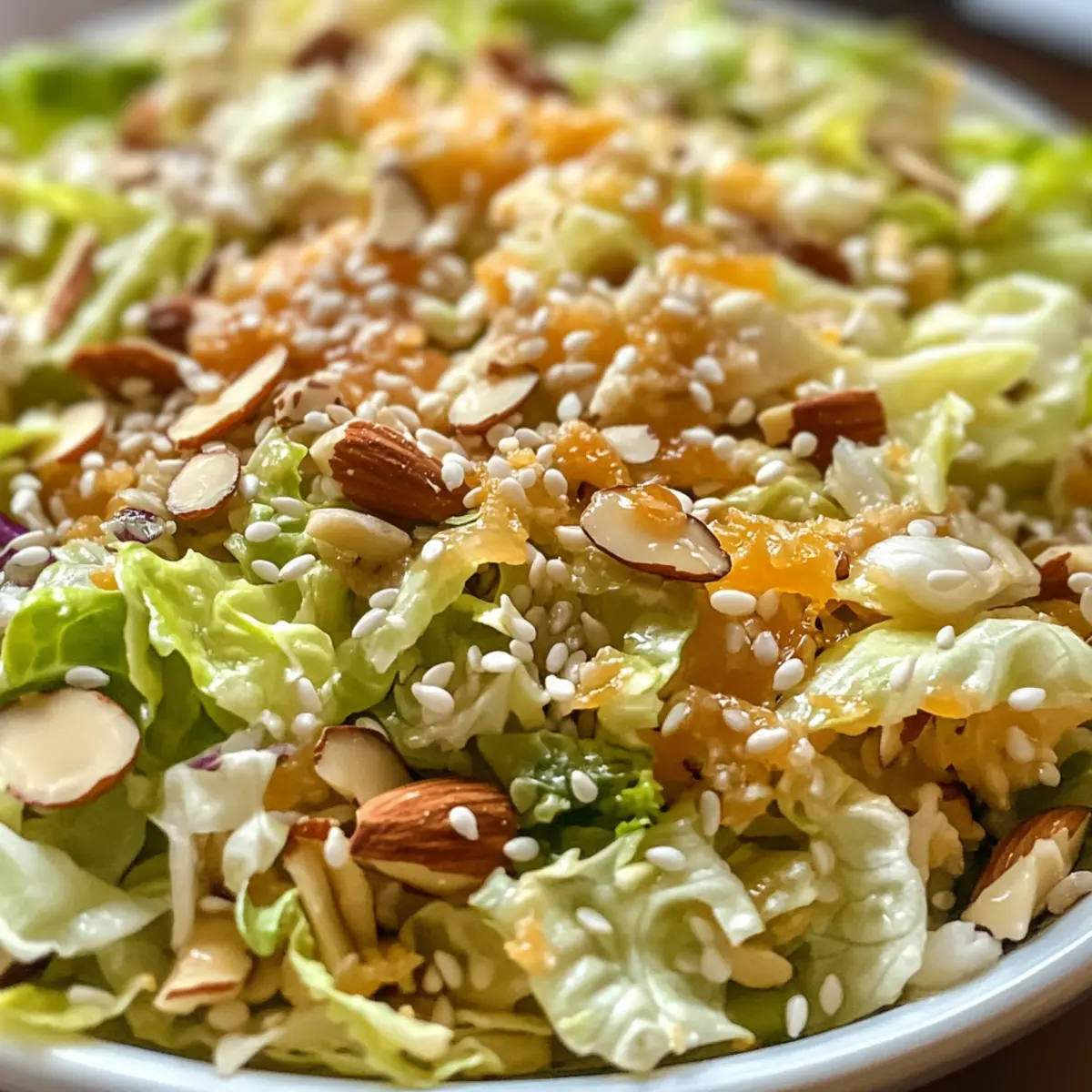
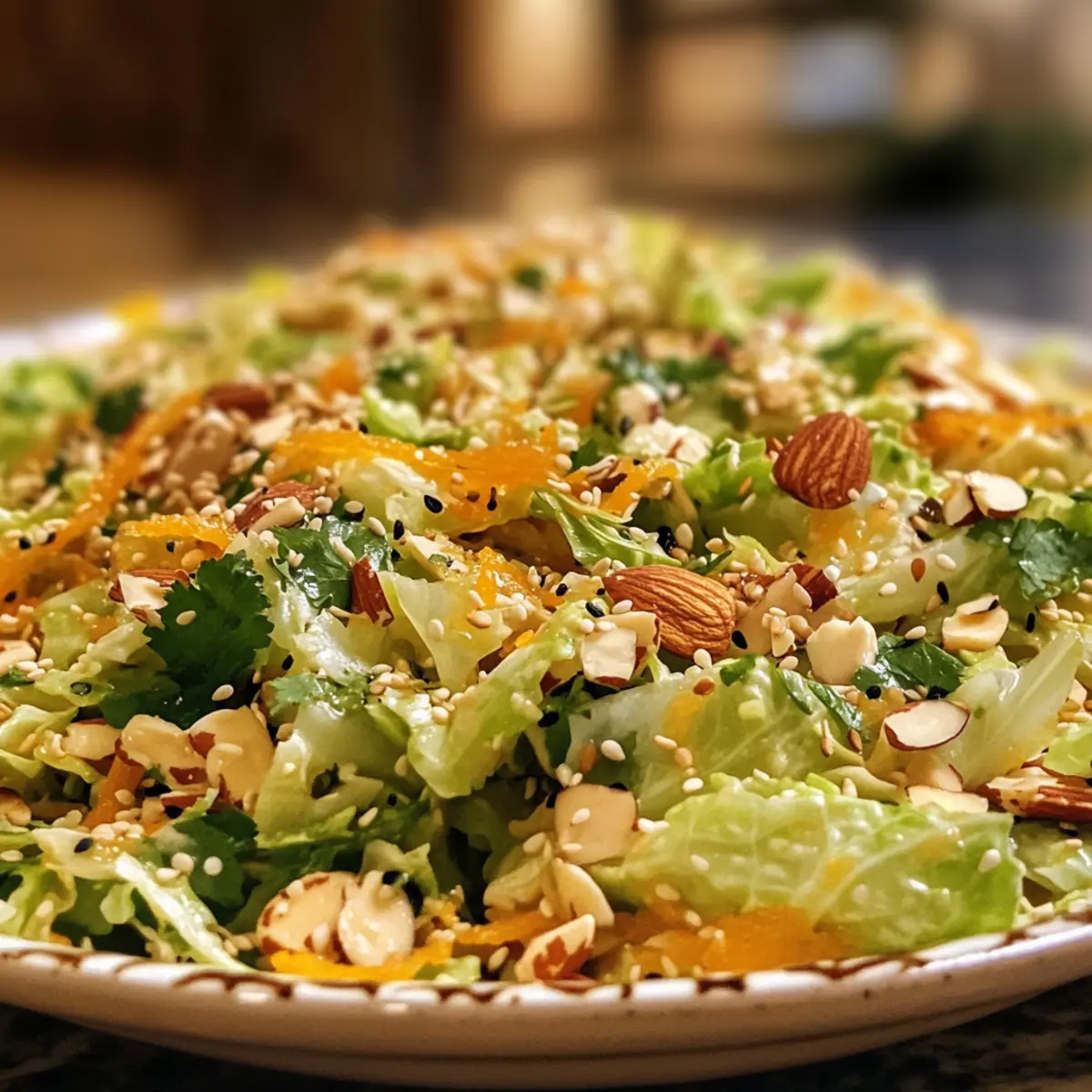
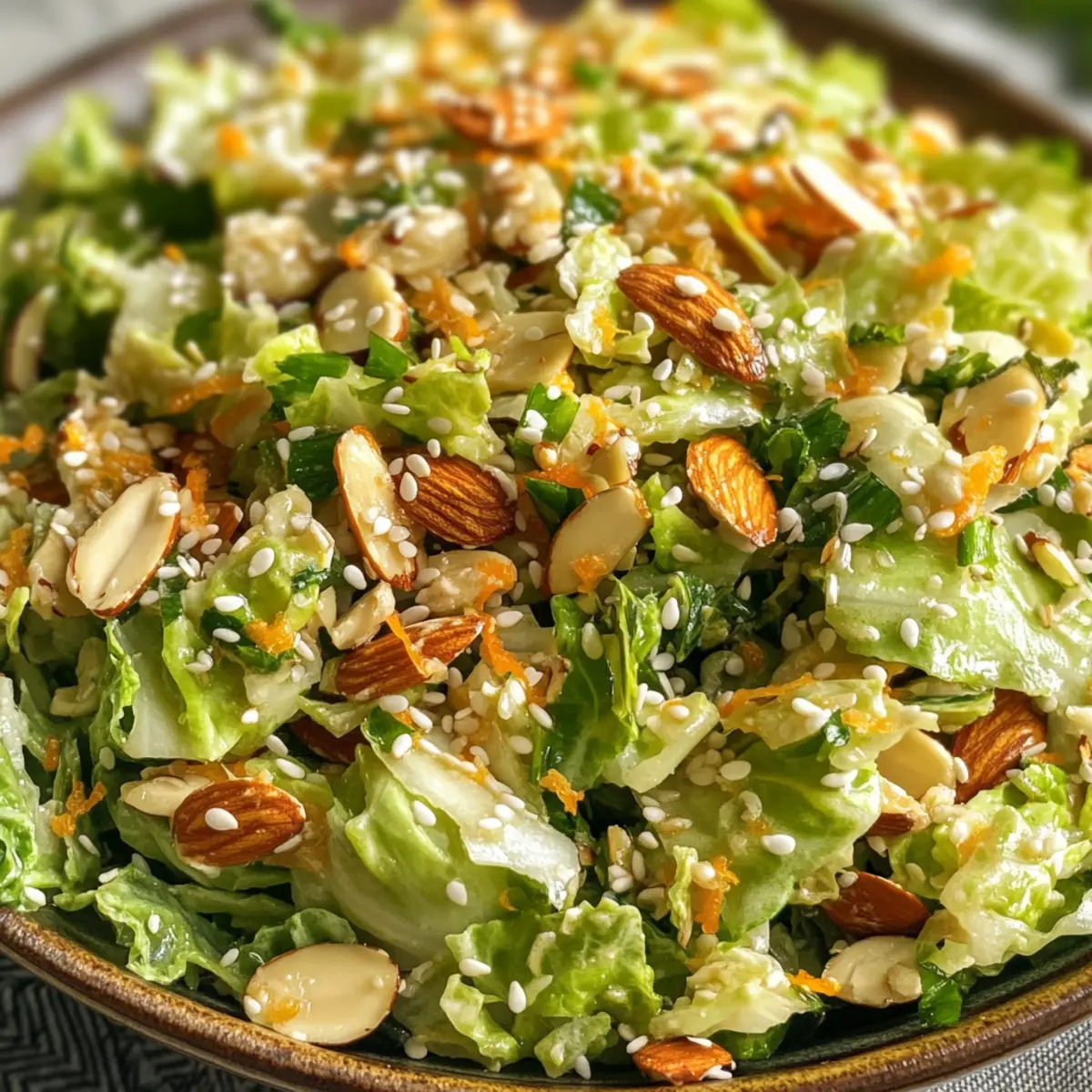
The moment I tasted this unique Cucumber Peanut Butter Salad for the first time, a lightbulb went off in my mind: why hadn’t I thought of this before? This refreshing salad offers the perfect crunch from crisp cucumbers, paired with a creamy peanut butter dressing that adds a delightful twist to the classic summer fare. Not only is it a breeze to whip up, making it ideal for quick weeknight dinners, but it’s also entirely vegan and gluten-free, so everyone can enjoy it. Plus, its vibrant colors and bold flavors are sure to impress at any gathering. So, are you ready to elevate your salad game and wow your dinner guests with something extraordinary?

Why Choose Cucumber Peanut Butter Salad?

Unique Flavors: This salad combines refreshing cucumber with a creamy peanut butter dressing, creating a harmonious blend that tantalizes the taste buds.
Vegan & Gluten-Free: Enjoy peace of mind knowing this dish is accessible to all, making it a great option for gatherings with diverse dietary preferences.
Quick & Easy: Perfect for busy weeknights, this salad comes together in mere minutes, letting you focus on what really matters—savoring each bite.
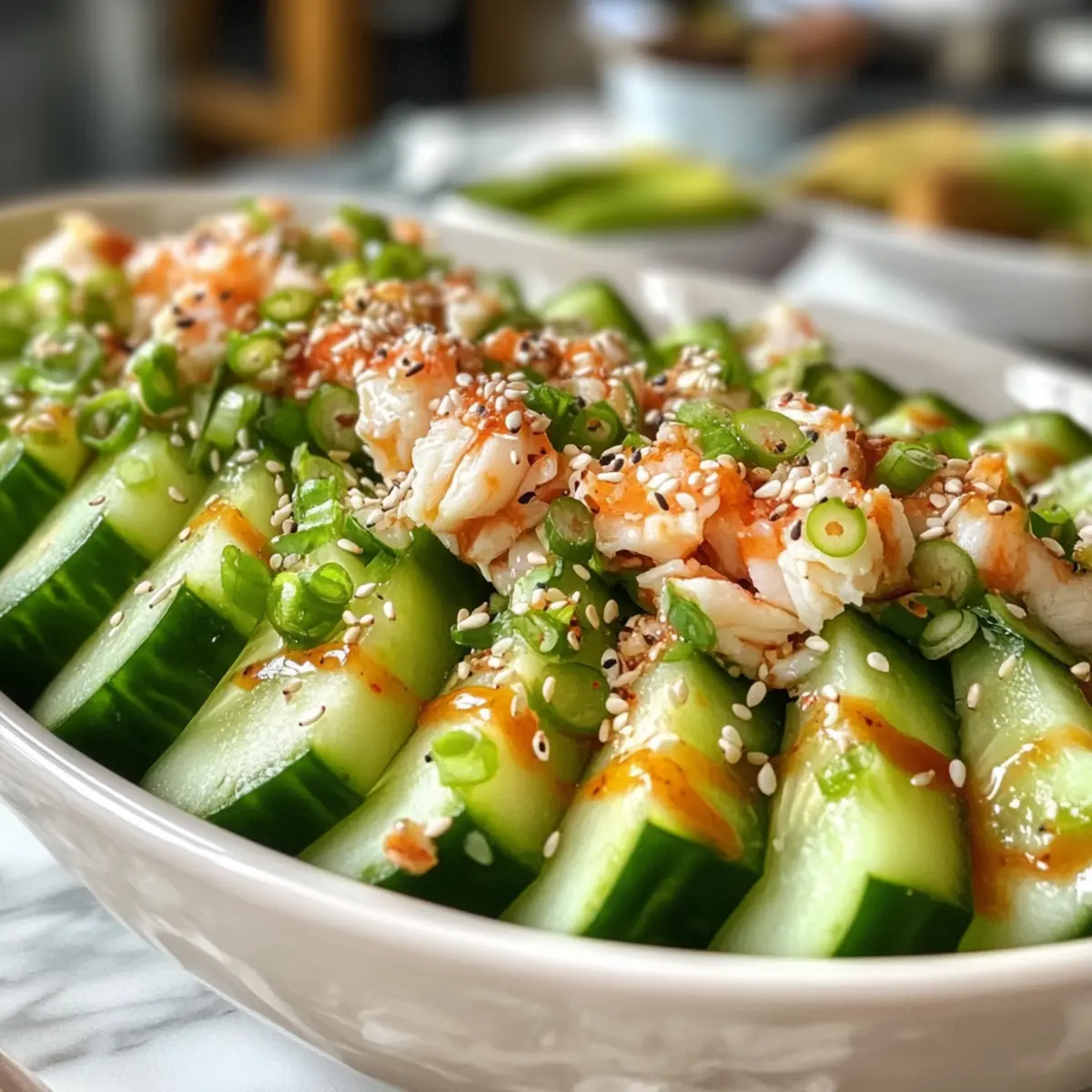
Colorful Presentation: With its vibrant colors, it’s a feast for the eyes as well as the palate; a great way to brighten up your dinner table.
Versatile Pairing: Serve alongside grilled veggies or noodles for a complete meal, or enjoy it solo as a light lunch option! Dive into this deliciousness today, and for more fantastic ideas, check out our refreshing Cucumber Carrot Salad and Crunch Cucumber Salad!

Cucumber Peanut Butter Salad Ingredients

• Here’s what you need to create this refreshing delight:

For the Salad

  • Cucumber – Adds a refreshing crunch; can substitute with zucchini, carrots, or bell peppers for variety.
  • Fresh Parsley – Provides a fresh herbaceous flavor; ensure it’s finely chopped for even distribution.
  • Fresh Chilies – Adds a kick of heat to the dish; substitute with red bell pepper for a milder flavor.
  • Sesame Seeds – Offers crunch and nutty flavor; toast before use for added depth.

For the Dressing

  • Peanut Butter – Creates a creamy dressing; smooth, unsweetened peanut butter is ideal; crunchy can add texture.
  • Soy Sauce – Provides umami and saltiness; use gluten-free soy sauce or tamari for gluten-free needs.
  • Sesame Oil – Adds depth and a slight toasty flavor; for a lighter option, replace with water or extra rice vinegar.
  • Maple Syrup – Balances the savory elements with sweetness; honey can be a substitute for non-vegan versions.
  • Rice Vinegar – Offers tanginess to the dressing; lemon or lime juice can be used as alternatives.
  • Garlic – Infuses the dressing with flavor; use minced fresh garlic for best results.

Step‑by‑Step Instructions for Cucumber Peanut Butter Salad

Step 1: Prepare the Cucumbers
Start by washing 2 large cucumbers thoroughly under cold water, then peel them if desired for a softer texture. Cut the cucumbers into thin strips or rounds using a sharp knife. Once sliced, place the cucumber pieces into a large mixing bowl, allowing their refreshing essence to fill the air.

Step 2: Add Fresh Ingredients
Chop a handful of fresh parsley and finely slice 1-2 fresh chilies according to your heat preference. Add these vibrant ingredients to the bowl of cucumbers along with a sprinkle of toasted sesame seeds for that extra crunch. Gently stir the salad components together until well combined, showcasing a colorful medley.

Step 3: Whisk Together the Dressing
In a separate medium-sized bowl, combine 4 tablespoons of smooth peanut butter with 3 tablespoons of gluten-free soy sauce, 1 tablespoon of sesame oil, 2 tablespoons of rice vinegar, and 1 tablespoon of maple syrup. Mince 1 garlic clove and add it to the mixture. Whisk the ingredients together for about 1-2 minutes, until you achieve a smooth, creamy dressing.

Step 4: Combine Salad and Dressing
Pour the luscious peanut butter dressing over the cucumber mixture in the large bowl. Use a pair of tongs or a spatula to gently toss the salad, ensuring each cucumber piece is coated in the creamy dressing. This fusion of flavors creates the signature essence of the Cucumber Peanut Butter Salad.

Step 5: Serve and Garnish
Once combined, transfer the salad to a serving bowl or individual plates. For an elegant touch, sprinkle additional toasted sesame seeds on top. This Cucumber Peanut Butter Salad is best served immediately to preserve the crispness of the cucumbers and the vibrant flavors. Enjoy the delightful combination of textures and tastes!

What to Serve with Cucumber Peanut Butter Salad?

Transform your meal into a delightful feast with these complementary dishes and drinks that perfectly enhance your refreshing salad.

  • Grilled Veggies: Charred zucchini, bell peppers, and eggplant add a smokiness that beautifully contrasts the salad’s creamy dressing.
  • Cold Rice Noodles: Light and silky, they soak up the peanut butter dressing while providing a nutritious base for your meal. Toss with some sesame oil for extra flavor!
  • Quinoa Salad: A hearty quinoa salad with cherry tomatoes and cucumbers echoes the salad’s freshness while adding protein and substance.
  • Tofu Skewers: Serve marinated and grilled tofu skewers as a crowd-pleasing source of plant-based protein that pairs well with the nutty flavors.
  • Asian-Inspired Spring Rolls: Light and crisp, these colorful rolls filled with fresh veggies offer an enjoyable crunch and satisfyingly complement the peanut butter dressing.
  • Sweet Mango Chutney: A spoonful of this tangy-sweet chutney can heighten the flavor profile on your plate, adding an exotic twist to your meal.
  • Green Tea: A refreshing cup of chilled green tea cleanses your palate and enhances the salad’s vibrant flavors.
  • Coconut Milk Ice Cream: For dessert, indulge in a creamy coconut milk ice cream; its richness beautifully balances the salad’s crunchiness and adds a sweet note.
  • Fruit Salad: Finish with a light fruit salad of mixed berries and melons for a refreshing, bright dessert that ties the meal together perfectly.

Expert Tips for Cucumber Peanut Butter Salad

  • Freshness Matters: Always use freshly cut cucumbers to keep them crisp. If making ahead, store cucumbers and dressing separately until serving time.

  • Flavor Balance: Adjust the amount of maple syrup or soy sauce in the dressing to get a perfect balance of creamy and tangy in your Cucumber Peanut Butter Salad.

  • Chop Wisely: Finely chop herbs and spices to ensure even distribution throughout the salad, enhancing the overall flavor profile.

  • Customize Your Heat: If you prefer a milder taste, replace fresh chilies with sweet red bell pepper or omit them altogether for a family-friendly option.

  • Store Leftover Dressing: If you have dressing left over, store it in an airtight container in the fridge for up to 5 days. Shake well before use!

Make Ahead Options

These Cucumber Peanut Butter Salad components are perfect for meal prep enthusiasts! You can cut the cucumbers and chop the parsley up to 24 hours in advance, storing them separately in the refrigerator to maintain their crunch. The peanut butter dressing can also be prepared ahead of time and kept in an airtight container for up to 5 days—just give it a good shake before using. When you’re ready to serve, combine the cucumbers, herbs, and dressing together for a quick toss. This way, you’ll enjoy a refreshing Cucumber Peanut Butter Salad that’s just as delicious and vibrant on your busy weeknights!

How to Store and Freeze Cucumber Peanut Butter Salad

Room Temperature: Best enjoyed fresh, do not leave this salad out for more than 2 hours to maintain its crispness and safety.

Fridge: Leftover Cucumber Peanut Butter Salad can be stored in an airtight container in the fridge for up to 3 days, but for the best texture, store cucumbers and dressing separately until serving.

Freezer: Freezing is not recommended due to the high water content of cucumbers which may become mushy upon thawing.

Reheating: This salad is best served cold, so no reheating is necessary. Simply remove from the fridge and enjoy the refreshing flavors!

Cucumber Peanut Butter Salad Variations

Feel free to get creative and customize this salad to suit your taste preferences!

  • Zucchini Swap: Replace cucumbers with zucchini for a slightly different texture while keeping the refreshing crunch.
  • Nut Butter Twist: Try almond or cashew butter instead of peanut butter for a unique flavor profile. Each nut brings its own delightful characteristics to the salad.
  • Extra Crunch: Toss in some shredded carrots or sliced radishes for an added crunch and vibrant color. These veggies will add a beautiful contrast to the creamy dressing!
  • Spicy Kick: Incorporate sliced jalapeños for a fiery heat, or even a dash of sriracha in the dressing to spice things up. Balance it with extra maple syrup for sweetness if needed.
  • Herb Infusion: Experiment with fresh mint or cilantro instead of parsley for an entirely new aromatic experience. Both herbs will give your salad a fresh, lively flair.
  • Bowl Addition: For a heartier meal, mix in some cooked quinoa or brown rice. This not only enhances the nutritional value but also makes it a filling dish.
  • Citrusy Zest: Add a splash of fresh lime or lemon juice to brighten the flavors even more. The acid will enhance the dressing and meld beautifully with the nut butter.
  • Savoury Seeds: Instead of sesame seeds, sprinkle in pumpkin seeds or sunflower seeds for a delightful crunch and additional nutrition. They also bring a different nutty flavor to the dish.

Feel inspired to create your own version of this delicious salad! If you’re in the mood for more salad ideas, don’t forget to check out our refreshing Garden Harvest Salad for another awesome choice!

Cucumber Peanut Butter Salad Recipe FAQs

How do I choose the best cucumbers for this salad?
Absolutely! Look for firm, glossy cucumbers with a vibrant green color. Avoid any that have dark spots or are overly soft, as these may be past their prime. If you can, opt for organic varieties to ensure they haven’t been treated with pesticides. Fresh cucumbers will keep the salad crunchy and refreshing!

How should I store leftover Cucumber Peanut Butter Salad?
To maintain its freshness, store the leftover salad in an airtight container in the fridge for up to 3 days. However, for optimal texture, I recommend keeping the cucumbers and dressing separate until you’re ready to serve. If combined, the cucumbers may release water and become limp.

Can I freeze Cucumber Peanut Butter Salad?
Freezing is not recommended for this recipe. The high water content in cucumbers will lead to a mushy texture when thawed. If you want to prepare ingredients ahead of time, chop up the cucumbers and herbs, and store them in the fridge separately from the dressing for fresh-tasting salad whenever you crave it!

What should I do if my dressing is too thick?
Very! If you find your peanut butter dressing is too thick, simply add a tablespoon of warm water or extra rice vinegar and whisk until it reaches your desired consistency. This will help to loosen it without losing any flavor. You can also adjust the flavors by adding a dash more soy sauce or maple syrup to taste!

Are there any dietary considerations for this recipe?
Yes! This Cucumber Peanut Butter Salad is entirely vegan and gluten-free, making it suitable for a wide array of dietary preferences. However, if preparing for guests with nut allergies, consider substituting the peanut butter with sunbutter or tahini as an alternative. Always double-check labels on sauces to ensure they meet your guests’ dietary needs!

Cucumber Peanut Butter Salad

Refresh Your Day with Cucumber Peanut Butter Salad Delight

This Cucumber Peanut Butter Salad combines crisp cucumbers with a creamy peanut butter dressing for a refreshing and satisfying dish.
Prep Time 10 minutes
Total Time 10 minutes
Servings: 4 servings
Course: Lunch
Cuisine: Gluten-Free, Vegan
Calories: 220

Ingredients
  

For the Salad
  • 2 large Cucumbers adds a refreshing crunch; can substitute with zucchini, carrots, or bell peppers.
  • 1 handful Fresh Parsley ensure it’s finely chopped.
  • 1-2 Fresh Chilies adds a kick of heat; substitute with red bell pepper for milder flavor.
  • 2 tablespoons Sesame Seeds toast before use for added depth.
For the Dressing
  • 4 tablespoons Peanut Butter smooth, unsweetened is ideal.
  • 3 tablespoons Soy Sauce use gluten-free if needed.
  • 1 tablespoon Sesame Oil or replace with water for lighter option.
  • 2 tablespoons Maple Syrup honey can be substituted.
  • 2 tablespoons Rice Vinegar lemon or lime juice can be used as alternatives.
  • 1 clove Garlic minced fresh for best results.

Equipment

  • mixing bowl
  • Knife
  • spatula
  • whisk

Method
 

Preparation Steps
  1. Wash the cucumbers thoroughly under cold water and peel if desired. Cut into thin strips or rounds and place into a large bowl.
  2. Chop parsley and finely slice fresh chilies. Add to the cucumber bowl along with toasted sesame seeds. Stir gently to combine.
  3. In a separate bowl, whisk together the peanut butter, soy sauce, sesame oil, rice vinegar, maple syrup, and minced garlic until smooth.
  4. Pour the dressing over the cucumber mixture and gently toss to coat.
  5. Transfer the salad to serving bowls and sprinkle with additional toasted sesame seeds. Serve immediately.

Notes

Best enjoyed fresh. Store leftovers separately in the fridge for up to 3 days.

Deliciously Crunchy Tiger Salad That Will Brighten Your Day

As I tossed the fresh ingredients together, the vibrant colors of green, white, and red danced before my eyes, instantly lifting my spirits. This Quick & Easy Chinese Tiger Salad brings a burst of life to any meal, making it a perfect fit for those warm evenings when you crave something light yet satisfying. With just five minutes of prep, this gluten-free dish is not only a true crowd-pleaser, but it’s also a fun way to shake up your regular dinner routine. Plus, it’s packed with crisp textures and aromatic herbs that take your taste buds on a joyful adventure. Don’t you just love it when healthy meals are just as quick as they are delicious? Let’s dive into this delightful recipe that is sure to impress!

Why is Tiger Salad a Must-Try?

Vibrant Colors: The array of fresh ingredients not only appeals to the eye but is a visual reminder of the freshness packed into every bite.

Quick Preparation: Ready in just five minutes, it’s perfect for busy weeknights when you want something wholesome without sacrificing quality.

Gluten-Free Option: Using tamari instead of soy sauce makes this a wonderful choice for those seeking gluten-free meals.

Versatile Dish: Serve it as a light appetizer or as a refreshing side alongside your favorite protein, like Cabbage Apple Salad for a complete meal.

Bold Flavors: The blend of cilantro, mild heat from chilies, and nutty sesame oil creates a delightful harmony that excites the palate.

Healthful Crunch: With each bite, enjoy a satisfying crunch that enhances your overall dining experience while keeping the dish light and nutritious!

Tiger Salad Ingredients

For the Salad
Cilantro – Adds a fresh, fragrant note; if you’re not a fan, substitute with parsley for a milder flavor.
English Cucumber – Provides a cool, crisp texture; slice into thin strips for optimal crunch.
Anaheim Chili Peppers – Introduces a gentle heat; replace with other long green chilis if you’d like a different spice level.
Green Onions – Adds a mild onion flavor; diagonally slice for enhanced aesthetic and flavor distribution.

For the Dressing
Rice Vinegar – Supplies a mild acidity for balance, which is essential for preparing the Tiger Salad dressing.
Sesame Oil – Contributes nutty flavor depth, making it a key component of the aromatic dressing.
Soy Sauce – Adds umami and salty notes; use tamari for a gluten-free option.
Sugar – Balances acidity and enhances flavors for a well-rounded dressing.
Salt – Enhances the overall flavor profile, making every bite delicious!

Get ready to toss these ingredients together and enjoy the bright, refreshing taste of this vibrant Tiger Salad!

Step‑by‑Step Instructions for Tiger Salad

Step 1: Prepare the Vegetables
In a large mixing bowl, combine 1 cup of chopped cilantro, 1 English cucumber sliced into thin strips, 1-2 Anaheim chili peppers cut into thin rings, and 3 green onions diagonally sliced. As you layer the vegetables, admire their vibrant colors; this will set the tone for the refreshing Tiger Salad. Make sure each ingredient is evenly distributed to enhance flavor in every bite.

Step 2: Mix the Dressing
In a separate bowl, whisk together 3 tablespoons of rice vinegar, 2 tablespoons of sesame oil, 2 tablespoons of soy sauce (or tamari for a gluten-free option), 1 teaspoon of sugar, and a pinch of salt. Whisk vigorously for about 30 seconds until the sugar is dissolved, and the dressing is well-combined. This aromatic mixture is essential for bringing the flavors of the Tiger Salad to life.

Step 3: Combine & Toss
Pour the freshly made dressing over the prepared salad ingredients. Using tongs or a large spoon, gently toss the salad for about 1-2 minutes until the vegetables are well coated with the dressing. Observe how the colors brighten and the textures merge harmoniously; this step is crucial for ensuring each element of your Tiger Salad is flavorful and cohesive.

Step 4: Serve and Enjoy
Transfer your beautifully mixed Tiger Salad into a serving bowl or individual plates. If you’d like, garnish with additional sliced green onions for a pop of freshness. This vibrant salad is best served immediately for optimal crunch but can be chilled for a few minutes if desired. Dive into this refreshing dish and relish the delightful medley of flavors and textures!

Tiger Salad Variations & Substitutions

Feel free to explore these creative twists to make this salad your own!

  • Add Protein: Toss in edamame or chickpeas for a heartier meal, making this salad even more filling and nutritious.
    Switching up the protein can turn this light dish into a satisfying lunch or dinner option.

  • Extra Crunch: Incorporate water chestnuts to elevate the crunch factor. Their crisp texture adds an exciting twist that complements the other ingredients beautifully.

  • Herb Swap: Replace cilantro with parsley or basil for a different flavor profile. Each herb brings a unique essence, allowing you to customize the dish to your liking.

  • Spice it Up: Use jalapeños instead of Anaheim peppers for a fiery kick. Adjusting the spice level can elevate your salad experience, making it as mild or as hot as you desire.

  • Zesty Hint: Add some lime juice for an extra burst of flavor. The acidity can brighten up the dish even more, enhancing the overall freshness of your Tiger Salad.

  • Creamy Twist: Stir in a dollop of creamy avocado or tahini for richness. This adds a smooth texture that contrasts with the crisp veggies, creating a delightful balance.

  • Nutty Addition: Sprinkle in some toasted sesame seeds for an uplifting nutty note. They make for a perfect finishing touch that combines well with the flavors of sesame oil.

  • Crunchy Sidekick: Serve alongside a light dip like hummus or tzatziki for a delightful snack platter. Pairing with dips can take your meal to the next level, especially with a side of Crunch Cucumber Salad for extra freshness!

Make Ahead Options

These lovely Tiger Salad components can be prepped in advance, making it a perfect choice for busy home cooks! You can chop the cilantro, cucumber, chilies, and green onions up to 24 hours ahead of time; just store them in an airtight container in the refrigerator to maintain freshness and prevent browning. The dressing can also be whisked together and refrigerated separately for up to 3 days. To serve, simply combine the salad ingredients with the dressing right before enjoying, as this ensures the crisp textures remain intact. With these make-ahead tips, you can savor this delicious Tiger Salad with minimal effort on any busy weeknight!

What to Serve with Quick & Easy Chinese Tiger Salad

The vibrant, refreshing flavors of this salad invite a symphony of sides and complements to create a delightful meal.

  • Grilled Chicken Skewers: Juicy and smoky, these complement the salad’s fresh crunch, adding protein for a satisfying main dish.
  • Spring Rolls: These crispy delights pair perfectly, offering a satisfying crunch and a burst of flavor that harmonizes with the Tiger Salad.
  • Sesame Noodles: Their savory taste and soft texture create a lovely contrast to the crisp salad, bringing an Asian flair to your table.
  • Stir-Fried Tofu: Lightly seasoned tofu adds a savory element while keeping the overall meal plant-based and wholesome.
  • Quinoa Salad: Nutty and hearty, this dish provides additional texture and is a fantastic way to incorporate more grain into your meal.
  • Chilled Sake or Green Tea: These drinks enhance the overall experience, offering a refreshing counterpart to the vibrant flavors of the salad.
  • Fruity Sorbet: A light, icy dessert like mango or lemon sorbet is a delightful way to cleanse your palate after enjoying this refreshing salad.

Expert Tips for Tiger Salad

  • Fresh Ingredients Matter: Always use the freshest veggies, as they enhance the salad’s vibrant flavors and crunchy texture. Dull ingredients can lead to a soggier Tiger Salad.

  • Chop Wisely: For the best presentation and taste, aim for julienne cuts on your vegetables. This not only enhances the aesthetic but also improves the overall texture of the salad.

  • Adjust the Heat: Feel free to modify the amount of Anaheim chili peppers based on your spice tolerance. Balancing heat ensures the fresh herb flavors shine through without overwhelming your palate.

  • Dress Just Before Serving: To maintain the crunch and freshness of your salad, dress it right before serving. If prepared ahead, keep the dressing separate until just prior to enjoying your Tiger Salad.

  • Taste as You Go: Always taste your dressing before pouring it over your salad. This helps you fine-tune flavors, especially with the addition of sugar or salt. Trust your instincts for the perfect balance!

How to Store and Freeze Tiger Salad

Fridge: Store any leftover Tiger Salad in an airtight container for up to 3 days. This helps maintain the crispness of the veggies while enhancing the flavors.

Prepping Ahead: You can prepare the salad components a few hours in advance, keeping the dressing separate until just before serving to avoid sogginess.

Freezer: Freezing is not recommended for Tiger Salad, as the fresh vegetables lose their texture and quality after thawing.

Reheating: This salad is best enjoyed cold or at room temperature; simply serve it fresh for a vibrant taste experience.

Chinese Tiger Salad Recipe FAQs

How do I choose ripe ingredients for my Tiger Salad?
Absolutely! For the best flavor and texture in your Tiger Salad, look for bright green cilantro, firm and unblemished cucumbers, and glossy chili peppers. Avoid any ingredients with dark spots or signs of wilting, as these can detract from the salad’s freshness.

How should I store leftover Tiger Salad?
Very! If you have any leftovers, place the Tiger Salad in an airtight container and refrigerate it for up to 3 days. This storage method helps maintain the crispness of the vegetables while allowing the flavors to meld. Just remember, the salad is best enjoyed fresh!

Can I freeze Tiger Salad for later use?
Not recommended! Freezing Tiger Salad is not ideal, as the fresh vegetables will lose their crispness and texture when thawed. Instead, prepare the salad fresh each time for the ultimate flavor experience.

What if my dressing is too salty?
If you find your dressing too salty, there’s an easy fix! Try adding a splash more rice vinegar to cut through the saltiness. If you have extra sugar on hand, a tiny bit can balance the flavors nicely. Always taste your mixture before pouring it over the salad for the perfect finish!

Is this recipe suitable for people with allergies?
Absolutely! This Tiger Salad can be made gluten-free by using tamari instead of soy sauce. However, it’s essential to double-check all ingredient labels for allergens, especially if serving others. If anyone has concerns, consider making the dressing from scratch and ensuring all components are safe for everyone’s dietary needs.

Tiger Salad

Deliciously Crunchy Tiger Salad That Will Brighten Your Day

This Tiger Salad is a vibrant and refreshing dish packed with crisp vegetables and aromatic herbs, perfect for a light meal.
Prep Time 5 minutes
Total Time 5 minutes
Servings: 4 servings
Course: Lunch
Cuisine: Chinese
Calories: 120

Ingredients
  

For the Salad
  • 1 cup chopped cilantro Substitute with parsley if desired.
  • 1 English cucumber Slice into thin strips.
  • 1-2 Anaheim chili peppers Cut into thin rings.
  • 3 green onions Diagonally sliced.
For the Dressing
  • 3 tablespoons rice vinegar
  • 2 tablespoons sesame oil
  • 2 tablespoons soy sauce Use tamari for gluten-free.
  • 1 teaspoon sugar
  • pinch salt

Equipment

  • mixing bowl
  • whisk
  • tongs

Method
 

Step-by-Step Instructions
  1. In a large mixing bowl, combine the chopped cilantro, sliced English cucumber, Anaheim chili peppers, and green onions.
  2. In a separate bowl, whisk together rice vinegar, sesame oil, soy sauce, sugar, and salt.
  3. Pour the dressing over the prepared salad ingredients and toss gently until well coated.
  4. Transfer to a serving bowl or plates and garnish with additional sliced green onions if desired.

Notes

For best results, dress just before serving and use the freshest ingredients available.

Gluten Free Chocolate Rugelach: Buttery Treats Everyone Loves

As the winter air fills with the scent of spices and sweet laughter, I can’t help but think of the joy that comes with baking traditional treats like Gluten Free Chocolate Rugelach. This delightful pastry, rich and flaky, boasts a luscious chocolate filling that feels like a warm hug during the chilly holiday season. Not only is this gluten-free version perfect for your loved ones who follow a gluten-free diet, but it’s also an impressive showstopper for gatherings, offering a comforting twist to the classic recipe. With the combination of cream cheese for tenderness and a hint of dark chocolate, these pastries are simply irresistible. Have you ever wondered how one little treat can bring together flavors and memories, making every bite a celebration? Let’s dive into the heart of this recipe and make some pastry magic happen!

Why is this rugelach so irresistible?

Deliciously Flaky: The rich texture of these pastries, achieved through a careful layering of dough, will have everyone swooning.
Decadent Chocolate Filling: Each bite is filled with luscious dark chocolate that melts in your mouth, providing a delightful contrast to the flaky layers.
Customizable Creations: Feel free to experiment with unique fillings; try cinnamon sugar or fruit preserves for a twist that excites your palate.
Perfect for Celebrations: Whether it’s a holiday gathering or a cozy family night, these rugelach are an instant hit that elevates every occasion.
Simplified Preparation: With straightforward instructions and tips for ingredient substitutions, you’ll create bakery-worthy treats right at home.

Gluten Free Chocolate Rugelach Ingredients

Discover the perfect ingredients for your gluten-free baking adventure!

For the Dough

  • Gluten Free Flour – A blend like Cup4Cup ensures flakiness; any gluten-free mix with xanthan gum works too.
  • Kosher Salt – Essential for enhancing the flavors of your rugelach.
  • Baking Powder – Helps create a tender texture, particularly important for gluten-free recipes.
  • Granulated Sugar – Sweetens the dough; swap it with coconut sugar for a healthier option.
  • Unsalted Butter (cold) – Keeps the pastry flaky; ensure it’s chilled to prevent overmixing.
  • Cream Cheese (full fat, cold) – Adds moisture and richness to the dough, enhancing the overall flavor.
  • Milk (cold or water) – Hydrates the dough; almond milk makes a great non-dairy choice.
  • Vanilla Extract – Provides a delicious depth of flavor, making each bite even more delightful.

For the Filling

  • Dark Chocolate (60% or darker) – The star of your rugelach, offering a rich, melty filling that brings a smile to every face.
  • Cocoa Powder (preferably Dutch processed) – Intensifies the chocolate flavor; regular cocoa may be used if needed.
  • Brown Sugar – Adds an extra layer of sweetness and depth to the chocolate filling.

For the Topping

  • Egg (for egg wash) – Gives a lovely shiny crust; substitute with non-dairy milk for a vegan twist.
  • Coarse Sugar – Adds a delightful crunch on top of your finished pastries.

With these carefully selected ingredients, your gluten-free chocolate rugelach will not only be delicious but also a beautiful centerpiece for any gathering!

Step‑by‑Step Instructions for Gluten Free Chocolate Rugelach

Step 1: Prepare the Dough
In a food processor, combine the gluten-free flour, granulated sugar, baking powder, and kosher salt. Add cold, cubed unsalted butter and cold cream cheese to the mixture. Pulse until the mixture resembles coarse crumbs, about 15-20 seconds. Slowly add cold milk (or water) and vanilla extract, pulsing just until the dough comes together, around 10 seconds.

Step 2: Chill the Dough
Transfer the dough onto a lightly floured surface, gently shaping it into a rectangle about 1 inch thick. Wrap the dough in plastic wrap and refrigerate for 10-15 minutes. This chilling time is crucial to keep the butter solid, ensuring your Gluten Free Chocolate Rugelach will be tender and flaky once baked.

Step 3: Laminate the Dough
Remove the chilled dough from the refrigerator and roll it out on a floured surface to a thickness of about ¼ inch. Fold the rolled dough into thirds, like a letter, then wrap and refrigerate for another 10-15 minutes. Repeat this rolling and folding process three times in total, maintaining a cool environment to achieve that delicate, multi-layered structure.

Step 4: Prepare the Filling
While the dough chills, prepare the filling by mixing the chopped dark chocolate, cocoa powder, brown sugar, and a pinch of salt in a bowl. This rich chocolate filling will add delicious decadence to your Gluten Free Chocolate Rugelach. Make sure to set it aside until the dough is ready to create those tasty rolls.

Step 5: Assemble the Rugelach
Once your dough has been laminated and chilled, roll it out again into a large circle. Brush the surface with melted butter, then evenly sprinkle the chocolate filling mixture over the dough, covering it completely. Starting from one edge, gently roll the dough into a tight log, ensuring all the filling stays inside.

Step 6: Slice and Chill
Cut the rolled log into 1.5-inch segments and place them on a parchment-lined baking sheet. For the best results, chill these segments in the refrigerator for at least 1 hour. Chilling helps maintain their shape while baking, resulting in perfectly formed Gluten Free Chocolate Rugelach.

Step 7: Preheat the Oven and Prepare for Baking
Preheat your oven to 400°F. While the oven warms, prepare an egg wash by whisking an egg with a splash of water. Brush this mixture over the tops of your chilled rugelach, giving them a glossy finish that enhances the presentation and texture when baked.

Step 8: Bake to Perfection
Place the rugelach in the preheated oven and bake at 400°F for 10 minutes. Then, reduce the temperature to 375°F and continue baking for an additional 20-24 minutes, or until they are golden brown and flaky. Keep a close eye on them to avoid over-baking and achieve that perfect finish.

Step 9: Cool and Serve
After baking, remove the Gluten Free Chocolate Rugelach from the oven and let them cool on a wire rack for about 10 minutes. This cooling period allows them to set and enhance their flaky texture. Once slightly cooled, they are ready to be enjoyed warm or at room temperature!

Expert Tips for Gluten Free Chocolate Rugelach

Use a Food Processor: This tool ensures the butter and cream cheese remain cold, which is vital for flaky texture. Avoid overmixing!

Chill Time is Key: Properly chilling your dough layers after rolling and folding is essential. It helps maintain the shape and flakiness during baking.

Don’t Skip the Egg Wash: Brushing your rugelach with an egg wash before baking gives them a beautiful golden crust. For a vegan option, use non-dairy milk.

Monitor Baking Time: Keep an eye on your pastries! Begin at 400°F for the first 10 minutes, then reduce to 375°F until golden brown, about 20-24 minutes total.

Experiment with Fillings: Besides chocolate, try adding cinnamon sugar or fruit preserves, allowing you to create gluten-free rugelach that fits your taste preferences.

What to Serve with Gluten Free Chocolate Rugelach

As you prepare to serve your rich and flaky pastries, let’s explore delightful pairings that will create a memorable spread for your loved ones.

  • Fresh Berries: Brighten up your table with a mix of strawberries and blueberries, adding a burst of freshness that complements the chocolate beautifully.

  • Creamy Vanilla Ice Cream: The warm, buttery rugelach paired with cold, creamy ice cream creates a decadent dessert experience for those cozy evenings.

  • Whipped Cream: Light and airy, homemade whipped cream offers a delightful contrast to the rich chocolate filling, enhancing every bite with sweetness.

  • Coffee or Espresso: A well-brewed cup adds warmth and depth, making each pastry taste even better as you enjoy the rich beverage alongside.

  • Herbal Tea: Soothing flavors of chamomile or mint will balance the chocolate’s richness, making for a lovely afternoon treat that warms the soul.

  • Dark Chocolate Drizzle: Elevate your rugelach with a gentle drizzle of melted dark chocolate on top for an elegant touch that any chocolate lover will appreciate.

  • Milk or Almond Milk: A comforting glass of milk or a creamy, non-dairy alternative provides a classic pairing that brings back nostalgic memories of treats from childhood.

Gluten Free Chocolate Rugelach Variations

Customize your Gluten Free Chocolate Rugelach to fit your tastes, and explore exciting new flavors!

  • Dairy-Free: Swap cream cheese with vegan cream cheese and use almond milk for a delightful dairy-free adaptation.
    Try adding a sprinkle of cinnamon in the filling for a warm, cozy twist!

  • Nutty Delight: Incorporate finely chopped nuts, like walnuts or pecans, into the chocolate filling for a rich texture.
    The nuts add a lovely crunch, perfect for those who enjoy a bit of crunch in each bite.

  • Fruit Preserves: Replace the chocolate filling with fruit preserves such as apricot or raspberry for a fruity twist.
    Each sweet bite will remind you of bright, sunny days, bringing a fresh vibrancy to these pastries.

  • Cinnamon Sugar: Use a mix of cinnamon and sugar as the filling for a warm, comforting flavor reminiscent of cinnamon rolls.
    This twist offers an aromatic experience that fills your kitchen with delightful scents while baking!

  • Spicy Kick: Introduce a pinch of cayenne or chili powder in the chocolate filling for a surprising heat that complements the richness.
    This unexpected kick can elevate your rugelach to a gourmet treat that delights adventurous palates.

  • Milk Chocolate: Substitute dark chocolate with milk chocolate for a sweeter, creamier filling that pleases chocolate lovers.
    This variation offers a velvety experience perfect for those who prefer a less intense chocolate flavor.

  • Flavored Chocolate: Experiment with flavored chocolate, like orange or mint, to create unique variations that tantalize the taste buds.
    These delightful surprises make each pastry a sweet journey through different flavor landscapes.

  • Gluten-Free Oat Flour: Use oat flour as a replacement for half of the gluten-free flour for a lovely nutty flavor and chewy texture.
    This addition can create an appealing depth that makes them even more special for your holiday spread.

By experimenting with these variations, you can create a tray of Gluten Free Chocolate Rugelach that thrills your family and friends. Happy baking!

How to Store and Freeze Gluten Free Chocolate Rugelach

Room Temperature: Store your gluten free chocolate rugelach in an airtight container at room temperature for up to 3 days to maintain their delightful flakiness.

Fridge: If you need a bit more time, these pastries can be kept in the fridge for up to 5 days in an airtight container, but they may lose some texture.

Freezer: For longer storage, freeze the uncooked logs wrapped tightly in plastic wrap and foil for up to 2 months. Bake straight from the freezer; just add a few minutes to the baking time.

Reheating: To enjoy leftovers, reheat in a 350°F oven for about 10 minutes, allowing them to crisp up while warming the rich chocolate filling.

Make Ahead Options

These Gluten Free Chocolate Rugelach are perfect for busy home cooks looking to save time without sacrificing flavor! You can prepare the dough up to 24 hours in advance; simply follow steps 1 through 3, wrap it tightly in plastic wrap, and refrigerate. For even longer storage, the dough can be frozen for up to 2 months—just thaw in the refrigerator overnight before rolling and filling. The assembled rugelach can also be refrigerated for up to 3 days before baking. When you’re ready to bake, brush the chilled pastries with egg wash and follow the baking instructions. This way, you’ll enjoy fresh, flaky treats with minimal effort on your busy days!

Gluten Free Chocolate Rugelach Recipe FAQs

How do I choose the right gluten-free flour for this recipe?
Absolutely! I recommend using Cup4Cup gluten-free flour for the best results because it provides the right structure and flakiness. If you opt for another gluten-free blend, ensure it contains xanthan gum, as this ingredient helps mimic the elasticity of traditional flour.

How should I store leftover rugelach?
These delightful pastries can be stored at room temperature in an airtight container for up to 3 days. If you have more time, placing them in the fridge extends their freshness to about 5 days, albeit with a slight texture change. To maintain their luscious texture, have them at room temperature or warm them slightly before enjoying.

Can I freeze the dough or baked rugelach?
Absolutely! For freezing, wrap the uncooked logs tightly in plastic wrap and foil and freeze for up to 2 months. When you’re ready to bake, there’s no need to thaw; just add a few extra minutes to the baking time. If you’ve baked them, you can freeze the leftovers in an airtight container, reheating them in a 350°F oven for about 10 minutes to restore their flakiness.

What if my dough becomes too crumbly while mixing?
No worries! If your dough starts to crumble too much, you can simply add one tablespoon of cold water. This addition can help hydrate the mixture, allowing you to gather it into a cohesive dough. Just remember that the key is to keep it chilled for that perfect texture, so a little cold water may do the trick.

Are there any dietary considerations for these rugelach?
Yes, indeed! If you have dairy allergies or follow a vegan diet, substitute the cream cheese with a vegan cream cheese option for moisture and richness. For the egg wash, you can replace it with non-dairy milk to give your rugelach a lovely finish. Always double-check ingredient labels to ensure they are gluten-free and free from allergens.

Can I customize the filling to suit my tastes?
Very much so! The filling for these rugelach is wonderfully versatile. Aside from the dark chocolate, consider mixing in cinnamon sugar, chopped nuts, or fruit preserves like apricot or raspberry for a different flavor profile. Experimenting with fillings allows you to create unique twists on this classic recipe!

null

Gluten Free Chocolate Rugelach: Buttery Treats Everyone Loves

Delight in these gluten-free chocolate rugelach, a buttery, flaky pastry filled with rich chocolate—a perfect holiday treat.
Prep Time 45 minutes
Cook Time 30 minutes
Chilling Time 15 minutes
Total Time 1 hour 30 minutes
Servings: 12 pieces
Course: Dessert
Cuisine: Jewish
Calories: 200

Ingredients
  

Dough Ingredients
  • 2 cups Gluten Free Flour A blend like Cup4Cup
  • 1/2 teaspoon Kosher Salt
  • 1 teaspoon Baking Powder
  • 1/4 cup Granulated Sugar Can substitute with coconut sugar
  • 1 cup Unsalted Butter Cold, cubed
  • 8 oz Cream Cheese Full fat, cold
  • 4 tablespoons Milk Cold or water, almond milk is a great choice
  • 1 teaspoon Vanilla Extract
Filling Ingredients
  • 6 oz Dark Chocolate 60% or darker, chopped
  • 2 tablespoons Cocoa Powder Preferably Dutch processed
  • 1/4 cup Brown Sugar
Topping Ingredients
  • 1 large Egg For egg wash; substitute with non-dairy milk for a vegan option
  • 2 tablespoons Coarse Sugar For topping

Equipment

  • Food Processor
  • Rolling Pin
  • baking sheet
  • parchment paper

Method
 

Dough Preparation
  1. In a food processor, combine gluten-free flour, granulated sugar, baking powder, and kosher salt. Add cold butter and cream cheese. Pulse until coarse crumbs form, about 15-20 seconds. Slowly add milk and vanilla, pulsing until dough comes together, about 10 seconds.
  2. Transfer the dough to a floured surface, shape into a rectangle about 1 inch thick. Wrap in plastic wrap and refrigerate for 10-15 minutes.
  3. Roll out the chilled dough to ¼ inch thick. Fold into thirds like a letter, wrap and refrigerate for another 10-15 minutes. Repeat rolling and folding three times.
Filling and Assembly
  1. While the dough chills, mix chopped chocolate, cocoa powder, brown sugar, and salt in a bowl.
  2. Roll the laminated dough into a large circle. Brush melted butter over it, sprinkle chocolate filling mixture evenly. Roll the dough into a tight log.
  3. Cut the log into 1.5-inch segments and place on a parchment-lined baking sheet. Chill in the refrigerator for at least 1 hour.
Baking
  1. Preheat oven to 400°F. Prepare an egg wash by whisking an egg with water. Brush over the tops of chilled rugelach.
  2. Bake in the oven at 400°F for 10 minutes, then reduce to 375°F for an additional 20-24 minutes until golden brown.
  3. Remove from oven and let cool on a wire rack for about 10 minutes before serving.

Notes

Store in an airtight container at room temperature for up to 3 days, or refrigerate for 5 days. For longer storage, freeze logs for up to 2 months and bake from frozen.

Beef Tataki with Garlic Chips & Ponzu: Elevate Your Appetizer Game

As I stood in my kitchen, the allure of crispy garlic wafting through the air whisked me away to my favorite Japanese restaurant. The star of the evening? Beef Tataki with Garlic Chips & Ponzu Sauce, a dish that’s deceptively simple yet feels like an upscale indulgence. This easy tataki recipe showcases tender, melt-in-your-mouth steak paired with a bright, zesty ponzu sauce that dazzles the taste buds. Not only is it gluten-free adaptable, making it friendly for various diets, but it also makes for an impressive appetizer that requires minimal effort. Your guests will be begging to know your secret! Ready to discover how to create this restaurant-worthy dish at home?

Why Is Beef Tataki So Irresistible?

Exquisite flavors shine through in this dish, with perfectly seared beef complemented by a zesty ponzu sauce. Crispy garlic chips add a delightful crunch, elevating the texture of this appetizer. Quick to prepare, this recipe ensures you spend less time in the kitchen and more time enjoying your guests’ company. Versatile options await you; try substituting with sushi-grade tuna for a seafood twist! Explore other delicious pairings like Savory Beef Bacon or Garlic Butter French to complete an impressive meal.

Beef Tataki with Garlic Chips & Ponzu Ingredients

• Experience the charm of homemade Beef Tataki with these simple, high-quality ingredients.

For the Beef

  • Filet Mignon – A tender cut that melts in your mouth; can be substituted with sirloin or ribeye for a different texture.
  • Kosher Salt – Enhances the beef’s natural flavors; use less table salt as a replacement to avoid over-salting.
  • Freshly Ground Black Pepper – Adds a mild kick; essential for seasoning and depth.
  • Neutral Oil (e.g., vegetable or canola) – Necessary for searing the steak; avoid olive oil due to its low smoke point.

For the Ponzu Sauce

  • Yuzu Juice or Lime Juice – Provides necessary acidity; if yuzu isn’t available, lime juice works perfectly as a substitute.
  • Low-Sodium Soy Sauce or Tamari – Serves as the base for the ponzu sauce; tamari is gluten-free.
  • Grated Ginger – Adds depth and warmth; fresh ginger is the best choice for flavor.
  • Sugar – Balances the sauce’s flavors; can easily be replaced with honey for a unique taste.
  • White Onion – Provides sweetness and complexity; shallots can also be used for a milder flavor.

For the Garlic Chips

  • Garlic – The star ingredient for crispy chips; fresh garlic elevates the dish to new heights.
  • Neutral Oil (for frying garlic) – Used for frying the garlic until it’s beautifully golden and crispy; same as oil for searing.

For Garnish

  • Chives – Enhances presentation and adds a mild onion flavor; feel free to use other herbs for a personal touch.

Dive into your culinary adventure with this easy-to-make Beef Tataki with Garlic Chips & Ponzu, and impress everyone with a restaurant-worthy taste!

Step‑by‑Step Instructions for Beef Tataki with Garlic Chips & Ponzu

Step 1: Season Steak
Begin by patting your filet mignon dry with paper towels. Generously season the beef on all sides with kosher salt and freshly ground black pepper, enhancing its natural flavors. This step is crucial, as it lays the foundation for a delicious Beef Tataki. Let the seasoned steak sit for about 10 minutes to absorb the flavors.

Step 2: Sear Steak
In a skillet, heat a splash of neutral oil over high heat until it shimmers, about 2 minutes. Carefully add the seasoned filet mignon and sear for 2-3 minutes on each side, ensuring a beautifully browned crust while keeping the center rare. A perfect sear will create a rich flavor profile for your Beef Tataki. Remove the steak from the skillet and place it on a cutting board.

Step 3: Chill Steak
Transfer the seared beef to a plate and let it cool for a couple of minutes. Once slightly cooled, wrap the filet securely in plastic wrap and refrigerate for at least 2 hours or overnight if possible. Chilling allows the flavors to deepen and makes slicing easier, resulting in beautifully tender Beef Tataki.

Step 4: Prepare Ponzu Sauce
While the beef chills, prepare the zesty ponzu sauce. In a bowl, combine yuzu juice (or lime juice), low-sodium soy sauce (or tamari), grated ginger, sugar, and minced white onion. Whisk the ingredients together until the sugar dissolves. Set this refreshing sauce aside as it will perfectly complement your Beef Tataki.

Step 5: Make Garlic Chips
Next, thinly slice the garlic cloves using a sharp knife. In a separate pan, pour enough neutral oil to cover the bottom and heat it over medium-low heat. Add the garlic slices and fry gently, stirring occasionally, until golden brown and crispy, about 5-7 minutes. Once done, drain them on paper towels to absorb excess oil and let them cool.

Step 6: Assemble Dish
Once the beef is thoroughly chilled, remove it from the refrigerator. Using a sharp knife, slice the filet thinly against the grain to achieve that melt-in-your-mouth texture. Arrange the slices artfully on a platter, pour the ponzu sauce over, and garnish generously with crispy garlic chips and chopped chives. Your Beef Tataki with Garlic Chips & Ponzu is beautifully presented and ready to impress!

How to Store and Freeze Beef Tataki with Garlic Chips & Ponzu

Fridge: Store leftover Beef Tataki in an airtight container for up to 3 days. Keep the ponzu sauce separate to maintain the texture of the beef.

Freezer: While fresh Beef Tataki is best, you can freeze sliced steak for up to 1 month. Wrap it tightly in plastic wrap and then in foil for extra protection.

Garlic Chips: Store crisp garlic chips in a sealed container at room temperature for about a week for optimal crunchiness.

Reheating: Gently warm the beef in a skillet over low heat to avoid cooking it further. Serve with the ponzu sauce and crispy garlic chips for best results.

Make Ahead Options

Preparing Beef Tataki with Garlic Chips & Ponzu ahead of time is a fantastic strategy for busy weeknights or special occasions! You can sear the filet mignon and chill it up to 24 hours in advance, wrapping it tightly in plastic wrap to preserve its quality. The ponzu sauce can be mixed and stored in the refrigerator for up to 3 days, ensuring the flavors meld beautifully. For the crispy garlic chips, you can prepare them ahead and store in an airtight container for about a week. When you’re ready to serve, simply slice the chilled beef, pour the ponzu over, and top with garlic chips for a delicious, effortless finishing touch. This way, you’ll enjoy restaurant-quality results with minimal last-minute effort!

What to Serve with Beef Tataki with Garlic Chips & Ponzu

Elevate your dinner experience by pairing flavors and textures that harmonize beautifully with this stunning dish.

  • Crispy Rice Cakes: These light, crunchy bites add a delightful contrast to the tender beef. Their subtle flavor enhances the meal without overwhelming it.

  • Miso Soup: A warm bowl of umami-rich miso soup provides a comforting start. The delicate flavors complement the bold garlicky notes in the tataki.

  • Blistered Shishito Peppers: The sweet and slightly smoky shishito peppers create a fun textural variation and offer a mild heat that pairs wonderfully with the ponzu.

  • Steamed Edamame: Simple yet satisfying, this shareable appetizer gives a fresh, light contrast to the rich tataki, ensuring your meal feels balanced.

  • Japanese Pickles (Tsukemono): These tangy, colorful side dishes add brightness and acidity, cutting through the richness of the beef and garlic chips.

  • Chilled Sake or Green Tea: Both drinks enhance the dining experience. Sake, particularly, with its soft flavors, beautifully pairs with the umami richness of the dish.

  • Fresh Garden Salad: A light salad with citrus dressing introduces refreshing crunch. It adds a vibrant touch that contrasts with the savory qualities of the tataki.

With these delightful pairings, your Beef Tataki with Garlic Chips & Ponzu will shine even brighter, creating a memorable meal that everyone will rave about!

Beef Tataki with Garlic Chips & Ponzu: Customize Your Dish!

Feel free to get creative with this delectable recipe and make it your own with these fantastic variations!

  • Seafood Option: Substitute filet mignon with sushi-grade tuna for a delightful seafood twist. Tuna is tender and flavorful, making it a perfect alternative.

  • Herb Garnish: Try using fresh cilantro or mint alongside chives to refresh the dish. These herbs add a unique taste and vibrant color that will brighten up your presentation.

  • Spicy Kick: Add a dash of chili flakes or a drizzle of hot sauce to your ponzu sauce. This brings an exciting heat to the dish, stunning those spice-loving friends.

  • Vegetarian Delight: For a vegetarian take, replace the beef with thinly sliced eggplant or portobello mushrooms. Grill them briefly for added flavor before garnishing with garlic chips.

  • Fruit Twist: Incorporate a splash of orange juice into your ponzu sauce for a subtle sweetness to balance the savory elements. The citrusy notes will elevate your Beef Tataki experience.

  • Fermented Flavor: A spoonful of miso paste in your ponzu sauce adds depth and umami richness. This twist suits the adventurous eater!

  • Different Oils: Using sesame oil instead of neutral oil for frying garlic can infuse a nutty flavor that beautifully complements the dish’s overall taste.

  • Wrap it Up: Serve your Beef Tataki as a wrap in lettuce leaves for a fun, bite-sized appetizer that’s great for parties. Pair it with extra ponzu for dipping!

Explore other delightful recipes, like Heirloom Herb Garlic or Honey Garlic Slow to serve alongside your Beef Tataki. Let your culinary imagination soar!

Expert Tips for Perfect Beef Tataki

  • Knife Skills: Use a sharp knife to slice the beef thinly against the grain, ensuring a tender melt-in-your-mouth experience in your Beef Tataki.

  • Garlic Chip Perfection: Thinly slice the garlic for even frying; thicker pieces won’t crisp well and may burn. Aim for uniformity for gorgeous garlic chips.

  • Chill for Success: Don’t skip the chilling step—refrigerating the seared beef for at least 2 hours not only makes slicing easier but also enhances the flavors.

  • Avoid Overcooking: Sear the beef quickly to keep the center rare. Overcooking can lead to a chewy texture, so keep a close eye on it while in the pan.

  • Fresh Ingredients Matter: Opt for fresh ingredients, especially ginger and garlic, to elevate the flavor profile of your ponzu sauce and garlic chips.

Beef Tataki with Garlic Chips & Ponzu Recipe FAQs

What kind of beef should I use for the best flavor?
Absolutely! For the richest flavor and tender texture, filet mignon is the ideal choice for Beef Tataki. However, if you need a more budget-friendly option, both sirloin and high-quality ribeye work wonderfully as substitutes, delivering delicious results.

How should I store leftover Beef Tataki?
Very! To prolong freshness, store your Beef Tataki in an airtight container in the fridge for up to 3 days. Be sure to keep the ponzu sauce separate; this will help maintain the texture of the beef and prevent it from becoming soggy.

Can I freeze leftover Beef Tataki?
Absolutely! You can freeze sliced Beef Tataki for up to 1 month. To do this, wrap the slices tightly in plastic wrap first, then in foil for added protection. When you’re ready to enjoy again, simply thaw it in the fridge overnight.

What happens if my garlic chips burn?
Oh no! If your garlic chips start to burn, it’s likely because the slices were too thick or the oil was too hot. Ensure you slice the garlic thinly and fry it on medium-low heat, which allows them to crisp evenly without burning. If they do burn, I recommend starting fresh to achieve that beautiful golden color and crispy texture.

Is there a gluten-free option for the ponzu sauce?
Yes, indeed! For a gluten-free version, substitute regular soy sauce with tamari, which is a gluten-free soy sauce alternative. This way, you can enjoy the delightful flavors of Beef Tataki with Garlic Chips & Ponzu without concern for gluten.

Beef Tataki with Garlic Chips & Ponzu

Beef Tataki with Garlic Chips & Ponzu

Delight your guests with this Beef Tataki with Garlic Chips & Ponzu, a simple yet upscale appetizer that offers vibrant flavors.
Prep Time 30 minutes
Cook Time 10 minutes
Chilling Time 2 hours
Total Time 2 hours 40 minutes
Servings: 4 slices
Course: Dinner
Cuisine: Japanese
Calories: 320

Ingredients
  

For the Beef
  • 1 pound Filet Mignon Can be substituted with sirloin or ribeye.
  • 1 teaspoon Kosher Salt Use less table salt as a replacement.
  • 1 teaspoon Freshly Ground Black Pepper Essential for seasoning.
  • 2 tablespoons Neutral Oil (e.g., vegetable or canola) Avoid olive oil for searing.
For the Ponzu Sauce
  • 2 tablespoons Yuzu Juice or Lime Juice Use lime juice if yuzu isn't available.
  • 1 tablespoon Low-Sodium Soy Sauce or Tamari Tamari is gluten-free.
  • 1 teaspoon Grated Ginger Fresh ginger is the best choice.
  • 1 teaspoon Sugar Can be replaced with honey.
  • 1 small White Onion Shallots can also be used.
For the Garlic Chips
  • 4 cloves Garlic Fresh garlic elevates the dish.
  • 1 cup Neutral Oil (for frying garlic) Same as oil for searing.
For Garnish
  • 2 tablespoons Chives Feel free to use other herbs.

Equipment

  • Skillet
  • Cutting Board
  • Knife
  • Bowl
  • plastic wrap
  • Paper Towels

Method
 

Step-by-Step Instructions
  1. Pat the filet mignon dry with paper towels and season generously with kosher salt and freshly ground black pepper. Let sit for 10 minutes.
  2. Heat neutral oil in a skillet over high heat until it shimmers. Sear the filet mignon for 2-3 minutes on each side. Remove and place on a cutting board.
  3. Let the seared beef cool for a couple minutes, then wrap it in plastic wrap and refrigerate for at least 2 hours.
  4. In a bowl, combine yuzu juice, low-sodium soy sauce, grated ginger, sugar, and minced white onion. Whisk together and set aside.
  5. Thinly slice the garlic cloves. Fry in neutral oil over medium-low heat until golden brown and crispy. Drain on paper towels.
  6. Slice the chilled beef thinly against the grain. Arrange on a platter, pour ponzu sauce over, and garnish with garlic chips and chives.

Notes

For best results, use fresh ingredients and don’t skip the chilling step.

Decadent Sweet Potato Fondant with Smoked Almond Cream & Rosemary Oil

There’s something magical about the way sweet potatoes transform when given a little love in the kitchen. The beauty of this Sweet Potato Fondant with Smoked Almond Cream & Rosemary Oil lies in its simplicity—a dish that whispers elegance while also wrapping you in warmth. It’s not only stunning to look at but also incredibly easy to whip up in just one pan, making it perfect for those evenings when you want to impress without the stress. This crowd-pleaser offers a creamy, smoky almond sauce that perfectly balances the sweetness of the fondant. Have you ever thought about how comfort and sophistication can coexist on your plate? Let’s dive into creating this delightful dish together!

Why is this dish a must-try?

Comforting Elegance: This Sweet Potato Fondant with Smoked Almond Cream & Rosemary Oil radiates sophistication without sacrificing warmth, perfect for cozy dinners or festive gatherings.
One-Pan Wonder: Enjoy the ease of a stunning meal prepared in just one pan, minimizing cleanup and maximizing flavor.
Savory-Sweet Harmony: The combination of sweet potatoes and smoky almond cream creates a delightful balance, making every bite a taste sensation.
Impressive Presentation: Stunning layers of color and texture elevate your dining experience, impressing guests with little effort.
Versatile Delight: Serve as a main dish or a side, it complements everything from roasted proteins to fresh salads.

Sweet Potato Fondant Ingredients

• Create a delightful foundation for your dish!

For the Fondant

  • Sweet Potatoes – Provide natural sweetness and structure; ensure they are firm and evenly cut for uniform cooking.
  • Olive Oil – Adds richness and helps achieve a perfect caramelization of the sweet potatoes.
  • Butter – Enhances flavor and contributes to creaminess; can be replaced with vegan margarine for a dairy-free option.
  • Garlic – Infuses aromatic depth; try roasted garlic for a gentler flavor.
  • Fresh Thyme – Brings herbaceous notes that complement the dish beautifully; dried thyme works in a pinch.
  • Vegetable Stock – Provides moisture for braising and adds savory flavor; water can be a substitute if stock is unavailable.

For the Smoked Almond Cream

  • Smoked Almonds – Impart deep, savory flavors that balance the sweetness of the potatoes; regular almonds with a pinch of smoked paprika can be used instead.
  • Lemon Juice – Brightens the creamy sauce and can be adjusted according to your taste preferences.
  • Olive Oil – A smooth base for the almond cream, adding richness.

For the Rosemary Oil

  • Rosemary Sprig – Infuses the oil with fragrant, earthy notes; using fresh rosemary yields the best flavor!

For Garnish

  • Micro Herbs or Crushed Almonds – Adds a visually appealing touch and delightful texture to your dish.

Embrace the flavors of this Sweet Potato Fondant with Smoked Almond Cream & Rosemary Oil as you create a meal that is both simple yet exquisite!

Step‑by‑Step Instructions for Sweet Potato Fondant with Smoked Almond Cream & Rosemary Oil

Step 1: Prepare Rosemary Oil
In a small saucepan, gently warm ¼ cup of olive oil over low heat with a fresh rosemary sprig for 5–7 minutes. This process allows the oil to absorb the fragrant notes of rosemary. Once aromatic, remove from heat and let it steep while you prepare the other components of the Sweet Potato Fondant, enhancing the dish’s depth of flavor.

Step 2: Sauté Sweet Potatoes
Peel and cut the sweet potatoes into 4–5 cm thick squares. In a large skillet, melt 2 tablespoons of butter with 2 tablespoons of olive oil over medium heat. Once melted and bubbling, add the sweet potatoes in a single layer. Sear for about 5 minutes until they develop a beautiful golden crust and caramelization, which will elevate the dish’s overall taste.

Step 3: Braise
Gently flip the sweet potatoes and add 2 cloves of minced garlic and a handful of fresh thyme, seasoning with salt and pepper. Pour in enough vegetable stock to reach halfway up the sweet potatoes, then cover the skillet. Reduce the heat to low and braise for 20–25 minutes, basting occasionally, until the sweet potatoes are tender yet firm, showcasing their delicate texture.

Step 4: Make Smoked Almond Cream
While the sweet potatoes are braising, prepare the smoked almond cream. In a blender, combine 1 cup of smoked almonds, ½ cup of vegetable stock or water, the juice of half a lemon, and 2 tablespoons of olive oil. Blend until completely smooth, adjusting the consistency with more liquid if needed. The cream should be velvety and rich, perfectly complementing the sweetness of the fondant.

Step 5: Plate
To serve, elegantly spread a generous layer of the smoked almond cream on a plate. Arrange the cooked sweet potato fondants on top, allowing their beautiful golden color to shine through. Drizzle the rosemary oil over both the sweet potatoes and cream for extra flavor, and finish the dish with a garnish of crushed almonds or fresh micro herbs for a pop of color and added texture.

What to Serve with Sweet Potato Fondant with Smoked Almond Cream & Rosemary Oil

Elevate your dining experience by pairing this heavenly dish with delightful sides and drinks that will have your guests talking long after the meal.

  • Crispy Green Salad: Fresh, crunchy greens tossed in a tangy vinaigrette provide a refreshing contrast to the creaminess of the fondant.

  • Quinoa Pilaf: A nutty and fluffy quinoa dish, enriched with herbs and lemon, complements the smoky flavors of the almond cream beautifully.

  • Roasted Brussels Sprouts: Their caramelized outer leaves and tender hearts bring a savory, earthy quality, enhancing the sweet potatoes’ natural sweetness.

  • Herbed Couscous: Fluffy couscous tossed with fresh herbs and lemon zest adds a light, airy texture that balances the dish’s richness.

  • Grilled Asparagus: Charred asparagus drizzled with olive oil adds a burst of flavor and vibrant color, elevating the overall appeal of your meal.

  • Creamy Polenta: Soft, cheesy polenta acts as a comforting base, harmoniously blending flavor and texture with the sweet potato fondant.

  • Sparkling Riesling: A chilled glass of sparkling Riesling strikes a perfect balance, its acidity cutting through the richness while enhancing the dish’s flavors.

  • Chocolate Mousse: End your meal on a sweet note with a light and airy chocolate mousse, providing a delightful contrast to the savory elements of the dinner.

With these pairings, your Sweet Potato Fondant with Smoked Almond Cream & Rosemary Oil will undoubtedly shine at your next gathering!

How to Store and Freeze Sweet Potato Fondant

Fridge: Store leftover sweet potato fondant in an airtight container for up to 3 days. When ready to enjoy, gently reheat in a pan over low heat with a splash of vegetable stock to maintain moisture.

Freezer: Freeze the fondants in a single layer on a baking sheet for 1–2 hours, then transfer to a zip-top bag. They can be stored for up to 2 months. Thaw overnight in the fridge and reheat before serving.

Almond Cream: The smoked almond cream can last for 4 days in the fridge. Store it in an airtight container and stir well before using, adding a little water or stock if needed for a smooth consistency.

Reheating: Always reheat fondants slowly to prevent them from becoming mushy. Consider using a microwave on low power or a stove with a lid over low heat for even warming.

Sweet Potato Fondant Variations & Substitutions

Delve into the world of flavors and textures by customizing your Sweet Potato Fondant with delightful twists and swaps!

  • Dairy-Free: Swap butter for vegan margarine and create a luscious dairy-free version that still tastes divine.
  • Nut-Free: Replace smoked almonds with sunflower seeds blended with a hint of smoked paprika for a nut-free alternative that packs a punch.
  • Herb Infusion: Experiment with fresh sage or oregano instead of thyme for a totally unique flavor profile that keeps things exciting.
  • Spicy Kick: Add a pinch of red pepper flakes while braising for a touch of heat, giving your fondant a surprising twist.
  • Creamy Texture Boost: Blend in a few tablespoons of tahini into the smoked almond cream for a richer, creamier consistency that’s nutty and delicious.
  • Sweetness Upgrade: Drizzle a bit of maple syrup over the fondants before serving for an added layer of sweetness that complements the savory elements beautifully.
  • Savory Vegetable Swap: Include caramelized leeks or shallots in place of garlic for a sweeter, less pungent aromatic experience.
  • Crunchy Top: Top your fondants with panko breadcrumbs before plating and broil for a crispy texture that contrasts beautifully with the creamy almond sauce.

Feel free to let your creativity shine! And if you’re in the mood for an equally satisfying pairing, check out these Savory Zucchini Potato Mini Pancakes or enjoy some delightful Zucchini Potato Fritters. These variations are all about enhancing your culinary journey while keeping the comfort of home cooking right at your fingertips!

Expert Tips for Sweet Potato Fondant

  • Uniform Cutting: Ensure sweet potatoes are cut into even squares for consistent cooking; uneven pieces may lead to some being undercooked or mushy.

  • Perfect Browning: Allow the sweet potatoes to develop a golden crust by not overcrowding the pan. Searing in batches ensures optimal caramelization for your Sweet Potato Fondant.

  • Adjusting Cream Consistency: The smoked almond cream should be smooth and velvety. If too thick, blend in a little extra stock or water gradually until desired texture is reached.

  • Flavor Balancing: Taste the almond cream before serving; adjusting the lemon juice can brighten the flavor and complement the sweetness of the fondant perfectly.

  • Make Ahead: Prepare the sweet potato fondants a day in advance. Store in the fridge and reheat gently with a splash of stock, making entertaining a breeze!

  • Presentation Tips: Garnishing with both crushed almonds and micro herbs not only adds texture but elevates the visual appeal of your Sweet Potato Fondant.

Make Ahead Options

Making your Sweet Potato Fondant with Smoked Almond Cream & Rosemary Oil ahead of time is a great way to save on those busy weeknights! You can prepare the sweet potato fondants up to 24 hours in advance—simply sauté and braise them, then let them cool completely before storing in an airtight container in the fridge. For the almond cream, blend it ahead and refrigerate for up to 4 days. To maintain quality, reheat the fondants gently with a splash of vegetable stock before serving, and give the almond cream a quick stir. This way, you’ll enjoy a restaurant-worthy meal with minimal effort, every time!

Sweet Potato Fondant with Smoked Almond Cream & Rosemary Oil Recipe FAQs

How do I select ripe sweet potatoes?
Absolutely! When choosing sweet potatoes, look for firm, smooth-skinned tubers with no dark spots or blemishes. A good sweet potato should feel heavy for its size and have a vibrant orange color. Avoid sweet potatoes that appear wrinkled or have soft spots, as these indicate they may be past their prime.

What are the best storage methods for leftover sweet potato fondant?
Very! Store leftover sweet potato fondant in an airtight container in the refrigerator for up to 3 days. When you’re ready to enjoy it, gently reheat in a pan with a splash of vegetable stock to maintain moisture and keep that delicious texture intact.

Can I freeze sweet potato fondants?
Absolutely! To freeze your sweet potato fondants, arrange them in a single layer on a baking sheet and place them in the freezer for about 1–2 hours. Once frozen, transfer them to a zip-top bag and store for up to 2 months. When you’re ready to serve, thaw them overnight in the fridge and reheat thoroughly before enjoying.

What should I do if my smoked almond cream is too thick?
If your smoked almond cream turns out too thick, don’t worry! Simply add a little more vegetable stock or water, one tablespoon at a time, and blend again until smooth. It should have a velvety consistency that beautifully complements the sweet potatoes. Remember, tasting as you go can help you achieve the perfect balance!

What dietary considerations should I keep in mind?
The sweet potato fondant is naturally vegetarian, and you can easily make it vegan by substituting butter with vegan margarine. If serving to guests with nut allergies, consider using sunflower seeds blended with a touch of liquid smoke in place of smoked almonds for the cream. Always check with your diners about their dietary preferences and allergies to ensure everyone can enjoy this delightful dish!

How can I enhance the flavor of the rosemary oil?
To deepen the flavor of your rosemary oil, ensure you’re using fresh rosemary, as it provides a more vibrant taste compared to dried. You can also infuse the oil with additional aromatics like garlic or lemon zest while it warms. Just remember to strain the oil before using it, ensuring a clear, aromatic drizzling oil over your dish!

Sweet Potato Fondant with Smoked Almond Cream & Rosemary Oil

Decadent Sweet Potato Fondant with Smoked Almond Cream & Rosemary Oil

Delight in this Sweet Potato Fondant with Smoked Almond Cream & Rosemary Oil, capturing comfort and sophistication in every bite.
Prep Time 15 minutes
Cook Time 40 minutes
Total Time 55 minutes
Servings: 4 servings
Course: Dinner
Cuisine: American
Calories: 350

Ingredients
  

Sweet Potato Fondant Ingredients
  • 4 medium Sweet Potatoes ensure they are firm and evenly cut
  • 2 tablespoons Olive Oil for sautéing sweet potatoes
  • 2 tablespoons Butter or vegan margarine for dairy-free
  • 2 cloves Garlic minced
  • 1 handful Fresh Thyme or dried thyme
  • 1 cup Vegetable Stock or water if stock is unavailable
Smoked Almond Cream Ingredients
  • 1 cup Smoked Almonds or regular almonds with smoked paprika
  • ½ cup Vegetable Stock or water
  • ½ unit Lemon Juice freshly squeezed
  • 2 tablespoons Olive Oil for almond cream
Rosemary Oil Ingredients
  • ¼ cup Olive Oil for infusing
  • 1 sprig Rosemary fresh
Garnish
  • to taste Micro Herbs or Crushed Almonds for garnish

Equipment

  • Skillet
  • Blender
  • Saucepan

Method
 

Preparation Steps
  1. In a small saucepan, gently warm ¼ cup of olive oil with a fresh rosemary sprig for 5–7 minutes.
  2. Peel and cut the sweet potatoes into 4–5 cm thick squares. Melt 2 tablespoons of butter with 2 tablespoons of olive oil in a large skillet.
  3. Add the sweet potatoes in a single layer, searing for about 5 minutes until golden.
  4. Gently flip the sweet potatoes, add minced garlic and thyme, and season with salt and pepper.
  5. Pour in enough vegetable stock to cover halfway up the sweet potatoes, then cover and reduce heat to low, braising for 20–25 minutes.
  6. In a blender, combine smoked almonds, vegetable stock, lemon juice, and olive oil. Blend until smooth.
  7. To serve, spread smoked almond cream on a plate, add sweet potato fondants on top, drizzle with rosemary oil, and garnish.

Notes

Ensure uniform cutting of sweet potatoes and do not overcrowd the pan for perfect browning. Prepare in advance to make entertaining easier.

Crispy Hat Yai Fried Chicken: A Flavorful Thai Delight

As I wandered through the bustling streets of Southern Thailand, the aroma of sizzling fried chicken drew me in like a moth to a flame. This isn’t just any fried chicken; it’s Hat Yai Fried Chicken, renowned for its crispy exterior and mouth-watering marinated meat. With its blend of authentic Thai spices, palm sugar, and fish sauce, this recipe transforms a simple meal into a memorable feast. Not only is it incredibly satisfying to make, but it’s also a quick crowd-pleaser, perfect as an appetizer or a hearty main dish alongside sticky rice. If you’ve been searching for a flavorful alternative to fast food, get ready to bring the street food experience right into your kitchen! Are you curious to see how easy it is to achieve that tantalizing crunch? Let’s dive into this delicious recipe!

Why Is Hat Yai Fried Chicken Special?

Crispy Perfection: The delightful crunch of this fried chicken is unmatched, creating a satisfying texture that keeps you reaching for more.
Authentic Thai Flavors: Each bite bursts with a unique blend of spices, palm sugar, and fish sauce that brings the taste of Southern Thailand to your table.
Easy to Prepare: With straightforward steps and minimal fuss, this recipe is perfect for home cooks looking to impress without a culinary degree.
Crowd-Pleaser: Whether it’s for a family dinner or a gathering with friends, this dish is sure to be a hit, especially when paired with sticky rice and your favorite dipping sauce.
Versatile Options: You can mix and match chicken pieces, and even create unique dipping sauces to suit your taste, just like with our Honey Chili Chicken or Savory Chicken Cheesy.
Quick Alternative: Forget fast food! In about an hour, you can whip up a homemade meal that’s not only more nutritious but far more flavorful.

Hat Yai Fried Chicken Ingredients

• Get ready to create crispy, Southern Thai goodness!

For the Marinade

  • Thai Shallots – Provides a slight sweetness and aromatic flavor; substitute with regular onions if needed.
  • Cumin Seeds – Adds warmth and earthiness; roasting enhances the flavor further.
  • Coriander Seeds – Contributes citrus and herbaceous notes; roast for added depth.
  • Black Peppercorns – Provides heat and pungency; roasting will intensify the flavor.
  • Coriander Root – Essential in Thai cooking, adding fresh herbal notes; substitute with fresh cilantro stems if necessary.
  • Garlic (4 cloves) – Imparts robust flavor; it can be used fresh or roasted for sweetness.
  • Palm Sugar (1/2 tbsp) – Balances savory and sweet flavors in the marinade; brown sugar works as a substitute.
  • Fish Sauce (1 tbsp) – Adds umami and salinity; soy sauce can be a vegetarian alternative.
  • Salt (1 tsp) – Enhances all flavors; adjust based on preference.
  • Ice-Cold Water (1 cup) – Used to make the marinade; helps tenderize the chicken for a crispy crust.

For the Coating

  • Tempura Flour (6 tbsp) – Coating for the chicken to create that epic crunch; use gluten-free flour for a gluten-free version.

For Frying

  • Oil – Essential for deep-frying to achieve a crispy texture; opt for oils like peanut or canola with a high smoke point.

For Serving

  • Sticky Rice – Perfect accompaniment that balances the flavors of the chicken.
  • Dipping Sauces – Enhance your meal with options like Thai sweet chili sauce for a zesty kick.

Prepare these ingredients and get ready for an adventure in making Hat Yai Fried Chicken that will make you feel like you’re savoring street food right in your kitchen!

Step‑by‑Step Instructions for Hat Yai Fried Chicken

Step 1: Prepare Fried Shallots
Begin by thinly slicing the Thai shallots and sprinkling them with salt. Allow them to rest for about 10 minutes; this draws out moisture. Pat them dry with a paper towel, then heat oil in a small pan over medium heat. Fry the shallots until they turn golden brown, which should take about 3–5 minutes. Once crispy, remove and set aside on paper towels to drain excess oil.

Step 2: Toast Spices
In a dry skillet over medium heat, toast the cumin seeds, coriander seeds, and black peppercorns for about 20 seconds, just until they become aromatic. Be careful not to burn them; you want a delightful fragrance to fill your kitchen. Once toasted, let them cool slightly, then grind them into a fine powder using a mortar and pestle or spice grinder.

Step 3: Make Marinade
In a mixing bowl, combine the ground spices with the garlic cloves, pounding them into a fine paste. Next, mix in the palm sugar, fish sauce, and salt until well combined. Gradually add the tempura flour and incorporate 1 cup of ice-cold water, stirring until you achieve a smooth marinade. This mixture will be the flavorful base for your Hat Yai Fried Chicken.

Step 4: Marinate Chicken
Prepare your chicken pieces by making two cuts in each drumstick to allow the marinade to penetrate better. Coat the chicken generously with the marinade, ensuring every piece is well-covered. Place the marinated chicken in the refrigerator and let it rest for at least 4 hours; for the best flavor, marinate it overnight. This step is essential for infusing the chicken with the authentic Thai flavors.

Step 5: Fry Chicken
When you’re ready to fry, heat a deep pot or pan with oil to 350°F – 375°F (175°C – 190°C) for perfect frying. Carefully add the marinated chicken in small batches to avoid overcrowding. Fry each piece for about 8–10 minutes, or until golden brown and cooked through, flipping them as needed for even cooking. Use a meat thermometer; the internal temperature should reach 165°F (74°C) for safety. Once done, drain the fried chicken on a wire rack or paper towels to absorb any excess oil.

Step 6: Serve and Enjoy
Once your Hat Yai Fried Chicken is perfectly crisp and golden, serve it warm alongside sticky rice and your favorite dipping sauces. Garnish with the fried shallots for that added crunchy texture. This delightful dish, filled with authentic Thai flavors, is sure to impress your family and friends, making it a perfect alternative to fast food!

Make Ahead Options

These Hat Yai Fried Chicken preparations are fantastic for busy home cooks looking to save time! You can marinate the chicken up to 24 hours in advance, allowing the flavors to deeply infuse. Simply follow the marinade steps, coat the chicken, and refrigerate it until you’re ready to fry. To ensure the crust stays crispy, coat the chicken in tempura flour right before frying, rather than in advance. This way, it maintains its delightful crunch. When you’re ready to serve, heat the oil and fry the chicken until it’s golden brown and cooked through—making meal prep a breeze while still delivering restaurant-quality results!

Storage Tips for Hat Yai Fried Chicken

  • Room Temperature: Fried chicken is best enjoyed fresh, but if left out, consume within 2 hours to ensure food safety.

  • Fridge: Store leftover Hat Yai Fried Chicken in an airtight container for up to 3 days. This keeps the flavors intact while preventing moisture loss.

  • Freezer: For longer storage, freeze the fried chicken in a single layer on a baking sheet. Once frozen solid, transfer to an airtight freezer bag. It can be kept for up to 3 months.

  • Reheating: To re-crisp the chicken, preheat your oven to 375°F (190°C) and bake for about 15–20 minutes until heated through and crispy. Avoid microwaving, which can make the coating soggy.

Expert Tips for Hat Yai Fried Chicken

  • Marination Magic: Allow the chicken to marinate for at least 4 hours, preferably overnight, to fully absorb the authentic Thai flavors.

  • Frying Temperature: Keep the oil temperature steady between 350°F and 375°F. This ensures a crispy exterior without undercooking the chicken inside.

  • Batch Frying: Avoid overcrowding when frying. Cooking in small batches helps maintain the oil’s temperature, resulting in perfectly fried, crisp Hat Yai Fried Chicken.

  • Resting Period: Let the chicken rest for a few minutes after frying. This helps retain juiciness and crispiness, ensuring your guests are delighted with every bite.

  • Creative Dipping Sauces: Pair your chicken with Thai sweet chili sauce or a homemade dipping sauce to elevate the flavors even further.

What to Serve with Crispy Hat Yai Fried Chicken

Elevate your Hat Yai Fried Chicken experience with these delightful pairings that beautifully enhance the vibrant flavors and succulent textures of this dish.

  • Steamed Sticky Rice: This classic Thai side is a must. The soft, luscious rice perfectly contrasts the crunchy chicken, soaking up delicious juices.

  • Thai Sweet Chili Sauce: A zesty dipping companion, this sauce provides a lovely sweet heat that complements the savory richness of the fried chicken.

  • Fresh Thai Salad: Crisp veggies like cucumber, carrot, and mint come together in a refreshing salad, balancing the richness of the fried chicken with vibrant flavors.

  • Pickled Vegetables: Tangy and slightly sweet, pickled vegetables cut through the oiliness of fried chicken, providing a delightful crunch and burst of flavor.

  • Cold Beer: A light lager or pale ale makes for an ideal pairing. The carbonation refreshes the palate and enhances the crispy goodness of the chicken.

  • Mango Sticky Rice: For a sweet finish, serve this iconic dessert. The creamy coconut milk and ripe mango create a beautiful contrast with the savory chicken.

  • Coconut Water: Stay hydrated and add an exotic touch with chilled coconut water, perfectly balancing the flavors of your meal while providing a refreshing sip.

  • Spicy Dipping Sauces: Experiment with homemade spicy sauces to really amp up the heat factor, perfect for those who enjoy a fiery kick alongside their chicken.

These pairings not only amplify the flavors of your Hat Yai Fried Chicken but transform your meal into a culinary escape to the bustling streets of Thailand.

Hat Yai Fried Chicken Variations & Substitutions

Feel free to get creative with this recipe and make it your own with these delightful twists!

  • Spicy Upgrade: Add chopped fresh Thai chilies or a sprinkle of cayenne pepper to the marinade for an extra kick.

  • Herb Infusion: Swap in fresh basil or Thai mint for a unique flavor profile, adding freshness to each bite.

  • Baking Option: Instead of frying, coat and bake the chicken at 400°F (200°C) for about 30-35 minutes for a healthier version.

  • Gluten-Free: Use a gluten-free flour blend instead of tempura flour to accommodate dietary needs while keeping that crunch.

  • Citrus Twist: Incorporate lime zest into the marinade for a fragrant, zesty experience reminiscent of sunny Thai markets.

  • Sweet Addition: Mix in a tablespoon of honey or maple syrup to the marinade for a hint of sweetness that pairs beautifully with the spices.

  • Try Different Proteins: Experiment with tofu or tempeh for a vegetarian twist that still delivers on flavor, perfect for meatless meals.

These variations let you play with flavors, just as you might enjoy with our Pure Nourishing Chicken Broth or Homemade Chicken Rolls and Fresh Salad! So have fun mixing and matching to create your perfect Hat Yai Fried Chicken experience!

Hat Yai Fried Chicken Recipe FAQs

What kind of chicken works best for Hat Yai Fried Chicken?
Absolutely! Drumsticks are traditionally used for this recipe due to their tender meat, which absorbs the marinade beautifully. However, you can also use thighs or wings if you prefer. Each part will provide a slightly different texture, so choose what you enjoy most!

How should I store leftover Hat Yai Fried Chicken?
For sure! Store leftover fried chicken in an airtight container in the fridge for up to 3 days. This helps maintain its flavor while preventing it from becoming dry. To ensure the best taste, make sure it’s completely cooled before sealing.

Can I freeze Hat Yai Fried Chicken?
Yes, indeed! To freeze, place the fried chicken in a single layer on a baking sheet and freeze until solid. Then, transfer the pieces to an airtight freezer bag and store for up to 3 months. When you’re ready to enjoy it, simply reheat in an oven at 375°F (190°C) for about 15-20 minutes to restore that delicious crispiness!

How can I prevent my Hat Yai Fried Chicken from getting soggy?
Great question! To keep your chicken from becoming soggy, ensure the oil is at the right temperature (between 350°F – 375°F) before adding your chicken. Fry in small batches to avoid overcrowding, which can lower the oil temperature. After frying, let the chicken drain on a wire rack instead of paper towels to maintain that glorious crunch.

Are there any common allergies to consider with this dish?
Very important! This recipe contains key ingredients such as fish sauce, which is not suitable for vegetarians or people with fish allergies. For a vegetarian substitute, use soy sauce or a plant-based fish sauce alternative. Additionally, if you’re concerned about gluten, opt for gluten-free tempura flour. Always check labels for any allergens prior to preparation, especially if serving guests.

Hat Yai Fried Chicken

Crispy Hat Yai Fried Chicken: A Flavorful Thai Delight

Discover the irresistible Hat Yai Fried Chicken, a Thai delicacy boasting a crispy crust and flavorful marinade.
Prep Time 1 hour
Cook Time 20 minutes
Marination Time 4 hours
Total Time 5 hours 20 minutes
Servings: 4 pieces
Course: Chicken
Cuisine: Thai
Calories: 350

Ingredients
  

For the Marinade
  • 4 pieces Thai Shallots Substitute with regular onions if needed.
  • 1 teaspoon Cumin Seeds Roasting enhances flavor.
  • 1 teaspoon Coriander Seeds Roast for added depth.
  • 1 teaspoon Black Peppercorns Roasting intensifies flavor.
  • 1 teaspoon Coriander Root Substitute with fresh cilantro stems if necessary.
  • 4 cloves Garlic Use fresh or roasted for sweetness.
  • 0.5 tablespoon Palm Sugar Brown sugar works as a substitute.
  • 1 tablespoon Fish Sauce Soy sauce can be a vegetarian alternative.
  • 1 teaspoon Salt Adjust based on preference.
  • 1 cup Ice-Cold Water Helps tenderize chicken for a crispy crust.
For the Coating
  • 6 tablespoons Tempura Flour Use gluten-free flour for a gluten-free version.
For Frying
  • Oil Use oils like peanut or canola with a high smoke point.
For Serving
  • Sticky Rice Perfect accompaniment.
  • Dipping Sauces Options like Thai sweet chili sauce for added flavor.

Equipment

  • deep fryer
  • mixing bowl
  • Skillet
  • Meat thermometer
  • Mortar and Pestle or Spice Grinder
  • Paper Towels

Method
 

Step-by-Step Instructions
  1. Prepare Fried Shallots: Thinly slice the Thai shallots and sprinkle with salt. Rest for 10 minutes, pat dry, and fry in oil until golden brown, about 3-5 minutes.
  2. Toast Spices: Toast cumin seeds, coriander seeds, and black peppercorns in a dry skillet over medium heat for 20 seconds until aromatic.
  3. Make Marinade: Mix ground spices with garlic to form a paste, then add palm sugar, fish sauce, and salt. Incorporate tempura flour and ice-cold water.
  4. Marinate Chicken: Prepare chicken by cutting into drumsticks, coat with marinade, and refrigerate for at least 4 hours or overnight.
  5. Fry Chicken: Heat oil to 350°F - 375°F and fry marinated chicken in batches for 8-10 minutes until golden brown.
  6. Serve and Enjoy: Serve crispy chicken warm with sticky rice, dipping sauces, and garnished with fried shallots.

Notes

Marination enhances the flavor. Maintain frying temperature for the best results.

Mouthwatering Chicken Paprikash for Comfort Food Lovers

In the heart of Hungary, a comforting dish simmers to perfection—Chicken Paprikash. This delightful one-pot wonder envelops tender chicken in a creamy, paprika-infused sauce, creating a culinary embrace that feels like a warm hug. With gluten-free options and customizable spice levels, this dish not only caters to diverse palates but also brings the charm of traditional Hungarian cuisine right to your kitchen. Whether served over fluffy egg noodles, hearty rice, or creamy mashed potatoes, it transforms any dinner into an unforgettable experience. Are you ready to dive into the rich flavors of Chicken Paprikash and create memories that linger long after the last bite?

Why is Chicken Paprikash So Beloved?

Simplicity at its finest: This one-pot dish allows you to whip up a comforting meal without fuss.

Customizable spice levels mean you can adjust the heat to suit your taste—whether you prefer it mild or fiery!

Rich, creamy sauce transforms simple ingredients into a delightful experience, reminding you of family gatherings and warm kitchen aromas.

Versatile pairings: Serve it over egg noodles, rice, or creamy mashed potatoes for a truly satisfying meal.

Crowd-pleaser status: Perfect for dinner parties or cozy family nights, Chicken Paprikash is sure to impress—people will be asking for seconds!

Need more hearty dishes? Check out our Homemade Chicken Pot and Savory Chicken Cheesy recipes for added inspiration!

Chicken Paprikash Ingredients

Transform your dinner with authentic flavors!

For the Chicken

  • Chicken Thighs and Legs – Use skin-on, bone-in for maximum richness and flavor.
  • Paprika – This essential spice gives Chicken Paprikash its signature taste; experiment with regular, Hungarian, or smoked paprika for varied heat.
  • Sea Salt – Adjust to your preference to enhance the overall taste.
  • Black Pepper – Freshly ground will elevate the dish’s flavor profile.

For the Sauce

  • All-Purpose Flour – Thickens the sauce beautifully; you can substitute with gluten-free flour for a gluten-free option.
  • Vegetable Oil – Ideal for browning the chicken; consider using olive oil for a twist in flavor.
  • Sweet Onion – Adds a sweet undertone, but feel free to substitute with yellow onion.
  • Cayenne Pepper – Add a dash for heat; you can reduce or omit for a milder version.
  • Low Sodium Chicken Stock – This forms the base of your sauce; homemade stock imparts even more flavor.
  • Sour Cream – Brings creaminess and tang; Greek yogurt or coconut cream can serve as great alternatives for different dietary needs.

Step‑by‑Step Instructions for Chicken Paprikash

Step 1: Prepare the Chicken
In a large mixing bowl, combine all-purpose flour, paprika, sea salt, and black pepper. Dredge the skin-on, bone-in chicken thighs and legs in this mixture, ensuring each piece is well coated. Reserve the leftover flour for later. This step will create a deliciously crispy exterior for your Chicken Paprikash.

Step 2: Brown the Chicken
Heat vegetable oil in a Dutch oven or large heavy pot over medium-high heat. Once hot, carefully add the dredged chicken pieces, browning them for about 3 minutes per side, until golden brown. This enhances the flavor of your Chicken Paprikash. Once browned, remove the chicken from the pot and set it aside on a plate.

Step 3: Sauté the Onions
In the same pot, add the chopped sweet onion and optional cayenne pepper to the remaining oil over medium heat. Sauté for about 2 minutes, stirring frequently, until the onions are tender and translucent. The aroma will fill your kitchen, laying the foundation for the rich sauce in your Chicken Paprikash.

Step 4: Simmer the Chicken
Return the browned chicken to the pot along with any juices that may have collected on the plate. Pour in low sodium chicken stock, ensuring the chicken is mostly submerged. Bring the mixture to a boil over high heat, then reduce the heat to low, cover, and simmer for 45 minutes. The chicken will become tender and soak up the delicious flavors.

Step 5: Thicken the Sauce
After 45 minutes, mix the reserved flour with sour cream and a half cup of the hot chicken stock to temper the sour cream, avoiding curdling. Stir this mixture into the pot, allowing it to thicken the sauce. Simmer for an additional 5 minutes, stirring occasionally until the sauce achieves a pale orange hue and clings to the chicken beautifully.

Step 6: Final Touches
Taste your Chicken Paprikash for seasoning, adjusting salt or pepper as needed. If desired, add extra cayenne for heat. Once the sauce has reached a creamy consistency, take it off the heat. Allow the flavors to meld for a few minutes before serving, enhancing the comforting experience of this traditional Hungarian dish.

Expert Tips for Chicken Paprikash

  • Use Quality Paprika: Choose high-quality paprika for the best flavor; the richer your paprika, the more authentic your Chicken Paprikash will taste.

  • Don’t Rush Browning: Browning the chicken properly adds depth to the dish; take your time to achieve a nice golden crust.

  • Temper the Sour Cream: Prevent curdling by tempering sour cream with hot stock before adding it to your sauce; it keeps your Chicken Paprikash creamy!

  • Adjust Spice Wisely: Tailor the dish to your family’s taste; try different types and amounts of paprika and cayenne for varying heat levels without overpowering the dish.

  • Incorporate Fresh Herbs: For added freshness, consider garnishing with chopped parsley or dill before serving, enhancing the comfort and appeal of your Chicken Paprikash.

Storage Tips for Chicken Paprikash

  • Fridge: Store any leftover Chicken Paprikash in an airtight container for up to 4 days. Gently reheat on the stovetop over low heat to retain creaminess.
  • Freezer: For longer storage, freeze Chicken Paprikash without sour cream in a sealed container for up to 3 months. Stir in the sour cream after thawing to prevent curdling.
  • Reheating: When reheating, do so slowly and gently to avoid separating the sauce. Add a splash of chicken stock if needed to rehydrate the sauce.
  • Room Temperature: Try to avoid leaving Chicken Paprikash out for more than 2 hours to ensure food safety; refrigerate promptly after serving.

Make Ahead Options

These Chicken Paprikash make-ahead tips are perfect for busy home cooks looking to save time without sacrificing flavor! You can prepare the chicken by dredging it in flour and seasoning up to 24 hours in advance, and refrigerate it until you’re ready to cook. Additionally, the sauce can be made up to 3 days ahead; just store it in an airtight container in the refrigerator. When it’s time to enjoy your delicious Chicken Paprikash, simply reheat the sauce gently on the stovetop and add the browned chicken for simmering. This method ensures the dish remains just as comforting and flavorful!

Chicken Paprikash Variations & Substitutions

Feel free to put your own spin on the traditional Chicken Paprikash recipe and delight your loved ones even more!

  • Dairy-Free: Substitute sour cream with coconut cream for a rich, creamy texture without dairy.

  • Gluten-Free: Use gluten-free all-purpose flour for dredging the chicken and thickening the sauce; you’ll still achieve that velvety finish.

  • Vegetable Boost: Add bell peppers or mushrooms to the pot during the sauté step for added nutrition and flavor complexity.

  • Spice Level: Play with spice by using hot paprika or increasing the cayenne pepper for a fiery kick—perfect for those who love a little heat!

  • Chicken Alternatives: Feel free to use boneless, skinless chicken thighs for a lighter option; just remember to adjust the cooking time.

  • Herb Infusion: Incorporate fresh herbs like thyme or parsley towards the end of cooking for a pop of freshness that complements the richness of the sauce.

  • Smoky Twist: Experiment with smoked paprika for a different depth of flavor; it adds an intriguing smokiness that’s absolutely delicious.

  • Creamy Vegan Option: For an entirely plant-based alternative, replace chicken and sour cream with jackfruit and cashew cream; still savory and satisfying!

As you embark on making this Chicken Paprikash, consider pairing it with roasted vegetables or a side of creamy mashed potatoes from our Homemade Chicken Rolls recipe for a complete meal. Enjoy exploring these variations and making this dish your own!

What to Serve with Authentic Hungarian Chicken Paprikash

Savoring a bowl of rich, creamy Chicken Paprikash sets the stage for a delightful dinner experience, inviting warmth and comfort to the table.

  • Egg Noodles: The classic pairing, egg noodles soak up the luscious sauce, adding a delightful texture that enhances every bite.
  • Cream Cheese Mashed Potatoes: Their creamy richness contrasts beautifully with the spiced sauce, creating a satisfying and indulgent combination.
  • Steamed Broccoli: Bright green broccoli adds a fresh, crunch element, balancing the creamy chicken while giving a pop of color to the plate.
  • Roasted Vegetables: Caramelized veggies provide both sweetness and depth, complementing the savory paprika flavors in a hearty, colorful mix.
  • Crusty Bread: A warm loaf is perfect for soaking up every drop of sauce, turning your dining experience into a comforting feast.
  • Chardonnay: This crisp white wine pairs well with the dish, its acidity cutting through the creaminess while enhancing the paprika notes.
  • Simple Garden Salad: Tossed greens drizzled with a light vinaigrette offer a refreshing contrast and a touch of brightness to your meal.
  • Pickled Cucumbers: Their tangy crunch elevates the flavors of Chicken Paprikash, providing a wonderful contrast to the rich sauce.
  • Chocolate Mousse: For dessert, this light and airy treat rounds off the meal perfectly, offering a sweet yet decadent ending.
  • Sour Cream Banana Bread: A lovely treat alongside coffee, this moist bread can bring a delightful finish to your comforting dinner.

Chicken Paprikash Recipe FAQs

How do I choose the best paprika for my Chicken Paprikash?
Absolutely! When selecting paprika, opt for high-quality Hungarian paprika for an authentic taste. You can experiment with sweet, regular, or smoked paprika depending on your preferred flavor profile. For a bit of heat, consider adding a pinch of cayenne; just remember to adjust according to your spice tolerance!

What is the best way to store leftover Chicken Paprikash?
Leftover Chicken Paprikash can be easily stored in an airtight container in the refrigerator for up to 4 days. When reheating, do so on the stovetop over low heat, stirring occasionally to maintain the creamy texture. If the sauce seems too thick, adding a splash of chicken stock can help revive its consistency.

Can I freeze Chicken Paprikash?
Yes, you can freeze Chicken Paprikash! However, it’s best to do so without the sour cream to prevent curdling. Transfer the cooled dish into a freezer-safe container, where it can be stored for up to 3 months. When you’re ready to enjoy it, thaw it in the refrigerator overnight, then add sour cream just before serving for that perfect creamy texture. I often recommend this method when I batch-cook!

What should I do if my Chicken Paprikash is too thick?
Not a problem! If you find your Chicken Paprikash is too thick after cooking, simply add a little bit of chicken stock or water, a tablespoon at a time, while stirring over low heat. This will help loosen the sauce and reach that rich, creamy consistency you desire. Remember, slow mixing works best to incorporate without getting lumps.

Are there any dietary considerations for Chicken Paprikash?
Certainly! If you’re catering to dietary needs, Chicken Paprikash can easily be adjusted. For gluten-free options, substitute all-purpose flour with a gluten-free blend. Additionally, for lactose intolerance or a dairy-free diet, try using coconut cream instead of sour cream. Just temper it the same way to prevent curdling and enjoy that lush flavor without worry!

Chicken Paprikash

Mouthwatering Chicken Paprikash for Comfort Food Lovers

A comforting dish simmers to perfection with Chicken Paprikash, enveloping tender chicken in a creamy, paprika-infused sauce.
Prep Time 15 minutes
Cook Time 55 minutes
Total Time 1 hour 10 minutes
Servings: 4 servings
Course: Chicken
Cuisine: Hungarian
Calories: 400

Ingredients
  

For the Chicken
  • 4 pieces Chicken Thighs and Legs skin-on, bone-in for maximum richness and flavor
  • 2 tablespoons Paprika use regular, Hungarian, or smoked
  • 1 teaspoon Sea Salt adjust to preference
  • 1 teaspoon Black Pepper freshly ground for best flavor
For the Sauce
  • 2 tablespoons All-Purpose Flour can substitute with gluten-free flour
  • 2 tablespoons Vegetable Oil or olive oil for flavor
  • 1 medium Sweet Onion can substitute with yellow onion
  • 1/4 teaspoon Cayenne Pepper add for heat; reduce for milder
  • 4 cups Low Sodium Chicken Stock homemade preferred
  • 1 cup Sour Cream or Greek yogurt/coconut cream as alternatives

Equipment

  • Dutch oven
  • mixing bowl

Method
 

Prepare the Chicken
  1. In a large mixing bowl, combine all-purpose flour, paprika, sea salt, and black pepper. Dredge the chicken thighs and legs in this mixture, ensuring each piece is well coated. Reserve the leftover flour for later.
  2. This step will create a deliciously crispy exterior for your Chicken Paprikash.
Brown the Chicken
  1. Heat vegetable oil in a Dutch oven over medium-high heat. Add the dredged chicken pieces, browning them for about 3 minutes per side until golden brown.
  2. Remove the chicken from the pot and set aside on a plate.
Sauté the Onions
  1. In the same pot, add chopped sweet onion and optional cayenne pepper to the remaining oil over medium heat. Sauté for about 2 minutes until the onions are tender and translucent.
Simmer the Chicken
  1. Return the browned chicken to the pot along with any juices from the plate. Pour in low sodium chicken stock, bringing the mixture to a boil. Reduce heat to low, cover, and simmer for 45 minutes.
Thicken the Sauce
  1. Mix reserved flour with sour cream and a half cup of hot chicken stock to temper the sour cream. Stir this mixture into the pot, allowing it to thicken for an additional 5 minutes.
Final Touches
  1. Taste and adjust seasoning with salt or pepper as needed. Allow flavors to meld before serving.

Notes

Use high-quality paprika for authenticity and adjust spice levels according to preference.

Deliciously Moist Vegan Banana Cake You’ll Crave Again!

On a lazy Sunday afternoon, I found myself staring at a bunch of overripe bananas that had gone from bright yellow to a speckled brown. Instead of tossing them out, inspiration struck! I turned those neglected fruits into a incredibly moist Vegan Banana Cake with Cinnamon Buttercream. This delightful cake is a comforting treat that combines everyday pantry staples, ensuring you can whip it up anytime you need a sweet escape. Not only is it a crowd-pleaser perfect for family gatherings, but it’s also a guilt-free indulgence, being completely vegan and dairy-free. Plus, the luscious cinnamon buttercream elevates the flavor, making it a memorable dish. Curious how to bring this simple yet satisfying dessert to life in your kitchen? Let’s dive into the delicious details!

Why Is This Vegan Banana Cake Irresistible?

Moist, Fluffy Texture: This vegan banana cake promises a tender crumb that melts in your mouth, making it a sensational dessert for any occasion.

Natural Sweetness: With overripe bananas as the star, you’re ensured a naturally sweet treat without added sugars lurking in traditional cakes.

Quick and Simple: Made with everyday pantry staples, you can have this delightful cake ready with minimal fuss—a huge bonus for busy bakers!

Decadent Buttercream: The creamy cinnamon buttercream on top adds a divine finish, instantly elevating your dessert game, just like how it complements options like Nutty Vanilla Cake.

Crowd Favorite: Whether at a birthday party or a cozy family dinner, this cake is guaranteed to impress and disappear quickly!

Versatile Beauty: Customize it with extras like nuts or chocolate chips, giving this cake a personal touch while catering to different tastes.

Vegan Banana Cake Ingredients

For the Cake
Plain Flour – Provides structure and texture for the cake; substitute with gluten-free flour blend if needed.
Baking Powder – Acts as a leavening agent for rise; important for texture, so do not substitute.
Bicarbonate of Soda (Baking Soda) – Helps the cake to rise and balances acidity with vinegar; do not substitute.
Ground Cinnamon – Adds warmth and spice to the flavor profile; optional to increase for a stronger flavor.
Ground Nutmeg – Complements cinnamon and enhances flavor depth; can be omitted based on preference.
Salt – Enhances overall flavor in desserts; this is an essential ingredient, so do not omit.
Overripe Bananas – Provide natural sweetness and moisture; the riper, the better—substitute with applesauce for a different flavor.
Canola Oil – Maintains moisture and tenderness; other neutral oils can be substituted.
Vanilla Extract – Adds aroma and flavor complexity; consider using almond extract for a lovely variation.
White Sugar and Brown Sugar – Sweeteners that add moisture and flavor depth; adjust to taste, but both are recommended for balance.
Dairy-Free Milk (Oat/Soy) – Creates vegan buttermilk when combined with vinegar; choose any plant-based milk as a substitute.
White Vinegar – Reacts with baking soda for leavening and provides acidity; lemon juice can be used as an alternative.

For the Buttercream
Dairy-Free Butter – Provides a creamy base for the icing; ensure it’s softened for easy mixing.
Icing Sugar – Adds sweetness to the buttercream; sift before using for a smoother texture.
Ground Cinnamon – Enhances the flavor of the buttercream; adjust to your taste!
Dairy-Free Milk – Add to achieve desired frosting consistency; any plant-based milk will work well.

Step‑by‑Step Instructions for Vegan Banana Cake

Step 1: Preheat and Prepare Pans
Begin by preheating your oven to 180°C (350°F). While it’s warming up, take two 7-inch round cake pans, generously grease them with oil or vegan butter, and line the bottoms with parchment paper to ensure easy removal after baking. This will yield beautifully baked layers for your Vegan Banana Cake.

Step 2: Make Vegan Buttermilk
In a small bowl, combine 1 cup of dairy-free milk (like oat or soy) with 1 tablespoon of white vinegar. Stir them together and let it sit for about 5 minutes until it thickens slightly, resembling traditional buttermilk. This mixture is essential for adding moisture and tenderness to your cake.

Step 3: Whisk Dry Ingredients
In a spacious mixing bowl, whisk together 2 cups of plain flour, 1 ½ teaspoons of baking powder, ½ teaspoon of baking soda, a pinch of salt, 1 teaspoon of ground cinnamon, and ¼ teaspoon of ground nutmeg. This mix will provide the structure and flavor for your Vegan Banana Cake while ensuring everything is evenly combined before adding wet ingredients.

Step 4: Mash Bananas
In another large bowl, peel and mash 3-4 overripe bananas until they reach a smooth consistency, with just a few lumps for texture. The riper the bananas, the sweeter the cake will be! This step is crucial as bananas are the base of the cake, lending natural sweetness and moisture.

Step 5: Combine Wet Ingredients
Add ⅓ cup of canola oil, 1 teaspoon of vanilla extract, ½ cup of white sugar, and ½ cup of brown sugar to the mashed bananas. Using a whisk, mix these ingredients together until fully incorporated, creating a thick and creamy batter that will elevate your Vegan Banana Cake’s flavor.

Step 6: Mix Dry and Wet Ingredients
Next, gradually mix the vegan buttermilk and the dry ingredient mixture into the banana mixture. Start by adding one-third of the dry ingredients, followed by half of the vegan buttermilk, and continue alternating until everything is just combined. Be careful not to overmix; you want a smooth batter with a few small lumps left.

Step 7: Pour and Bake
Evenly divide the batter between the two prepared cake pans, ensuring a smooth top. Pop them into your preheated oven and bake for 30 minutes, or until the tops spring back when lightly pressed and a toothpick inserted in the center comes out clean. Your kitchen will fill with an inviting aroma!

Step 8: Cool the Layers
Once baked, remove the pans from the oven and let them cool for about 10 minutes. Carefully transfer the cake layers to a wire rack to cool completely. This step prevents sogginess, ensuring your Vegan Banana Cake maintains a delightful texture for frosting.

Step 9: Prepare the Cinnamon Buttercream
While the cake cools, prepare your cinnamon buttercream. In a bowl, beat ½ cup of softened dairy-free butter and 1 teaspoon of vanilla extract until creamy and smooth. Gradually add 3-4 cups of sifted icing sugar and 1 teaspoon of ground cinnamon, mixing thoroughly until the desired sweetness and consistency are achieved.

Step 10: Frost and Serve
Finally, when the cake layers are completely cool, frost the top of one layer with a generous amount of cinnamon buttercream. Place the second layer on top and spread more frosting over the top and sides. This delightful finish elevates your Vegan Banana Cake, making it ready to impress family and friends.

Make Ahead Options

These Moist Vegan Banana Cake layers are perfect for meal prep enthusiasts! You can bake the cake layers up to 24 hours in advance. Simply allow the fully cooled cakes to wrap tightly in plastic wrap or store in an airtight container to maintain their moisture. The creamy cinnamon buttercream can also be made ahead and stored in the refrigerator for up to 3 days—just remember to bring it back to room temperature and re-whip for that luscious texture before frosting your cake. When ready to serve, layer and frost your cake as usual, and it will be just as delightful and fresh as if you baked it today!

What to Serve with Vegan Banana Cake

For a truly delightful experience, complement your moist vegan banana cake with these fantastic pairings that bring out the best in each bite.

  • Creamy Coconut Ice Cream: This rich and refreshing dessert adds a luscious creaminess that perfectly balances the cake’s sweetness.

  • Fresh Berries: A medley of strawberries and blueberries adds a burst of tartness and a pop of color, brightening your dessert plate.

  • Chai Spiced Tea: The warm, aromatic spices in chai enhance the cozy flavors of the banana cake, making it a comforting duo.

  • Toasted Nuts: A sprinkle of chopped walnuts or pecans adds a satisfying crunch and nutty depth to your cake experience.

  • Vegan Whipped Cream: Light and fluffy, this whipped cream brings a delightful airy touch to the dense, moist cake, enhancing its overall texture.

  • Chocolate Drizzle: A rich drizzle of dairy-free chocolate sauce lends a decadent sweetness and pairs exquisitely with the banana flavors.

Serving your vegan banana cake with any of these delightful options will create a memorable dessert experience that your loved ones will rave about!

How to Store and Freeze Vegan Banana Cake

Room Temperature: Store leftover Vegan Banana Cake in an airtight container at room temperature for up to 1 day to maintain its moisture.

Fridge: If you need to keep it longer, place the cake in the refrigerator where it will stay fresh for up to 3 days, ensuring it’s well-covered to prevent drying out.

Freezer: For longer storage, wrap the cake layers tightly in plastic wrap and aluminum foil, then freeze for up to 3 months. Thaw in the fridge before serving.

Reheating: To enjoy it warm, microwave a slice for about 10-15 seconds, or enjoy it cold straight from the fridge for a refreshing treat!

Expert Tips for Vegan Banana Cake

Choose Ripe Bananas: Ensure your bananas are very ripe for maximum sweetness and moisture, which is crucial for the vegan banana cake’s flavor.

Don’t Overmix: Avoid overmixing the batter as it can lead to a dense cake; mix until just combined for the best texture.

Account for Cooling: Always allow cakes to cool completely before frosting; warm layers can melt your delicious cinnamon buttercream.

Measure Flour Properly: Use the spoon-and-level method to measure flour for an accurate amount; too much flour can lead to dryness.

Test for Doneness: When baking, do a toothpick test in the center of the cake; it should come out clean or with a few moist crumbs for perfect doneness.

Vegan Banana Cake Variations & Substitutions

Feel free to get creative and customize your vegan banana cake to suit your taste buds and dietary needs!

  • Gluten-Free: Substitute plain flour with a gluten-free flour blend for a delightful gluten-free version.

  • Nutty Delight: Add ½ cup of chopped walnuts or pecans to the batter for a crunchy texture that beautifully complements the cake’s softness.

  • Chocolatey Twist: Fold in ½ cup of dairy-free chocolate chips into the batter for an indulgent chocolate banana cake combo—pure bliss!

  • Apple Sauce Alternative: Swap out the bananas for unsweetened applesauce if you’re looking for a different fruity flavor that still keeps it moist.

  • Almond Extract: Replace vanilla extract with almond extract for a lovely aromatic twist that adds depth to the flavor profile.

  • Spice It Up: Amp up the warmth by increasing the ground cinnamon to 2 teaspoons, or add a pinch of ground ginger for an extra zing.

  • Vegan Buttermilk Options: If you run out of dairy-free milk, use any plant-based yogurt mixed with a bit of water and vinegar for a creamy base that works wonders!

  • Frosting Alternatives: Try a peanut butter frosting instead of cinnamon buttercream for a decadent choice that pairs wonderfully with banana flavors.

Remember, this vegan banana cake recipe is versatile! If you’re looking for ideas to elevate your dessert game, consider pairing it with a side of Berry Banana Cottage or enjoy a slice of it along with a cup of your favorite brew, just like to savor with Crunchy Banana Seed Cookies. It’s all about making it your own!

Vegan Banana Cake Recipe FAQs

How do I choose the right bananas for this vegan banana cake?
Absolutely! For the best flavor and moisture, use overripe bananas. Look for bananas with a golden-yellow color and lots of brown speckles. The riper the bananas, the sweeter your cake will be.

How should I store leftover vegan banana cake?
You can store your Vegan Banana Cake in an airtight container at room temperature for up to 1 day. If you plan to keep it longer, refrigerate it for up to 3 days, ensuring it’s well-covered to prevent it from drying out.

Can I freeze vegan banana cake, and if so, how?
Yes! To freeze, wrap the cooled cake layers tightly in plastic wrap and then in aluminum foil, ensuring no air is trapped. It can be frozen for up to 3 months. When you’re ready to enjoy it, thaw the cake in the refrigerator overnight before serving.

What should I do if my cake didn’t rise properly?
If your Vegan Banana Cake doesn’t rise, it could be due to old leavening agents. Always check the expiration date on your baking powder and baking soda. Additionally, ensure that you’ve measured your ingredients accurately, especially with flour, as too much can lead to a dense texture.

Are there any allergy considerations with this vegan banana cake?
This cake is dairy-free, making it suitable for those following a vegan diet. However, it does contain gluten unless you substitute the plain flour with a gluten-free blend. Always check your ingredient labels for any allergens, especially if you’re serving guests with allergies.

Can I customize the recipe for added flavors or textures?
Very! Feel free to mix in ingredients like chopped walnuts, pecans, or vegan chocolate chips into your cake batter for extra flavor. You can also enhance the buttercream by adding a hint of almond extract or even a dash of cocoa powder for a different twist!

Vegan Banana Cake

Deliciously Moist Vegan Banana Cake You’ll Crave Again!

A delightful Vegan Banana Cake that is moist, delicious, and guilt-free, perfect for a sweet escape.
Prep Time 20 minutes
Cook Time 30 minutes
Cooling Time 10 minutes
Total Time 1 hour
Servings: 12 slices
Course: Dessert
Cuisine: Vegan
Calories: 235

Ingredients
  

For the Cake
  • 2 cups plain flour substitute with gluten-free flour blend if needed
  • 1.5 teaspoons baking powder do not substitute
  • 0.5 teaspoon bicarbonate of soda (baking soda) do not substitute
  • 1 teaspoon ground cinnamon adjust to taste
  • 0.25 teaspoon ground nutmeg can be omitted
  • 1 teaspoon salt essential ingredient
  • 3-4 medium overripe bananas substitute with applesauce for a different flavor
  • 0.33 cup canola oil other neutral oils can be substituted
  • 1 teaspoon vanilla extract consider using almond extract for variation
  • 0.5 cup white sugar adjust to taste
  • 0.5 cup brown sugar adjust to taste
  • 1 cup dairy-free milk like oat or soy; choose any plant-based milk
  • 1 tablespoon white vinegar lemon juice can be used as an alternative
For the Buttercream
  • 0.5 cup dairy-free butter ensure it's softened
  • 3-4 cups icing sugar sift before using
  • 1 teaspoon ground cinnamon adjust to taste
  • 1-2 tablespoons dairy-free milk to achieve desired frosting consistency

Equipment

  • oven
  • mixing bowls
  • whisk
  • cake pans
  • Wire rack

Method
 

Step-by-Step Instructions
  1. Preheat your oven to 180°C (350°F) and prepare two 7-inch round cake pans with grease and parchment paper.
  2. Combine 1 cup of dairy-free milk with 1 tablespoon of white vinegar and let sit to create vegan buttermilk.
  3. Whisk together the dry ingredients: plain flour, baking powder, baking soda, salt, cinnamon, and nutmeg.
  4. Mash 3-4 overripe bananas in a large bowl until smooth with a few lumps left for texture.
  5. Mix in the canola oil, vanilla extract, white sugar, and brown sugar with the mashed bananas until fully incorporated.
  6. Gradually add the dry ingredients and vegan buttermilk to the banana mixture until just combined.
  7. Divide batter evenly between the prepared pans and bake for 30 minutes or until a toothpick comes out clean.
  8. Allow the cake layers to cool in the pans for 10 minutes before transferring to a wire rack to cool completely.
  9. Prepare the cinnamon buttercream and frost the cooled cake layers generously.
  10. Serve and enjoy your delicious Vegan Banana Cake!

Notes

Ensure bananas are very ripe and avoid overmixing for the best texture.

Gluten Free Chocolate Rugelach That’s Irresistibly Buttery

I once found myself experimenting with a gluten-free version of an old family favorite when a craving hit—a buttery, flaky pastry known as rugelach. This was not just any rugelach; it was my delightfully rich Gluten Free Chocolate Rugelach, bursting with the kind of chocolatey goodness that draws everyone in at holiday gatherings. Not only does this treat offer a fun spin on tradition, but it’s also a crowd-pleaser that’s sure to impress even the toughest critics. With its melt-in-your-mouth texture and quick prep, this recipe is perfect for anyone looking to create something special without the hassle. So grab your aprons and let’s roll our way into chocolate heaven—what filling will you try next?

Why is this rugelach recipe a must-try?

Decadent Flavors: This Gluten Free Chocolate Rugelach provides a luxurious chocolate experience that elevates any occasion. Ease of Preparation: Even novice bakers will find this recipe a breeze, combining simple steps with rewarding results. Crowd-Pleasing: Perfect for gatherings, these treats are sure to impress guests of all ages, offering a delightful alternative to traditional desserts. Customizable Variations: Feel free to explore different fillings like fruit preserves or nuts for a unique spin. Enjoy them warm with a cup of coffee or tea, just like my delightful Coffee Chocolate Truffles. The possibilities are endless!

Gluten Free Chocolate Rugelach Ingredients

• Explore these essential components for perfect rugelach!

For the Dough

  • Gluten Free Multi-Purpose Flour – This is the base for the dough; I recommend using Cup4Cup for optimal flakiness.
  • Kosher Salt – Enhances flavor, so adjust according to the brand used, as some may be saltier.
  • Baking Powder – Adds slight lift and tenderness to your dough.
  • Granulated Sugar – Provides sweetness; you can use a sugar substitute if preferred.
  • Unsalted Butter (cold) – Ensures richness and moisture; keep it cold to maintain dough structure.
  • Cream Cheese (full fat, cold) – Creates a tender, flaky texture; vegan cream cheese can be used as a substitute.
  • Cold Milk (or water) – Helps bring the dough together; feel free to use a non-dairy alternative.
  • Vanilla Extract – Adds depth of flavor for a more inviting dough.

For the Filling

  • High-Quality Dark Chocolate (60% or darker) – The star of your filling; avoid chocolate chips as they don’t melt well.
  • Cocoa Powder – Intensifies the chocolate flavor; Dutch processed cocoa is best for a deeper taste.
  • Light Brown Sugar – Sweetens the filling and provides slight moisture.

For the Topping

  • Coarse Sugar – Adds a delightful crunch when sprinkled on top before baking.
  • Egg (for egg wash) – Gives your rugelach a beautiful golden color; can use a mix of milk or water for a dairy-free option.

Together, these ingredients form the foundation of your Gluten Free Chocolate Rugelach, ready to bring warmth and joy into every bite!

Step‑by‑Step Instructions for Gluten Free Chocolate Rugelach

Step 1: Dough Preparation
In a food processor, combine gluten free multi-purpose flour, granulated sugar, baking powder, and kosher salt. Pulse until mixed, then add cold unsalted butter and cream cheese, blending until the mixture appears chunky and crumbly, resembling coarse sand. This should take about 30 seconds. Transfer the mixture to a large mixing bowl.

Step 2: Combine Ingredients
Add cold milk and vanilla extract to the bowl, pulsing the food processor just until the dough starts to come together, which should take about 15 seconds. You want it to be cohesive but not overly wet; if it seems too sticky, dust it lightly with more flour. The dough will be slightly sticky but should hold its shape.

Step 3: Form Dough
Gently transfer the dough to a lightly floured surface and shape it into a rectangle about 1 inch thick. Wrap the dough in plastic wrap and refrigerate for 10-15 minutes until it firms up. This chilling process is vital for achieving the ideal flakiness in your Gluten Free Chocolate Rugelach.

Step 4: Laminating Dough
Once chilled, remove the dough from the refrigerator and roll it out on a floured surface until it’s about ¼ inch thick, maintaining a rectangular shape. Fold it in a tri-fold manner (like a letter) to create layers, then wrap it again and chill for another 15 minutes. This laminating process enhances the pastry’s delicate texture.

Step 5: Filling Preparation
While the dough chills, finely chop the high-quality dark chocolate and place it in a mixing bowl. Add cocoa powder, light brown sugar, and a pinch of salt, mixing well until combined. The filling should have a rich, chocolatey aroma and will be spreadable once the dough is ready.

Step 6: Assemble Rugelach
Take the chilled dough and roll it out again, ensuring it’s around ¼ inch thick. Brush the surface lightly with melted butter, then evenly sprinkle the chocolate filling across the dough. Starting from one end, roll the dough tightly into a log shape, ensuring no filling escapes, and slice it into 1-inch wide pieces.

Step 7: Chill and Bake
Place the sliced rugelach on a parchment-lined baking sheet, ensuring they’re spaced apart. Refrigerate for an hour to set the shape, then preheat your oven to 400°F. Bake the rugelach for about 10 minutes before lowering the temperature to 350°F. Continue baking until golden brown, approximately an additional 15-20 minutes, watch for the flaky edges.

Gluten Free Chocolate Rugelach Variations

Feel free to let your creativity flow with these fun twists and adaptations for your Gluten Free Chocolate Rugelach.

  • Nutty Delight: Replace the chocolate filling with finely chopped nuts mixed with brown sugar for a crunchy texture. The marriage of flavors will mimic the warmth of your favorite nutty desserts.

  • Fruity Surprise: Swap the chocolate for fruit preserves like raspberry or apricot, creating a sweet, tangy bite that adds brightness to your rugelach. Imagine that lovely fruity aroma filling your kitchen!

  • Cinnamon Sugar: Season your dough with cinnamon and sugar for a delightful aromatic twist. It’s like fall in a pastry, perfect for cozy gatherings with loved ones.

  • Vegan Version: Substitute the butter and cream cheese for coconut oil and a vegan cream cheese alternative. This keeps the irresistible taste while accommodating plant-based diets—everyone will be asking for seconds!

  • Darker Chocolate: Use 70% dark chocolate for a deeper, richer flavor that adds sophistication to your rugelach. Pair it with a dash of espresso powder for an excellent coffee pairing!

  • Spicy Kick: Add a pinch of cayenne pepper to the chocolate filling for a surprising heat that will tantalize your tastebuds. This could be your next secret ingredient; just a hint transforms the whole experience.

Don’t forget to try them warm with a steaming cup of coffee or create a delightful spread with treats like my Guilt Free Energy Bites. The possibilities are truly endless with this classic treat!

How to Store and Freeze Gluten Free Chocolate Rugelach

Airtight Container: Keep baked rugelach in an airtight container at room temperature for up to 3 days to maintain their delightful freshness and flaky texture.

Freezer: Unbaked logs can be frozen for up to 2 months. Wrap them tightly in plastic wrap followed by aluminum foil to prevent freezer burn.

Reheating: When ready to enjoy, bake frozen rugelach straight from the freezer at 350°F for about 15-20 minutes, allowing them to warm through and regain their flaky quality.

Thawing: If preferred, thaw baked rugelach in the fridge overnight before enjoying, or simply warm them up in the oven for a few minutes to refresh their crispiness.

Expert Tips for Perfect Gluten Free Chocolate Rugelach

  • Maintain Cold Ingredients: Ensure the butter and cream cheese are cold to achieve the desired flakiness in your gluten free chocolate rugelach dough.
  • Don’t Overmix: Pulse the dough just until it comes together. Overmixing can lead to a tough texture, which is the last thing you want!
  • Chill Twice: Chilling the dough not only helps with flakiness but also maintains shape during baking. Don’t skip the refrigeration steps!
  • Measure Precisely: Use a kitchen scale for accuracy, especially with flour, to avoid dry dough, which can affect the final results.
  • Even Slicing: When cutting the rolled log, aim for even slices to ensure consistent baking, leading to perfectly baked gluten free chocolate rugelach.
  • Experiment Freely: Don’t hesitate to explore different fillings! This recipe lends itself well to alternative flavors, so let your creativity shine.

Make Ahead Options

These Gluten Free Chocolate Rugelach are perfect for meal prep enthusiasts! You can prepare the dough and filling up to 3 days in advance; simply wrap the dough tightly in plastic wrap and refrigerate it. The filling can also be mixed and stored in an airtight container in the fridge. When ready to bake, roll out the chilled dough, spread the filling, and slice as directed. Don’t forget to refrigerate the sliced cookies for at least 1 hour before baking to ensure they maintain their shape. This prep-ahead method saves you time on busy days while ensuring your rugelach tastes just as delicious as if they were freshly made!

What to Serve with Gluten Free Chocolate Rugelach?

Warm, golden, and decadently chocolatey, this delightful pastry invites a world of pairings to complete your perfect meal.

  • Fresh Berries: The tartness of fresh berries balances the rich chocolate, offering a refreshing contrast with each bite.

  • Vanilla Ice Cream: A scoop of vanilla ice cream creates a creamy, indulgent experience that beautifully complements the pastry’s texture.

  • Rich Coffee: The bold flavors of a freshly brewed cup of coffee enhance the chocolate notes, creating a cozy, satisfying snack.

  • Herbal Tea: A soothing herbal tea, like chamomile or mint, offers a gentle contrast to the sweetness, making for a lovely afternoon treat.

  • Caramel Sauce: Drizzling warm caramel over the rugelach adds a luscious sweetness and a touch of elegance, amplifying its festive feel.

  • Whipped Cream: Light and airy whipped cream provides a soft cushion that highlights the richness of the chocolate, making your treats even more irresistible.

  • Chocolate Ganache: For the true chocolate lovers, a drizzle of chocolate ganache intensifies the experience, making each morsel even more decadent.

  • Sparkling Wine: A glass of bubbly sparkling wine or prosecco adds a celebratory touch, making your rugelach a centerpiece for any gathering.

Gluten Free Chocolate Rugelach Recipe FAQs

What kind of gluten-free flour should I use?
I recommend using Cup4Cup gluten-free multi-purpose flour for ideal flakiness in your Gluten Free Chocolate Rugelach. Its blend closely mimics regular flour, allowing for the perfect texture in your pastry.

How should I store leftover rugelach?
To ensure your baked rugelach stays fresh, store them in an airtight container at room temperature for up to 3 days. If you want to keep them longer, consider freezing for up to 2 months, which helps maintain their delightful texture and flavor.

Can I freeze unbaked rugelach logs?
Absolutely! To freeze, wrap the unbaked logs tightly in plastic wrap, followed by aluminum foil. This will help prevent freezer burn. When you’re ready to bake, no need to thaw—just bake straight from the freezer at 350°F for about 15-20 minutes.

What if my rugelach dough is sticky?
If your dough becomes sticky while preparing, don’t fret! Just sprinkle a little more gluten-free flour while handling it. This will help you shape it without compromising the texture. Remember to keep everything cold to maintain the perfect consistency!

Are there any dietary concerns I should consider?
If you’re baking for someone with allergies, be mindful of the ingredients you choose—especially the butter and cream cheese. For a dairy-free option, you can substitute these with vegan alternatives. Always double-check the labels for gluten contamination to ensure they’re truly gluten-free.

Can I use different fillings for my rugelach?
Most definitely! While this recipe highlights the chocolate filling, feel free to experiment with ground nuts, fruit preserves, or even cinnamon sugar for a twist. With such versatility, the possibilities are endless and waiting for your creativity to shine!

Gluten Free Chocolate Rugelach

Gluten Free Chocolate Rugelach That's Irresistibly Buttery

A delicious gluten-free twist on a classic rugelach, bursting with chocolatey goodness.
Prep Time 30 minutes
Cook Time 25 minutes
Chilling Time 1 hour
Total Time 1 hour 55 minutes
Servings: 24 pieces
Course: Dessert
Cuisine: Jewish
Calories: 150

Ingredients
  

For the Dough
  • 2 cups Gluten Free Multi-Purpose Flour Cup4Cup recommended for optimal flakiness
  • 1/2 teaspoon Kosher Salt
  • 1 teaspoon Baking Powder
  • 1/4 cup Granulated Sugar Sugar substitute can be used
  • 1 cup Unsalted Butter cold
  • 8 ounces Cream Cheese full fat, cold; vegan option available
  • 1/4 cup Cold Milk or water, non-dairy alternative is acceptable
  • 1 teaspoon Vanilla Extract
For the Filling
  • 6 ounces High-Quality Dark Chocolate 60% or darker
  • 1/3 cup Cocoa Powder Dutch processed for deeper taste
  • 1/4 cup Light Brown Sugar
For the Topping
  • 2 tablespoons Coarse Sugar for sprinkling
  • 1 number Egg for egg wash; milk or water can be used as a dairy-free option

Equipment

  • Food Processor
  • mixing bowl
  • parchment paper
  • Rolling Pin

Method
 

Step-by-Step Instructions
  1. Combine gluten free multi-purpose flour, granulated sugar, baking powder, and kosher salt in a food processor and pulse until mixed.
  2. Add cold unsalted butter and cream cheese, blending until mixture resembles coarse sand.
  3. Transfer the mixture to a mixing bowl.
  4. Add cold milk and vanilla extract, pulsing until dough starts to come together.
  5. Gently shape the dough into a rectangle about 1 inch thick, wrap in plastic wrap, and refrigerate for 10-15 minutes.
  6. Roll out the dough to about ¼ inch thick and fold it in a tri-fold manner before chilling again for 15 minutes.
  7. Chop dark chocolate and combine with cocoa powder, light brown sugar, and a pinch of salt in a bowl.
  8. Roll out the chilled dough again, brush with melted butter, sprinkle with chocolate filling, and roll into a log.
  9. Slice the log into 1-inch wide pieces, place on a baking sheet, and refrigerate for an hour.
  10. Preheat oven to 400°F and bake rugelach for about 10 minutes before lowering to 350°F and baking until golden brown for an additional 15-20 minutes.

Notes

Ensure all ingredients, especially butter and cream cheese, are cold for best results. Feel free to experiment with different fillings.

Creamy Homemade Orange Curd: A Zesty Vegan Delight

Walking through a sun-drenched orchard, the scent of ripe oranges fills the air, and I’m instantly inspired to create something special. That’s how this creamy vegan orange curd came to life—a zesty, eggless delight perfect for brightening up your favorite dishes. With its luscious texture and vibrant citrus flavor, this homemade orange curd is the ideal addition to toast, pancakes, or even as a luscious filling for desserts. Plus, it’s incredibly quick to make, ensuring that you’ll have a free moment to savor that refreshing taste without spending hours in the kitchen. Who doesn’t need a little sunshine in their meals? Ready to transform your breakfast or dessert routine with this irresistible vegan spread? Let’s dive in!

Why is Homemade Orange Curd a Must-Try?

Bright, Vibrant Flavor: This creamy vegan orange curd delivers a delightful burst of citrus, transforming simple dishes into sensational treats.

Quick and Easy: Making it at home takes just minutes, allowing you to enjoy a fresh, homemade spread without the hassle.

Versatile Delight: Use it as a filling for pastries, or spread it on toast and pancakes for a zesty breakfast!

Perfect for Everyone: Even those avoiding eggs and dairy can indulge in this luscious treat, making it a hit for all diets.

Make Ahead: Store it in the fridge for up to a week, so you’re always prepared for a quick and tasty addition to your meals. If you love desserts, you might also enjoy adding a dollop to Grandmas Homemade Bake.

Homemade Orange Curd Ingredients

For the Curd

  • Orange Zest – Adds aromatic citrus flavor; using organic or unwaxed oranges improves the taste.
  • Fresh Orange Juice – Provides the main flavor and sweetness; always opt for freshly squeezed juice for the best results.
  • Cane Sugar – Balances the tartness; you can substitute it with raw or golden caster sugar if desired.
  • Non-Dairy Milk – Contributes creaminess; unsweetened soy, almond, or oat milk works wonderfully.
  • Cornstarch – Acts as a thickener; arrowroot starch can be used as a substitute.
  • Sea Salt – Elevates the overall flavor and helps balance the sweetness.
  • Vegan Butter – Adds richness and creaminess; for a different texture, you can use coconut cream or thick coconut milk, noting it may affect firmness.

Final Touch

  • Optional Flavor Variations – Swap in lemons or limes for a unique citrus twist, or mix tangerines for diverse flavor profiles in your homemade orange curd!

Step‑by‑Step Instructions for Homemade Orange Curd

Step 1: Prepare Oranges
Start by cleaning the oranges. Soak them in a vinegar-water solution for about 10 minutes to remove any impurities. Rinse them well under cold water. Next, zest the oranges carefully, avoiding the bitter white pith, and then juice them, straining out any seeds to ensure a smooth texture in your homemade orange curd.

Step 2: Flavor Sugar
In a medium saucepan, combine the cane sugar and the freshly grated orange zest. Rub the zest into the sugar with your fingers for a couple of minutes to release the aromatic oils, creating a fragrant blend. This step enhances the citrus flavor, making your orange curd rich and flavorful right from the start.

Step 3: Whisk Ingredients
Add the strained orange juice, non-dairy milk, cornstarch, and a pinch of sea salt to the sugar-zest mixture. Using a whisk, blend everything together until the mixture is smooth and free of lumps. This will be the base of your creamy homemade orange curd, so ensure all ingredients are well incorporated before cooking.

Step 4: Cook Mixture
Place the saucepan over medium heat and cook the mixture while continuously whisking. Keep stirring for about 8–10 minutes until it thickens and coats the back of the spatula. You’ll notice it transforming into a luscious curd with a vibrant orange hue. Be attentive to avoid any sticking, ensuring a silky consistency.

Step 5: Sift and Combine
Once thickened, remove the saucepan from heat. Pour the mixture through a fine mesh sieve into a clean bowl to remove any lumps or zest pieces. Immediately add the cold vegan butter, whisking until melted and fully combined. This step ensures your homemade orange curd is incredibly smooth and creamy.

Step 6: Chill
Cover the orange curd with plastic wrap, pressing it directly onto the surface to prevent a skin from forming. Allow it to cool at room temperature for about 10-15 minutes. Then, transfer the bowl to the refrigerator and chill for at least an hour before using, so it thickens up beautifully, enhancing the flavor and texture.

What to Serve with Creamy Vegan Orange Curd

Brighten your meals with complementary flavors and textures that enhance the freshness of this zesty orange curd.

  • Lightly Toasted Sourdough: The tangy notes of sourdough elevate the brightness of the orange curd, creating a delightful breakfast treat. Each bite offers a satisfying crunch and soft, chewy interior.

  • Vegan Pancakes: Fluffy and warm, these pancakes are the perfect canvas for your homemade orange curd. Drizzle it on top for a burst of citrus that transforms a simple breakfast into a special occasion.

  • Coconut Yogurt Parfait: Layer creamy coconut yogurt with fresh fruit and a dollop of orange curd for a refreshing, tropical-inspired dessert. The creamy texture balances perfectly with the bright, zesty curd.

  • Almond Butter Toast: Spread almond butter on whole-grain toast and top with orange curd for a satisfying combination of nutty and citrusy flavors. This delightful snack is hearty and energizing.

  • Chilled Berry Salad: A medley of sweet, juicy berries tossed with a hint of mint complements the tartness of the orange curd. It makes for a refreshing side, adding a splash of color to your table.

  • Sparkling Water with Lemon: The effervescence of sparkling water, with a squeeze of lemon, serves as a light, refreshing drink to wash down the richness of the orange curd. It’s perfect for cleansing the palate!

  • Chocolate Vegan Cake: Serve this luscious orange curd as a decadent filling for a rich chocolate vegan cake. The citrus punch brightens the chocolate, creating a beautiful balance of flavors.

  • Homemade Granola: Top your favorite granola with a spoonful of orange curd for a delightful breakfast or snack. The crunchy texture offers a satisfying contrast to the creamy spread.

Expert Tips for Homemade Orange Curd

Choose Quality Fruit: Select organic oranges to ensure a robust and vibrant flavor. Avoiding pesticides enhances both the taste and health benefits of your homemade orange curd.

Proper Zesting: Only zest the colorful outer skin of the oranges, steering clear of the bitter white pith underneath. This helps keep your curd deliciously sweet and aromatic.

Constant Stirring: Stir continuously while cooking to prevent curd from sticking to the pan. This simple step ensures a smooth and creamy texture for your orange curd.

Cooling Time: Allow the curd to cool completely before refrigerating. This helps achieve the ideal thickness—giving you that luscious, spreadable consistency you desire.

Reheat for Softness: If your homemade orange curd becomes too firm, gently reheat it before use. This will restore its creamy texture, making it perfect for drizzling or spreading.

Homemade Orange Curd Variations

Feel free to let your creativity shine as you enhance this orange curd, adding delightful twists to make it uniquely yours!

  • Citrus Swap: Use lemons or limes to create a tangy twist. This adaptation brings a refreshing zing that complements various dishes.
  • Tropical Fusion: Add a splash of pineapple juice for a tropical flair. Blending sweet and tangy makes for a deliciously unique curd experience!
  • Herb Infusion: Mix in fresh basil or mint for an aromatic bouquet. The unexpected herbal notes can elevate your desserts in a wonderfully fresh way.
  • Spiced Delight: Incorporate a dash of cinnamon or nutmeg for warm undertones. The spices create a cozy vibe perfect for fall or holiday treats.
  • Chocolate Twist: For a rich contrast, fold in melted dark chocolate. This indulgent mix pairs wonderfully with pastries and adds a touch of decadence.
  • Nutty Creaminess: Substitute vegan butter with cashew cream for a nuttier flavor. This variation enhances richness and the spreadability of your curd.
  • Berry Burst: Swirl in a handful of blended berries, like raspberries or strawberries, before chilling. Their natural sweetness and color create a stunning presentation.

You might also enjoy spreading this luscious curd on Homemade Bread Sunflower or layering it between the chocolate oats of Grandmas Homemade Bake. Mix, match, and let your taste buds guide you to your perfect version!

How to Store and Freeze Homemade Orange Curd

Fridge: Store your homemade orange curd in an airtight jar, and it will keep fresh for up to 7 days. Always make sure the lid is tightly sealed to maintain its creamy texture.

Freezer: For longer storage, freeze orange curd in an airtight container, where it can last for up to 3 months. Ensure you leave some space at the top for expansion.

Thawing: When ready to use, thaw the frozen orange curd in the refrigerator overnight. Gently reheat to restore its smooth consistency before serving.

Serving: If the curd thickens too much after refrigeration, simply whisk in a little non-dairy milk to achieve your desired creamy texture before using it in delightful desserts or spreads.

Make Ahead Options

These creamy vegan orange curd preparations are a dream for busy home cooks! You can whip up the entire orange curd recipe up to 3 days in advance, ensuring you have a delightful, homemade spread ready for breakfast or desserts. Simply follow the cooking instructions and allow the curd to cool completely before transferring it to an airtight container for refrigeration. To maintain its luscious texture, press plastic wrap directly onto the surface before sealing; this prevents any unsightly skin formation. When you’re ready to use, just give it a gentle stir or reheat slightly for that perfect spreadable consistency. With this make ahead tip, you’ll always have a zesty treat at your fingertips!

Homemade Orange Curd Recipe FAQs

What type of oranges should I use for the best flavor?
Absolutely! I recommend using organic or unwaxed oranges for your homemade orange curd. This ensures you’re getting the most vibrant flavor from the zesty skin without the worry of harmful pesticides or wax coatings. The fresher and more fragrant the oranges, the better your curd will taste!

How long can I store homemade orange curd in the fridge?
Your homemade orange curd will stay fresh for up to 7 days when stored in an airtight jar in the refrigerator. Just make sure to keep the lid tightly sealed to maintain its creamy texture and prevent any odors from affecting it.

Can I freeze homemade orange curd for later use?
Absolutely! To freeze your homemade orange curd, simply transfer it into an airtight container, leaving some space at the top for expansion during freezing. It can last for up to 3 months in the freezer. When you’re ready to use it, thaw it overnight in the refrigerator and gently reheat to restore its lovely creamy consistency.
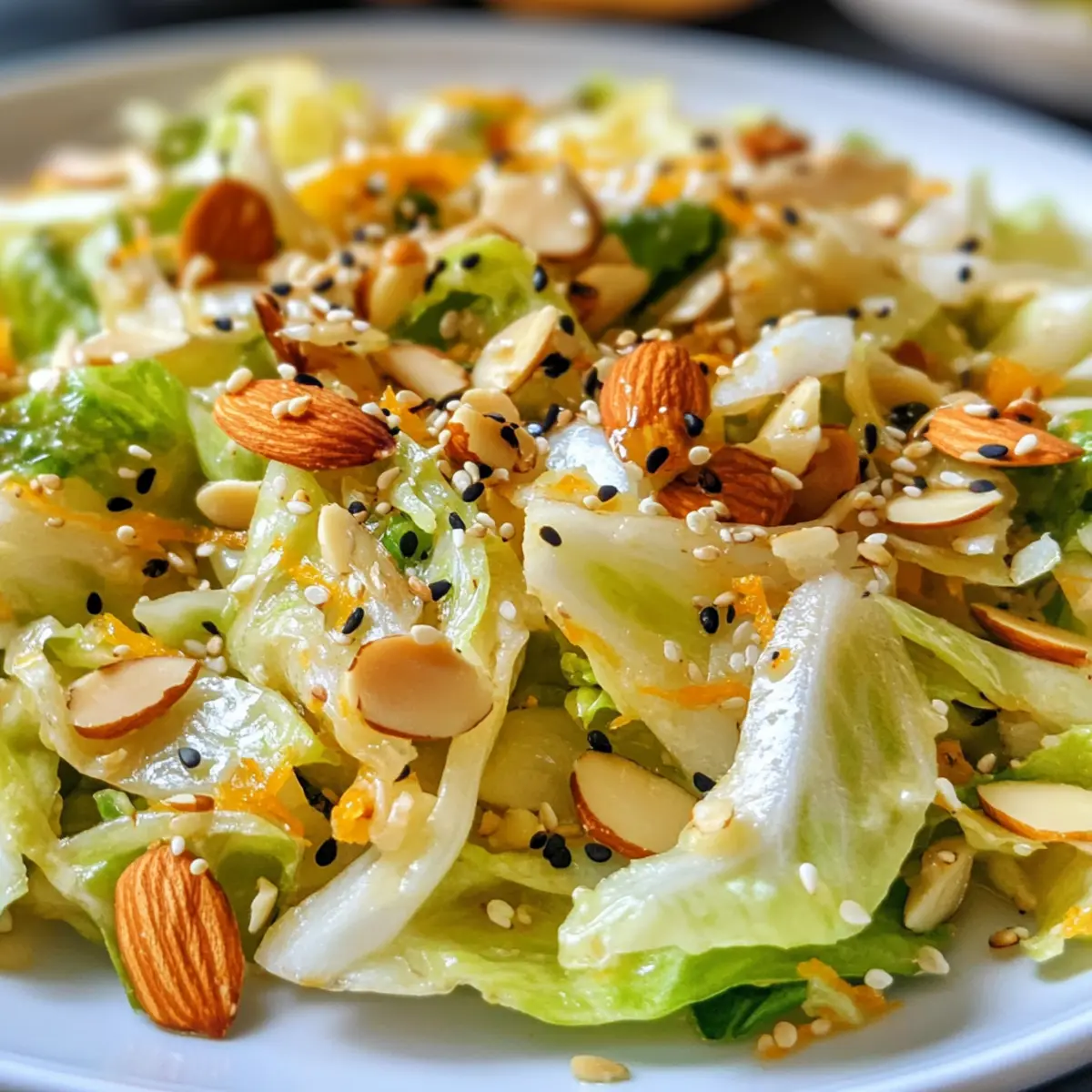
What if my orange curd is too thick after refrigerating?
No worries! If your curd thickens more than you’d like after chilling, just whisk in a little non-dairy milk until you reach your desired creamy texture. This easy fix will help you achieve the perfect spreadable consistency for your favorite dishes.

Can my pets eat homemade orange curd?
It’s best to avoid giving your pets orange curd, especially if it contains sugar and other ingredients like salt or vegan butter. The citric acidity can upset their stomachs. Always consult your vet before introducing new foods to your pet’s diet.

What if I have a nut allergy?
If you or someone you’re serving has a nut allergy, you can substitute the non-dairy milk with oat milk or another nut-free alternative such as rice milk. Just be sure to check the labels to ensure they’re allergy-friendly!

Homemade Orange Curd

Creamy Homemade Orange Curd: A Zesty Vegan Delight

Discover this creamy homemade orange curd, a zesty vegan delight perfect for elevating your favorite dishes.
Prep Time 15 minutes
Cook Time 10 minutes
Chilling Time 1 hour
Total Time 1 hour 25 minutes
Servings: 8 servings
Course: Dessert
Cuisine: Vegan
Calories: 50

Ingredients
  

For the Curd
  • 1 tablespoon Orange Zest Using organic or unwaxed oranges improves the taste
  • 1 cup Fresh Orange Juice Always opt for freshly squeezed juice for the best results
  • 3/4 cup Cane Sugar Can substitute with raw or golden caster sugar
  • 1/2 cup Non-Dairy Milk Unsweetened soy, almond, or oat milk works well
  • 1/4 cup Cornstarch Arrowroot starch can be used as a substitute
  • 1 pinch Sea Salt Elevates overall flavor
  • 1/4 cup Vegan Butter Coconut cream can be used for a different texture
Final Touch
  • Optional Flavor Variations Swapping in lemons or limes can enhance flavors

Equipment

  • Medium saucepan
  • whisk
  • Fine Mesh Sieve
  • Bowl

Method
 

Step‑by‑Step Instructions for Homemade Orange Curd
  1. Start by cleaning the oranges. Soak them in a vinegar-water solution for about 10 minutes to remove impurities, then rinse well. Zest the oranges carefully and juice them, straining out seeds for a smooth texture.
  2. In a medium saucepan, combine cane sugar and freshly grated orange zest, rubbing zest into sugar to release aromatic oils, creating a fragrant blend.
  3. Add the strained orange juice, non-dairy milk, cornstarch, and a pinch of sea salt to the sugar-zest mixture. Whisk everything together until smooth.
  4. Place the saucepan over medium heat and cook while continuously whisking for about 8-10 minutes until thickened.
  5. Remove from heat, pour mixture through a fine mesh sieve into a bowl, and add cold vegan butter, whisking until melted and combined.
  6. Cover with plastic wrap pressed on the surface to prevent skin formation and let cool for 10-15 minutes, then refrigerate for at least an hour.

Notes

Store in an airtight jar; it keeps fresh for up to 7 days in the fridge. For longer storage, freeze for up to 3 months.