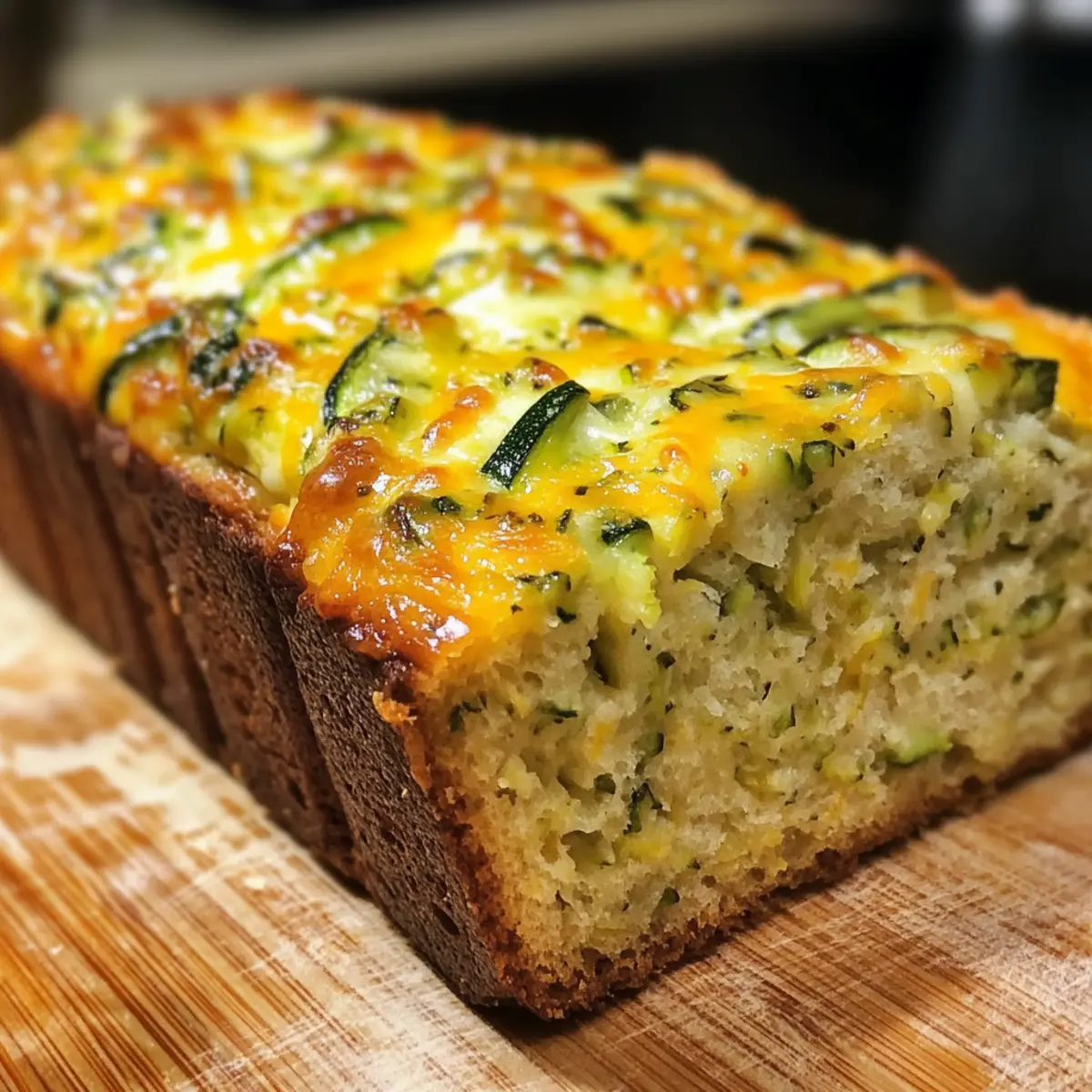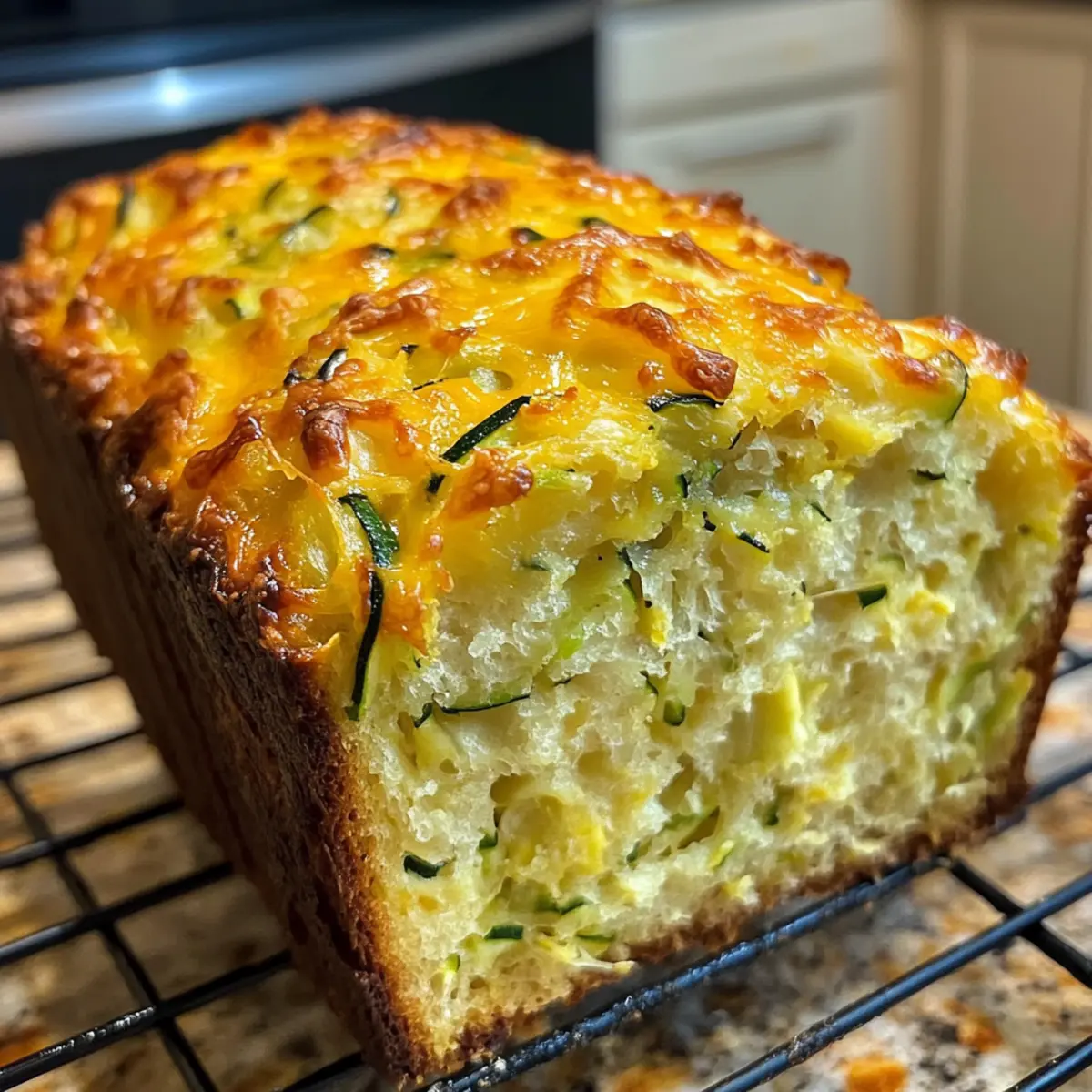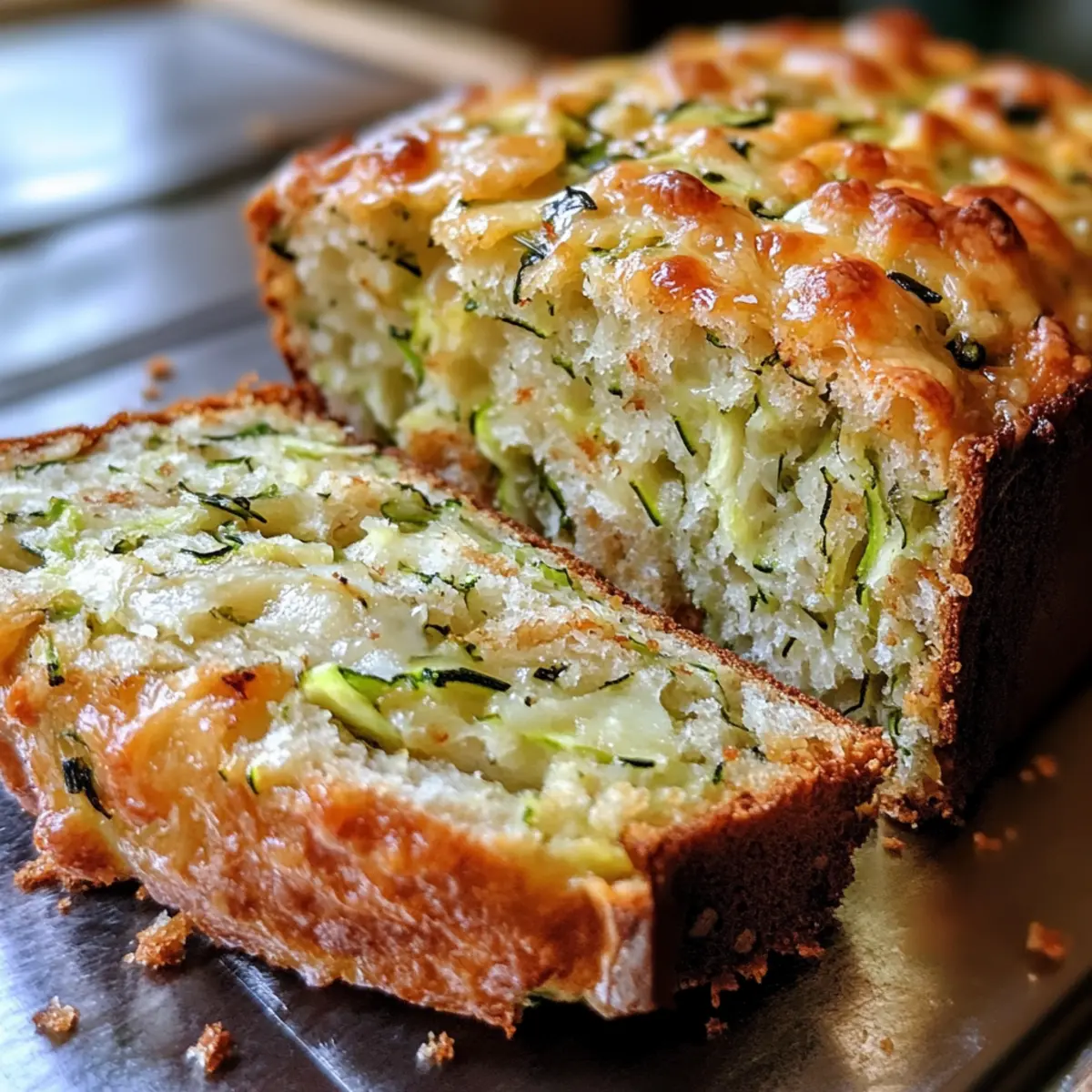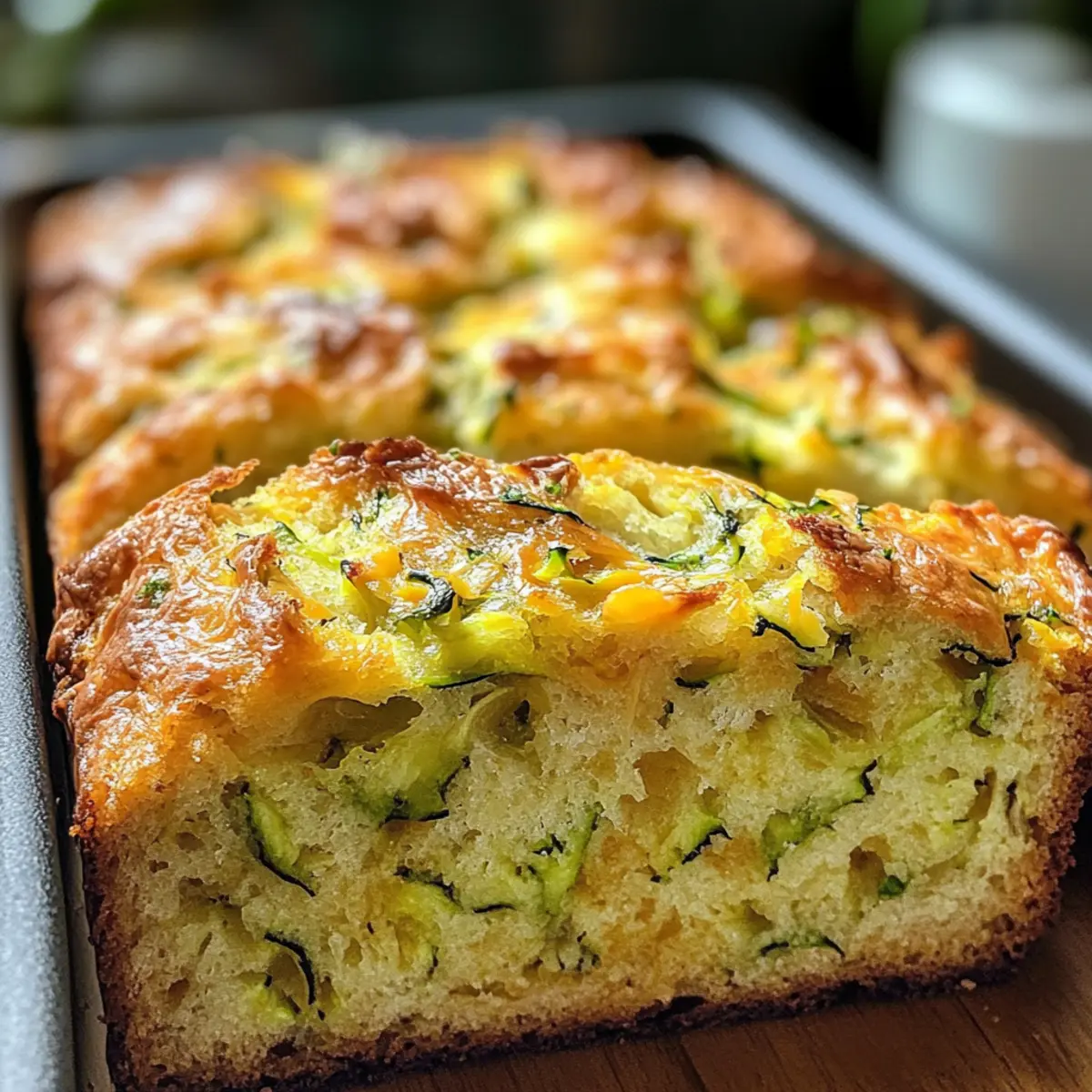
Classic Columbia 1905 Salad with Ham and Swiss Delight

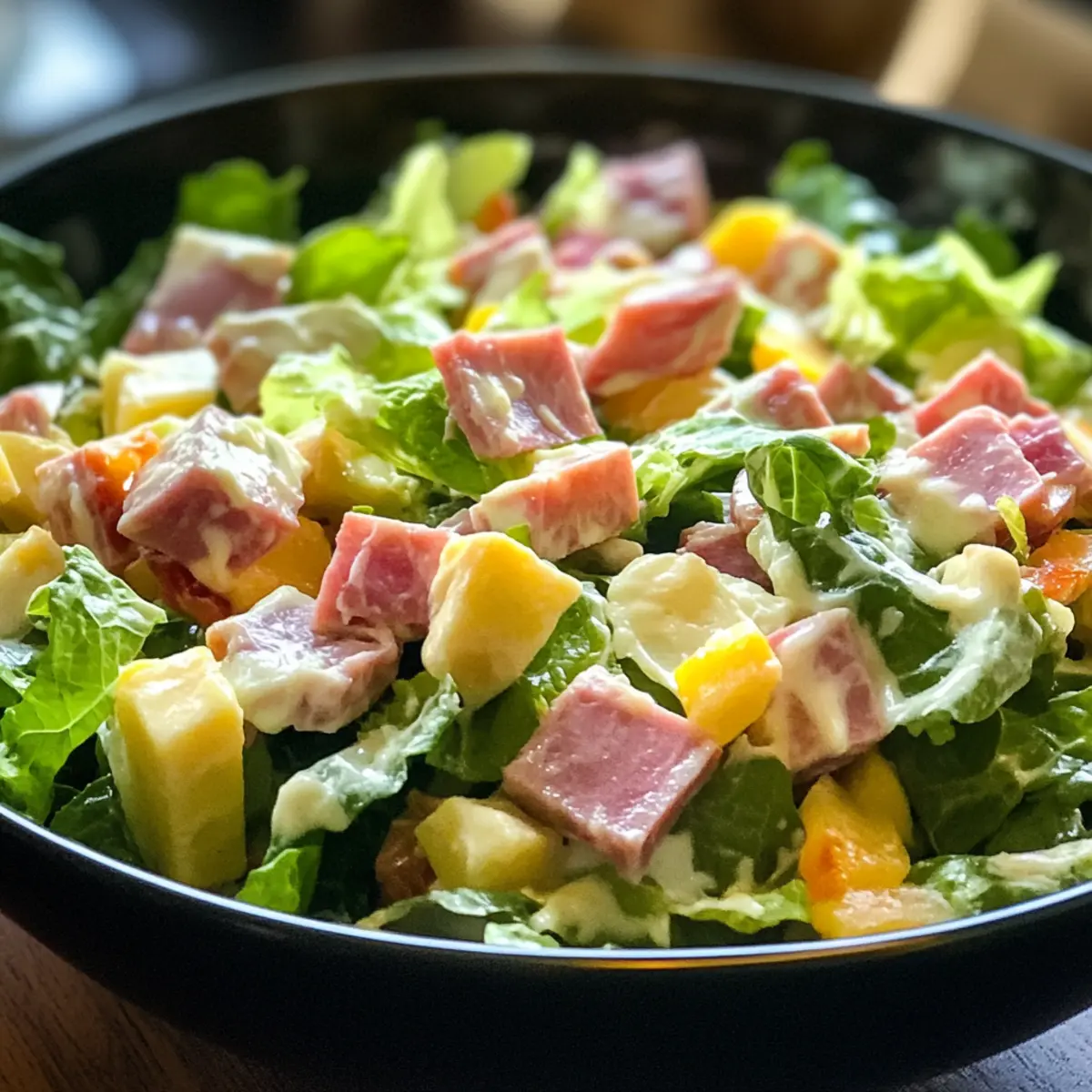
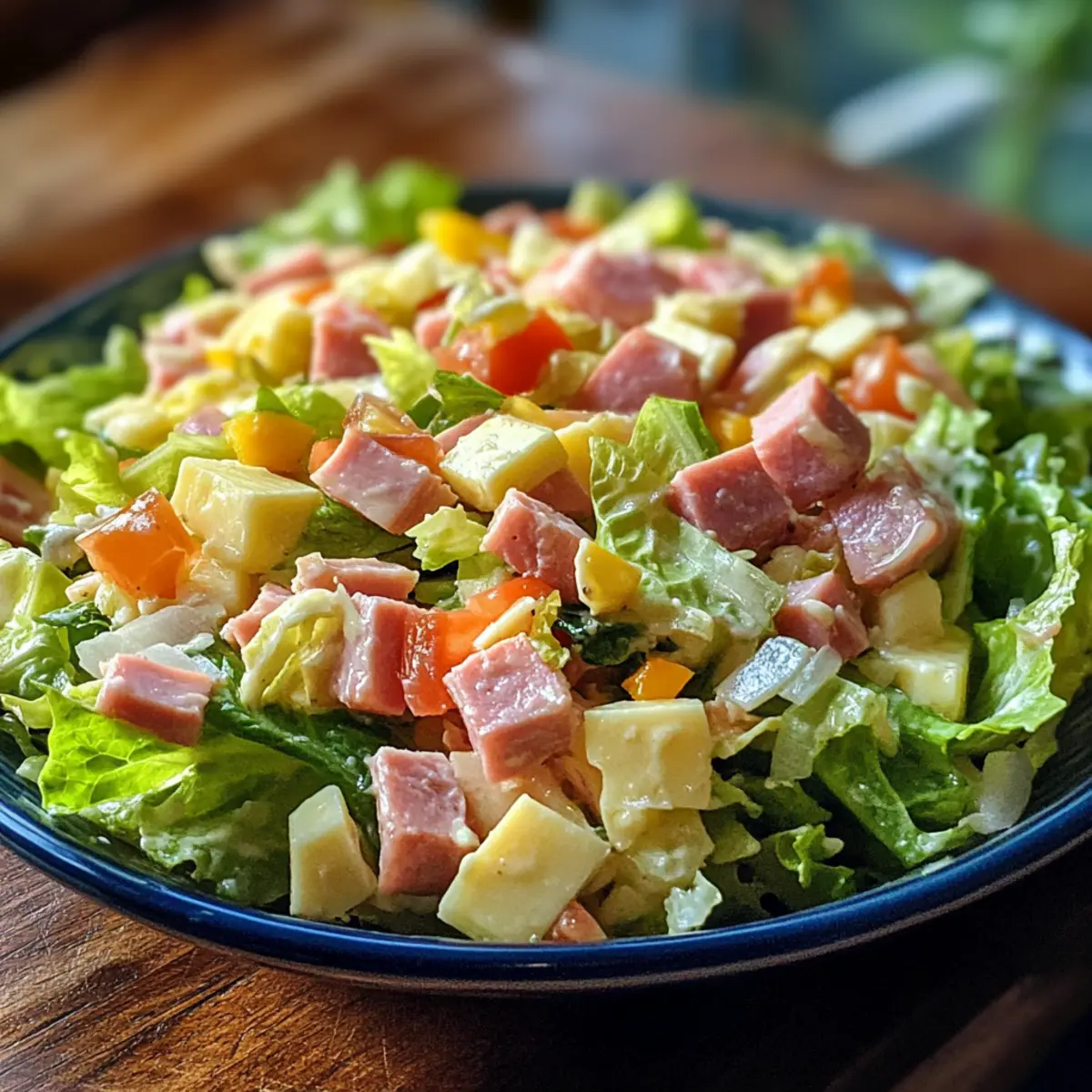
As I was tossing together the ingredients for dinner, I stumbled upon the delightful memory of a summertime picnic featuring a vibrant salad that had all my taste buds singing. The Classic Columbia 1905 Salad with Ham and Swiss Cheese is a scrumptious blend of savory ham, creamy Swiss cheese, and crisp greens that can be prepped in just 20 minutes—a dream for those busy weeknights. I love how versatile this salad is; you can easily swap in your favorite veggies or proteins to suit your mood. It’s not just a quick side dish but a satisfying light lunch, making it perfect for anyone looking to escape the fast-food rut. Curious about how easy it is to make this refreshing treat? Let’s dive into the details!
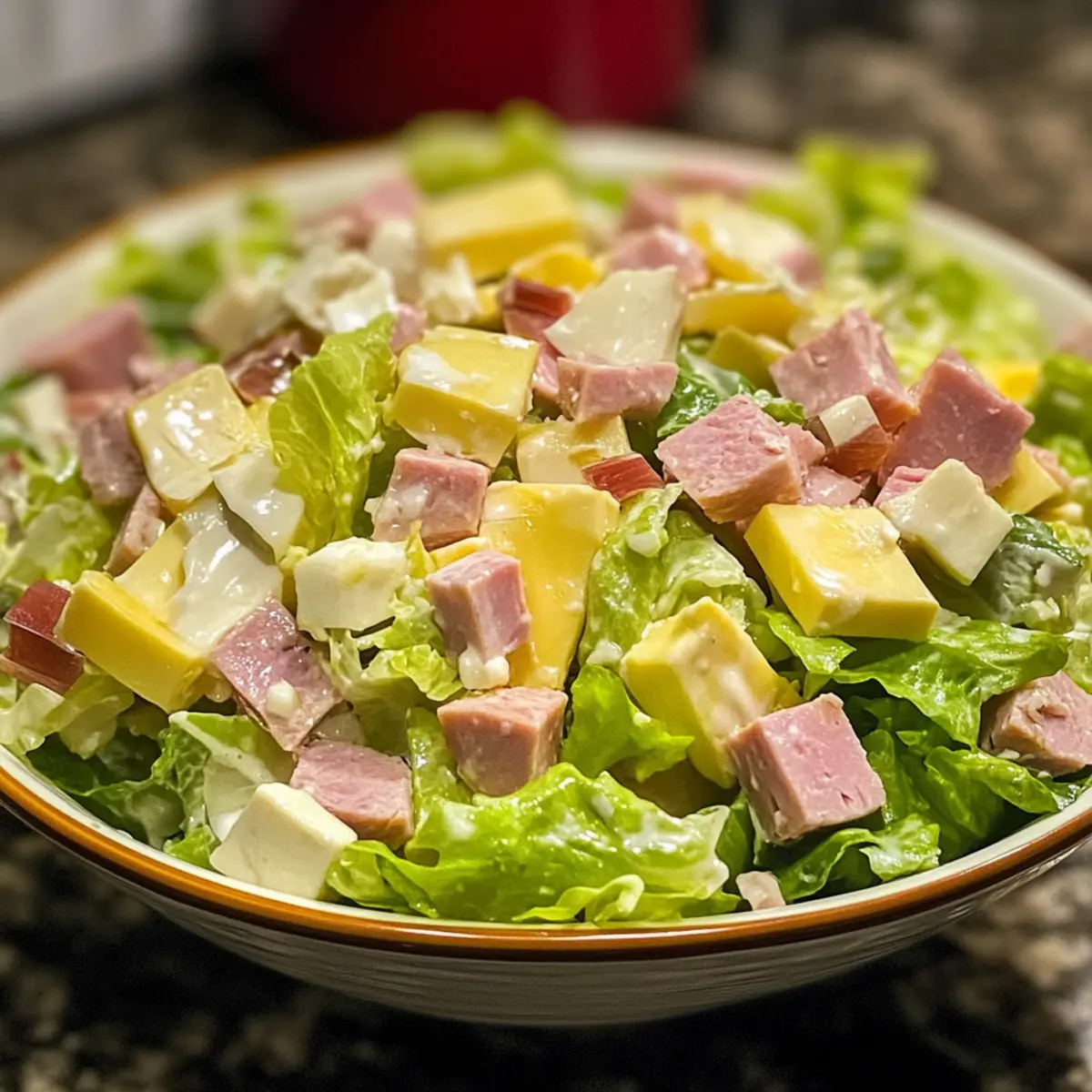
Why is the Columbia 1905 Salad a must-try?

Ease of Preparation: This salad comes together in just 20 minutes, combining fresh ingredients with minimal effort.
Versatile Ingredients: You can easily customize it by swapping in turkey, chicken, or your choice of cheese.
Crowd-Pleasing Appeal: Perfect for gatherings, this salad has something for everyone—it’s a delightful addition to any table.
Fresh and Crunchy: The crisp greens paired with savory ham and creamy Swiss cheese create a refreshing and satisfying bite.
Make-Ahead Benefits: Prep the individual components ahead of time for a quick assembly, making dinner a breeze—similar to how you’d enjoy a Cucumber Carrot Salad or Crunchy Cabbage Salad.
Embrace the wholesome flavors of the Classic Columbia 1905 Salad and enjoy a taste of nostalgia with every bite!

Classic Columbia 1905 Salad Ingredients

• For an unforgettable dish!

For the Salad

  • Ham – Provides protein and a salty flavor; substitute turkey or chicken for a lighter version.
  • Swiss Cheese – Adds creaminess and richness to the salad; can be swapped with any semi-soft cheese for variety.
  • Lettuce (Iceberg or Green Leaf) – Base of the salad providing crunch; iceberg can be substituted with green leaf for a different texture.

For the Dressing

  • Dressing – Essential for flavor; use a gluten-free version to maintain the dish’s dietary compliance.

For Additional Veggies

  • Cherry Tomatoes – Offers enhanced texture and a burst of freshness; perfect for adding color.
  • Cucumbers – Adds extra crispness; great for a refreshing crunch in every bite.

Dive into making your Classic Columbia 1905 Salad with Ham and Swiss—it’s bound to become a family favorite!

Step‑by‑Step Instructions for Classic Columbia 1905 Salad with Ham and Swiss

Step 1: Prep the Ingredients
Start by gathering all your ingredients for the Classic Columbia 1905 Salad. Dice the ham and Swiss cheese into bite-sized pieces, and chop the lettuce into roughly 2-inch pieces. Be sure to wash the lettuce well, and pat it dry to enhance the crispness. Having everything prepared ahead of time will make the assembly process quick and easy!

Step 2: Combine the Base Ingredients
In a large mixing bowl, toss together the chopped lettuce, diced ham, and Swiss cheese. Use your hands or a pair of tongs to mix gently, ensuring the flavors meld while keeping the lettuce from wilting. This step should take about 1-2 minutes, and you should see the vibrant colors of the salad coming together beautifully.

Step 3: Add Optional Veggies
If you’d like to enhance your Classic Columbia 1905 Salad, now is the time to mix in additional veggies such as halved cherry tomatoes and sliced cucumbers. These will not only add a splash of color but also a refreshing crunch. Toss these ingredients together for another minute, ensuring they are evenly distributed throughout the salad.

Step 4: Prepare the Dressing
In a small bowl or jar, whisk together your choice of dressing, ideally a gluten-free option to maintain the dish’s dietary compliance. Depending on your taste preferences, you can choose a simple vinaigrette or a creamy dressing. Aim for a slightly thicker consistency that will cling nicely to the salad components, which typically takes about 2 minutes to achieve.

Step 5: Dress the Salad
Just before serving, drizzle the dressing generously over the salad mixture. Toss everything gently but thoroughly to make sure every leaf, piece of ham, and slice of cheese is coated in that delicious dressing. This last step should only take about 1 minute, and the salad will look vibrant and inviting when done.

Step 6: Serve Immediately
For the best texture and flavor, serve your Classic Columbia 1905 Salad right after dressing it. This will keep the lettuce crisp and fresh, making for an irresistible dish. Use large serving bowls or individual plates to present your creation. Enjoy the delightful contrasts of flavors and textures that make this salad a family favorite!
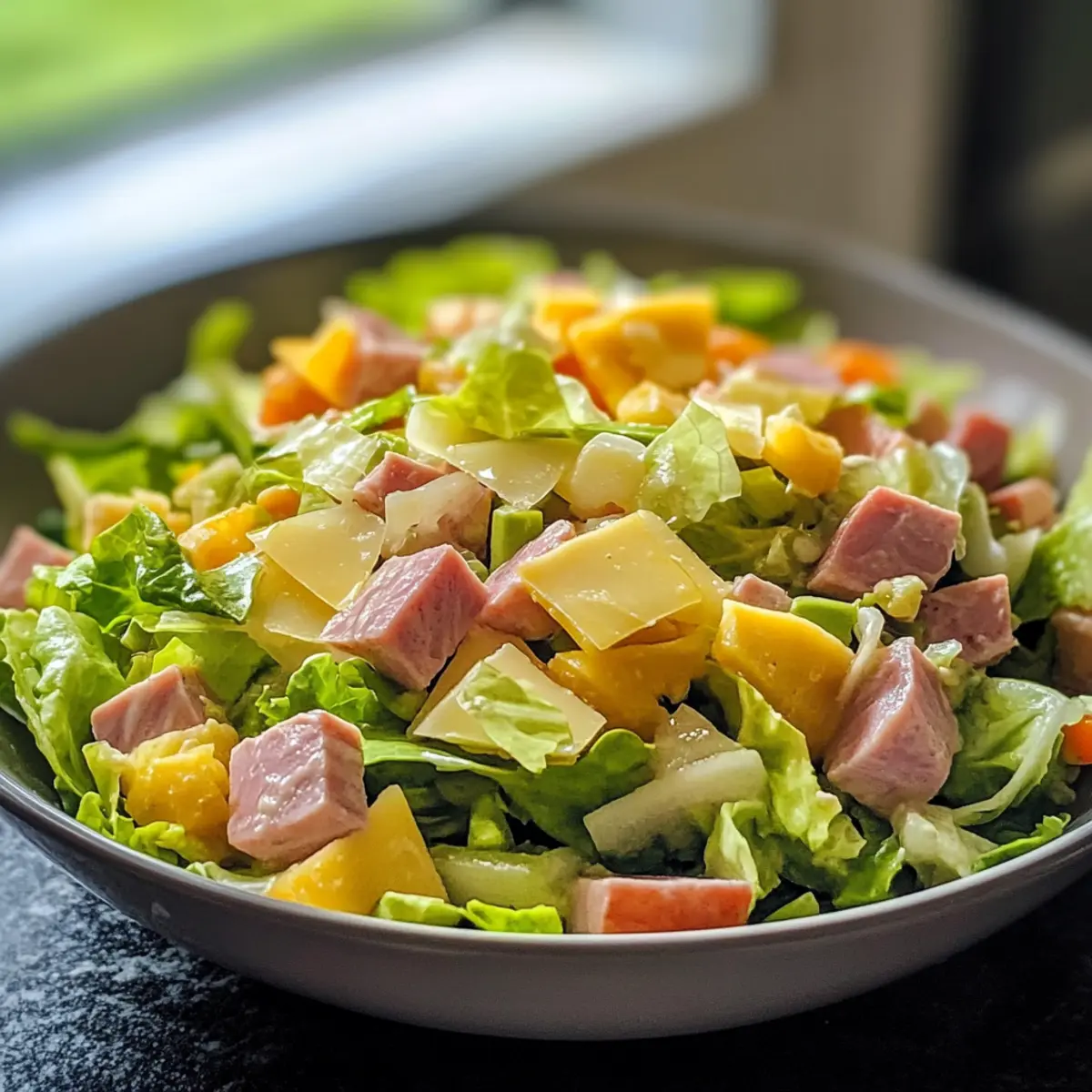
How to Store and Freeze Classic Columbia 1905 Salad

Fridge: Store any leftover Classic Columbia 1905 Salad in an airtight container for up to 3 days. Separating the dressing until ready to serve keeps the greens fresh and crisp.

Freezer: This salad is not ideal for freezing due to its fresh ingredients. Instead, consider freezing the individual components (like ham or cheese) separately for later use.

Reheating: If you have leftover ham or cheese, simply thaw in the fridge and enjoy cold or at room temperature—no need to heat!

Prep Ahead: Pre-chop ingredients and store them individually in the fridge for quick assembly later in the week, ensuring you maintain vibrant flavors and textures.

Make Ahead Options

These Classic Columbia 1905 Salad with Ham and Swiss are perfect for meal prep enthusiasts! You can chop the ham, cheese, and lettuce up to 24 hours in advance, storing them separately in the refrigerator to maintain freshness and prevent sogginess. Additionally, you can prepare the dressing ahead of time and refrigerate it in a sealed container for up to 3 days. When you’re ready to serve, simply toss the prepped ingredients together with the dressing just before enjoying, ensuring a crisp and delicious finish. This way, you save time on busy weeknights while still serving a salad that’s just as delightful as if it were freshly made!

Classic Columbia 1905 Salad with Ham and Swiss Variations

Feel free to get creative with your Classic Columbia 1905 Salad; customizing it can elevate the flavors and textures in delightful ways!

  • Turkey Swap: Substitute ham with turkey for a leaner protein option while still keeping that savory taste.
  • Cheese Twist: Try gouda or cheddar instead of Swiss cheese for a different flavor profile that adds its own unique richness.
  • Lettuce Switch: Use arugula for a peppery crunch, or baby spinach for a more tender bite that brings extra nutrients.
  • Veggie Boost: Toss in some radishes or bell peppers for added color and a satisfying crunch that brightens the salad.
  • Spicy Kick: Drizzle a little Sriracha over the salad to introduce a delightful heat that will make your taste buds dance.
  • Dressing Adventure: Experiment with a balsamic vinaigrette or a honey mustard blend to create a zesty twist that complements your ingredients perfectly.
  • Nuts for Texture: Add some toasted walnuts or pecans for a surprising crunch and a boost of healthy fats.
  • Herb Infusion: Fresh herbs like basil or parsley can enhance the flavors beautifully and add vibrancy to your salad.

Whether you decide to keep it classic or mix it up, this salad is a canvas just waiting for your culinary creativity! For more delicious salad ideas, check out our Cabbage Apple Salad or Crunchy Cucumber and Egg Salad. Enjoy every bite!

What to Serve With Classic Columbia 1905 Salad with Ham and Swiss

Enhance your meal experience by pairing delightful accompaniments that resonate with the refreshing tones of this salad.

  • Creamy Mashed Potatoes: The buttery richness of mashed potatoes balances the crispness of the salad perfectly. This comforting side adds warmth, creating a truly satisfying dinner.
  • Garlic Breadsticks: These golden, flaky treats bring a delightful crunch and aromatic flavor, ideal for soaking up any leftover dressing. They transform any meal into a cozy gathering.
  • Classic Tomato Soup: A warm, tangy tomato soup complements the flavors of the salad while providing a soothing base that invites you to savor every bite.
  • Quinoa Pilaf: This protein-packed option adds texture and nuttiness, making the meal heartier. It’s a great way to spice things up while maintaining a light touch.
  • Apple Crisp: A warm dessert featuring sweet, baked apples and a crunchy topping transforms dinner into a sweet finale—each spoonful bursting with flavor contrasts perfectly with the salad.
  • Lemonade Spritzer: A refreshing drink that balances the savory with a hint of sweetness, lifting the entire meal while enhancing the bright flavors of the salad.
  • Avocado Toast: Creamy, savory avocado on toasted bread provides comforting richness, making it an excellent pairing for the salad’s crunchiness and bright flavors.
  • Cucumber and Tomato Salad: This light, refreshing side echoes the salad’s tones, offering additional crunch and flavors that complement without overwhelming the palate.
  • Grilled Chicken Skewers: Juicy chicken adds a protein punch, combining beautifully with the ham and Swiss, offering an exciting variation to the dining experience.

Expert Tips for Classic Columbia 1905 Salad

  • Prep Ahead: Preparing all ingredients ahead of time allows for a quick assembly when you’re ready to eat. This helps streamline your meal preparation.

  • Dress Last Minute: Always dress the Classic Columbia 1905 Salad just before serving to keep the greens crisp and refreshing. This prevents sogginess and ensures every bite is delightful.

  • Taste Test the Dressing: Make sure to taste the dressing before adding too much. Adjusting it to your preference enhances the overall flavor and prevents overwhelming the fresh ingredients.

  • Store Smart: If you have leftovers, store them in an airtight container in the fridge for up to three days. Potentially separating the dressing can maintain freshness for even longer!

  • Veggie Variety: Don’t hesitate to get creative! Adding colorful veggies like bell peppers or carrots can elevate the salad’s flavor and nutrition while giving a fun twist to the Classic Columbia 1905 Salad.
Classic Columbia 1905 Salad with Ham and Swiss Recipe FAQs

How do I choose the right ham for my salad?
Absolutely! When selecting ham, opt for a high-quality product, preferably from the deli counter for freshness. Look for ham that is moist and free from dark spots. If you’re after a lighter option, turkey or chicken can be excellent substitutes.

How should I store leftover Classic Columbia 1905 Salad?
Very well! Store any leftover Classic Columbia 1905 Salad in an airtight container in the fridge for up to 3 days. To maintain the crispness of the greens, it’s best to keep the dressing separate until you’re ready to enjoy the leftovers.

Can I freeze my Classic Columbia 1905 Salad?
No, this salad isn’t ideal for freezing due to its fresh ingredients, particularly the lettuce. However, you can prepare the individual components in advance. For instance, you can freeze diced ham and cheese separately for later use in other dishes without compromising flavor.

What if my greens wilt before serving?
Not a problem! If you find your greens wilting, try refreshing them by soaking the lettuce in cold water for about 10-15 minutes before serving. This helps restore some crispness. Just be sure to drain and dry them thoroughly before mixing into the salad.

Is the Classic Columbia 1905 Salad suitable for gluten-free diets?
Absolutely! The salad can easily be made gluten-free by using gluten-free dressing. Just make sure to check the labels of any pre-packaged ingredients, like mustard or dressings, to ensure they meet gluten-free standards.
Classic Columbia 1905 Salad with Ham and Swiss

Classic Columbia 1905 Salad with Ham and Swiss Delight

Classic Columbia 1905 Salad with Ham and Swiss is a vibrant salad that combines savory ham, creamy Swiss cheese, and crisp greens in just 20 minutes.
Prep Time 20 minutes
Total Time 20 minutes
Servings: 4 servings
Course: Lunch
Cuisine: American
Calories: 350

Ingredients
  

For the Salad
  • 8 oz Ham Provides protein and a salty flavor; substitute turkey or chicken for a lighter version.
  • 4 oz Swiss Cheese Adds creaminess and richness; can be swapped with any semi-soft cheese.
  • 1 head Lettuce (Iceberg or Green Leaf) Base of the salad providing crunch; iceberg can be substituted with green leaf.
For the Dressing
  • 1/2 cup Dressing Essential for flavor; use a gluten-free version to maintain dietary compliance.
For Additional Veggies
  • 1 cup Cherry Tomatoes Offers enhanced texture and a burst of freshness; perfect for adding color.
  • 1 cup Cucumbers Adds extra crispness; great for a refreshing crunch.

Equipment

  • mixing bowl
  • whisk
  • Cutting Board
  • Knife
  • tongs

Method
 

Preparation Steps
  1. Start by gathering all your ingredients for the Classic Columbia 1905 Salad. Dice the ham and Swiss cheese into bite-sized pieces, and chop the lettuce into roughly 2-inch pieces. Wash and dry the lettuce well.
  2. In a large mixing bowl, toss together the chopped lettuce, diced ham, and Swiss cheese. Mix gently with hands or tongs.
  3. If you’d like to enhance your salad, mix in additional veggies such as halved cherry tomatoes and sliced cucumbers. Toss to evenly distribute.
  4. In a small bowl or jar, whisk together your choice of dressing. Aim for a slightly thicker consistency.
  5. Just before serving, drizzle the dressing generously over the salad mixture and toss gently to coat.
  6. Serve your Classic Columbia 1905 Salad immediately for the best texture and flavor.
Notes

This salad can be customized with different proteins and veggies. It's perfect for making ahead for quick assembly later.

Roasted Rainbow Vegetables with Fresh Herbs: A Flavor Boost!

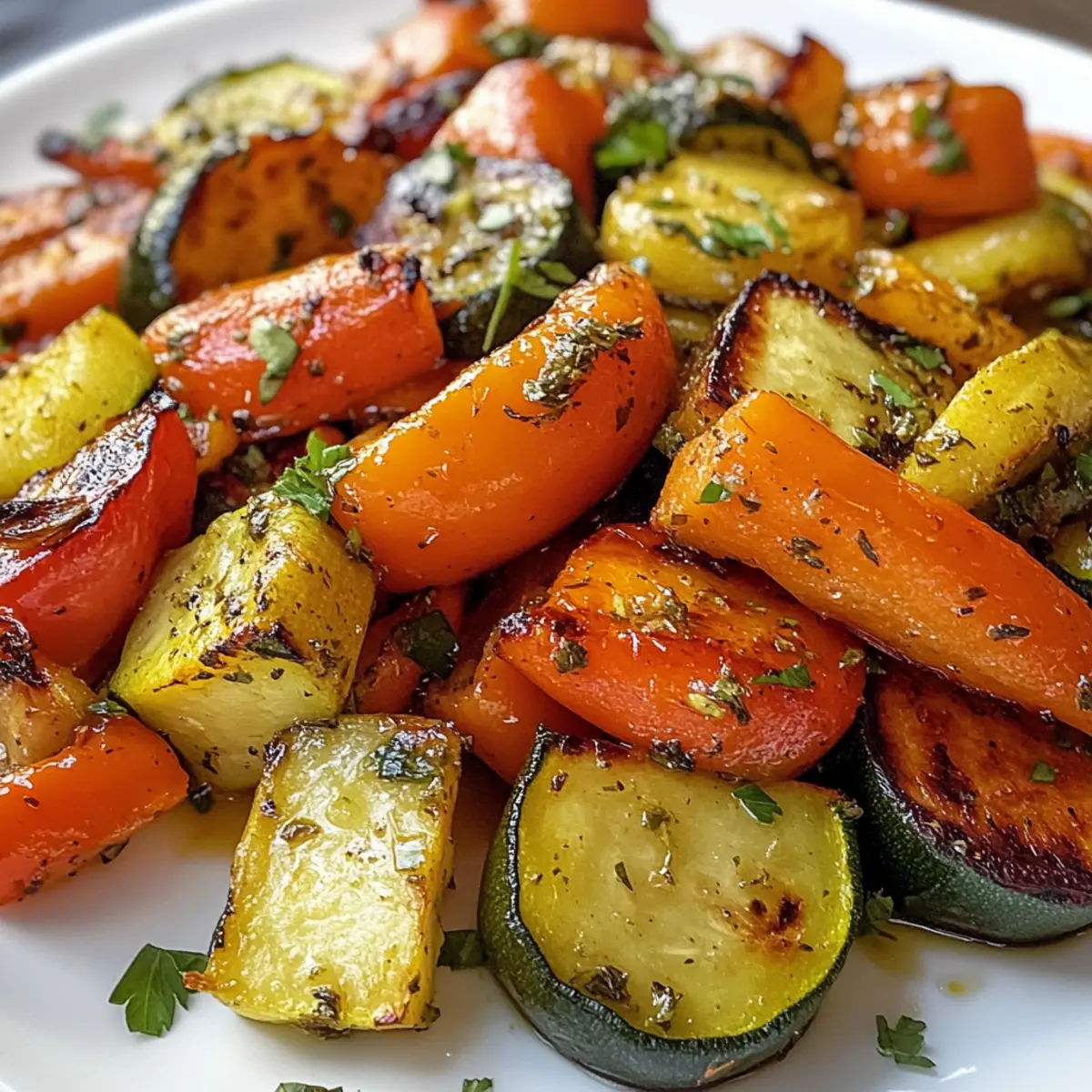
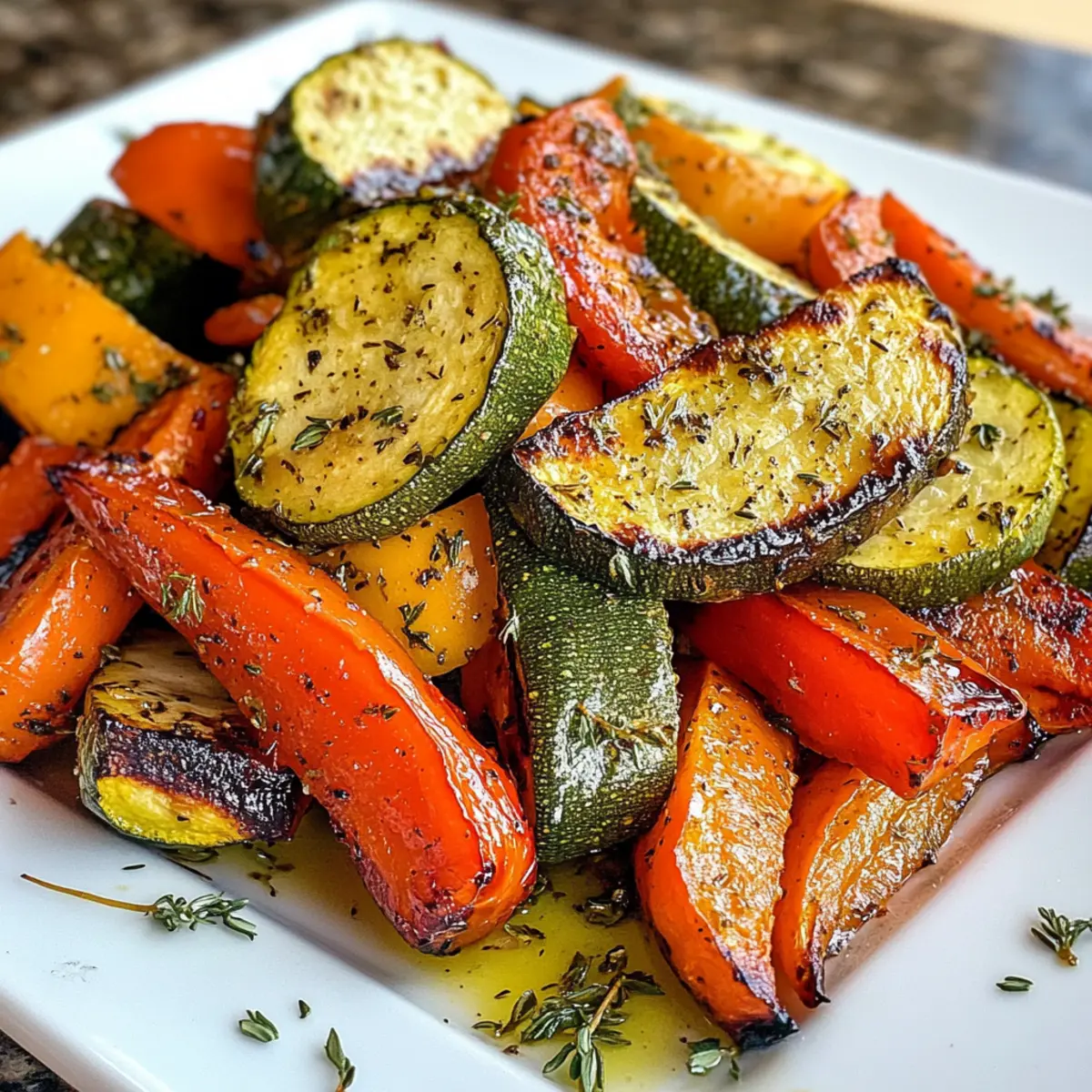
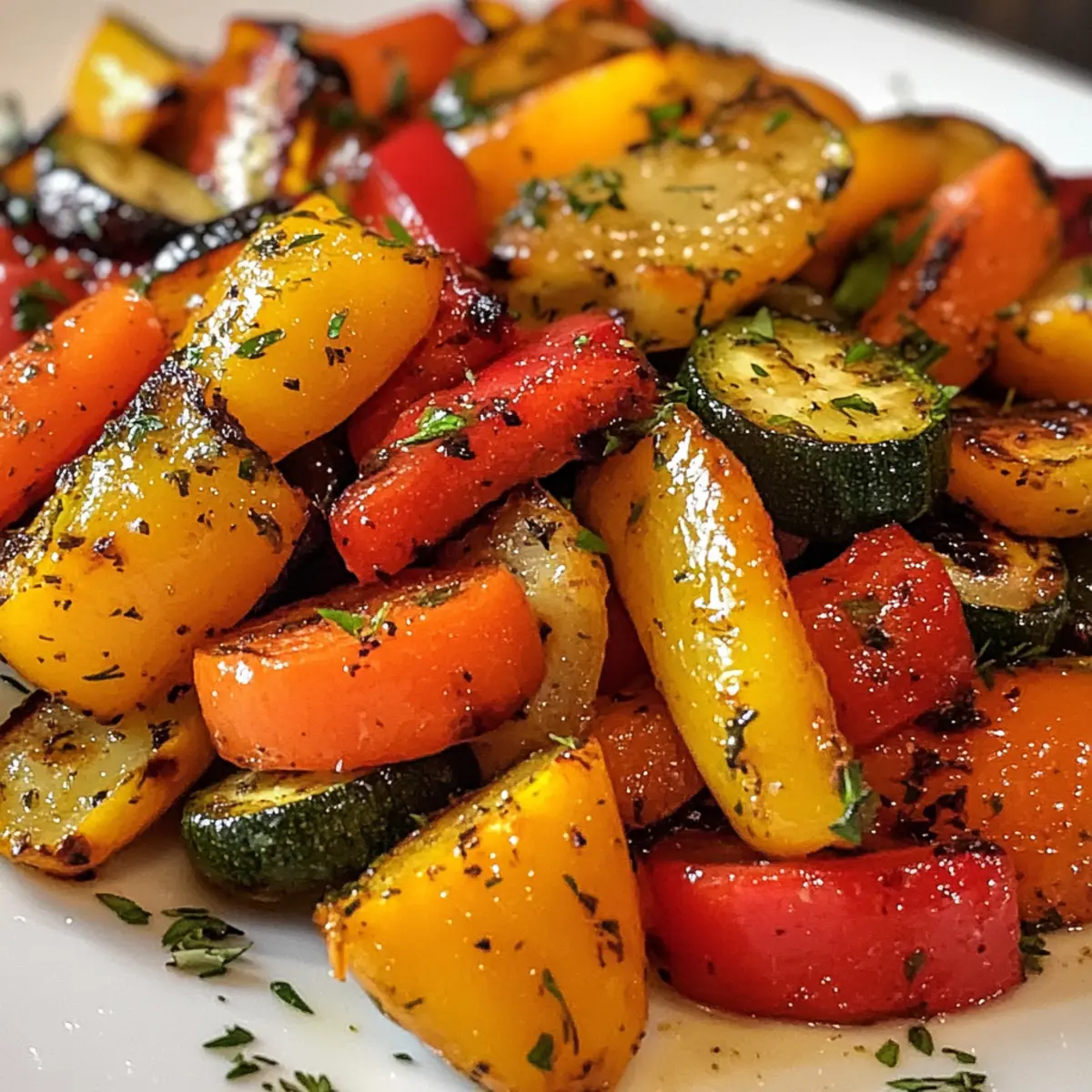
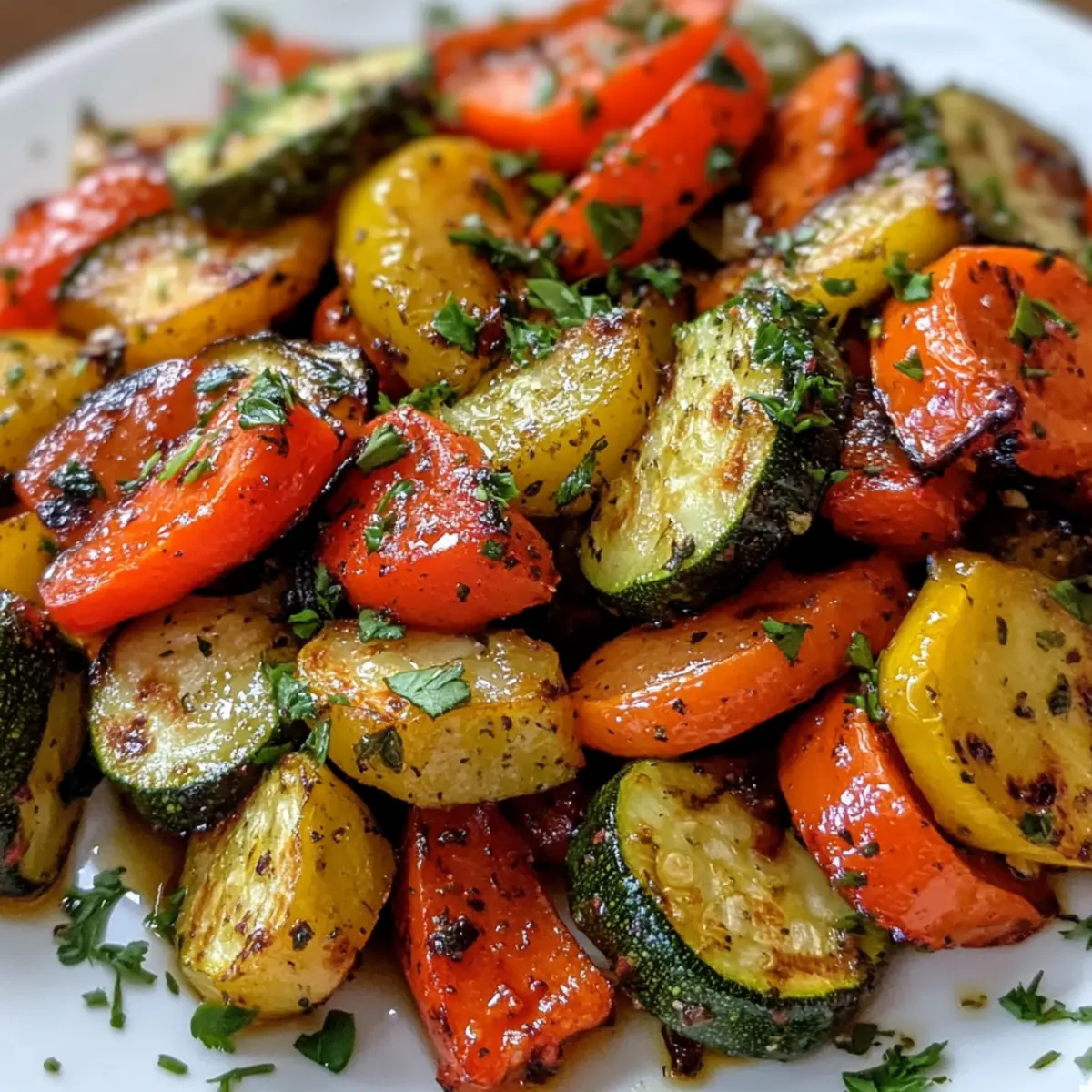
As I stood in my kitchen, the vibrant hues of fresh vegetables caught my eye—crimson bell peppers, deep green zucchini, and bright orange carrots. It dawned on me how simple ingredients could transform into a deliciously colorful dish: Easy Roasted Rainbow Vegetables with Fresh Herbs. This recipe isn’t just visually appealing; it’s a feast for the senses with the fragrant aroma of fresh herbs mingling with the sweet, roasted goodness of the veggies. Not only is it a breeze to whip up, making it perfect for a busy weeknight, but it’s also a versatile make-ahead option for gatherings. Whether paired with grilled meats or served over grains, these roasted beauties are sure to impress. Are you ready to turn your kitchen into a rainbow wonderland?

Why Are Rainbow Vegetables So Appealing?

Vibrant Colors: These roasted rainbow vegetables don’t just taste great; they look stunning on your plate! The mix of colors adds a feast for the eyes, making every meal more exciting.

Fresh Flavors: The fragrant blend of fresh herbs like rosemary and thyme brings a burst of flavor that elevates this simple dish to gourmet levels.

Easy Preparation: With minimal chopping and seasoning required, you can have these veggies roasting while you focus on other dishes. Check out my Crunch Cucumber Salad for a refreshing side!

Versatility at Its Best: Use whatever vegetables are in season, or tailor them to match your main course. How about pairing them with grilled meats or enjoying them on their own?

Healthy & Nourishing: Packed with vitamins and nutrients, this dish is gluten-free and suitable for vegetarians. It’s the perfect healthy option for any dinner.

Make-Ahead Magic: Simply prep these veggies ahead of time, and when you’re ready, just pop them in the oven. Ideal for busy weeknights or when hosting friends!

Roasted Rainbow Vegetables Ingredients

• Discover the key elements for perfect Roasted Rainbow Vegetables with Fresh Herbs!

For the Vegetables

  • Bell Peppers – choose a mix of red, yellow, and green for a colorful variety that adds sweetness.
  • Zucchini – adds a tender texture; opt for firm, fresh ones to avoid sogginess.
  • Carrots – their natural sweetness intensifies when roasted; slice them evenly for consistent cooking.

For the Fresh Herbs

  • Rosemary – offers a woody, fragrant note; chop finely to distribute flavor.
  • Thyme – enhances the aroma and taste; fresh is best, but dried can work too—reduce the amount.
  • Parsley – adds a burst of freshness and color at serving time; sprinkle it on just before you enjoy!

For the Seasoning

  • Olive Oil – use high-quality extra virgin olive oil to improve the overall flavor and achieve even roasting.
  • Salt – brings out the natural tastes of the vegetables; adjust according to preference.
  • Pepper – a dash of freshly ground black pepper will elevate the dish with subtle heat.

Feel free to explore different veggie combinations, ensuring your Roasted Rainbow Vegetables with Fresh Herbs can truly shine!

Step‑by‑Step Instructions for Roasted Rainbow Vegetables with Fresh Herbs

Step 1: Preheat the Oven
Begin by preheating your oven to 400°F (200°C). This temperature is ideal for roasting, ensuring your vegetables achieve that perfect golden-brown caramelization. Prepare a large baking sheet lined with parchment paper or lightly greased to facilitate easy cleanup and prevent sticking.

Step 2: Prepare the Vegetables
While the oven heats, wash and chop your choice of vibrant vegetables such as bell peppers, zucchini, and carrots. Aim for even-sized pieces to ensure consistent cooking and a beautiful presentation. The colors of these veggies will create a stunning visual that’s as appetizing as it is nutritious for your Roasted Rainbow Vegetables.

Step 3: Season the Vegetables
In a large mixing bowl, combine the chopped vegetables with a generous drizzle of high-quality olive oil. Season them with salt and freshly ground pepper to taste. Add chopped fresh herbs like rosemary and thyme, mixing everything well so the flavors coat each piece evenly. This step enhances the taste and aroma of your dish.

Step 4: Roast the Vegetables
Spread the seasoned vegetables onto the prepared baking sheet in a single layer, ensuring they are not overcrowded to avoid steaming. Roast them in the preheated oven for 15-20 minutes, shaking the pan halfway through. This will help achieve that crispy texture and allow for even roasting, resulting in beautifully caramelized Roasted Rainbow Vegetables.

Step 5: Check for Doneness
After 15 minutes, check the vegetables for doneness by piercing them with a fork. They should be tender with a slight crispness and golden edges. If they need more time, continue roasting for an additional 5 minutes. This step ensures that your Roasted Rainbow Vegetables are perfectly cooked and bursting with flavor.

Step 6: Serve and Enjoy
Once the vegetables are ready, remove them from the oven and let them cool for a few moments. Serve them hot to retain maximum flavor and texture. These Roasted Rainbow Vegetables with Fresh Herbs are fantastic as a side dish or can be enjoyed as a nutritious main over grains.

Roasted Rainbow Vegetables Variations

Feel free to get creative and tailor your roasted rainbow vegetables to suit your taste and pantry ingredients!

  • Seasonal Swap: Adjust your vegetable mix based on what’s fresh and available for a delightful twist on flavor and texture.
  • Herb Mix: Try basil or cilantro instead of rosemary for a refreshing Mediterranean twist that brightens the dish.
  • Spicy Kick: Add red pepper flakes or diced jalapeños to the mix for an exciting heat that ignites your taste buds.
  • Balsamic Glaze Finish: Drizzle with balsamic reduction after roasting for a sweet, tangy finish that elevates the dish’s flavor.
  • Cheesy Delight: Top with crumbled feta or parmesan cheese before serving to add a creamy, salty contrast to the roasted veggies.
  • Sweet Touch: Incorporate sweet potatoes or butternut squash for a natural sweetness that pairs beautifully with the other veggies.
  • Citrus Zest: Grate lemon or orange zest over the hot vegetables right before serving for a zesty brightness that awakens the palate.
  • Nutty Crunch: Toss in some toasted almonds or walnuts after roasting to add a satisfying crunch and a hint of nuttiness.

As you explore these variations, consider serving your roasted veggies alongside my Chili Chicken Roasted for a hearty meal or enjoy them in a nourishing bowl with grains!

Expert Tips for Roasted Rainbow Vegetables

  • Don’t Overcrowd: Ensure each vegetable piece has space to breathe on the baking sheet; overcrowding leads to steaming rather than roasting, which can make them soggy.

  • Cut Evenly: Chop your vegetables into similar sizes for even cooking. Smaller pieces may cook faster, while larger ones might need a bit longer in the oven.

  • Use Fresh Herbs: Fresh herbs add vibrancy and flavor, but if you choose dried herbs, remember that they are more concentrated—use less than you would with fresh.

  • Toss Halfway: Shake or stir the vegetables halfway through roasting. This guarantees even cooking and helps develop a lovely caramelization, enhancing your Roasted Rainbow Vegetables’ overall flavor.

  • Adjust for Preferences: Feel free to customize the herbs and vegetables based on your taste or what you have available—this recipe is all about flexibility and enjoying fresh, seasonal produce!

  • Cool Before Storing: If you have leftovers, let them cool completely before transferring them to an airtight container. This prevents moisture buildup, helping them stay fresh longer in the fridge.

How to Store and Freeze Roasted Rainbow Vegetables

Fridge: Store leftover roasted rainbow vegetables in an airtight container for up to 5 days. Allow them to cool completely before sealing to retain their crispness.

Freezer: If you want to keep them longer, these vegetables can be frozen for up to 3 months. Place cooled veggies in a freezer-safe bag or container, extracting as much air as possible.

Reheating: For optimal taste and texture, reheat in a preheated 350°F (175°C) oven for 10-15 minutes. Alternatively, microwave for 2-3 minutes, stirring halfway through to heat evenly.

What to Serve with Easy Roasted Rainbow Vegetables with Fresh Herbs

These vibrant roasted veggies create the perfect base for a colorful and flavorful meal that everyone’s going to love.

  • Grilled Chicken: Juicy, seasoned chicken complements the vegetables beautifully, adding protein to your plate while enhancing the flavors of fresh herbs.
  • Quinoa Pilaf: A hearty bed of fluffy quinoa boosts nutrition and adds a slightly nutty flavor, making it a fantastic match for roasted veggies.
  • Garlic Bread: Crunchy, buttery garlic bread offers a delightful contrast in texture while soaking up the delicious juices from the roasted vegetables.
  • Greek Salad: Fresh, crunchy, and tangy salad brings a refreshing element, showcasing the garden-fresh ingredients that pair perfectly with the roasted medley.
  • Honey-Balsamic Glazed Salmon: This sweet and savory fish adds elegance to your meal, beautifully balancing the sweetness of the roasted vegetables.
  • Lemon-Herb Couscous: Light and fluffy couscous enriched with lemon and herbs enhances the overall dish, bringing brightness to the plate.

Mix and match these ideas for a delightful, colorful feast that celebrates the essence of home-cooked meals!

Make Ahead Options

These Easy Roasted Rainbow Vegetables with Fresh Herbs are perfect for busy meal prep! You can chop and season your choice of vegetables up to 24 hours in advance—just store them in an airtight container in the refrigerator to preserve their freshness. To maintain quality, keep the seasoning separate until you’re ready to roast, as this prevents any sogginess. When you’re ready to enjoy, simply spread the prepped veggies onto a baking sheet, drizzle with olive oil, and roast in a preheated oven at 400°F (200°C) for 15-20 minutes until they are golden and tender. With this method, you can savor delicious roasted vegetables with minimal effort and maximum flavor!

Easy Roasted Rainbow Vegetables with Fresh Herbs Recipe FAQs

How do I select the best vegetables for roasting?
Absolutely! For the best results, choose vegetables that are firm and fresh. Look for vibrant colors without dark spots or blemishes. Bell peppers should feel heavy for their size, zucchini should have a smooth skin, and carrots should be crisp. Seasonal veggies can offer variety, so feel free to experiment with what you find at the farmers’ market!

How long can I store leftover roasted vegetables in the fridge?
Very! You can store your leftover roasted rainbow vegetables in an airtight container in the fridge for up to 5 days. Ensure they cool completely before sealing to maintain their crispness. This way, you can enjoy them in salads, wraps, or as a hearty side dish throughout the week!

Can I freeze roasted rainbow vegetables for future meals?
Absolutely! You can freeze these delicious roasted veggies for up to 3 months. To do this, allow them to cool entirely, then place them in a freezer-safe bag or container, squeezing out as much air as possible to prevent freezer burn. When you’re ready to enjoy them, thaw overnight in the fridge and reheat in a preheated 350°F (175°C) oven for about 10-15 minutes, or microwave for 2-3 minutes.

What should I do if my roasted vegetables become soggy?
If your veggies turn out soggy, it’s likely due to overcrowding the baking sheet during roasting. To troubleshoot for next time, make sure to spread the vegetables out in a single layer and allow them space to breathe. This will promote proper roasting and enhance that delightful crispy texture!

Are roasted rainbow vegetables safe for my pets?
Very! Roasted vegetables can indeed be shared with pets, but it’s best to avoid any seasonings like salt or pepper. Although many veggies are safe, always double-check for any specific foods that might be toxic to your furry friends, such as onions or garlic. When in doubt, consult with your veterinarian to ensure your pet’s safety!

Can I swap out vegetables in this recipe?
Sure thing! This recipe is wonderfully versatile—feel free to swap in seasonal vegetables as you please! Consider using sweet potatoes for a heartier texture, or add in asparagus for a spring touch. Just keep in mind that cooking times may vary slightly based on what you choose, so make sure to keep an eye on them as they roast!

Roasted Rainbow Vegetables with Fresh Herbs

Roasted Rainbow Vegetables with Fresh Herbs: A Flavor Boost!

Enjoy the vibrant colors and fresh flavors of Roasted Rainbow Vegetables with Fresh Herbs, a visually appealing and healthy dish perfect for dinner.
Prep Time 10 minutes
Cook Time 20 minutes
Total Time 30 minutes
Servings: 4 servings
Course: Dinner
Cuisine: American
Calories: 120

Ingredients
  

Vegetables
  • 3 cups Bell Peppers (red, yellow, green) Choose a mix for sweetness.
  • 2 cups Zucchini Use firm, fresh ones.
  • 2 cups Carrots Slice them evenly for consistent cooking.
Fresh Herbs
  • 1 tablespoon Rosemary Chop finely.
  • 1 tablespoon Thyme Fresh is best; reduce if dried.
  • 1 tablespoon Parsley Sprinkle before serving.
Seasoning
  • 3 tablespoons Olive Oil High-quality extra virgin recommended.
  • 1 teaspoon Salt Adjust to taste.
  • 1 teaspoon Pepper Freshly ground for best flavor.

Equipment

  • oven
  • baking sheet
  • mixing bowl
  • parchment paper

Method
 

Cooking Instructions
  1. Preheat your oven to 400°F (200°C). Prepare a large baking sheet lined with parchment paper.
    Roasted Rainbow Vegetables with Fresh Herbs
  2. Wash and chop your choice of vegetables into even-sized pieces.
    Roasted Rainbow Vegetables with Fresh Herbs
  3. Combine the chopped vegetables with olive oil, salt, pepper, rosemary, and thyme in a bowl. Mix well.
    Roasted Rainbow Vegetables with Fresh Herbs
  4. Spread the seasoned vegetables onto the baking sheet in a single layer and roast for 15-20 minutes, shaking halfway through.
    Roasted Rainbow Vegetables with Fresh Herbs
  5. Check for doneness by piercing with a fork. If tender and golden, remove from oven or roast an additional 5 minutes if needed.
    Roasted Rainbow Vegetables with Fresh Herbs
  6. Serve hot, optionally garnished with parsley.
    Roasted Rainbow Vegetables with Fresh Herbs

Notes

These vegetables can be customized based on seasonal availability and personal preferences.

Soft Chewy Lavender Honey Mochi for a Blissful Treat

As I stood in my kitchen, a gentle breeze wafted in, carrying the sweet scent of lavender from my garden. It reminded me of calming afternoons spent at a charming tea house, savoring delicate treats. Today, I’m excited to share my recipe for Soft Chewy Lavender Honey Mochi, an enchanting dessert that brings a taste of Japan straight to your home. This gluten-free delight features a delightful balance of floral lavender and natural honey, creating a perfect comfort food experience. Not only is it a visually stunning treat ideal for impressing guests, but it also promises a quick preparation time—perfect for those cozy evenings when a sweet craving strikes. So, are you ready to indulge in the art of mochi-making and discover how this delightful recipe can transform your dessert game?

Why is this mochi unique?

Delicate Floral Flavor: The infusion of lavender provides an enchanting twist that elevates traditional mochi into a truly unique dessert experience.

Quick and Simple: With just a few pantry staples, you’ll whip up this delightful treat in no time, making it perfect for last-minute cravings or dinner parties.

Gluten-Free Comfort: This recipe is entirely gluten-free, ensuring everyone can enjoy the soft, chewy goodness of mochi without compromise.

Versatile Variations: Feel free to experiment! Substitute sweeteners or add fillings like red bean paste for a personalized touch.

Impressive Presentation: These mochi not only taste divine but also look stunning on a dessert platter, making them a crowd-pleaser at any gathering!

Add a traditional touch by serving alongside green tea, or explore more inspirations with my recipes for Honey Chili Chicken or Tropical Pineapple Soft Serve.

Soft Chewy Lavender Honey Mochi Ingredients

For the Mochi

  • Sweet Rice Flour (Mochiko) – Essential for achieving the chewy texture characteristic of mochi; no substitutions recommended.
  • Honey – Adds natural sweetness and complements the lavender; for a vegan option, use maple syrup or agave syrup, but expect a flavor change.
  • Whole Milk or Non-Dairy Milk – Provides moisture; choose non-dairy for a vegan version that still retains richness.
  • Dried Culinary Lavender Buds – Infuses a floral aroma; use fresh lavender if available, but halve the amount for a more potent flavor.
  • Granulated Sugar – Sweetens the mixture to your liking; can be optional based on the sweetness of your honey.
  • Potato Starch – A must for dusting to prevent sticking during shaping; this ingredient is crucial for a successful mochi experience.
  • Vanilla Extract – Though optional, it enhances sweetness and adds a delightful aroma to the final product.

For Dusting

  • Potato Starch – Needed to dust your hands and the work surface; it helps prevent the mochi from sticking together.

With these ingredients, you’re ready to create the most delightful Soft Chewy Lavender Honey Mochi—an enchanting dessert experience awaits!

Step‑by‑Step Instructions for Soft Chewy Lavender Honey Mochi

Step 1: Infuse Milk
In a small saucepan, warm 1 cup of whole or non-dairy milk over medium-low heat until steaming, which should take about 2-3 minutes. Add 2 tablespoons of dried culinary lavender buds and let steep for 5-7 minutes, allowing the milk to soak up the floral aroma. Once infused, strain the mixture to remove the lavender and set it aside.

Step 2: Combine Dry Ingredients
In a microwave-safe bowl, mix 1 cup of sweet rice flour (Mochiko) with 2-4 tablespoons of granulated sugar. Stir the dry ingredients together until they are well combined and free of lumps. This mixture forms the base of your Soft Chewy Lavender Honey Mochi, paving the way for a delightful texture.

Step 3: Mix Wet and Dry
Pour the lavender-infused milk, along with ¼ cup of honey and 1 teaspoon of vanilla extract, into the bowl of dry ingredients. Using a whisk, mix thoroughly until the batter is smooth and all ingredients are fully incorporated. The consistency should be lump-free, creating a silky texture ready for cooking.

Step 4: Cook Mixture
Cover the bowl loosely with a microwave-safe lid or plate. Microwave the batter on high for 2 minutes, then carefully stir it. Return it to the microwave and cook for an additional 1 minute and 30 seconds, or until the mixture becomes translucent and slightly sticky. The transition from opaque to translucent indicates readiness.

Step 5: Shape Mochi
Dust your work surface generously with potato starch to prevent sticking. Transfer the warm mochi mixture onto the prepared surface, flattening it down to about 1-inch thickness using your hands or a rolling pin. Cut the flattened mochi into desired shapes, such as squares or circles, using a sharp knife or cookie cutter.

Step 6: Final Touch
After cutting the pieces, dust each one lightly with more potato starch to prevent them from sticking together. Your Soft Chewy Lavender Honey Mochi can be served immediately or allowed to cool completely before storing. They are best enjoyed fresh, sharing their delightful chewy texture and floral sweetness.

How to Store and Freeze Soft Chewy Lavender Honey Mochi

Fridge: Store your mochi in an airtight container to keep it fresh for up to 3 days. Use parchment paper between layers to prevent sticking.

Freezer: For longer storage, freeze the mochi in a single layer on a parchment-lined baking sheet, then transfer to an airtight container. Enjoy within 1 month for best taste and texture.

Reheating: To restore the chewy texture, microwave frozen mochi for about 10-15 seconds at a time until warmed through. Be careful not to overheat, as they can become too soft.

Room Temperature: If serving immediately, keep unrefrigerated in a cool, dry place for a few hours to maintain optimal texture and flavor before enjoying your Soft Chewy Lavender Honey Mochi.

What to Serve with Soft Chewy Lavender Honey Mochi

Indulging in these delightful mochi makes any moment feel special, especially when paired with complementary flavors and textures.

  • Green Tea: A traditional pairing that balances the mochi’s sweetness with its earthy notes, enhancing the floral profile beautifully.

  • Chilled Fruit Salad: Fresh, seasonal fruits create a vibrant contrast to the chewy mochi, adding a burst of juiciness that refreshes the palate.

  • Coconut Milk Ice Cream: This creamy, tropical dessert harmonizes with the lavender honey mochi’s flavors, rounding out a delightful pairing.

  • Matcha Latte: The rich, grassy notes of matcha add an elegant depth, creating a serene pairing that feels like a warm embrace.

  • Almond Cookies: Crunchy and nutty, these cookies offer a delightful texture contrast while echoing the sweet flavors of the mochi.

  • Lavender Lemonade: Adding a hint of citrus brightness, this refreshing drink elevates the experience, pairing perfectly with the floral essence of the mochi.

  • Classic Vanilla Pudding: Silky and rich, it complements the mochi with its creamy consistency, providing a comforting ending to your sweet meal experience.

  • Dark Chocolate Ganache: A drizzle of rich ganache adds indulgent decadence that enhances the sweetness of the mochi, perfect for special occasions.

Make Ahead Options

These Soft Chewy Lavender Honey Mochi are a fantastic option for those busy weeknights when time is of the essence! You can prepare the mochi mixture up to 24 hours in advance. Simply follow the initial steps (infusing the milk and mixing the ingredients) and store the prepared batter in an airtight container in the refrigerator. To maintain quality, ensure that the container is sealed to prevent drying out. When you’re ready to finish, just microwave the mixture until it becomes translucent, then proceed to shape and dust them as instructed. This way, you’ll still enjoy the comforting, fresh taste of mochi without the last-minute rush!

Soft Chewy Lavender Honey Mochi Variations

Feel free to get creative with this delightful recipe and make it your own!

  • Vegan Sweetener: Substitute honey with maple syrup or agave syrup for a delicious vegan option, though the floral flavor may be slightly muted.
  • Flavored Mochi: Add different extracts like almond or coconut to the batter for a fun twist on taste, elevating your mochi’s flavor profile.
  • Fresh Fruit Filling: Incorporate fillings such as sliced strawberries or crushed mango for a fruity surprise inside each mochi piece.
  • Chocolate-Covered: Dip the cooled mochi in melted dark chocolate and let set for an indulgent dessert that’s even more decadent.
  • Stuffed Mochi: Fill the mochi with sweet red bean paste or matcha chocolate for an unexpected burst of flavor with every bite.
  • Citrus Infusion: Add a teaspoon of lemon or orange zest to the batter for a refreshing citrus twist that pairs beautifully with lavender.
  • Spicy Kick: For those who love heat, a pinch of chili powder can transform your mochi into a sweet and spicy delicacy.
  • Crunchy Bits: Toss in crushed nuts like almonds or walnuts for added texture and flavor that contrasts beautifully with the chewy mochi.

As you explore these variations, you might find inspiration for more delightful pairings. Consider serving your mochi alongside fragrant green tea or treat yourself to my Cloud Soft Condensed dessert for an indulgent experience!

Expert Tips for Soft Chewy Lavender Honey Mochi

  • Dust Generously: Ensure your hands and surfaces are well-dusted with potato starch when shaping the mochi. This prevents sticking and makes the process smoother.

  • Steeping Time: For a more robust flavor, feel free to steep the lavender up to 10 minutes; just be cautious not to overpower the sweetness with too much lavender.

  • Storage Wisdom: Keep your mochi in an airtight container with parchment paper between layers to maintain freshness. These Soft Chewy Lavender Honey Mochi are best eaten the same day for optimal texture.

  • Variations Allowed: Don’t hesitate to experiment! Swap honey for maple syrup or add fillings like red bean paste to create your own version of this remarkable treat.

  • Presentation Matters: Serve your mochi alongside a cup of green tea or dress them up with powdered sugar for an elegant touch at your next gathering!

Soft Chewy Lavender Honey Mochi Recipe FAQs

What kind of sweet rice flour should I use for mochi?
For this recipe, it’s essential to use sweet rice flour, commonly known as Mochiko, which gives mochi its unique chewy texture. Unfortunately, other flours like regular rice flour or all-purpose flour won’t work as a substitute, so I recommend sticking with Mochiko for the best results.

How should I store leftover mochi?
Store your mochi in an airtight container with parchment paper between layers to prevent sticking. They’ll stay fresh for up to 3 days in the fridge, but I encourage you to enjoy them the same day for the best texture and flavor!

Can I freeze Soft Chewy Lavender Honey Mochi?
Absolutely! To freeze, first lay the mochi pieces in a single layer on a parchment-lined baking sheet. Once frozen solid, transfer them to an airtight container and enjoy your mochi within 1 month for optimal taste. When ready to eat, microwave them for about 10-15 seconds at a time until warmed through.

What should I do if my mochi mixture is too sticky?
If your mochi is too sticky, it might need a bit more dusting of potato starch during the shaping process. If it’s overly sticky even after cooling, it can indicate too much liquid was added. In future attempts, try reducing the liquid by a tablespoon or so to achieve a better consistency.

Are there any dietary considerations I should keep in mind?
Yes! This recipe can be made vegan by substituting honey with maple syrup or agave syrup. Also, ensure that the sweet rice flour you use is labeled gluten-free if you’re catering to those with gluten allergies, as some brands may process in environments where cross-contamination can occur.

Can I use fresh lavender instead of dried?
Certainly! If you use fresh lavender, reduce the amount to about 1 tablespoon since its flavor is more potent. Simply chop it finely before steeping in the milk. This can add a delightful freshness to your Soft Chewy Lavender Honey Mochi!

Soft Chewy Lavender Honey Mochi

Soft Chewy Lavender Honey Mochi for a Blissful Treat

Discover the delightful Soft Chewy Lavender Honey Mochi, a unique gluten-free dessert featuring floral lavender and natural honey.
Prep Time 15 minutes
Cook Time 4 minutes
Infusion Time 7 minutes
Total Time 26 minutes
Servings: 8 pieces
Course: Dessert
Cuisine: Japanese
Calories: 70

Ingredients
  

For the Mochi
  • 1 cup Sweet Rice Flour (Mochiko) Essential for achieving the chewy texture.
  • ¼ cup Honey For vegan option, use maple syrup.
  • 1 cup Whole Milk or Non-Dairy Milk Provides moisture; choose non-dairy for vegan.
  • 2 tablespoons Dried Culinary Lavender Buds Use fresh lavender if available.
  • 2-4 tablespoons Granulated Sugar Can be optional based on the sweetness of honey.
  • 2 tablespoons Potato Starch Crucial for a successful mochi experience.
  • 1 teaspoon Vanilla Extract Optional; enhances sweetness.
For Dusting
  • 2 tablespoons Potato Starch Needed to dust your hands and work surface.

Equipment

  • Microwave
  • Small saucepan
  • whisk
  • microwave-safe bowl
  • Sharp knife or cookie cutter

Method
 

Step-by-Step Instructions
  1. In a small saucepan, warm 1 cup of whole or non-dairy milk over medium-low heat and add 2 tablespoons of lavender buds. Let steep for 5-7 minutes, then strain and set aside.
  2. In a microwave-safe bowl, mix 1 cup of sweet rice flour with 2-4 tablespoons of sugar until free of lumps.
  3. Pour lavender-infused milk, ¼ cup honey, and 1 teaspoon vanilla into dry ingredients. Whisk until smooth.
  4. Cover bowl and microwave on high for 2 minutes, stir, then microwave for another 1 minute and 30 seconds until translucent.
  5. Dust work surface with potato starch and transfer warm mixture, flatten to 1-inch thickness. Cut into shapes.
  6. Dust cut mochi lightly with more potato starch and serve immediately or cool before storing.

Notes

Best enjoyed fresh, can be served with green tea or dressed with powdered sugar for presentation.

Iced Blue Tea Latte Recipe with Vanilla Cold Foam Magic

As I sipped my first Iced Blue Tea Latte, I was immediately transported to a breezy summer café, where the sun sparkled in a vibrant blue hue. This delightful drink, complete with a luscious vanilla cold foam, isn’t just an eye-catching treat; it’s the easy answer to those moments when homemade feels better than takeout. Made with the enchanting flavors of blue tea, this Iced Blue Tea Latte Recipe with Vanilla Cold Foam offers a uniquely refreshing twist that’s gluten-free and perfect for any occasion. Plus, it’s simple to whip up ahead of time, ensuring you can stay cool and indulge guilt-free. Curious about how to recreate this café experience in your own home? Let’s dive in and conjure up this culinary wonder together!

Why is This Drink a Must-Try?

Refreshingly Unique: This Iced Blue Tea Latte offers a distinctly vibrant color that will impress your family and friends.
Versatile Variations: Love customizing your drinks? Swap blue tea for green tea or switch up the milk to suit your taste.
Quick Preparation: Perfect for busy days, this recipe is quick to whip up and can easily be made ahead.
Decadently Creamy: The rich vanilla cold foam gives this drink a luxurious texture that feels indulgent without the cafe price tag.
Eye-Catching Presentation: With its stunning blue hue and fluffy foam, it’s a showstopper at summer gatherings or relaxed afternoons. Try pairing it with a Nutty Vanilla Cake or enjoy with some freshly baked Cream Puffs Vanilla for a delightful treat!

Iced Blue Tea Latte Recipe with Vanilla Cold Foam Ingredients

For the Latte
Blue Tea (Butterfly Pea Tea) – This is the star of the show, providing a lovely blue hue; feel free to use green tea for a different flavor experience.
Milk – Adds creaminess and richness to your latte; for a dairy-free option, any plant-based milk like almond or oat works beautifully.
Sweetener (optional) – Tailor the sweetness to your liking; honey or agave syrup can be great substitutes for sugar.

For the Cold Foam
Cream – Use heavy cream for the best results in creating that luscious texture; or substitute with a heavier plant-based cream for a vegan option.
Vanilla Extract – Essential for that aromatic flavor, making the foam irresistible; it’s crucial for the overall balance of flavors.

Optional Enhancements
Food Coloring (optional) – While not necessary for flavor, it can enhance the visual appeal of your drink; perfect if you want a brighter presentation.

This Iced Blue Tea Latte recipe with Vanilla Cold Foam not only satisfies but transforms your everyday drink experience into something extraordinary!

Step‑by‑Step Instructions for Iced Blue Tea Latte Recipe with Vanilla Cold Foam

Step 1: Brew the Blue Tea
Begin by boiling water in a kettle until it reaches a rolling boil. Measure out the butterfly pea tea and steep it in the hot water for about 5–7 minutes, until it deepens to a rich blue hue. Once brewed, remove the tea leaves and allow the mixture to cool at room temperature or in the fridge for quicker cooling.

Step 2: Prepare the Vanilla Cold Foam
While the blue tea is cooling, take a mixing bowl and add heavy cream and vanilla extract. Using an electric mixer, whip the cream on medium speed for about 2–3 minutes, until soft peaks form. You’ll want it to be thick and creamy, with a smooth, velvety texture that will top your iced blue tea latte beautifully.

Step 3: Combine Blue Tea and Milk
In a tall glass, pour the cooled blue tea, filling it about halfway full. Add your choice of milk to fill the glass to the top, creating a lovely contrast with the vibrant blue tea. Stir gently with a spoon to mix the flavors together, ensuring the creamy elements blend smoothly while preserving that enchanting color.

Step 4: Top with Cold Foam
Using a spoon or spatula, carefully dollop the whipped vanilla cold foam over the top of your iced blue tea latte. Take your time to create a luscious layer, allowing it to float elegantly on the surface, creating an inviting visual. This presents beautifully and adds a delightful creamy touch that complements the tea beneath.

Step 5: Serve and Enjoy
At this stage, your Iced Blue Tea Latte with Vanilla Cold Foam is ready to be enjoyed! Optionally, add a straw or a spoon for your convenience and savor each sip of this refreshing drink. It works as a perfect treat for warm days or an indulgent afternoon pick-me-up, making you feel like you’re basking in a café vibe right at home.

Expert Tips for Iced Blue Tea Latte

  • Chill Ingredients: Ensure your milk and cream are well-chilled to achieve the best frothiness for the cold foam.
  • Mixing Milk: When combining the cooled blue tea and milk, stir gently to maintain the striking blue color of the latte.
  • Froth Perfection: If your cold foam isn’t as fluffy, try using slightly warmed cream while whipping; this can help achieve that desired texture.
  • Make-Ahead Ease: Brew extra blue tea and keep it in the fridge for up to 5 days; the vanilla cold foam can be prepped and stored for up to 2 days, making this Iced Blue Tea Latte recipe with Vanilla Cold Foam super convenient.
  • Sweetness Control: Adjust the sweetness level based on personal preference; using honey or agave can enhance the flavor profile even more.
  • Visual Appeal: For added flair, consider including food coloring; it enhances the drink’s aesthetics without altering the flavor.

What to Serve with Iced Blue Tea Latte with Vanilla Cold Foam

As you sip your refreshing drink, consider enhancing your experience with delightful pairings that elevate each taste.

  • Crispy Croissants: Light, flaky, and buttery, croissants are the perfect brunch companion, balancing the creamy texture of your latte.
  • Zesty Lemon Bars: The bright citrus flavor of these treats contrasts perfectly with the mellow notes of blue tea, adding a delightful zing.
  • Fruity Parfait: Layered with yogurt, granola, and fresh berries, it brings a lovely crunch and freshness that complements the drink beautifully.
  • Savory Scones: Opt for cheese or herb scones to create a savory bite that harmonizes well with the sweet vanilla foam. Soft and crumbly, they make for a satisfying snack.
  • Chilled Fruit Salad: Refreshing and vibrant, a mix of seasonal fruits like watermelon, pineapple, and mint contrasts with the creamy elements of your iced latte.
  • Ginger Snap Cookies: The warm, spicy flavors of these cookies provide a perfect balance to the cool, refreshing qualities of the iced blue tea.
  • Sparkling Water: Enhance your refreshment with bubbly sparkling water, citrus-infused for an invigorating and palate-cleansing experience.
  • Mango Mousse: Light and airy, mango mousse adds a tropical twist that works well with the flavors of the blue tea, making for a satisfyingly sweet ending to your meal.

Iced Blue Tea Latte Recipe Variations

Feel free to get creative with this delightful iced blue tea latte recipe; your taste buds will thank you!

  • Green Tea: Swap the butterfly pea tea for green tea for a milder, earthy flavor that still shines with vibrant colors.
  • Dairy-Free Delight: Substitute regular milk with almond or oat milk for a creamy yet plant-based option that everyone can enjoy.
  • Coconut Twist: Use coconut milk for a tropical vibe; this adds a lovely hint of sweetness and enhances the drink’s creaminess.
  • Sweetener Alternatives: Instead of sugar, try maple syrup or a stevia blend for a natural, lighter sweetness that beautifully complements the flavors.
  • Flavor Infusion: Add a few drops of almond or coconut extract to the vanilla cold foam for an unexpected twist that’ll tantalize your taste buds.
  • Herbal Variants: Experiment with herbal teas like chamomile or hibiscus for a floral flavor profile that’s equally refreshing and soothing.
  • Chili Spice: For those who enjoy a kick, mix in a pinch of cayenne pepper into the cold foam; it’s a surprising and exciting addition.
  • Visual Appeal: If you’re feeling extra fancy, incorporate edible flowers or a sprig of mint for garnish, making your presentation as lovely as your drink!

Ready to spice up your afternoon with this iced blue tea latte? Pair it with some deliciously sweet banana bread brownies for the perfect treat!

Make Ahead Options

These Iced Blue Tea Latte with Vanilla Cold Foam are perfect for busy home cooks looking to save time! You can brew the blue tea and refrigerate it for up to 5 days; this allows you to enjoy a refreshing drink whenever the craving strikes. Additionally, the vanilla cold foam can be prepared ahead and stored in an airtight container in the fridge for up to 2 days to maintain its delightful texture. When you’re ready to serve, simply combine the chilled blue tea with your preferred milk, then top with the prepared cold foam and enjoy a café-quality treat with minimal effort!

Storage Tips for Iced Blue Tea Latte

Fridge: Store any leftover blue tea in an airtight container for up to 5 days to maintain freshness and flavor.

Cold Foam: You can prepare the vanilla cold foam ahead of time and keep it in the fridge for up to 2 days; just give it a gentle stir before using.

Reheating: If you prefer a warm drink, the brewed blue tea can be gently reheated on the stove, but avoid boiling to preserve the flavor nuances.

Make-Ahead: This Iced Blue Tea Latte recipe with Vanilla Cold Foam is perfect for make-ahead preparation, allowing you to enjoy this delightful drink anytime!

Iced Blue Tea Latte with Vanilla Cold Foam Recipe FAQs

What type of blue tea should I use?
Absolutely! For the best results, I recommend using butterfly pea tea, which gives your latte that stunning blue color. If you want to explore different flavors, feel free to substitute with green tea instead for a fresh twist.

How do I store leftover blue tea?
You can store any leftover blue tea in an airtight container in the fridge for up to 5 days. Make sure to keep it well-sealed to avoid any absorption of odors from your fridge.

Can I make the vanilla cold foam ahead of time?
Yes, indeed! You can prepare the vanilla cold foam up to 2 days in advance and store it in the fridge. Just give it a gentle stir before use to restore its delightful texture. This makes it super convenient for those busy days!

What if my cold foam isn’t frothy enough?
Very common! If your cold foam doesn’t achieve the desired fluffiness, I recommend using slightly warmed cream instead while whipping. Start with fresh, chilled cream, then warm it slightly before whipping, which can help achieve that perfect frothy texture.

Can I customize the sweetness level?
Absolutely! It’s all about your personal preference. You can adjust the sweetness by adding more or less sweetener—honey or agave syrup are great alternatives to regular sugar and can really elevate the flavor profile. Just keep tasting until it’s just right for you!

Is this Iced Blue Tea Latte safe for pets?
It’s a good question! While the ingredients are generally safe, it’s best to keep this delightful drink away from pets. The sweeteners and cream may not sit well with their digestive systems, so it’s better to enjoy this refreshing treat just for you!

Iced Blue Tea Latte Recipe with Vanilla Cold Foam

Iced Blue Tea Latte Recipe with Vanilla Cold Foam Magic

Enjoy vibrant Iced Blue Tea Latte with Vanilla Cold Foam, a refreshing twist perfect for any occasion.
Prep Time 10 minutes
Cook Time 7 minutes
Total Time 17 minutes
Servings: 2 cups
Course: Drinks
Cuisine: American
Calories: 150

Ingredients
  

For the Latte
  • 2 teaspoons Blue Tea (Butterfly Pea Tea) Can substitute with green tea
  • 1 cup Milk Any plant-based milk for dairy-free option
  • 1 tablespoon Sweetener (optional) Honey or agave syrup recommended
For the Cold Foam
  • 1 cup Cream Heavy cream or heavier plant-based cream for vegan
  • 1 teaspoon Vanilla Extract Essential for flavor
Optional Enhancements
  • 1 drop Food Coloring (optional) For enhanced visual appeal

Equipment

  • Kettle
  • mixing bowl
  • electric mixer
  • tall glass
  • spoon

Method
 

Step-by-Step Instructions
  1. Begin by boiling water in a kettle until it reaches a rolling boil. Measure out the butterfly pea tea and steep it in hot water for about 5–7 minutes.
  2. While the blue tea is cooling, add heavy cream and vanilla extract to a mixing bowl. Whip on medium speed until soft peaks form, about 2–3 minutes.
  3. In a tall glass, pour the cooled blue tea halfway and fill the glass to the top with milk. Stir gently to mix.
  4. Dollop the whipped vanilla cold foam over the top of the iced blue tea latte.
  5. Serve with a straw or spoon and enjoy!

Notes

Chill milk and cream for best results. This recipe can be made ahead of time.

Deliciously Easy Zucchini Cheddar Bread for Comforting Meals

As the aroma of baking bread fills the kitchen, I find myself transported back to family gatherings where homemade comforts were the stars of the table. Enter my Savory Zucchini Cheddar Bread—a delightful fusion of cheesy goodness and tender zucchini, perfect for any home cook looking to add a warm, inviting slice to their meals. This recipe is not only quick and easy to whip up, taking about an hour from prep to bake, but it’s also incredibly versatile. Whether you opt for a big loaf, mini loaves, or even muffins, it’s sure to impress family and friends alike. Plus, with simple ingredients and minimal cleanup, you’ll spend less time in the kitchen and more time enjoying your delicious creation. Are you ready to elevate your comfort food game with this scrumptious twist? Let’s dive in!

Why is Zucchini Cheddar Bread a Must-Make?

Comforting Tradition: This recipe brings the warmth of homemade bread straight to your kitchen, evoking memories of family meals and cozy gatherings.

Flavorful Fusion: The blend of sharp cheddar and tender zucchini creates a vibrant and savory taste, perfect for any palate.

Easy Prep: With just one bowl and minimal cleanup, you can whip up this bread in no time, making it ideal for busy weeknights.

Versatile Options: Whether you bake a big loaf or make mini loaves and muffins, this recipe easily adapts to suit your serving needs. Pair it with a warm bowl of tomato soup or enjoy it alongside a fresh salad for a complete meal.

Crowd-Pleasing Appeal: Friends and family will rave about this comforting treat, especially when warm from the oven. Don’t forget to check out ideas for Savory Zucchini Pancakes or Zucchini Potato Fritters for more ways to enjoy zucchini this season!

Zucchini Cheddar Bread Ingredients

For the Bread

  • All-purpose flour – Provides structure; can substitute with gluten-free flour for a gluten-free option.
  • Baking powder – Acts as a leavening agent; ensure it’s fresh for the best rise.
  • Fine sea salt – Enhances flavor; use kosher salt if preferred, adjusting slightly for taste.
  • Garlic powder – Adds a savory depth; fresh minced garlic can offer a more pronounced flavor.
  • Onion powder – Brings a touch of sweetness; can swap for finely chopped fresh onion.
  • Black pepper – Adds mild heat; adjust according to your taste preference.
  • Large eggs – Bind ingredients and help with leavening; room temperature eggs work best.
  • Milk (whole or 2 percent) – Contributes moisture; non-dairy milk is perfect for a vegan version.
  • Neutral oil (canola, vegetable, or light olive oil) – Adds richness; melted butter is a delicious alternative.
  • Dijon mustard – Enhances depth of flavor; whole grain mustard makes a great substitute.
  • Shredded zucchini (packed, about 1 medium) – Provides moisture and nutrition; yellow squash works as an alternative.
  • Shredded sharp cheddar cheese (divided) – Offers flavor and texture; feel free to substitute with your favorite cheese.
  • Chopped fresh chives or green onions – Adds freshness and flavor; optional but highly recommended for garnish.
  • Chopped fresh thyme or parsley – Extra flavor booster; dried herbs can be used if fresh aren’t available.
  • Small jalapeño (seeded and minced) – Brings a bit of heat; omit for a milder bread or swap with bell pepper.

Are you ready to bring this delightful Zucchini Cheddar Bread to life in your kitchen? Let’s get baking!

Step‑by‑Step Instructions for Zucchini Cheddar Bread

Step 1: Preheat and Prepare
Begin by preheating your oven to 350°F (175°C). While it warms up, grease a 9×5 inch loaf pan thoroughly to prevent sticking, then line it with parchment paper for added protection. This ensures your savory Zucchini Cheddar Bread comes out easily once baked.

Step 2: Shred the Zucchini
Next, take one medium zucchini and wash it under cool water. Pat it dry with a towel, then use a box grater or food processor to shred the zucchini. To prevent excess moisture in your bread, wrap the shredded zucchini in a clean kitchen towel and squeeze gently to remove as much liquid as possible.

Step 3: Mix Dry Ingredients
In a large mixing bowl, whisk together the all-purpose flour, baking powder, sea salt, garlic powder, onion powder, and black pepper. Make sure the mixture is free of lumps; this creates a uniform base for the Zucchini Cheddar Bread that will rise beautifully in the oven. Set this bowl aside for the next step.

Step 4: Combine Wet Ingredients
In a separate bowl, crack the large eggs and whisk them until smooth. Add in the milk, neutral oil, and Dijon mustard, whisking until all ingredients are combined flawlessly. This wet mixture is packed with flavor and moisture, essential for the rich taste of your Zucchini Cheddar Bread.

Step 5: Bring It Together
Now, pour the wet ingredients into the bowl with the dry ingredients. Gently mix until there are no large dry streaks left, but be careful not to overmix—the batter should be thick and slightly lumpy. This is the perfect texture for your savory bread.

Step 6: Add in Zucchini and Cheese
Fold in the shredded zucchini and one cup of shredded sharp cheddar cheese into the batter. If you chose to include fresh herbs or minced jalapeño for an extra kick, gently incorporate them as well. This step combines freshness and flavor, enhancing the overall taste profile of your Zucchini Cheddar Bread.

Step 7: Transfer to Pan
Carefully transfer the batter into your prepared loaf pan. Use a spatula to smooth the top for an even bake, then sprinkle the remaining half cup of shredded cheese over the surface. This will create a beautifully cheesy crust, making your Zucchini Cheddar Bread all the more irresistible.

Step 8: Bake to Perfection
Place your loaf pan in the preheated oven and bake for 45-55 minutes. Keep an eye on it, and when the top is golden brown, check for doneness by inserting a toothpick in the center. If it comes out with a few moist crumbs, your Zucchini Cheddar Bread is ready. If it browns too quickly, tent it with foil.

Step 9: Cool and Slice
Once baked, allow the bread to cool in the pan for about 15 minutes. This cooling period helps it set. Afterward, carefully transfer the bread to a wire rack and let it cool for another 15 minutes before slicing. This step enhances the flavors, resulting in a tender, flavorful loaf ready for serving.

Variations of Zucchini Cheddar Bread

Customize this delightful bread to mirror your tastes and preferences, turning it into a beloved family staple!

  • Gluten-Free: Substitute all-purpose flour with a gluten-free blend for a deliciously inclusive option. The texture may change slightly, but the flavors will still shine beautifully.

  • Dairy-Free: Use non-dairy milk and a plant-based cheese to create a completely dairy-free version without sacrificing flavor. The zing of mustard still carries through, making it just as scrumptious!

  • Herb-Infused: Add fresh herbs like dill or basil to the batter for a burst of flavor. This subtle twist will take your Zucchini Cheddar Bread to the next aromatic level!

  • Spicy Kick: Incorporate diced jalapeños or red pepper flakes for a heat boost. This variation is perfect for those who enjoy a little spice in their life.

  • Bulk Up with Veggies: Mix in some shredded carrots or corn along with the zucchini for added nutrients and a pop of color. Each slice becomes more vibrant and deliciously textured!

  • Cheese Swap: Experiment with different cheeses such as mozzarella, gouda, or pepper jack. Each will bring its own unique flavor profile, keeping the recipe fresh and exciting.

  • Savory Additions: Try folding in cooked bacon bits or sautéed mushrooms for a non-vegetarian twist! These savory goodies complement the cheese and zucchini perfectly.

  • Mini Loaves or Muffins: Bake the batter in a mini loaf pan or use a muffin tin for smaller portions. These bite-sized treats are perfect for on-the-go snacks or lunchboxes.

Looking for more ways to enjoy zucchini? You might also like trying out my Savory Zucchini Pancakes or whip up some Zucchini Potato Fritters for a delightful veggie-packed meal!

How to Store and Freeze Zucchini Cheddar Bread

Room Temperature: Store leftover Zucchini Cheddar Bread in an airtight container at room temperature for up to 3 days to maintain its freshness and flavor.
Fridge: For longer storage, place the bread in the refrigerator; it will stay fresh for up to a week. To keep it moist, wrap it tightly in plastic wrap.

Freezer: To freeze, slice the bread and wrap each slice in plastic wrap followed by aluminum foil. It can be frozen for up to 3 months, ensuring a quick and easy snack later on!

Reheating: To reheat, allow the bread to thaw in the fridge overnight, then warm it in the oven at 350°F (175°C) for 10-15 minutes or until heated through.

Expert Tips for Zucchini Cheddar Bread

  • Moisture Management: Squeeze excess moisture from the zucchini to prevent a soggy bread. This keeps your Zucchini Cheddar Bread light and fluffy.

  • Avoid Overmixing: Mix your ingredients just until combined; overmixing can lead to a dense loaf. Aim for a thick, slightly lumpy batter.

  • Check Baking Powder: Always use fresh baking powder for the best rise. If unsure, test it in water; if it bubbles, it’s good to go!

  • Use Parchment Paper: Lining your loaf pan with parchment makes for easy removal after baking, ensuring your bread maintains its lovely shape.

  • Customize Flavors: Feel free to explore add-ins like herbs or spices, adapting the Zucchini Cheddar Bread to your taste preferences.

  • Watch the Bake Time: Keep an eye on your bread during the last few minutes of baking. If it’s browning too fast, carefully tent it with foil to prevent burning.

Make Ahead Options

This Zucchini Cheddar Bread is a fantastic recipe for meal prep enthusiasts! You can prepare the dry ingredients (flour, baking powder, salt, and spices) up to 24 hours in advance, storing them in an airtight container to maintain their freshness. The shredded zucchini can also be prepped ahead; simply squeeze out excess moisture, then refrigerate it in a sealed bag for up to 3 days. When you’re ready to bake, combine the wet ingredients, mix everything, and carefully fold in the zucchini and cheese as instructed. This prep ensures that your Zucchini Cheddar Bread will be just as delicious with minimal effort on busy weeknights!

What to Serve with Zucchini Cheddar Bread

Enjoying a slice fresh from the oven opens a world of delicious pairing possibilities to create a comforting meal.

  • Warm Tomato Soup: A classic companion, its rich and tangy flavors perfectly complement the cheesy, savory notes of the bread. Dipping every slice into the soup adds a delightful twist to your eating experience.

  • Mixed Green Salad: Bright greens and a zesty vinaigrette provide a fresh contrast, balancing the warmth and heaviness of the zucchini cheddar bread beautifully. Toss in some crunchy nuts for added texture.

  • Garlic Butter Steamed Vegetables: Lightly steamed broccoli or green beans with a hint of garlic butter enhance the meal without overpowering the main dish, giving you a well-rounded plate of flavors.

  • Savory Egg Scramble: Start your day right by serving this bread alongside a fluffy egg scramble, perhaps with diced tomatoes and spinach, making it perfect for brunch or a comforting breakfast.

  • Cheese Platter and Pickles: Elevate the meal by adding a cheese platter with your favorite cheeses and tangy pickles for a mix of creamy and crunchy textures that dance on your palate with each bite of bread.

  • Iced Tea or Lemonade: For a refreshing drink option, iced tea or homemade lemonade is the ideal thirst-quencher and adds a burst of citrus that harmonizes with the melty cheddar flavors.

  • Chocolate Zucchini Muffins: Extend the zucchini theme with a dessert. These muffins introduce a sweet, chocolatey finish to your meal, making it a fun and satisfying way to round things out.

Zucchini Cheddar Bread Recipe FAQs

How do I select the best zucchini for this recipe?
Absolutely! When choosing zucchini, look for ones that are firm, glossy, and free of large dark spots. Smaller zucchinis (about 6-8 inches long) are usually sweeter and more flavorful. If you find any that are overly large, they may have more seeds and a starchier texture, which may not be ideal for this savory bread.

How should I store leftover Zucchini Cheddar Bread?
To keep your Zucchini Cheddar Bread fresh, store it in an airtight container at room temperature for up to 3 days. If you want it to last longer, refrigerate it, well-wrapped, for up to a week. Just remember, refrigeration can sometimes dry it out, so enjoy it while it’s fresh!

Can I freeze Zucchini Cheddar Bread?
Very! To freeze, slice the cooled Zucchini Cheddar Bread and wrap each slice in plastic wrap, followed by aluminum foil. This double-wrapping helps prevent freezer burn and allows it to stay fresh for up to 3 months. When you’re ready to enjoy, thaw in the fridge overnight and warm it in the oven at 350°F (175°C) for 10-15 minutes.

What if my Zucchini Cheddar Bread comes out too dense?
If your loaf turns out dense, it might be due to overmixing the batter. It’s best to mix just until everything is combined and no large dry streaks remain. Additionally, ensure your baking powder is fresh, as expired leavening agents can hinder rise. Lastly, make sure not to pack the shredded zucchini too tightly in the measuring cup before adding it to the batter.

Are there any dietary considerations I should be aware of?
Absolutely! This Zucchini Cheddar Bread is versatile for various dietary needs. If you want a gluten-free version, simply substitute the all-purpose flour with a gluten-free baking blend. For vegans, you can replace the eggs with a flaxseed or chia seed mixture and use non-dairy milk. Be cautious if serving to pets; while zucchini is safe for dogs, cheese may not be suitable for all pets. Always use your discretion!

Can I adjust the heat level in this recipe?
For sure! If you’d like a milder flavor, feel free to omit the jalapeño altogether. Alternatively, try substituting it with a milder bell pepper for a hint of sweetness without the heat. If you love extra spice, consider adding a pinch of red pepper flakes or some spicy cheese to the mix.

Zucchini Cheddar Bread

Deliciously Easy Zucchini Cheddar Bread for Comforting Meals

This Zucchini Cheddar Bread is a delightful fusion of cheesy goodness and tender zucchini, perfect for comforting meals.
Prep Time 15 minutes
Cook Time 50 minutes
Cooling Time 30 minutes
Total Time 1 hour 35 minutes
Servings: 8 slices
Course: Breakfast
Cuisine: American
Calories: 180

Ingredients
  

For the Bread
  • 2 cups all-purpose flour can substitute with gluten-free flour
  • 2 teaspoons baking powder ensure it’s fresh
  • 1 teaspoon fine sea salt adjust slightly if using kosher salt
  • 1 teaspoon garlic powder fresh minced garlic for more flavor
  • 1 teaspoon onion powder can swap for finely chopped fresh onion
  • 1/2 teaspoon black pepper adjust according to taste
  • 3 large eggs room temperature works best
  • 1 cup milk whole or 2 percent, non-dairy for a vegan option
  • 1/2 cup neutral oil canola, vegetable, or light olive oil
  • 2 tablespoons Dijon mustard whole grain mustard makes a good substitute
  • 1 medium shredded zucchini packed, about 1 medium zucchini
  • 1 cup shredded sharp cheddar cheese feel free to substitute with your favorite cheese
  • 1/4 cup chopped fresh chives or green onions optional but recommended
  • 1 tablespoon chopped fresh thyme or parsley dried herbs can be used if fresh aren’t available
  • 1 small jalapeño seeded and minced, omit for milder bread

Equipment

  • Loaf pan
  • mixing bowls
  • Box grater or food processor
  • whisk

Method
 

Step-by-Step Instructions for Zucchini Cheddar Bread
  1. Preheat your oven to 350°F (175°C) and grease a 9x5 inch loaf pan. Line it with parchment paper.
  2. Wash and shred one medium zucchini, then wrap in a towel and squeeze out excess moisture.
  3. In a bowl, whisk together all-purpose flour, baking powder, sea salt, garlic powder, onion powder, black pepper.
  4. In another bowl, whisk the eggs, then add milk, oil, and Dijon mustard until combined.
  5. Pour the wet ingredients into the dry ingredients and mix until there are no large dry streaks.
  6. Fold in zucchini and 1 cup of cheddar cheese, plus any fresh herbs or minced jalapeño if desired.
  7. Transfer the batter to the loaf pan, smoothing the top and sprinkle remaining cheddar cheese.
  8. Bake for 45-55 minutes, checking for doneness with a toothpick.
  9. Allow to cool in the pan for 15 minutes, then transfer to a wire rack for another 15 minutes before slicing.

Notes

Squeeze excess moisture from the zucchini to keep bread light and fluffy. Avoid overmixing for best texture.

Tropical Pineapple Mango Rum Punch for Your Next Party Fun

As summer’s warmth begins to wrap around us, there’s something magical about sipping a drink that tastes like paradise. The Tropical Pineapple Mango Rum Punch is that enchanting blend of juicy mango and zesty pineapple that whisks you away to sun-kissed beaches with every sip. This party drink not only dazzles the eyes with its vibrant colors but is incredibly easy to whip up—perfect for those spontaneous gatherings with friends or family. Plus, with a non-alcoholic option available, everyone can join in the fun! So, are you ready to elevate your summer vibes with this refreshing concoction? Let’s make your next celebration a fruity delight!

Why is this punch a must-try?

Vibrant, Tropical Flavors: This Tropical Pineapple Mango Rum Punch is bursting with the sweet essence of fresh fruits, creating a refreshing escape from ordinary drinks.

Easy Preparation: With just a few ingredients and minimal effort, you can whip up this stunning punch in no time—ideal for busy hosts!

Crowd-Pleasing Appeal: Whether it’s a summer barbecue or a beach party, this drink is sure to get everyone excited. Consider pairing it with delicious dishes like Tropical Chicken Pineapple to keep the tropical theme going.

Customizable Options: Want to cater to different tastes? You can easily tweak the recipe for a non-alcoholic version or switch it up to a Peach Mango Rum Punch, ensuring everyone enjoys!

Stunning Presentation: The vibrant colors and garnishes make this punch visually appealing, perfect for impressing your guests while elevating your table setting.

Crisp Refreshment: Each sip is like a mini-vacation, invigorating your senses with a delightful fizz—what’s not to love?

Tropical Pineapple Mango Rum Punch Ingredients

For the Punch

  • Mango Juice or Mango Nectar – Provides natural sweetness and smooth texture; a fresh mango puree can offer a more vibrant flavor.
  • Pineapple Juice – Adds bright tang and acidity, balancing the sweetness of mango; using fresh pineapple juice can elevate taste.
  • White Rum or Coconut Rum – This serves as the drink’s alcohol base, marrying the fruity flavors; opt for coconut water for a refreshing non-alcoholic option.
  • Orange Juice – Introduces a layer of sweetness and citrus brightness; freshly squeezed is best for that lively zing.
  • Lime Juice – Brings freshness and acidity; using freshly squeezed lime juice ensures maximum flavor impact.

For Sweetness & Fizz

  • Simple Syrup – An optional sweetener to tweak the overall sweetness; feel free to reduce or skip if juices are sweet enough.
  • Sparkling Water or Lemon Soda – Adds a refreshing fizz to the punch; lemon soda lends a sweeter twist to the flavor.

For the Garnish

  • Ice Cubes – Keeps the punch cold without watering it down.
  • Fresh Mango Slices & Pineapple Chunks – Adds texture and visual appeal; always choose ripe fruits for the best flavor.
  • Mint Leaves – Provides a refreshing aroma and beautiful garnish; they brighten up the presentation.

Now grab your ingredients and let’s get started on crafting this delightful Tropical Pineapple Mango Rum Punch—your summer gatherings will never be the same again!

Step‑by‑Step Instructions for Tropical Pineapple Mango Rum Punch

Step 1: Mix the Juices
In a large pitcher, combine 2 cups of mango juice, 2 cups of pineapple juice, and ½ cup of freshly squeezed orange juice. Stir vigorously for about 30 seconds until well blended, ensuring the juices are fully incorporated and smooth in texture. This vibrant combination sets the tropical foundation of your Tropical Pineapple Mango Rum Punch.

Step 2: Add the Rum
Once the juices are well mixed, pour in 1 cup of white rum or coconut rum, depending on your preference. Gently stir with a long spoon for another 30 seconds until the rum is evenly mixed throughout the juice blend. This step enhances the fruity flavor, making it a delightful drink for any gathering.

Step 3: Incorporate the Lime Juice
Next, squeeze in 1 tablespoon of fresh lime juice, which will add a zesty brightness to the punch. Stir the mixture lightly for about 10 seconds to blend the lime juice in. At this point, taste the punch; if you desire more sweetness, gradually add simple syrup to reach your preferred taste.

Step 4: Fizz it Up
Just before serving your Tropical Pineapple Mango Rum Punch, pour in 1 cup of sparkling water or lemon soda for that refreshing fizz. Add the sparkling component slowly, stirring gently to maintain the bubbles. This will enhance the overall experience and invigorate the punch just before serving.

Step 5: Prepare for Serving
Fill the pitcher with 2 cups of ice cubes to chill the punch without diluting its flavors. This ensures that your punch remains refreshing and cool, perfect for warm summer days. The cold ice also enhances the vibrant appearance of your drink, making it more inviting.

Step 6: Garnish and Serve
To elevate the presentation of your Tropical Pineapple Mango Rum Punch, garnish it with fresh mango slices, pineapple chunks, and a few mint leaves. Stir gently to mix in the garnishes, and pour the punch into glasses. Serve your beautifully vibrant drink immediately to enjoy the refreshing flavors at their best!

Make Ahead Options

These Tropical Pineapple Mango Rum Punch preparations offer a fantastic way to save time for busy hosts! You can mix the juices (2 cups of mango juice, 2 cups of pineapple juice, and ½ cup of orange juice) along with the rum (1 cup) up to 24 hours in advance and store the mixture in the refrigerator. This allows the flavors to meld beautifully while maintaining their vibrant taste. Just before serving, add 1 tablespoon of fresh lime juice and 1 cup of sparkling water or lemon soda, along with ice cubes (2 cups), to keep it refreshing. Garnishing with fresh mango slices, pineapple chunks, and mint leaves ensures the punch looks just as fabulous when serving!

What to Serve with Tropical Pineapple Mango Rum Punch

As the sunshine beckons for outdoor gatherings, complement this vibrant drink with delightful pairings that enhance its tropical charm.

  • Grilled Shrimp Tacos: The smoky flavor and zesty toppings create a delicious contrast to the punch’s sweetness, elevating your summer feast.

  • Coconut Rice: Its creamy texture and subtle sweetness blend uniquely with the drink, wrapping your meal in a warm tropical embrace.

  • Tropical Fruit Salad: Bright, fresh fruits offer a refreshing crunch that mirrors the punch’s fruity notes, making it a delightful, light accompaniment.

  • Jerk Chicken Skewers: The spicy, savory flavor profile plays off the tropical sweetness, providing a perfect balance for your party spread.

  • Caprese Salad: The bright tomatoes and creamy mozzarella serve as a fresh counterpoint, enhancing the overall lightness of your summer gathering.

  • Pineapple Upside-Down Cake: For a sweet ending, this cake’s caramelized fruit echoes the punch’s flavors, leaving guests with a satisfying tropical finish.

  • Sparkling Lemonade: A non-alcoholic drink option that mirrors the vibrant, refreshing qualities of your punch, ensuring everyone has something to sip on.

Tropical Pineapple Mango Rum Punch Variations

Transform your Tropical Pineapple Mango Rum Punch into something uniquely yours with these exciting swaps! Let your taste buds explore endless possibilities as you stir up delightful flavors.

  • Peach Twist: Substitute half of the mango juice with peach juice for a juicy variation bursting with sweetness.

  • Non-Alcoholic Delight: Swap white rum for coconut water or additional pineapple juice to create a delightful mocktail everyone can enjoy.

  • Spicy Kick: Add a splash of jalapeño-infused tequila for a fun twist, igniting just the right amount of heat in your punch.

  • Coconut Creamy: Blend in a splash of coconut cream for a richer, creamier texture that enhances the island vibe.

  • Berry Boost: Incorporate a cup of mixed berry juice for a colorful and flavorful twist, adding a delightful tangy dimension.

  • Ginger Fizz: Enhance your punch with a hint of ginger ale instead of sparkling water for an extra zing that dances on your palate.

  • Herbal Infusion: Add fresh basil leaves instead of mint to provide a unique herbal aroma that complements the tropical flavors perfectly.

  • Tropical Medley: For a more complex flavor profile, mix in a splash of guava juice or passion fruit juice alongside the mango and pineapple.

Explore these options to cater to every palate at your summer gathering! And if you’re looking for even more tropical inspirations, consider accompanying your punch with dishes like Chicken Drumsticks Veggies or indulge in a sweet treat like Tropical Pineapple Soft.

Expert Tips for Tropical Pineapple Mango Rum Punch

  • Use Fresh Ingredients: Opt for freshly squeezed juices to maximize flavor. Fresh ingredients make your Tropical Pineapple Mango Rum Punch truly exceptional!

  • Chill Everything: Ensure all juices are chilled before mixing. This keeps your punch refreshing without overloading it with ice, preserving that vibrant taste.

  • Adjust Sweetness Wisely: Always taste before adding simple syrup; some juices are sweet enough on their own. This way, you can avoid creating an overly sweet punch.

  • Show Off the Colors: Serve in a clear pitcher to showcase the beautiful layers of color. It adds to the visual appeal and entices guests even before they take a sip.

  • Garnishing Counts: Use ripe fruit and fresh mint for garnish. Not only do they enhance the look, they also add aroma and subtle flavor notes that elevate your Tropical Pineapple Mango Rum Punch.

  • Non-Alcoholic Option: For a family-friendly gathering, replace the rum with coconut water or additional juice without sacrificing flavor. This way, everyone can enjoy!

How to Store and Freeze Tropical Pineapple Mango Rum Punch

  • Fridge: Store any leftover Tropical Pineapple Mango Rum Punch in a pitcher covered with plastic wrap or in an airtight container for up to 3 days. However, note that the fizz will diminish over time.

  • Freezer: For longer storage, pour the punch into ice cube trays or freezer-safe bags, allowing you to enjoy tropical flavors later. It can be frozen for up to 3 months; simply thaw and mix with fresh juices before serving.

  • Reheating (for a warm variation): Although this punch is best served cold, if you want a warm tropical drink, gently heat in a saucepan over low heat until warmed through—just be cautious not to boil.

  • Garnishing: If storing punch, keep garnishes like mango slices and mint separately until ready to serve for the freshest taste and appeal.

Tropical Pineapple Mango Rum Punch Recipe FAQs

How do I know if my mangoes are ripe enough?
Absolutely! Ripe mangoes should have a sweet fragrance near the stem and yield slightly to gentle pressure. Look for a mango with smooth, unblemished skin, and a bit of a darker color. If you see dark spots all over, it may be overripe.

What is the best way to store leftover punch?
Store any leftover Tropical Pineapple Mango Rum Punch in a pitcher covered with plastic wrap or in an airtight container for up to 3 days in the refrigerator. Just remember, the fizz from the sparkling water may diminish over time, so it’s best enjoyed fresh!

Can I freeze the Tropical Pineapple Mango Rum Punch?
Yes, you can! Pour the punch into ice cube trays or freezer-safe bags, allowing it to freeze for up to 3 months. When you’re ready to enjoy, simply thaw it in the fridge or blend with some fresh juices for a refreshing twist!

What if I want to make this punch non-alcoholic?
Very! Just replace the white rum or coconut rum with coconut water or extra pineapple juice for a delightful tropical flavor without the alcohol. This way, everyone can join in on the fun!

How can I troubleshoot a punch that’s too sweet?
If your punch is too sweet, try adding a splash more lime juice for acidity or a touch more pineapple juice to balance the sweetness. I recommend tasting as you go; it’s a great way to find that perfect flavor balance!

Can I use frozen fruit in my punch?
Of course! Using frozen mango or pineapple not only keeps your punch cold but also adds a vibrant color and flavor. Just be sure to blend them well if you prefer a smoother texture, or let them thaw and use them as ice cubes for added flair!
Tropical Pineapple Mango Rum Punch

Tropical Pineapple Mango Rum Punch for Your Next Party Fun

The Tropical Pineapple Mango Rum Punch is a refreshing party drink bursting with tropical flavors, perfect for summer gatherings.
Prep Time 15 minutes
Total Time 15 minutes
Servings: 8 cups
Course: Drinks
Cuisine: Tropical
Calories: 150

Ingredients
  

For the Punch
  • 2 cups mango juice or mango nectar Fresh mango puree can offer a more vibrant flavor.
  • 2 cups pineapple juice Using fresh pineapple juice can elevate taste.
  • 1 cup white rum or coconut rum Opt for coconut water for a non-alcoholic option.
  • ½ cup orange juice Freshly squeezed is best for lively zing.
  • 1 tablespoon lime juice Using freshly squeezed lime juice ensures maximum flavor impact.
For Sweetness & Fizz
  • to taste simple syrup An optional sweetener to tweak sweetness.
  • 1 cup sparkling water or lemon soda Lemon soda lends a sweeter twist.
For the Garnish
  • 2 cups ice cubes Keeps the punch cold without diluting it.
  • as needed fresh mango slices Adds texture and visual appeal.
  • as needed pineapple chunks Always choose ripe fruits for the best flavor.
  • as needed mint leaves Provides a refreshing aroma and beautiful garnish.

Equipment

  • large pitcher
  • stirring spoon

Method
 

Step-by-Step Instructions
  1. In a large pitcher, combine 2 cups of mango juice, 2 cups of pineapple juice, and ½ cup of freshly squeezed orange juice. Stir vigorously for about 30 seconds until well blended.
  2. Pour in 1 cup of white rum or coconut rum and stir gently for another 30 seconds.
  3. Squeeze in 1 tablespoon of fresh lime juice and stir lightly for about 10 seconds. Taste the punch; adjust sweetness with simple syrup if necessary.
  4. Just before serving, pour in 1 cup of sparkling water or lemon soda, stirring gently to maintain the bubbles.
  5. Fill the pitcher with 2 cups of ice cubes to chill the punch without diluting its flavors.
  6. Garnish with fresh mango slices, pineapple chunks, and mint leaves. Serve immediately for the best flavors.

Notes

Use fresh ingredients and chill all juices before mixing for maximum flavor. Garnish with ripe fruit and fresh mint for enhanced aroma.

Strawberry Sunset Piña Colada A Tropical Twist You Need

As I sliced into the perfectly seared ribeye, the mouthwatering aroma of garlic butter wafted through my kitchen, making my stomach rumble in eager anticipation. This Garlic Butter Shrimp and Ribeye Steak recipe isn’t just a meal; it’s a celebration of flavors that beckons you to enjoy something extraordinary without the fuss. With a quick prep time and the elegance suited for date night or a cozy weekend dinner, it’s a go-to for anyone seeking both comfort and sophistication. Juicy, tender steak paired with succulent shrimp creates a delightful combination, while the subtle hint of lemon adds that refreshing twist we all adore. Do you want to take your dinner game to the next level? Let’s dive into this culinary experience that will have your taste buds dancing!

Why is Garlic Butter So Irresistible?

Flavor Explosion: The combination of juicy ribeye and succulent shrimp creates an unforgettable taste sensation, with the richness of butter and garlic harmonizing perfectly.

Quick and Elegant: This recipe is not just simple; it delivers restaurant-quality results in no time, perfect for impressing guests or treating yourself.

Versatile Pairings: While this dish shines alone, consider serving it alongside a Refreshing Cucumber Twist or crusty bread to soak up that irresistible garlic butter.

Texture Harmony: Each bite balances the succulent steak, tender shrimp, and perfectly cooked asparagus, making it a delightful experience for the senses.

Crowd Pleaser: This meal is sure to impress not just food enthusiasts, but also those looking to step up their weeknight dinner game!

Garlic Butter Shrimp Ingredients

Note: Gather these ingredients for a delightful Garlic Butter Shrimp experience!

For the Shrimp
Large Shrimp (peeled and deveined) – The star of your dish; opt for fresh or frozen for the best flavor.
Unsalted Butter – Adds richness; use salted butter if that’s what you have, but reduce added salt.
Garlic (freshly minced) – The key to that mouthwatering garlic flavor; avoid powdered garlic for the best aroma.
Freshly Cracked Black Pepper – For seasoning; pre-ground pepper works but fresh will enhance the taste.
Red Pepper Flakes – Adds a hint of heat; feel free to skip if you prefer a milder flavor.
Lemon Juice – Freshly squeezed adds a zesty brightness; skip the bottled stuff for a real flavor boost.

For the Garnish
Fresh Parsley (finely chopped) – Adds a fresh pop of color and flavor; substitute with chives if needed.
Flaky Sea Salt – Enhances all flavors; kosher salt can work as a substitute in a pinch.

For Cooking
Olive Oil – Essential for searing your shrimp; vegetable oil can also be used if preferred.

Step‑by‑Step Instructions for Garlic Butter Shrimp and Ribeye Steak: A Quick and Elegant Dinner

Step 1: Prepare the Garlic Butter
In a medium bowl, combine 4 tablespoons of unsalted butter, 3 cloves of freshly minced garlic, and 1 tablespoon of finely chopped fresh parsley. Add a pinch of red pepper flakes and 1 tablespoon of freshly squeezed lemon juice. Mix until well blended, then set aside to let the flavors meld while you prepare the rest of the dish.

Step 2: Season the Ribeye
Take your 1.5-inch thick ribeye steak and pat it dry with paper towels to remove excess moisture. Generously season both sides with flaky sea salt and freshly cracked black pepper. This will ensure a flavorful crust when seared. Set the seasoned steak aside while you heat the skillet.

Step 3: Sear the Ribeye
In a heavy skillet, heat 2 tablespoons of olive oil over medium-high heat until it shimmers. Carefully place the ribeye in the hot skillet and sear for 3-5 minutes per side, flipping only once, until it reaches a medium-rare temperature of 130-135°F. After searing, transfer the steak to a plate, cover loosely with foil, and let it rest for about 5 minutes.

Step 4: Cook the Asparagus
In a separate skillet, add 1 tablespoon of butter and 1 tablespoon of extra virgin olive oil over medium heat. Once melted, toss in the trimmed asparagus. Cover with a lid and cook for about 5 minutes, stirring occasionally, until the asparagus is tender-crisp and bright green. Remove from heat while you prepare the shrimp.

Step 5: Sauté the Shrimp
In another skillet, melt 1 tablespoon of butter with another tablespoon of olive oil over medium heat. Add the peeled and deveined large shrimp, cooking for about 2-3 minutes on each side until they turn pink and opaque. Be careful not to overcrowd the pan; cook in batches if necessary for the best sear.

Step 6: Assemble and Serve
Slice the rested ribeye against the grain into thick pieces. On a serving platter, arrange the steak slices alongside the sautéed shrimp and asparagus. Drizzle the garlic butter over the steak and shrimp, allowing the rich, savory flavors to meld. Garnish with additional chopped parsley for a fresh touch, and serve immediately.

Garlic Butter Shrimp: Variations & Substitutions

Feel free to play around with this recipe to create your perfect dish that tantalizes the taste buds!

  • Seafood Swap: Replace shrimp with scallops for a sweet twist that’s equally delicious.

  • Steak Alternative: Use filet mignon instead of ribeye for a more tender option, perfect for special occasions. The melt-in-your-mouth quality will impress anyone!

  • Vegetable Variation: Substitute asparagus with zucchini or bell peppers for a colorful seasonal flair. Just remember to sauté until they’re tender-crisp for that perfect bite.

  • Spice it Up: For a bolder flavor, add smoked paprika to the garlic butter for a smoky kick that elevates the dish beautifully.

  • Dairy-Free Delight: Swap unsalted butter with coconut oil for a dairy-free version without sacrificing richness. It adds a unique tropical twist!

  • Fresh Herb Replacement: If fresh parsley isn’t available, feel free to use chives or even cilantro for a fresh pop of color and flavor.
  • Extra Zing: For an added zing of brightness, include some lime juice together with the lemon; it enhances the flavors dramatically.

  • Pasta Pairing: Serve over a bed of angel hair pasta to soak up that luscious garlic butter sauce—an excellent way to turn this into a hearty dish.

No matter how you choose to customize, I promise each variation adds a delightful spin to this classic meal. Enjoy your culinary adventure!

Expert Tips for Garlic Butter Shrimp and Steak

  • Perfect Sear: Ensure the skillet is hot enough before adding the ribeye. A hot surface prevents steaming and allows for a beautiful crust.

  • Cooking in Batches: Avoid overcrowding the skillet when cooking shrimp. Work in smaller batches to achieve that perfect sear and avoid steaming for a better texture.

  • Check Doneness: Use a meat thermometer for checking steak doneness. Aim for 130-135°F for medium-rare, ensuring you don’t overcook it.

  • Fresh Ingredients: Opt for fresh lemon juice and minced garlic; they enhance the garlic butter shrimp flavor significantly compared to bottled or powdered options.

  • Rest the Steak: Let the ribeye rest for at least 5 minutes after searing. This allows juices to redistribute for a more tender bite.

  • Garnishing Touch: Finish your dish with fresh parsley for a vibrant pop of color and flavor, elevating the overall presentation and taste.

What to Serve with Garlic Butter Shrimp and Ribeye Steak

Elevate your dining experience with delightful sides that perfectly complement the rich flavors of this sumptuous meal.

  • Creamy Mashed Potatoes: Their buttery smoothness pairs beautifully with the savory steak and shrimp, soaking up the luscious garlic butter.

  • Garlic Bread: A perfect vessel for those garlic butter remnants, this crispy bread enhances the meal’s flavors and adds a crunchy texture.

  • Zesty Arugula Salad: The peppery freshness of arugula and a squeeze of lemon balance the richness of the dish, offering a refreshing contrast.

  • Roasted Brussels Sprouts: Their nutty sweetness complements the savory notes of the steak while providing an additional layer of texture.

  • Grilled Corn on the Cob: The sweet, charred kernels act as a delightful contrast to the succulent shrimp and steak, creating a summer vibe.

  • Chilled White Wine Spritzer: The lightness of this drink refreshes the palate between bites, ensuring each mouthful is as enjoyable as the last.

Make Ahead Options

These Garlic Butter Shrimp and Ribeye Steak are perfect for meal prep enthusiasts! You can marinate the ribeye steak with salt and black pepper for up to 24 hours in advance, allowing the flavors to penetrate deeply. Additionally, you can prepare the garlic butter and store it in the refrigerator for up to 3 days. When you’re ready to serve, simply sear the steak and sauté the shrimp as per the recipe instructions. To maintain quality, ensure to reheat the garlic butter gently to keep its rich texture intact. This prep method not only saves you time during busy weeknights but also guarantees restaurant-quality results with minimal effort!

How to Store and Freeze Garlic Butter Shrimp and Ribeye Steak

Fridge: Store leftovers in an airtight container for up to 2 days. Be sure to place the steak and shrimp separately, if possible, to maintain their flavors.

Freezer: For longer storage, freeze cooked ribeye and shrimp in airtight freezer bags for up to 3 months. Thaw in the fridge overnight before reheating.

Reheating: To reheat, gently warm in a skillet over low heat to prevent drying out. Add a splash of water or a bit of butter to maintain moisture.

Quality Check: Always ensure the garlic butter shrimp and ribeye maintain their flavors and textures by consuming within the suggested timeframes for the best experience.

Garlic Butter Shrimp and Ribeye Steak Recipe FAQs

What type of ribeye steak should I use for the best results?
For optimal flavor and tenderness, I recommend using a ribeye steak that is at least 1.5 inches thick. This thickness allows for a proper sear and helps maintain juiciness during cooking. Look for well-marbled cuts, as the fat interspersed throughout the meat enhances both flavor and tenderness. If you’re looking to elevate your dish even more, consider using grass-fed beef for a richer taste.

How should I store leftover garlic butter shrimp and ribeye steak?
Absolutely! You can store leftovers in an airtight container in the fridge for up to 2 days. If possible, I suggest keeping the shrimp and steak in separate containers to preserve their individual flavors. When you’re ready to enjoy them again, gently reheat in a skillet over low heat, adding a splash of water or a bit of butter to maintain moisture.

Can I freeze the garlic butter shrimp and ribeye steak?
Very much so! To freeze your cooked dish, place the ribeye and shrimp in airtight freezer bags, making sure to remove as much air as possible. They will keep well in the freezer for up to 3 months. To thaw, simply move them to the fridge and let them defrost overnight. When you’re ready to enjoy, reheat gently in a skillet to ensure they don’t dry out.

What if my shrimp ends up overcooked or rubbery?
It happens! If your shrimp turns out rubbery, it’s likely due to overcooking. To prevent this, keep an eye on them while cooking; they only need about 2-3 minutes on each side until they turn pink and opaque. If you want to be extra sure, you can cook the shrimp in smaller batches to avoid overcrowding.

Are there any dietary concerns I should know about with this meal?
Yes, definitely! If you or someone you’re serving is allergic to shellfish, it’s best to skip the shrimp altogether or substitute it with another protein, like chicken or tofu. The garlic butter is generally safe, but if anyone has lactose intolerance, consider using a dairy-free butter alternative. Enjoying this dish with fresh, seasonal vegetables can also enhance its nutritional profile!

Strawberry Sunset Piña Colada A Tropical Twist

Strawberry Sunset Piña Colada A Tropical Twist You Need

A refreshing Strawberry Sunset Piña Colada with a tropical twist for a delightful drink experience.
Prep Time 10 minutes
Cook Time 5 minutes
Total Time 15 minutes
Servings: 2 cups
Course: Drinks
Cuisine: Tropical
Calories: 200

Ingredients
  

Main Ingredients
  • 1 cup Fresh Strawberries Sliced
  • 2 oz Coconut Cream
  • 2 oz White Rum
  • 1 oz Lime Juice Freshly squeezed
  • 1 cup Ice Crushed
Garnish
  • 1 slice Strawberry For decoration
  • 1 sprig Mint Optional

Equipment

  • Blender
  • cocktail shaker
  • serving glasses

Method
 

Preparation Steps
  1. Blend strawberries, coconut cream, white rum, lime juice, and ice until smooth.
  2. Pour into serving glasses.
  3. Garnish with a slice of strawberry and mint.
  4. Serve immediately.

Notes

Adjust sweetness to taste. Use unsweetened coconut cream for less sweetness or more strawberries for a stronger strawberry flavor.
Irresistible Stir Fry Sauce for Quick Homemade Meals

As I sautéed vibrant vegetables in my skillet, the savory aroma of my homemade stir fry sauce began to fill the kitchen—a glorious invitation to dinner. This quick and easy stir fry sauce is a delightful twist on weeknight meals, perfectly blending sweet and savory flavors while being ready in just minutes. Whether you’re using succulent chicken, tender beef, or crispy tofu, this adaptable recipe makes your dinner not only fast but also healthier than any store-bought option. Plus, you can whip it up with simple pantry staples, making it a fantastic addition to your culinary repertoire! What’s your favorite protein to pair with this sauce? Let’s dive in and elevate your stir fry game!

Why is homemade stir fry sauce better?

Homemade stir fry sauce elevates your meals with its freshness and flavor simplicity. You can control the ingredients, ensuring no hidden additives. Quick preparation means spontaneous stir-fries are at your fingertips! Need inspiration? Pair it with seasonal veggies and proteins or try it with Asian Inspired Fry for a delightful twist. Plus, it’s adaptable for various diets, even gluten-free! Embrace the crowd-pleasing appeal and watch as everyone gathers around the dinner table for this delicious feast.

Stir Fry Sauce Ingredients

For the Base
Low Sodium Chicken Broth – ¼ cup for moisture and a flavorful foundation.
Water – ¼ cup to balance the broth and moderate the saltiness.
Low Sodium Soy Sauce – ¼ cup to provide a rich umami flavor.
Dark Soy Sauce – 2 tablespoons for added depth and color.

For Sweetness and Flavor
Oyster Sauce or Hoisin Sauce – 1 tablespoon adds a sweet and complex note; use hoisin for a vegetarian substitute.
Honey or Pure Maple Syrup – 2 tablespoons for the perfect touch of sweetness; adjust to your taste.
Sesame Oil – 2 teaspoons to enhance the overall flavor with a nutty aroma.

For Aromatics
Fresh Ginger – 2 tablespoons, minced, for a zesty kick; fresh is always best!
Garlic – 3 cloves, minced, to deepen the flavor profile.

For Thickeners and Acidity
Cornstarch – 1 tablespoon as a thickening agent; make a slurry for smooth consistency.
Rice Vinegar or Fresh Lime Juice – 1 teaspoon to add a bright acidity that balances flavors.

For Spice (Optional)
Crushed Red Pepper Flakes or Sriracha – add to taste for a customizable heat level; perfect for those who love a kick!

This homemade stir fry sauce will transform your meals, making them both quick and delicious!

Step‑by‑Step Instructions for Quick and Easy Homemade Stir Fry Sauce

Step 1: Make the Sauce
In a medium bowl or jar, combine ¼ cup low sodium chicken broth, ¼ cup water, ¼ cup low sodium soy sauce, 2 tablespoons dark soy sauce, and 1 tablespoon oyster or hoisin sauce. Stir in 2 tablespoons of honey or maple syrup, followed by 2 teaspoons of sesame oil, 2 tablespoons of minced fresh ginger, and 3 cloves of minced garlic. Whisk until smooth and fully mixed; the sauce should have a glossy appearance.

Step 2: Prepare Cornstarch Slurry
In a small bowl, mix 1 tablespoon of cornstarch with 2 tablespoons of water to create a slurry. Ensure there are no lumps; this will help thicken your stir fry sauce. Set aside for later use—this step is key to achieving that luscious, velvety texture in your homemade stir fry sauce.

Step 3: Heat the Oil
In a large skillet or wok, heat 2 tablespoons of cooking oil over medium-high heat for about 2 minutes until shimmering. This ensures that your ingredients will sauté properly, sealing in the flavors. A hot pan is crucial for a successful stir-fry, so allow it to reach the right temperature before adding anything to it.

Step 4: Cook the Protein
Add 1 pound of your chosen protein—chicken, beef, shrimp, or tofu—to the hot skillet. Sauté for 4–5 minutes until cooked through and slightly golden on the outside, stirring frequently. Once nearly done, remove the protein from the skillet and set it aside on a plate. This step prevents overcooking your protein while preparing the vegetables.

Step 5: Add Vegetables
In the same skillet, add another tablespoon of cooking oil if needed, then toss in 5 cups of chopped vegetables. Quickly stir-fry for about 3–5 minutes until they are crisp-tender and brightly colored. Look for vibrant greens and a slight char on the edges, which enhances the stir fry’s overall flavor and texture.

Step 6: Combine Ingredients
Return the cooked protein to the skillet with the sautéed vegetables. Pour the homemade stir fry sauce over the mixture, followed by the prepared cornstarch slurry. Stir well to ensure everything is coated in the savory sauce. Cook for an additional 2–3 minutes, allowing the sauce to thicken and cling to the ingredients beautifully.

Step 7: Serve Over Rice
Once everything is well combined and heated through, remove the skillet from the heat. Serve your delicious homemade stir fry hot over jasmine rice, brown rice, or noodles, depending on your preference. The stir fry sauce will create a delectable glaze that tantalizes your taste buds, making this a meal everyone will love!

How to Store and Freeze Stir Fry Sauce

  • Fridge: Store the stir fry sauce in an airtight container for up to one week. Be sure to shake or stir well before each use, as cornstarch may settle.
  • Freezer: For longer storage, freeze the sauce in ice cube trays for easy portioning; it will last up to 3 months. Pop out the cubes and transfer them to a freezer bag.
  • Thawing: To use frozen sauce, thaw in the refrigerator overnight or quickly in the microwave. Stir well before adding to your stir fry dish for an even consistency.
  • Reheating: When ready to use, gently reheat on the stove over low heat, adding a splash of water or broth if needed to regain the perfect texture.

What to Serve with Easy Homemade Stir Fry Sauce

Elevate your stir fry experience by pairing it with delightful side dishes that complement its savory, rich flavor profile.

  • Steamed Jasmine Rice: Perfectly fluffy rice balances the bold flavors of your stir fry, providing a comforting base for each bite.

  • Garlic Broccoli: Crisp-tender broccoli tossed in garlic butter adds a vibrant crunch, making it a refreshing contrast to the sauce’s gourmet sweetness.

  • Fresh Spring Rolls: Wrap up fresh herbs and crisp veggies in rice paper for a stunning appetizer that bursts with freshness and lightness. A tantalizing start to your meal!

  • Crispy Egg Rolls: These crunchy bites filled with savory vegetables perfectly match the flavor explosion of the stir fry while satisfying that craving for a hearty crunch.

  • Sesame Noodles: Serve alongside these noodles coated in a light sesame dressing for a complementary dish that shares the same flavor notes—plus, it mingles beautifully with the stir fry!

  • Chilled Cucumber Salad: A refreshing salad of sliced cucumbers in rice vinegar cuts through the richness of the stir fry sauce, leaving your palate happily invigorated.

  • Mango Lassi: This creamy, sweet drink cools and complements the heat in your dish, offering a delicious escape while enhancing your dining experience.

  • Chocolate Mousse: Finish with a light, airy dessert that allows your taste buds to feel satisfied, contrasting the stir fry’s savory notes delightfully.

Make Ahead Options

These Easy Homemade Stir Fry Sauce preparations are perfect for busy weeknights, allowing you to streamline your meal prep! You can make the sauce up to 3 days in advance by mixing all ingredients in a jar and storing it in the fridge. For optimal flavor, keep it tightly sealed; just remember to shake it well before using, as the cornstarch may settle. Additionally, you can chop your choice of vegetables and keep them stored in an airtight container in the fridge for up to 24 hours. When you’re ready to whip up dinner, simply heat your protein, toss in the vegetables, and mix in your pre-made stir fry sauce for a quick, flavorful meal that tastes just as fresh as if you made it on the spot!

Stir Fry Sauce Variations

Feel free to get creative with this stir fry sauce, tailoring it to your taste and dietary preferences!

  • Dairy-Free: This recipe is already dairy-free, but ensure no hidden dairy ingredients in your sauces.
    If you’re prepping for someone with dairy restrictions, double-check labels to make sure everything is compliant.

  • Gluten-Free: Substitute regular soy sauce with tamari for a delightful gluten-free version.
    Enjoy all the same rich flavors without any gluten worries—perfect for those on a restricted diet.

  • Spicy Twist: Add more sriracha or fresh ginger to kick up the heat level according to your preference.
    For those who adore a challenge, this sizzling addition will tantalize your taste buds even more!

  • Flavor Boost: Incorporate fresh herbs, like basil or cilantro, for a burst of freshness.
    Herbs can elevate your stir fry experience; chop them finely and sprinkle them in right before serving!

  • Sweetness Adjustment: Experiment with your preferred sweeteners, like agave syrup or coconut sugar, tailoring the sweetness to suit your taste.
    A different sweetener can change the entire dynamic of the sauce, so don’t hesitate to explore!

  • Veggie Variety: Switch up vegetables based on what’s in season—think asparagus, zucchini, or mushrooms!
    This variability not only adds visual appeal but also maximizes flavor; get your farmers’ market veggies ready!

  • Protein Swaps: Try using flank steak, shrimp, or even tempeh instead of chicken or tofu for a different experience.
    Mix and match proteins to keep your meals exciting; each will bring its unique flavor to the sauce!

For those days when you’re after something extra special, consider serving this stir fry alongside some Homemade French Sauce for a delightful meal. And if you’re in the mood for something tropical, pair it with a side of Tropical Chicken Sauce for an unforgettable dinner!

Tips for the Best Stir Fry Sauce

  • Fresh Ingredients: Use fresh ginger and garlic instead of pre-minced versions for a more aromatic and flavorful stir fry sauce.

  • Cornstarch Care: Ensure your cornstarch is completely dissolved in water before adding it to avoid lumps in your sauce.

  • Adjust Consistency: For a thicker sauce, gradually add the cornstarch slurry; if it’s too thick, add a splash of broth to thin it out.

  • Gluten-Free Substitute: Swap regular soy sauce for tamari to create a delicious gluten-free stir fry sauce your whole family can enjoy.

  • Make Ahead: Prepare a larger batch of the stir fry sauce on weekends; it stores well in the fridge for easy weeknight dinners!

Easy Homemade Stir Fry Sauce Recipe FAQs

What’s the best way to select fresh ingredients for my stir fry sauce?
Absolutely! For fresh ginger, look for firm roots without dark spots or wrinkles. The skin should be smooth and taut. Garlic should be plump, with no signs of sprouting or mold. As for vegetables, choose vibrant colors, free from blemishes. Organic options are great if you can find them!

How should I store remaining stir fry sauce, and how long will it last?
To keep your stir fry sauce at its best, pour it into an airtight container and store it in the fridge for up to one week. Give it a good shake before using, as cornstarch can settle at the bottom. I always find the flavors deepen after a day or two as they meld together.

Can I freeze stir fry sauce, and how do I do it?
Yes, you can! To freeze stir fry sauce, pour it into ice cube trays and freeze until solid. This method lets you portion out the sauce easily—perfect for quick meals later on! Once frozen, transfer the cubes to a freezer bag, and it will last for up to 3 months. Just remember to thaw in the fridge overnight or microwave them for quick use.

What should I do if my stir fry sauce is too thick?
If your stir fry sauce becomes too thick during cooking, don’t fret! Gradually add a splash of chicken broth or water while stirring over low heat. This will help thin it out to your desired consistency. Alternatively, if you haven’t added the cornstarch slurry yet, you could simply skip that step until you’re happy with the sauce texture.

Is this stir fry sauce suitable for special diets, such as gluten-free?
Yes, indeed! You can easily make this stir fry sauce gluten-free by using tamari instead of regular soy sauce. This way, you won’t lose out on flavor while accommodating dietary restrictions. It’s a win-win for food lovers and those who are mindful of their diet!

Can I use this sauce for other dishes besides stir fry?
Very much so! This versatile stir fry sauce can also be used as a marinade for proteins before grilling or roasting, or even drizzled over steamed vegetables for an added punch of flavor. Embrace creativity in the kitchen—the more the merrier when it comes to trying out different dishes!

Stir Fry Sauce

Irresistible Stir Fry Sauce for Quick Homemade Meals

This quick stir fry sauce blends sweet and savory flavors, perfect for quick homemade meals using chicken, beef, or tofu.
Prep Time 10 minutes
Cook Time 5 minutes
Total Time 15 minutes
Servings: 4 servings
Course: Other
Cuisine: Asian
Calories: 120

Ingredients
  

For the Base
  • 0.25 cups Low Sodium Chicken Broth for moisture and flavor
  • 0.25 cups Water to balance saltiness
  • 0.25 cups Low Sodium Soy Sauce for umami flavor
  • 2 tablespoons Dark Soy Sauce for depth and color
For Sweetness and Flavor
  • 1 tablespoon Oyster Sauce or Hoisin Sauce hoisin for vegetarian
  • 2 tablespoons Honey or Pure Maple Syrup adjust to taste
  • 2 teaspoons Sesame Oil for nutty aroma
For Aromatics
  • 2 tablespoons Fresh Ginger minced
  • 3 cloves Garlic minced
For Thickeners and Acidity
  • 1 tablespoon Cornstarch for thickening, make a slurry
  • 1 teaspoon Rice Vinegar or Fresh Lime Juice for bright acidity
For Spice (Optional)
  • Crushed Red Pepper Flakes or Sriracha add to taste

Equipment

  • Bowl
  • whisk
  • Skillet
  • Measuring cups
  • Measuring spoons

Method
 

Step-by-Step Instructions
  1. In a medium bowl or jar, combine ¼ cup low sodium chicken broth, ¼ cup water, ¼ cup low sodium soy sauce, 2 tablespoons dark soy sauce, and 1 tablespoon oyster or hoisin sauce. Stir in 2 tablespoons of honey or maple syrup, followed by 2 teaspoons of sesame oil, 2 tablespoons of minced fresh ginger, and 3 cloves of minced garlic. Whisk until smooth and fully mixed.
  2. In a small bowl, mix 1 tablespoon of cornstarch with 2 tablespoons of water to create a slurry. Ensure there are no lumps; set aside for later use.
  3. In a large skillet or wok, heat 2 tablespoons of cooking oil over medium-high heat for about 2 minutes until shimmering.
  4. Add 1 pound of your chosen protein to the hot skillet. Sauté for 4–5 minutes until cooked through and slightly golden. Remove from skillet and set aside.
  5. In the same skillet, add another tablespoon of cooking oil if needed, then toss in 5 cups of chopped vegetables. Stir-fry for 3–5 minutes until crisp-tender.
  6. Return the cooked protein to the skillet with vegetables. Pour the homemade stir fry sauce over the mixture, followed by the cornstarch slurry. Stir well and cook for an additional 2–3 minutes.
  7. Remove from heat and serve the stir fry hot over jasmine rice, brown rice, or noodles.

Notes

Use fresh ingredients for best results. Make a larger batch for easy weeknight dinners and store properly.

Nonna’s Pastina Soup for Cozy Nights and Warm Hearts

As I stirred the pot, the aromatic scents of simmering vegetables filled my kitchen, instantly transporting me back to my childhood. Nonna’s Pastina Soup is not just a recipe; it’s a treasured Italian classic, often dubbed “Italian Penicillin,” that wraps you in warmth and comfort with every spoonful. This gluten-free and low-fat soup delivers a nourishing embrace, perfect for chilly days when you crave something wholesome and soothing. With its rich chicken broth infused with pureed veggies, it’s a light yet satisfying dish that’s simple to prepare and delightful to savor. Curious about how to recreate this nostalgic favorite at home? Let’s dive into the comforting world of Nonna’s Pastina Soup together!

Why is Nonna’s Pastina Soup So Comforting?

Comforting, this soup is like a warm hug on a chilly day, offering a nourishing blend of flavors that warms your heart. Versatile, you can customize it with extra veggies or proteins to suit your tastes. Quick and easy, this recipe requires minimal prep, making it perfect for busy weeknights. Gluten-free and low-fat, indulge without guilt while savoring the rich, savory goodness. Serve it alongside a simple salad or some crusty bread for a complete meal, just like Homemade Chicken Soup that’s perfect for cozy nights!

Nonna’s Pastina Soup Ingredients

• Everything you need for this warm embrace!

For the Broth

  • Chicken Stock/Bone Broth – The main liquid base essential for a rich flavor; opt for vegetable broth for a vegan version.
  • Parmesan Cheese Rind – Infuses umami flavor into the broth; don’t skip this for richer taste.

For the Soup

  • Carrots – Adds natural sweetness and color; dice into small pieces for even cooking.
  • Celery – Contributes depth and freshness; use fresh and crisp for the best flavor.
  • Yellow Onion – Provides aromatic base flavor; small dice for uniform cooking is ideal.
  • Garlic – Enhances the flavor profile; substitute with garlic powder if fresh is unavailable.
  • Dried Thyme – Offers earthiness and depth; fresh thyme can be substituted using three times the amount.
  • Bay Leaf – Adds a subtle herbaceous note; remember to discard it before serving.
  • Lemon Juice – Balances flavors with acidity; fresh juice is best for brightness!

For the Pasta

  • Stellette Pasta – Adds a comforting texture; use acini di pepe or orzo if stellette is unavailable.

Optional Garnishes

  • Parmesan Cheese – Grated fresh for the best flavor to garnish; adds richness to the soup.
  • Parsley – Provides freshness and color; chop finely before using as a garnish.

As you gather these ingredients, envision the heartwarming aroma of Nonna’s Pastina Soup filling your home, making it the perfect dish to nourish both body and soul!

Step‑by‑Step Instructions for Nonna’s Pastina Soup

Step 1: Prepare the Broth
In a medium pot, combine chicken stock, diced carrots, celery, onion, minced garlic, thyme, bay leaf, parmesan rind, salt, and pepper. Place the pot over medium-high heat and bring the mixture to a boil, watching for bubbles to start forming. Once boiling, reduce the heat to low, allowing the soup to simmer gently for 20–30 minutes until the vegetables become tender and fragrant.

Step 2: Blend the Vegetables
After the vegetables have softened, remove the thyme, bay leaf, and parmesan rind from the pot. Using an immersion blender or a standard blender, puree about one-third of the vegetable mixture until it reaches a smooth consistency. This process will create a creamy texture for your Nonna’s Pastina Soup, enhancing both the flavor and mouthfeel of the broth.

Step 3: Combine and Season
Return the pureed vegetables back into the pot, stirring to combine with the remaining broth mixture. Add a generous squeeze of fresh lemon juice to brighten the flavors and adjust the seasoning with more salt and pepper if needed. Let the soup simmer for another 5 minutes, allowing the flavors to meld beautifully together as you prepare to add the pasta.

Step 4: Cook the Pasta
In a separate pot, cook the stellette pasta according to package instructions, typically around 6–8 minutes until al dente. Drain the pasta carefully once it’s cooked, ensuring it retains its shape. Cooking the pasta separately prevents it from getting mushy in the soup, ensuring your Nonna’s Pastina Soup remains delightful and comforting.

Step 5: Serve and Garnish
Ladle the hot broth generously over a portion of the cooked stellette pasta in each bowl. To finish off your masterpiece, sprinkle freshly grated parmesan cheese on top for extra richness and add a handful of finely chopped parsley for freshness. Dive into a steaming bowl of Nonna’s Pastina Soup right away, relishing every nourishing spoonful!

What to Serve with Nonna’s Pastina Soup

Pair this delightful soup with simple sides that enhance its comforting nature and create a full, soul-soothing meal.

  • Crusty Bread: Perfect for dipping, a warm crusty loaf adds a delightful texture and is great for soaking up the rich broth.

  • Simple Green Salad: A fresh mix of greens with a zesty vinaigrette complements the soup’s warmth and provides a refreshing crunch.

  • Grilled Cheese Sandwiches: Nostalgic and satisfying, this gooey classic pairs perfectly with the soup for a hearty, comforting meal.

  • Roasted Vegetables: A medley of seasonal, roasted veggies introduces sweet and savory flavors, making your meal even more vibrant and delicious.

  • Homemade Garlic Bread: The buttery, garlicky flavor brings an irresistible aroma and richness to the table—perfect to accompany every warm spoonful.

  • Herbed Quinoa: Light yet filling, herbed quinoa enhances the soup while contributing a nutty, wholesome flair to balance the flavors.

Each pairing offers a unique texture and taste, elevating your dining experience and making each meal feel like a warm hug from Nonna herself.

Expert Tips for Nonna’s Pastina Soup

  • Homemade Broth: For ultimate flavor, use homemade chicken broth or high-quality store-bought—it makes a world of difference in your Nonna’s Pastina Soup.

  • Pasta Caution: Avoid cooking pasta in the soup to prevent it from becoming mushy. Cook the pasta separately and add it to bowls just before serving.

  • Final Touch: Squeeze lemon juice just before serving to maintain its vibrant flavor and add a refreshing brightness to the soup.

  • Puree Technique: When blending, blend a third of the soup for a rich, creamy texture while retaining chunky vegetable goodness.

  • Storage Savvy: Store leftover soup (without pasta) in an airtight container for up to four days in the fridge or freeze it for up to three months—just remember to omit the pasta!

Make Ahead Options

These Nonna’s Pastina Soup prep steps are perfect for busy home cooks looking to save time without sacrificing flavor! You can chop all the vegetables (carrots, celery, and onion) and store them in the refrigerator up to 24 hours before cooking. The soup broth can also be made up to 3 days in advance—simply refrigerate it without the pasta. When you’re ready to serve, just reheat the broth over medium heat, cook the stellette pasta separately, and combine them when ready to enjoy. Remember to add a squeeze of fresh lemon just before serving to maintain that bright flavor. This way, you’ll have a comforting bowl of Nonna’s Pastina Soup ready with minimal effort!

Storage Tips for Nonna’s Pastina Soup

Fridge: Store leftover Nonna’s Pastina Soup (without pasta) in an airtight container for up to 4 days. This keeps it fresh and ready for a quick reheat.

Freezer: For longer storage, freeze the soup (omit pasta) in a freezer-safe container for up to 3 months. Thaw in the fridge overnight before reheating.

Reheating: Reheat on the stovetop over medium heat, adding a splash of water or broth to loosen it up if necessary.

Serving: When reheating, cook the pasta fresh each time to ensure its texture remains perfect in your comforting, hearty soup.

Nonna’s Pastina Soup Variations

Feel free to get creative and adapt Nonna’s Pastina Soup to suit your taste buds and dietary needs!

  • Gluten-Free: Swap the stellette pasta for gluten-free pasta varieties like rice noodles or quinoa pasta to keep it light and lovely.
  • Heartier Option: For added protein and substance, toss in cooked shredded chicken or a can of white beans—both delicious ways to enhance nourishment.
  • Veggie Boost: Sneak in extra greens like spinach or kale. The vibrant colors and nutrients will elevate the soup while bringing a fresh twist.
  • Creamier Texture: Add a splash of unsweetened coconut milk for a lovely, creamy undertone. It pairs wonderfully with the existing flavors!
  • Spicy Kick: Spice things up by adding a pinch of red pepper flakes or a dash of hot sauce. It’s a simple way to warm up your bowl!
  • Herb Swap: Experiment with different herbs such as basil or oregano for a unique flavor profile. Herbs are like the soul of the dish—so, let them shine!
  • Sweet Corn Addition: Toss in some sweet corn just before serving for a pop of sweetness and texture. It’s a delightful contrast to the savory base.
  • Zesty Punch: A squeeze of fresh lime juice instead of lemon can provide a zesty twist that brightens the entire bowl. Each spoonful will sing with freshness!

For a classic mix of flavor and warmth, consider pairing your pastina soup with a comforting side like Homemade Chicken Soup. The options are endless, making every bowl a little different yet always soul-soothing!

Nonna’s Pastina Soup Recipe FAQs

What type of chicken broth should I use for Nonna’s Pastina Soup?
Absolutely! For a rich flavor, I recommend using homemade chicken broth or high-quality store-bought. Homemade broth takes a little longer but enhances the taste immensely, while store-bought can save time without sacrificing quality.

How should I store leftover Nonna’s Pastina Soup?
Leftover soup can be stored in an airtight container in the fridge for up to 4 days. Keeping the pasta separate is essential; this prevents it from becoming mushy when reheated. For longer storage, pour the soup (without pasta) into a freezer-safe container, and it will keep for up to 3 months. Just remember to thaw it in the fridge overnight before reheating!

Can I freeze Nonna’s Pastina Soup?
Yes, you can freeze this soup! To do so, omit the pasta before freezing. Once cooled, transfer the soup to a freezer-safe container, leaving some space at the top for expansion. You can freeze it for up to 3 months. When you’re ready to enjoy it again, thaw it in the fridge overnight and reheat on the stovetop.

What if my soup tastes bland?
Very! If your soup seems to lack flavor, try this: ensure the broth used is well-seasoned, and enhance it by adjusting the salt and pepper to taste during cooking. Adding a squeeze of fresh lemon juice just before serving can significantly brighten the flavors. Don’t hesitate to add freshly chopped herbs too—parsley or basil can elevate your dish!

Are there any allergenic ingredients in Nonna’s Pastina Soup?
Yes, this soup is naturally gluten-free as long as you confirm your pasta choice (like gluten-free stellette). Additionally, it contains dairy from the Parmesan cheese rind and any garnish. If you’re allergic to these, feel free to substitute with vegetable broth and omit the cheese for a vegan version!

How do I select the best vegetables for the soup?
Selecting fresh, crisp vegetables is key! Look for carrots with a vibrant orange color and no dark spots, celery that’s firm to the touch, and onions that are solid and free of blemishes. Choosing high-quality ingredients will enhance the soup’s flavors, making every spoonful feel special and comforting!

Nonna’s Pastina Soup

Nonna’s Pastina Soup for Cozy Nights and Warm Hearts

Nonna’s Pastina Soup is a comforting Italian dish perfect for chilly days, offering warmth and nourishment with every bowl.
Prep Time 10 minutes
Cook Time 30 minutes
Total Time 40 minutes
Servings: 4 bowls
Course: Lunch
Cuisine: Italian
Calories: 250

Ingredients
  

For the Broth
  • 8 cups Chicken Stock/Bone Broth or vegetable broth for vegan version
  • 1 piece Parmesan Cheese Rind adds umami flavor
For the Soup
  • 2 medium Carrots diced
  • 2 stalks Celery diced
  • 1 medium Yellow Onion small diced
  • 2 cloves Garlic minced
  • 1 teaspoon Dried Thyme or 3 teaspoons fresh
  • 1 leaf Bay Leaf discard before serving
  • 2 tablespoons Lemon Juice fresh is best
For the Pasta
  • 1 cup Stellette Pasta or acini di pepe/orzo if unavailable
Optional Garnishes
  • 1/4 cup Parmesan Cheese grated
  • 2 tablespoons Parsley chopped

Equipment

  • medium pot
  • Immersion Blender

Method
 

Step-by-Step Instructions
  1. In a medium pot, combine chicken stock, diced carrots, celery, onion, minced garlic, thyme, bay leaf, Parmesan rind, salt, and pepper. Bring to a boil, then reduce heat and simmer for 20-30 minutes.
  2. Remove the thyme, bay leaf, and parmesan rind. Puree about one-third of the mixture until smooth using an immersion blender.
  3. Return pureed vegetables to the pot, stir to combine, then add lemon juice and adjust seasoning. Simmer for another 5 minutes.
  4. In a separate pot, cook the stellette pasta according to package instructions for 6-8 minutes. Drain and set aside.
  5. Ladle the soup over the cooked pasta in bowls, and garnish with parmesan cheese and parsley.

Notes

Store leftovers (without pasta) in an airtight container for up to 4 days in the fridge or freeze for up to 3 months. Reheat on the stovetop and cook fresh pasta each time you serve.

Nonna’s Pastina Soup for Cozy Nights and Warm Hearts

As I stirred the pot, the aromatic scents of simmering vegetables filled my kitchen, instantly transporting me back to my childhood. Nonna’s Pastina Soup is not just a recipe; it’s a treasured Italian classic, often dubbed “Italian Penicillin,” that wraps you in warmth and comfort with every spoonful. This gluten-free and low-fat soup delivers a nourishing embrace, perfect for chilly days when you crave something wholesome and soothing. With its rich chicken broth infused with pureed veggies, it’s a light yet satisfying dish that’s simple to prepare and delightful to savor. Curious about how to recreate this nostalgic favorite at home? Let’s dive into the comforting world of Nonna’s Pastina Soup together!

Why is Nonna’s Pastina Soup So Comforting?

Comforting, this soup is like a warm hug on a chilly day, offering a nourishing blend of flavors that warms your heart. Versatile, you can customize it with extra veggies or proteins to suit your tastes. Quick and easy, this recipe requires minimal prep, making it perfect for busy weeknights. Gluten-free and low-fat, indulge without guilt while savoring the rich, savory goodness. Serve it alongside a simple salad or some crusty bread for a complete meal, just like Homemade Chicken Soup that’s perfect for cozy nights!

Nonna’s Pastina Soup Ingredients

• Everything you need for this warm embrace!

For the Broth

  • Chicken Stock/Bone Broth – The main liquid base essential for a rich flavor; opt for vegetable broth for a vegan version.
  • Parmesan Cheese Rind – Infuses umami flavor into the broth; don’t skip this for richer taste.

For the Soup

  • Carrots – Adds natural sweetness and color; dice into small pieces for even cooking.
  • Celery – Contributes depth and freshness; use fresh and crisp for the best flavor.
  • Yellow Onion – Provides aromatic base flavor; small dice for uniform cooking is ideal.
  • Garlic – Enhances the flavor profile; substitute with garlic powder if fresh is unavailable.
  • Dried Thyme – Offers earthiness and depth; fresh thyme can be substituted using three times the amount.
  • Bay Leaf – Adds a subtle herbaceous note; remember to discard it before serving.
  • Lemon Juice – Balances flavors with acidity; fresh juice is best for brightness!

For the Pasta

  • Stellette Pasta – Adds a comforting texture; use acini di pepe or orzo if stellette is unavailable.

Optional Garnishes

  • Parmesan Cheese – Grated fresh for the best flavor to garnish; adds richness to the soup.
  • Parsley – Provides freshness and color; chop finely before using as a garnish.

As you gather these ingredients, envision the heartwarming aroma of Nonna’s Pastina Soup filling your home, making it the perfect dish to nourish both body and soul!

Step‑by‑Step Instructions for Nonna’s Pastina Soup

Step 1: Prepare the Broth
In a medium pot, combine chicken stock, diced carrots, celery, onion, minced garlic, thyme, bay leaf, parmesan rind, salt, and pepper. Place the pot over medium-high heat and bring the mixture to a boil, watching for bubbles to start forming. Once boiling, reduce the heat to low, allowing the soup to simmer gently for 20–30 minutes until the vegetables become tender and fragrant.

Step 2: Blend the Vegetables
After the vegetables have softened, remove the thyme, bay leaf, and parmesan rind from the pot. Using an immersion blender or a standard blender, puree about one-third of the vegetable mixture until it reaches a smooth consistency. This process will create a creamy texture for your Nonna’s Pastina Soup, enhancing both the flavor and mouthfeel of the broth.

Step 3: Combine and Season
Return the pureed vegetables back into the pot, stirring to combine with the remaining broth mixture. Add a generous squeeze of fresh lemon juice to brighten the flavors and adjust the seasoning with more salt and pepper if needed. Let the soup simmer for another 5 minutes, allowing the flavors to meld beautifully together as you prepare to add the pasta.

Step 4: Cook the Pasta
In a separate pot, cook the stellette pasta according to package instructions, typically around 6–8 minutes until al dente. Drain the pasta carefully once it’s cooked, ensuring it retains its shape. Cooking the pasta separately prevents it from getting mushy in the soup, ensuring your Nonna’s Pastina Soup remains delightful and comforting.

Step 5: Serve and Garnish
Ladle the hot broth generously over a portion of the cooked stellette pasta in each bowl. To finish off your masterpiece, sprinkle freshly grated parmesan cheese on top for extra richness and add a handful of finely chopped parsley for freshness. Dive into a steaming bowl of Nonna’s Pastina Soup right away, relishing every nourishing spoonful!

Nonna’s Pastina Soup Variations

Feel free to get creative and adapt Nonna’s Pastina Soup to suit your taste buds and dietary needs!

  • Gluten-Free: Swap the stellette pasta for gluten-free pasta varieties like rice noodles or quinoa pasta to keep it light and lovely.
  • Heartier Option: For added protein and substance, toss in cooked shredded chicken or a can of white beans—both delicious ways to enhance nourishment.
  • Veggie Boost: Sneak in extra greens like spinach or kale. The vibrant colors and nutrients will elevate the soup while bringing a fresh twist.
  • Creamier Texture: Add a splash of unsweetened coconut milk for a lovely, creamy undertone. It pairs wonderfully with the existing flavors!
  • Spicy Kick: Spice things up by adding a pinch of red pepper flakes or a dash of hot sauce. It’s a simple way to warm up your bowl!
  • Herb Swap: Experiment with different herbs such as basil or oregano for a unique flavor profile. Herbs are like the soul of the dish—so, let them shine!
  • Sweet Corn Addition: Toss in some sweet corn just before serving for a pop of sweetness and texture. It’s a delightful contrast to the savory base.
  • Zesty Punch: A squeeze of fresh lime juice instead of lemon can provide a zesty twist that brightens the entire bowl. Each spoonful will sing with freshness!

For a classic mix of flavor and warmth, consider pairing your pastina soup with a comforting side like Homemade Chicken Soup. The options are endless, making every bowl a little different yet always soul-soothing!

Storage Tips for Nonna’s Pastina Soup

Fridge: Store leftover Nonna’s Pastina Soup (without pasta) in an airtight container for up to 4 days. This keeps it fresh and ready for a quick reheat.

Freezer: For longer storage, freeze the soup (omit pasta) in a freezer-safe container for up to 3 months. Thaw in the fridge overnight before reheating.

Reheating: Reheat on the stovetop over medium heat, adding a splash of water or broth to loosen it up if necessary.

Serving: When reheating, cook the pasta fresh each time to ensure its texture remains perfect in your comforting, hearty soup.

What to Serve with Nonna’s Pastina Soup

Pair this delightful soup with simple sides that enhance its comforting nature and create a full, soul-soothing meal.

  • Crusty Bread: Perfect for dipping, a warm crusty loaf adds a delightful texture and is great for soaking up the rich broth.

  • Simple Green Salad: A fresh mix of greens with a zesty vinaigrette complements the soup’s warmth and provides a refreshing crunch.

  • Grilled Cheese Sandwiches: Nostalgic and satisfying, this gooey classic pairs perfectly with the soup for a hearty, comforting meal.

  • Roasted Vegetables: A medley of seasonal, roasted veggies introduces sweet and savory flavors, making your meal even more vibrant and delicious.

  • Homemade Garlic Bread: The buttery, garlicky flavor brings an irresistible aroma and richness to the table—perfect to accompany every warm spoonful.

  • Herbed Quinoa: Light yet filling, herbed quinoa enhances the soup while contributing a nutty, wholesome flair to balance the flavors.

Each pairing offers a unique texture and taste, elevating your dining experience and making each meal feel like a warm hug from Nonna herself.

Expert Tips for Nonna’s Pastina Soup

  • Homemade Broth: For ultimate flavor, use homemade chicken broth or high-quality store-bought—it makes a world of difference in your Nonna’s Pastina Soup.

  • Pasta Caution: Avoid cooking pasta in the soup to prevent it from becoming mushy. Cook the pasta separately and add it to bowls just before serving.

  • Final Touch: Squeeze lemon juice just before serving to maintain its vibrant flavor and add a refreshing brightness to the soup.

  • Puree Technique: When blending, blend a third of the soup for a rich, creamy texture while retaining chunky vegetable goodness.

  • Storage Savvy: Store leftover soup (without pasta) in an airtight container for up to four days in the fridge or freeze it for up to three months—just remember to omit the pasta!

Make Ahead Options

These Nonna’s Pastina Soup prep steps are perfect for busy home cooks looking to save time without sacrificing flavor! You can chop all the vegetables (carrots, celery, and onion) and store them in the refrigerator up to 24 hours before cooking. The soup broth can also be made up to 3 days in advance—simply refrigerate it without the pasta. When you’re ready to serve, just reheat the broth over medium heat, cook the stellette pasta separately, and combine them when ready to enjoy. Remember to add a squeeze of fresh lemon just before serving to maintain that bright flavor. This way, you’ll have a comforting bowl of Nonna’s Pastina Soup ready with minimal effort!

Nonna’s Pastina Soup Recipe FAQs

What type of chicken broth should I use for Nonna’s Pastina Soup?
Absolutely! For a rich flavor, I recommend using homemade chicken broth or high-quality store-bought. Homemade broth takes a little longer but enhances the taste immensely, while store-bought can save time without sacrificing quality.

How should I store leftover Nonna’s Pastina Soup?
Leftover soup can be stored in an airtight container in the fridge for up to 4 days. Keeping the pasta separate is essential; this prevents it from becoming mushy when reheated. For longer storage, pour the soup (without pasta) into a freezer-safe container, and it will keep for up to 3 months. Just remember to thaw it in the fridge overnight before reheating!

Can I freeze Nonna’s Pastina Soup?
Yes, you can freeze this soup! To do so, omit the pasta before freezing. Once cooled, transfer the soup to a freezer-safe container, leaving some space at the top for expansion. You can freeze it for up to 3 months. When you’re ready to enjoy it again, thaw it in the fridge overnight and reheat on the stovetop.

What if my soup tastes bland?
Very! If your soup seems to lack flavor, try this: ensure the broth used is well-seasoned, and enhance it by adjusting the salt and pepper to taste during cooking. Adding a squeeze of fresh lemon juice just before serving can significantly brighten the flavors. Don’t hesitate to add freshly chopped herbs too—parsley or basil can elevate your dish!

Are there any allergenic ingredients in Nonna’s Pastina Soup?
Yes, this soup is naturally gluten-free as long as you confirm your pasta choice (like gluten-free stellette). Additionally, it contains dairy from the Parmesan cheese rind and any garnish. If you’re allergic to these, feel free to substitute with vegetable broth and omit the cheese for a vegan version!

How do I select the best vegetables for the soup?
Selecting fresh, crisp vegetables is key! Look for carrots with a vibrant orange color and no dark spots, celery that’s firm to the touch, and onions that are solid and free of blemishes. Choosing high-quality ingredients will enhance the soup’s flavors, making every spoonful feel special and comforting!

Nonna’s Pastina Soup

Nonna’s Pastina Soup for Cozy Nights and Warm Hearts

Nonna’s Pastina Soup is a comforting Italian dish perfect for chilly days, offering warmth and nourishment with every bowl.
Prep Time 10 minutes
Cook Time 30 minutes
Total Time 40 minutes
Servings: 4 bowls
Course: Lunch
Cuisine: Italian
Calories: 250

Ingredients
  

For the Broth
  • 8 cups Chicken Stock/Bone Broth or vegetable broth for vegan version
  • 1 piece Parmesan Cheese Rind adds umami flavor
For the Soup
  • 2 medium Carrots diced
  • 2 stalks Celery diced
  • 1 medium Yellow Onion small diced
  • 2 cloves Garlic minced
  • 1 teaspoon Dried Thyme or 3 teaspoons fresh
  • 1 leaf Bay Leaf discard before serving
  • 2 tablespoons Lemon Juice fresh is best
For the Pasta
  • 1 cup Stellette Pasta or acini di pepe/orzo if unavailable
Optional Garnishes
  • 1/4 cup Parmesan Cheese grated
  • 2 tablespoons Parsley chopped

Equipment

  • medium pot
  • Immersion Blender

Method
 

Step-by-Step Instructions
  1. In a medium pot, combine chicken stock, diced carrots, celery, onion, minced garlic, thyme, bay leaf, Parmesan rind, salt, and pepper. Bring to a boil, then reduce heat and simmer for 20-30 minutes.
  2. Remove the thyme, bay leaf, and parmesan rind. Puree about one-third of the mixture until smooth using an immersion blender.
  3. Return pureed vegetables to the pot, stir to combine, then add lemon juice and adjust seasoning. Simmer for another 5 minutes.
  4. In a separate pot, cook the stellette pasta according to package instructions for 6-8 minutes. Drain and set aside.
  5. Ladle the soup over the cooked pasta in bowls, and garnish with parmesan cheese and parsley.

Notes

Store leftovers (without pasta) in an airtight container for up to 4 days in the fridge or freeze for up to 3 months. Reheat on the stovetop and cook fresh pasta each time you serve.