Savor Easy Soy Sauce Pan Fried Noodles in 10 Minutes!

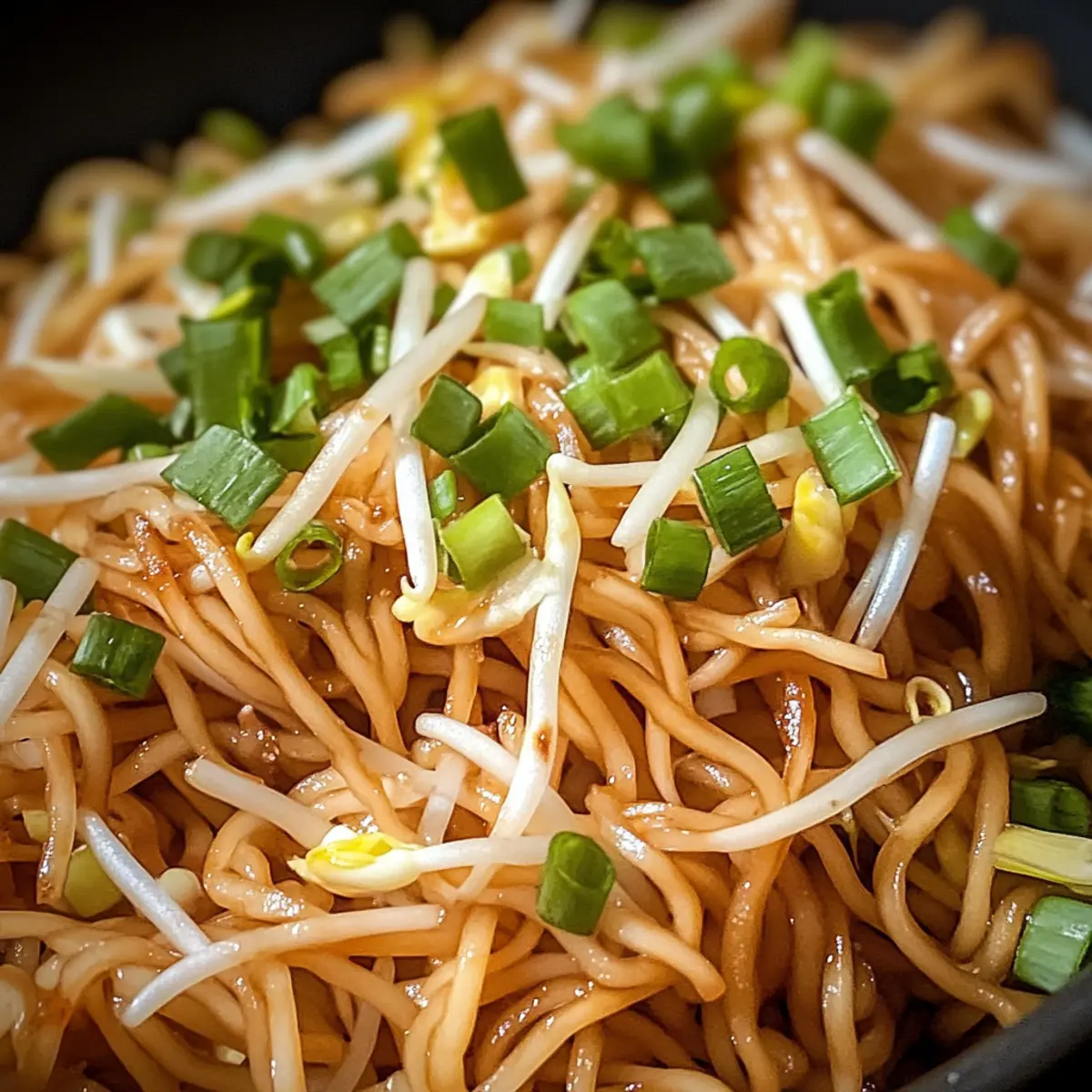
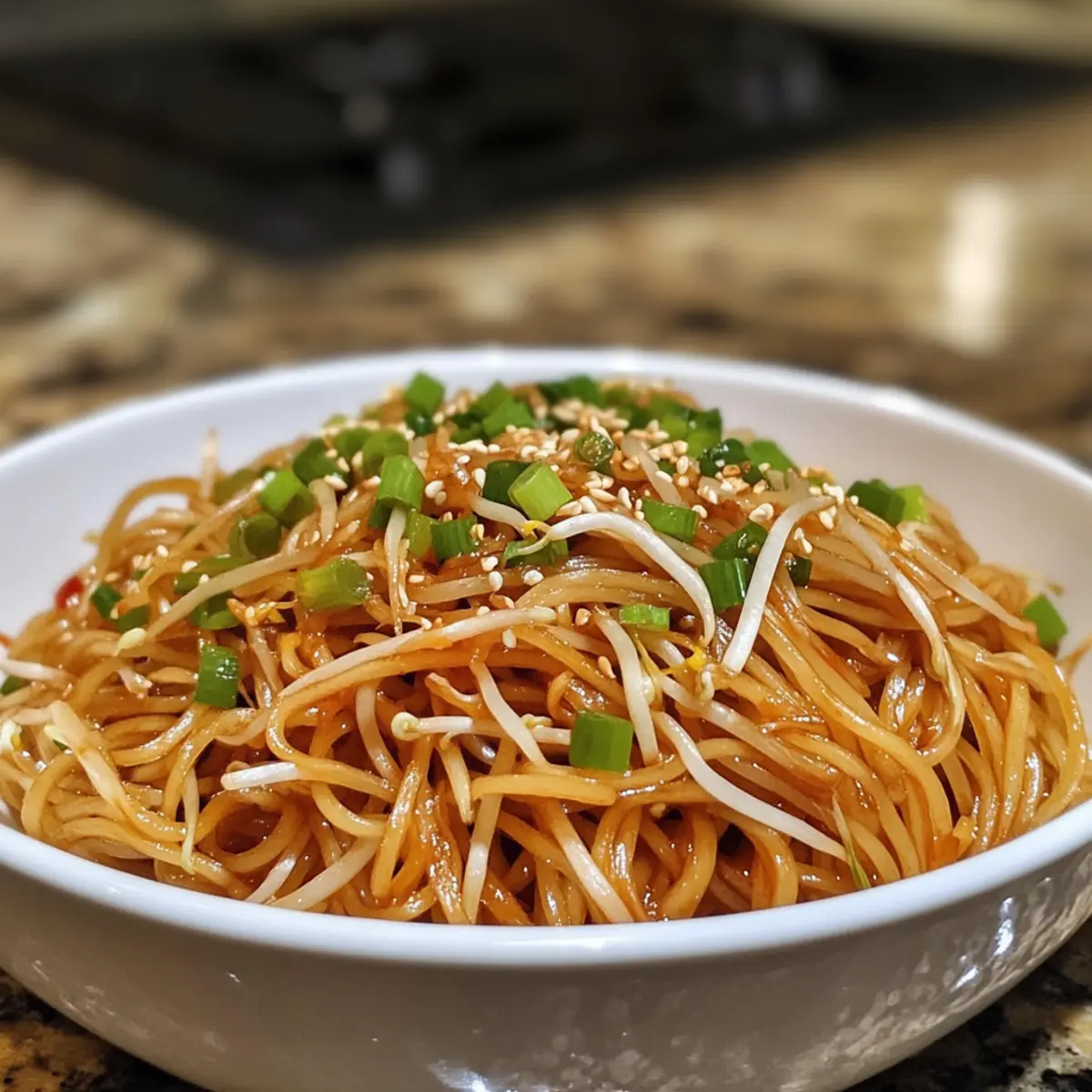
The sizzling sound of noodles hitting a hot pan is music to my ears—especially when it means a quick dinner is just moments away. These Quick & Crispy Soy Sauce Pan Fried Noodles come together in just 10 minutes, offering a delightful solution for those busy weeknights when takeout seems tempting but you crave that homemade touch. With the perfect balance of savory flavors and a delightful crispy texture, this dish isn’t just fast; it has the authenticity of classic Chinese cuisine right at your fingertips. Plus, it’s incredibly versatile: you can customize it with your choice of protein, be it tofu or meat, making it a true crowd-pleaser. Are you ready to bring a little restaurant magic into your kitchen?
Why Are These Noodles So Irresistible?

Speedy Preparation: Whipping up these Soy Sauce Pan Fried Noodles takes just 10 minutes—perfect for hectic weeknights!

Authentic Flavor: The rich combination of soy sauces and Shaoxing wine gives you an authentic taste of classic Chinese cuisine that can’t be beaten.

Crispy Perfection: Searing the noodles creates an amazingly crispy texture that elevates your meal beyond standard stir-fried dishes.

Protein Versatility: Enjoy these noodles with your choice of tofu or meat—an ideal way to cater to various dietary preferences!

Simple Ingredients: The key elements are pantry staples, making it easy to whip up this dish at any time. Check out my Homemade French Sauce for another quick recipe!

Crowd-Pleasing Appeal: Serve it topped with a sunny-side-up egg for a delightful twist, making it a hit for the whole family!

Soy Sauce Pan Fried Noodles Ingredients

• Here’s what you’ll need to create this quick and tasty dish!

For the Noodles

  • 8 oz fresh Hong Kong pan fry noodles – This serves as the dish’s base and brings a satisfying chewiness; if you’re in a pinch, dried egg noodles work too!

For the Sauces

  • 1 tablespoon light soy sauce – This ingredient adds the necessary saltiness and depth; don’t skip it!
  • 1 tablespoon vegetarian oyster sauce – Enhances the richness; regular oyster sauce can be substituted if needed.
  • 1 teaspoon dark soy sauce – Provides an alluring color and intense flavor.
  • ½ tablespoon Shaoxing wine – A fantastic ingredient that adds layers of complexity; dry sherry makes a fine alternative.
  • ½ teaspoon sugar – This little touch balances out the savory elements beautifully.

For the Frying and Vegetables

  • 3 tablespoons peanut oil (or vegetable oil) – Essential for frying; it supports that golden, crispy texture.
  • 4 green onions – Adds freshness and delightful crunch; remember to chop and quarter them.
  • 2 cups bean sprouts – They add a pleasant texture that’s softened during cooking; if you prefer, thinly sliced bok choy can be swapped in.

Optional Garnish

  • Homemade chili oil – For those who love a spicy kick, this is the cherry on top of your soy sauce pan fried noodles!

Get ready to experience the depth of flavors and the quick cooking time that will make these Soy Sauce Pan Fried Noodles a family favorite!

Step‑by‑Step Instructions for Soy Sauce Pan Fried Noodles

Step 1: Prepare the noodles
Begin by boiling the fresh Hong Kong pan fry noodles in salted water for about 30 seconds until just tender. Carefully drain them in a colander and give them a gentle toss to remove excess water, ensuring they are not sticky. This step is crucial for achieving that delightful texture in your Soy Sauce Pan Fried Noodles.

Step 2: Make the sauce
In a small bowl, combine the light soy sauce, vegetarian oyster sauce, dark soy sauce, Shaoxing wine, sugar, and 1 tablespoon of water. Stir well until the sugar dissolves completely. This sauce blend will infuse your noodles with savory depth, enhancing the overall flavor of your Soy Sauce Pan Fried Noodles.

Step 3: Cook the noodles
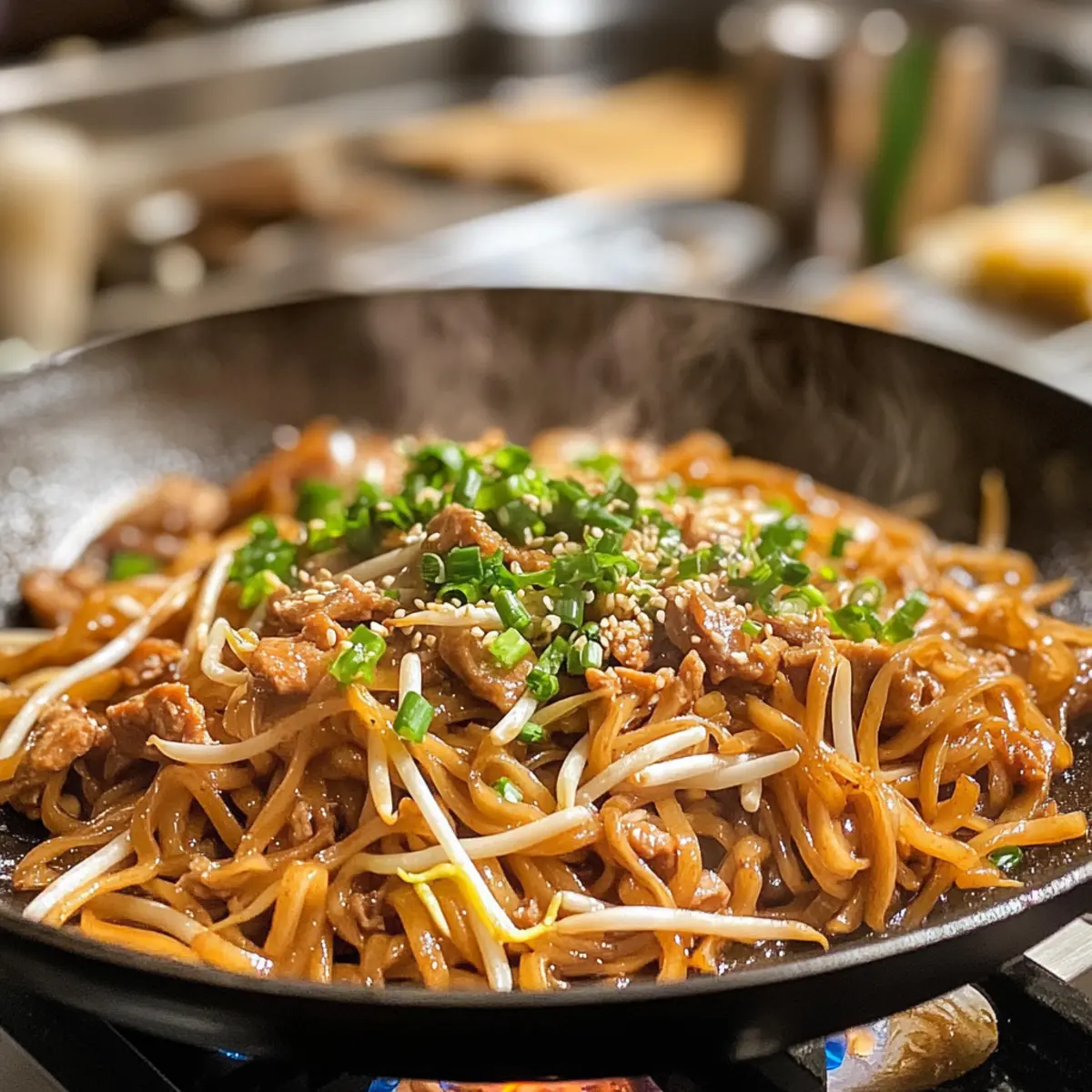
Heat 2 tablespoons of peanut oil in a large skillet or wok over high heat until it shimmers. Add the prepared noodles to the pan, spreading them out to ensure even contact with the hot surface. Fry them for about 2-3 minutes, stirring occasionally, until they turn a golden brown and start to crisp up, which adds a delightful texture.

Step 4: Add flavor
Once the noodles achieve a beautiful golden color, reduce the heat to medium-low. Carefully swirl in the sauce mixture prepared earlier, stirring gently to coat the noodles evenly. Continue to cook for another 2 minutes, allowing the sauce to absorb and intensify the flavors in your Soy Sauce Pan Fried Noodles.

Step 5: Stir-fry vegetables
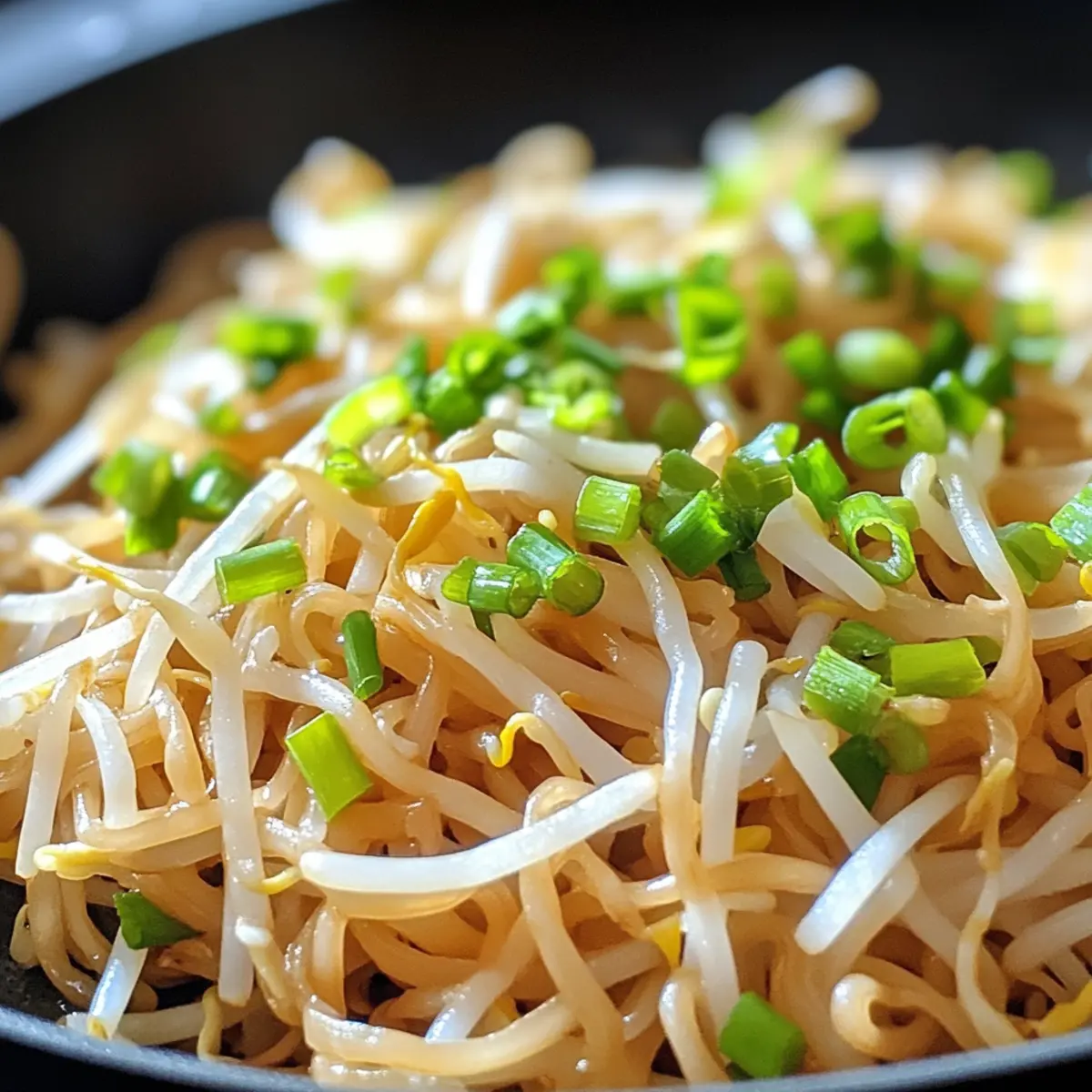
Next, push the noodles to one side of the skillet and add the remaining tablespoon of peanut oil to the empty space. Toss in the chopped green onions and bean sprouts on that side, stir-frying them for about 30 seconds. This will soften the vegetables while keeping their bright color and crunch, enhancing the dish’s overall appeal.

Step 6: Combine and serve
Finally, mix everything together in the skillet until the noodles and vegetables are well combined. Once heated through, transfer your delicious Soy Sauce Pan Fried Noodles to serving plates. Drizzle some homemade chili oil on top for an added kick, if desired, and serve hot for the ultimate homemade meal that’s sure to impress!
Soy Sauce Pan Fried Noodles Variations

Feel free to explore exciting twists on this classic dish, turning every meal into a delightful experience!

  • Dairy-Free: Use vegetable oil instead of butter to keep it plant-based and nutritious. You’ll still enjoy that crunchy texture without sacrificing taste!

  • Extra Veggies: Toss in some thinly sliced carrots or mushrooms for added nutrition and crunch. These colorful additions bring balance and freshness to your noodles.

  • Gluten-Free: Substitute regular soy sauce with tamari or coconut aminos for a gluten-free variation. This swap maintains the delicious umami flavor while adhering to gluten-free diets.

  • Spicy Kick: Add fresh sliced chilies or a spoonful of chili paste to the sauce for an extra layer of heat. This fiery twist is perfect for anyone who craves a little adventure in their meals.

  • Protein Options: Experiment with ½ block of crispy tempeh or 4 oz of sliced marinated tofu for a vegetarian alternative. It’s a delightful way to enjoy plant-based protein!

  • Fragrant Herbs: Enhance the dish with fresh cilantro or basil before serving. These aromatic herbs add an inviting fragrance and elevate the overall flavor profile.

  • Noodle Variety: Switch to rice noodles or udon for a different texture. Each type adds its unique charm to the dish, offering new culinary experiences.

  • Homemade Sauce Boost: Create a sweet and tangy sauce by adding orange juice and zest. This refreshing twist transforms your noodles into an exotic delight, reminiscent of Asian-inspired dishes found in restaurants.

Don’t forget to check out my recipe for Tropical Chicken Sauce for more sauce ideas that can elevate your noodles!

Expert Tips for Soy Sauce Pan Fried Noodles

  • Choose the Right Noodles: Use fresh Hong Kong pan fry noodles for optimal chewiness; if unavailable, reduce water for dried egg noodles to avoid sogginess.

  • Heat is Key: Ensure your skillet or wok is super hot before adding the noodles for that irresistible crispy texture in your Soy Sauce Pan Fried Noodles.

  • Don’t Overcrowd: Fry the noodles in batches if necessary; overcrowding the pan can lead to steaming instead of frying, making them less crispy.

  • Vegetable Timing: Add green onions and bean sprouts towards the end of cooking to keep them vibrant and crunchy—no one likes limp veggies!

  • Customize with Care: When adding protein, like tofu or meat, keep the quantity reasonable to maintain the noodles’ integrity and avoid a soggy dish.

  • Serve Fresh: For best results, enjoy your Soy Sauce Pan Fried Noodles immediately. Leftovers can lose their crispiness but can be reheated with a little oil.

Make Ahead Options

These Soy Sauce Pan Fried Noodles are perfect for meal prep enthusiasts! You can prepare the sauce and chop your vegetables up to 24 hours in advance; this keeps flavors fresh and saves valuable time during busy weeknights. Simply mix the soy sauces, Shaoxing wine, sugar, and water in a bowl for the sauce, and store it in an airtight container. Additionally, you can cook the noodles, drain them well, and toss them with a little oil to maintain their texture. When it’s time to serve, heat up some oil, fry the noodles until crispy, then add the prepped sauce and veggies. This way, you’ll have delicious, homemade noodles ready to enjoy without any hassle!

Storage Tips for Soy Sauce Pan Fried Noodles

Fridge: Store any leftovers in an airtight container in the fridge for up to 2 days. This helps maintain some flavor, although the noodles may lose their crispy texture.

Freezer: For longer storage, you can freeze the prepared noodles for up to 2 months. Ensure they are well-wrapped to prevent freezer burn.

Reheating: Reheat in a skillet over medium heat with a splash of oil to help restore some of the crispiness before serving again.

Serving Fresh: For the best experience, enjoy your Soy Sauce Pan Fried Noodles immediately after cooking to savor their delightful texture and flavor!

What to Serve with Quick & Crispy Soy Sauce Pan Fried Noodles

These delightful noodles create a wonderful centerpiece for any meal, allowing you to build a delicious and satisfying dining experience.

  • Stir-Fried Broccoli: The slight crunch and vibrant green of stir-fried broccoli add a fresh contrast to the savory noodles. This healthy option also boosts your meal’s nutritional value.

  • Garlic Green Beans: These tender, seasoned green beans provide a wonderful side with a garlicky punch that complements the umami-rich flavors of the noodles. A delightful combination for your palate!

  • Hot and Sour Soup: A warm bowl of hot and sour soup brings a tangy kick, perfect for pairing with your Soy Sauce Pan Fried Noodles. This pairing creates a balance of textures and flavors that elevate your meal.

  • Spring Rolls: Crispy vegetable spring rolls make a delightful starter, adding crunch and a burst of freshness that perfectly complements the smoothness of your noodles.

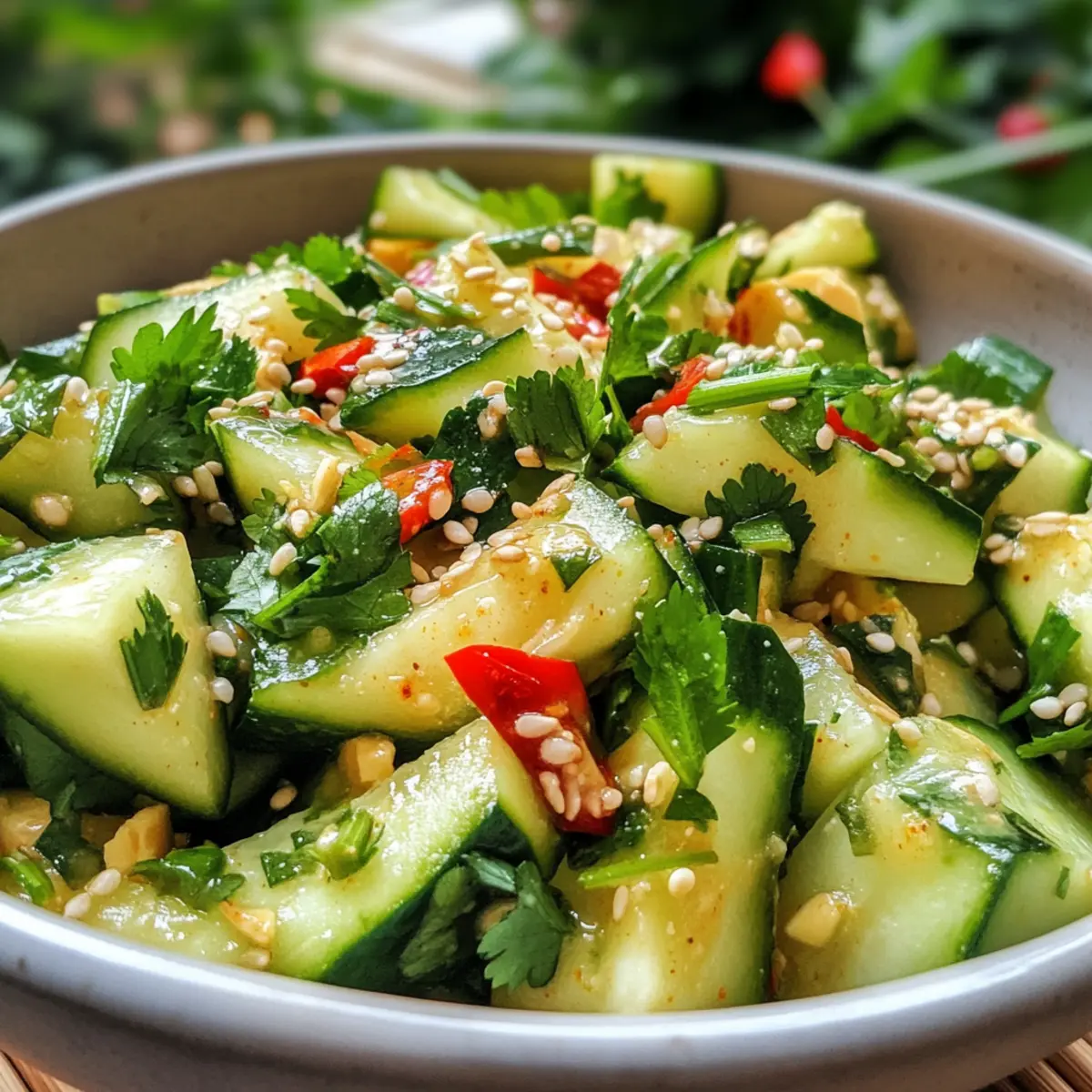
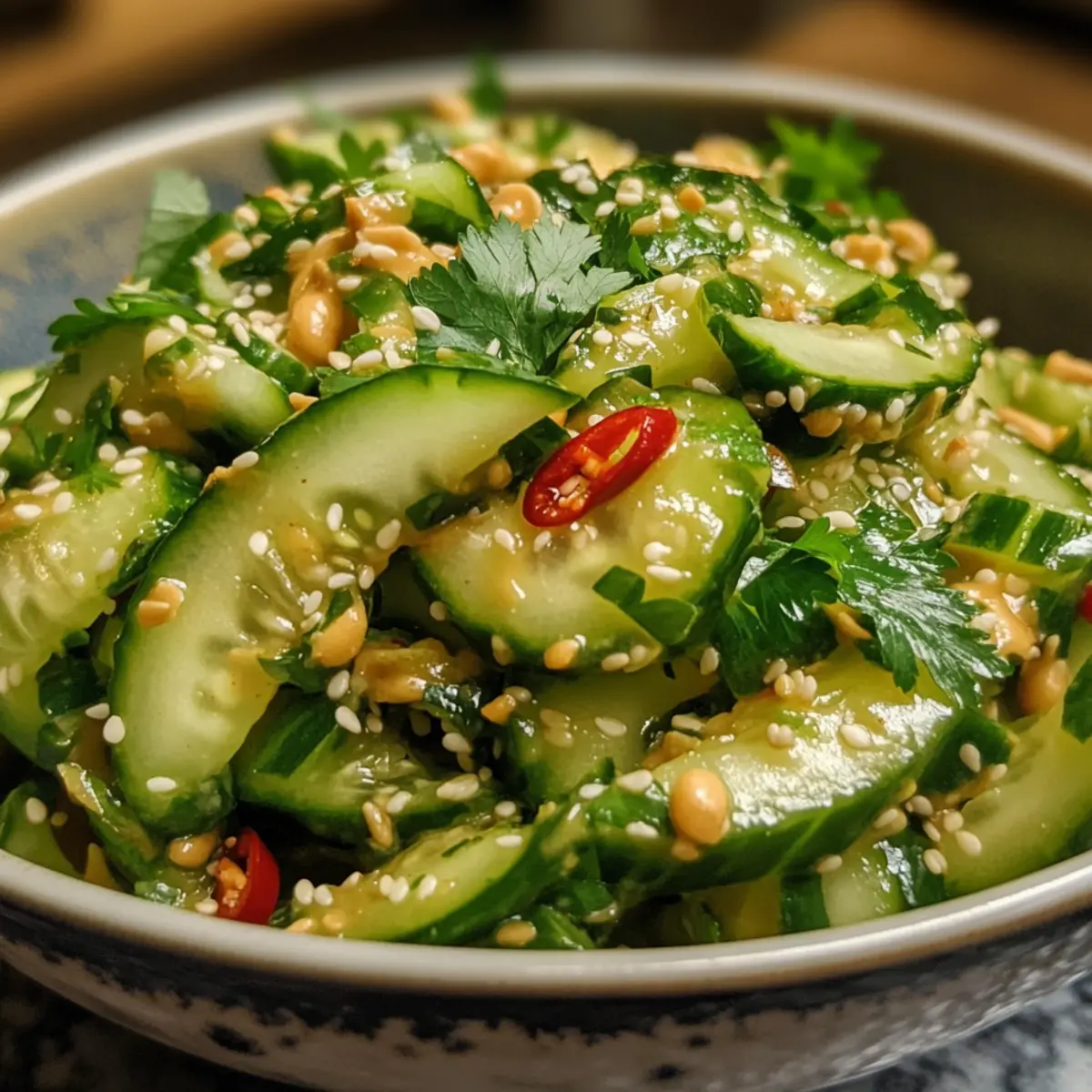
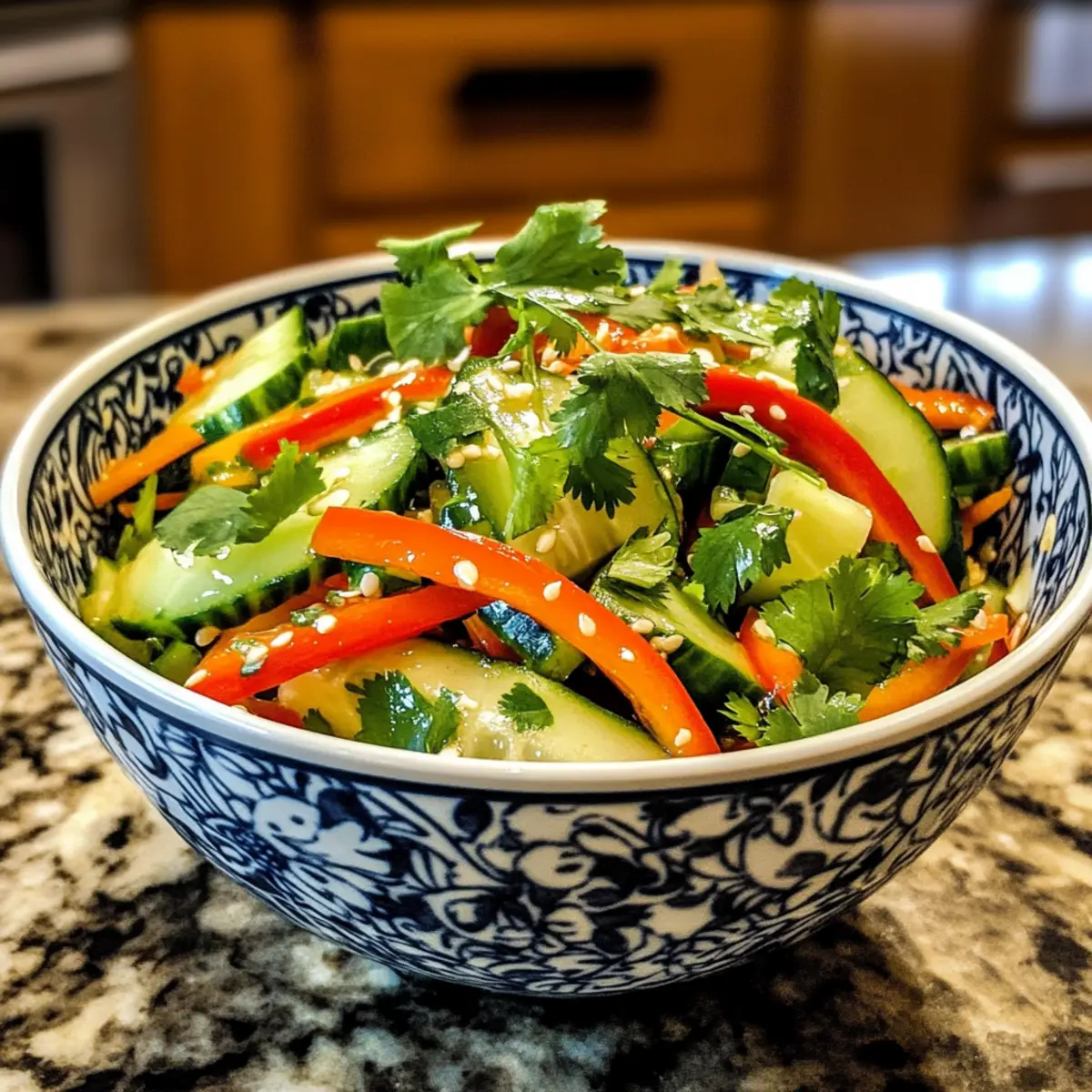
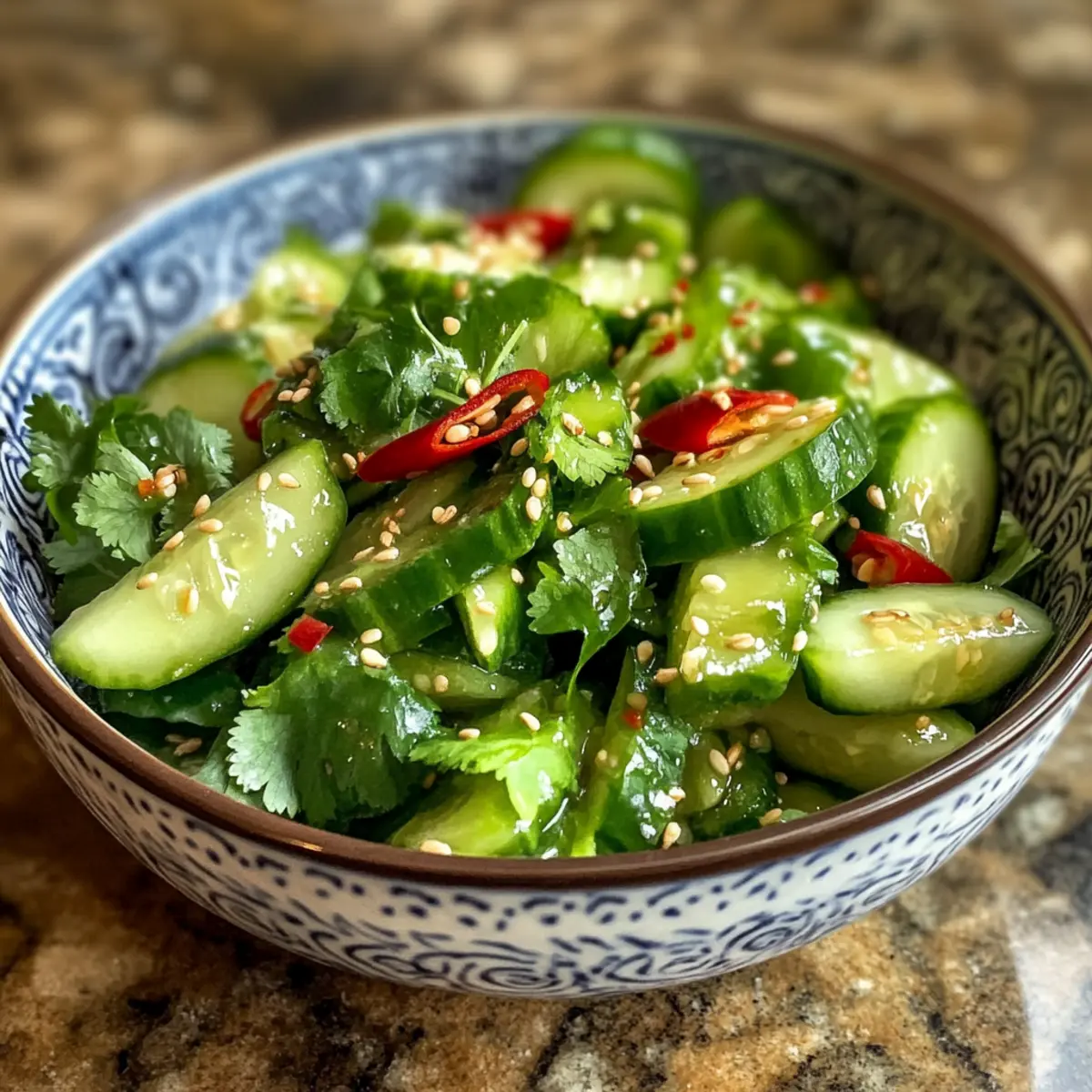
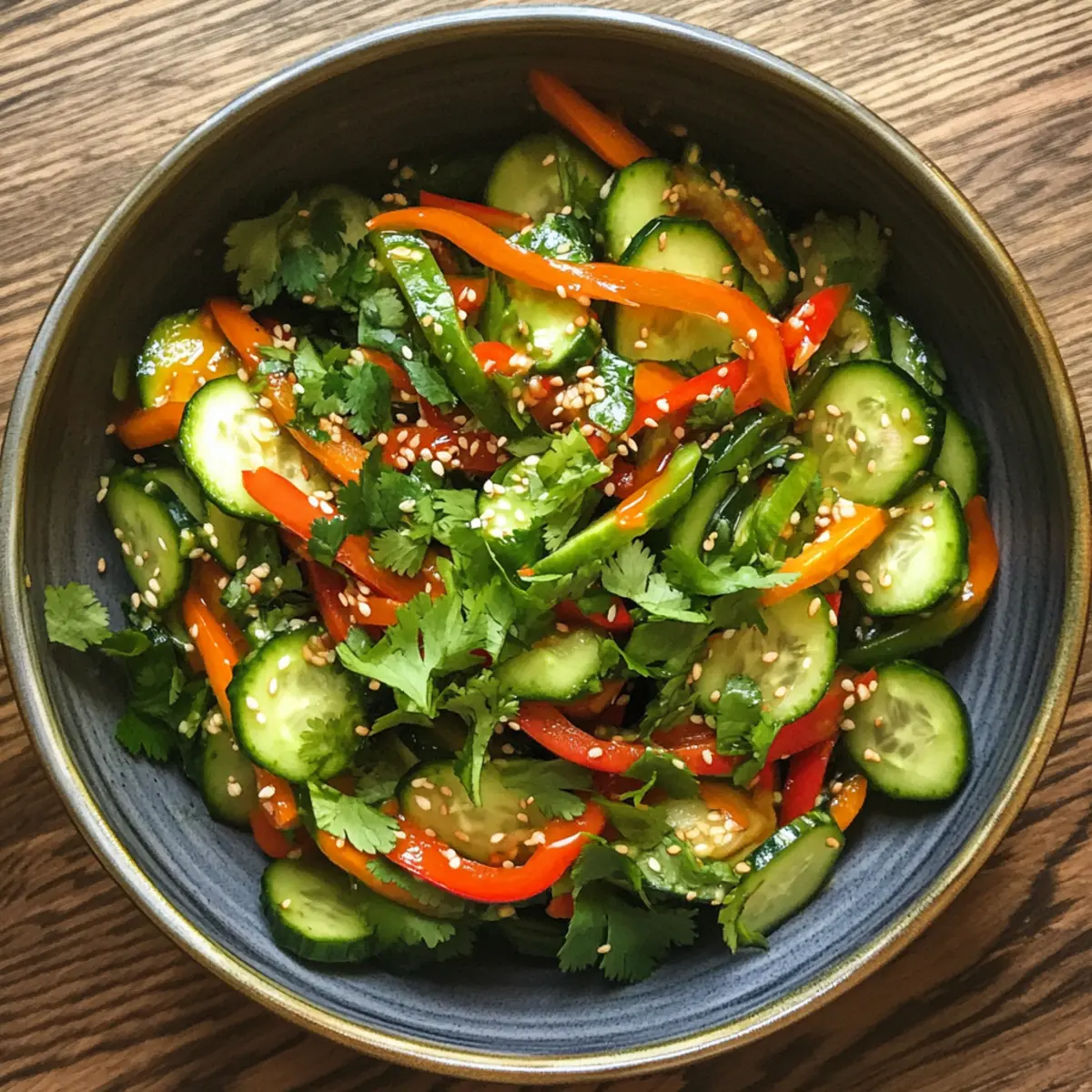
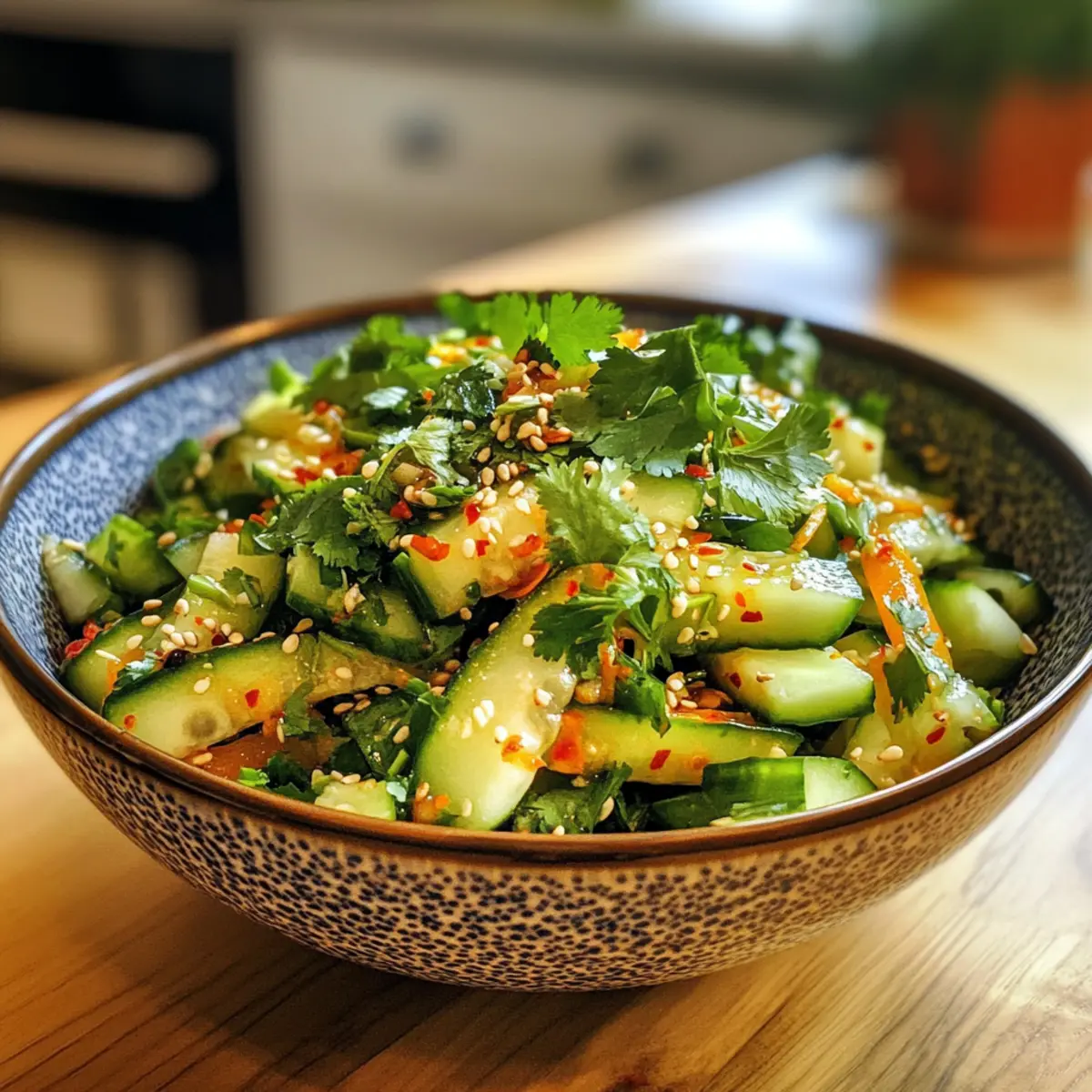
  • Sesame Seed Cucumber Salad: A refreshing salad with a sesame dressing offers a crisp and tangy element, brightening the meal and cutting through the richness of the soy sauce noodles.

  • Lemonade or Iced Tea: Quench your thirst with a light beverage like freshly brewed iced tea or homemade lemonade. Their refreshing flavors create a perfect harmony with the savory dish.

  • Mango Sticky Rice: For a sweet finish, indulge in the creamy and tropical taste of mango sticky rice. This decadent dessert adds an exciting sweet contrast to your savory meal!

  • Chili Oil Drizzle: Serve alongside homemade chili oil for those who like an extra kick. Just a drizzle brings a new depth of flavor to your noodles, making every bite a pleasure.
Soy Sauce Pan Fried Noodles Recipe FAQs

What type of noodles should I use?
Absolutely! Fresh Hong Kong pan fry noodles are the best choice for this dish, as they provide a wonderful chewy texture and fry beautifully. If they’re unavailable, you can use dried egg noodles, but be mindful to reduce the amount of water when cooking to avoid a soggy consistency.

How long can I store leftovers?
Very good question! Leftovers should be placed in an airtight container and refrigerated for up to 2 days. Keep in mind that the noodles may lose their crispy texture over time, so enjoy them fresh if you can!

Can I freeze Soy Sauce Pan Fried Noodles?
Yes, you can freeze the prepared noodles! Just make sure they are well-wrapped in an airtight container or freezer bag to prevent freezer burn. They will hold up for up to 2 months. When you’re ready to enjoy them again, throw them in a skillet on low heat, adding a splash of oil to help revive the texture.

What if my noodles are too sticky or soggy?
No problem! If your noodles are sticky, it’s often due to excess water after boiling. Make sure to drain them thoroughly and gently toss them in a bit of oil after boiling to keep them separated. If they turn out soggy, cooking them in a super hot skillet for longer can help achieve that crispy texture you’re looking for.

Are there any dietary considerations for this dish?
Absolutely! This dish can easily be made vegetarian by opting for tofu or leaving out any meat altogether. Be careful with the sauces—check for allergens if you’re sensitive to certain ingredients like seafood in oyster sauce. Always read labels, especially if you’re catering to allergies or dietary restrictions. And of course, ensure your homemade chili oil doesn’t contain any unwanted ingredients if you’re serving it to pets.
Soy Sauce Pan Fried Noodles

Savor Easy Soy Sauce Pan Fried Noodles in 10 Minutes!

Quick and crispy soy sauce pan fried noodles that come together in just 10 minutes, perfect for busy weeknights.
Prep Time 5 minutes
Cook Time 5 minutes
Total Time 10 minutes
Servings: 2 servings
Course: Lunch
Cuisine: Chinese
Calories: 350

Ingredients
  

For the Noodles
  • 8 oz fresh Hong Kong pan fry noodles dried egg noodles can be substituted
For the Sauces
  • 1 tablespoon light soy sauce
  • 1 tablespoon vegetarian oyster sauce regular oyster sauce can be substituted
  • 1 teaspoon dark soy sauce
  • ½ tablespoon Shaoxing wine dry sherry can be used as an alternative
  • ½ teaspoon sugar
For the Frying and Vegetables
  • 3 tablespoons peanut oil (or vegetable oil)
  • 4 pieces green onions chopped and quartered
  • 2 cups bean sprouts can substitute with thinly sliced bok choy
Optional Garnish
  • Homemade chili oil for a spicy kick

Equipment

  • large skillet or wok
  • Colander
  • Small bowl

Method
 

Step-by-Step Instructions
  1. Boil the fresh Hong Kong pan fry noodles in salted water for about 30 seconds until just tender. Drain and toss to remove excess water.
  2. In a small bowl, combine the light soy sauce, vegetarian oyster sauce, dark soy sauce, Shaoxing wine, sugar, and 1 tablespoon of water. Stir until the sugar dissolves.
  3. Heat 2 tablespoons of peanut oil in a skillet over high heat. Add the noodles and fry for 2-3 minutes until golden brown and crispy.
  4. Reduce heat to medium-low and swirl in the sauce mixture, stirring to coat the noodles evenly. Cook for another 2 minutes.
  5. Push the noodles to one side and add the remaining tablespoon of peanut oil. Add green onions and bean sprouts, stir-frying for about 30 seconds.
  6. Combine everything in the skillet, mix well, and serve hot. Drizzle with homemade chili oil if desired.
Notes

For best results, serve immediately after cooking to enjoy the delightful texture and flavor.

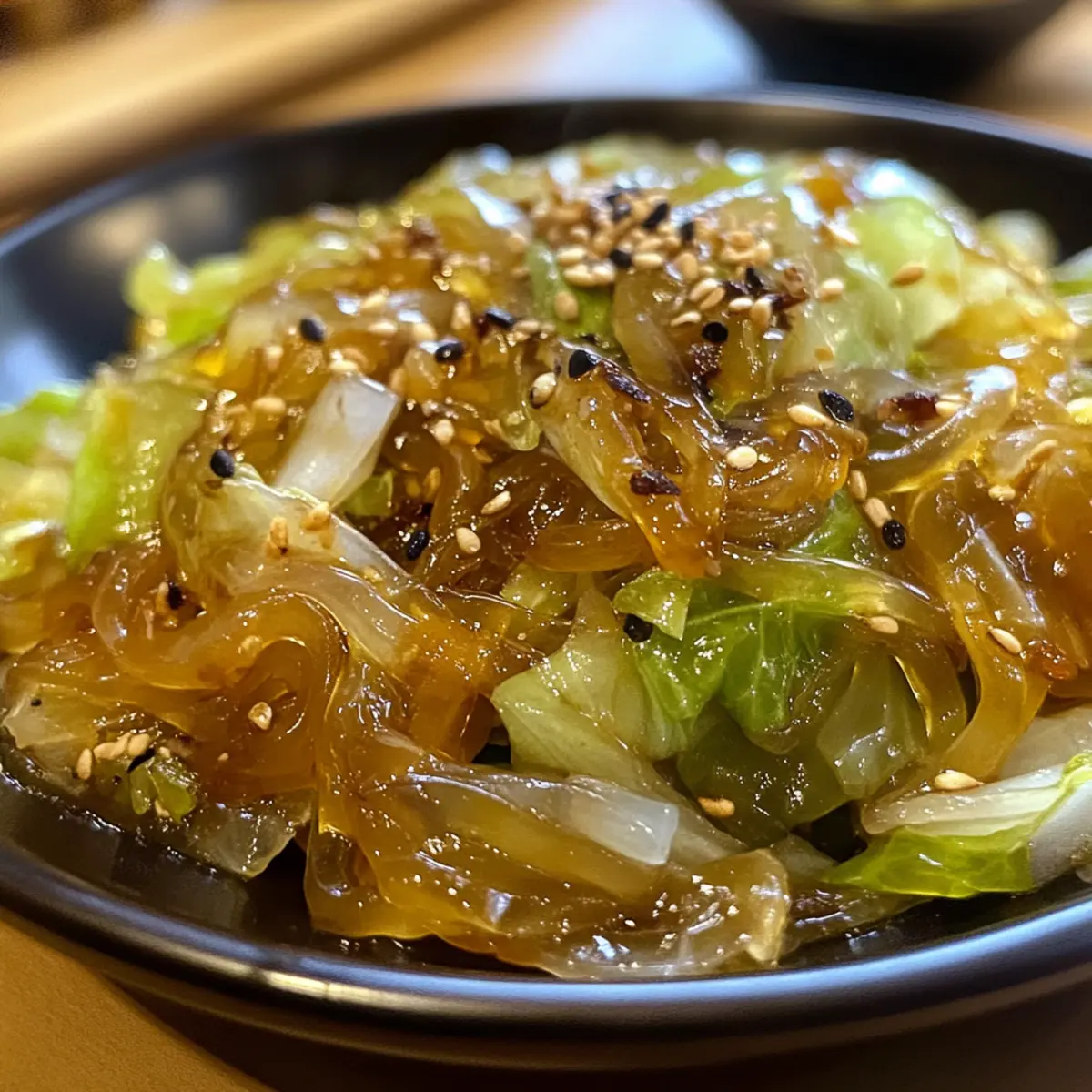
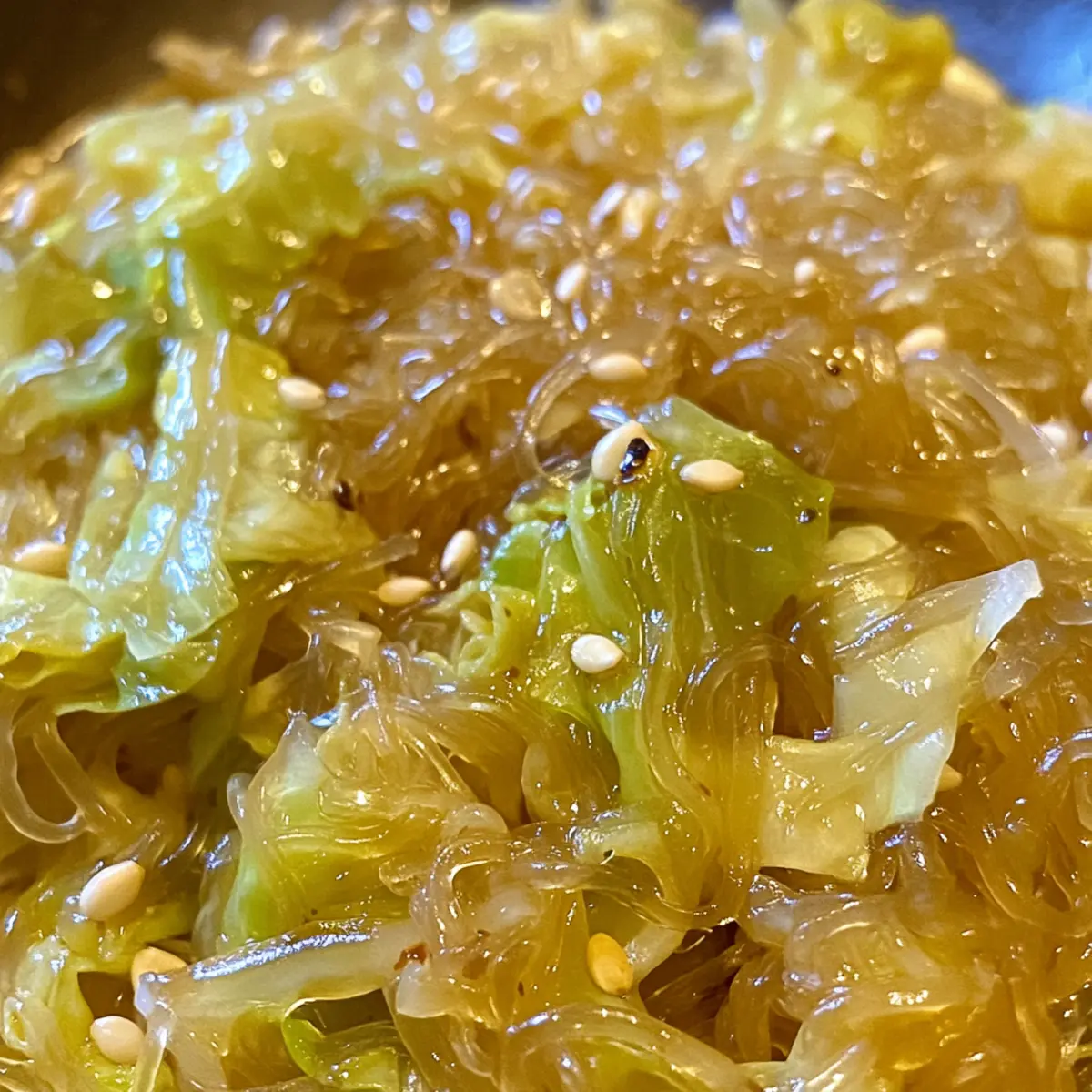
Cabbage Glass Noodles Stir Fry for Quick, Scrumptious Comfort

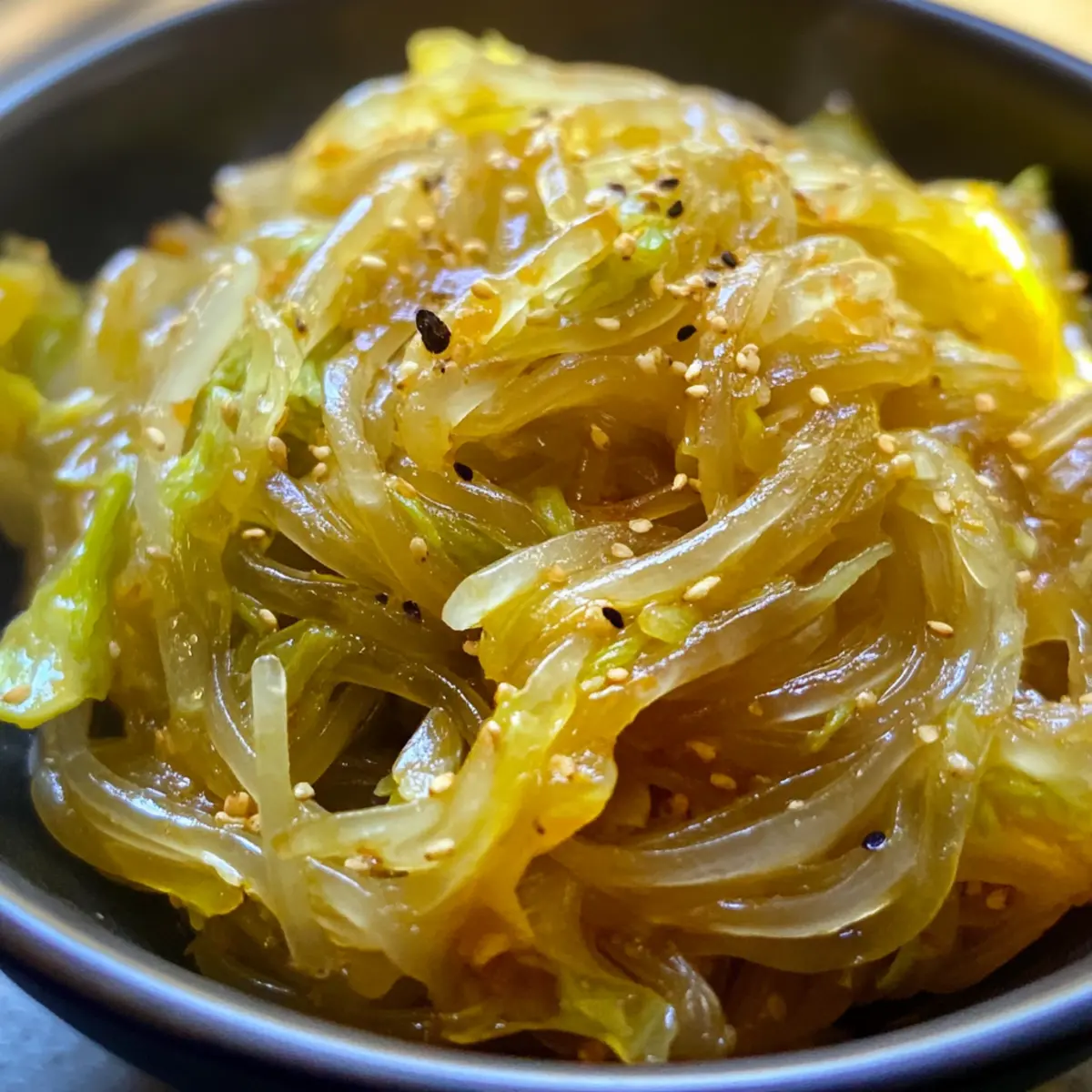
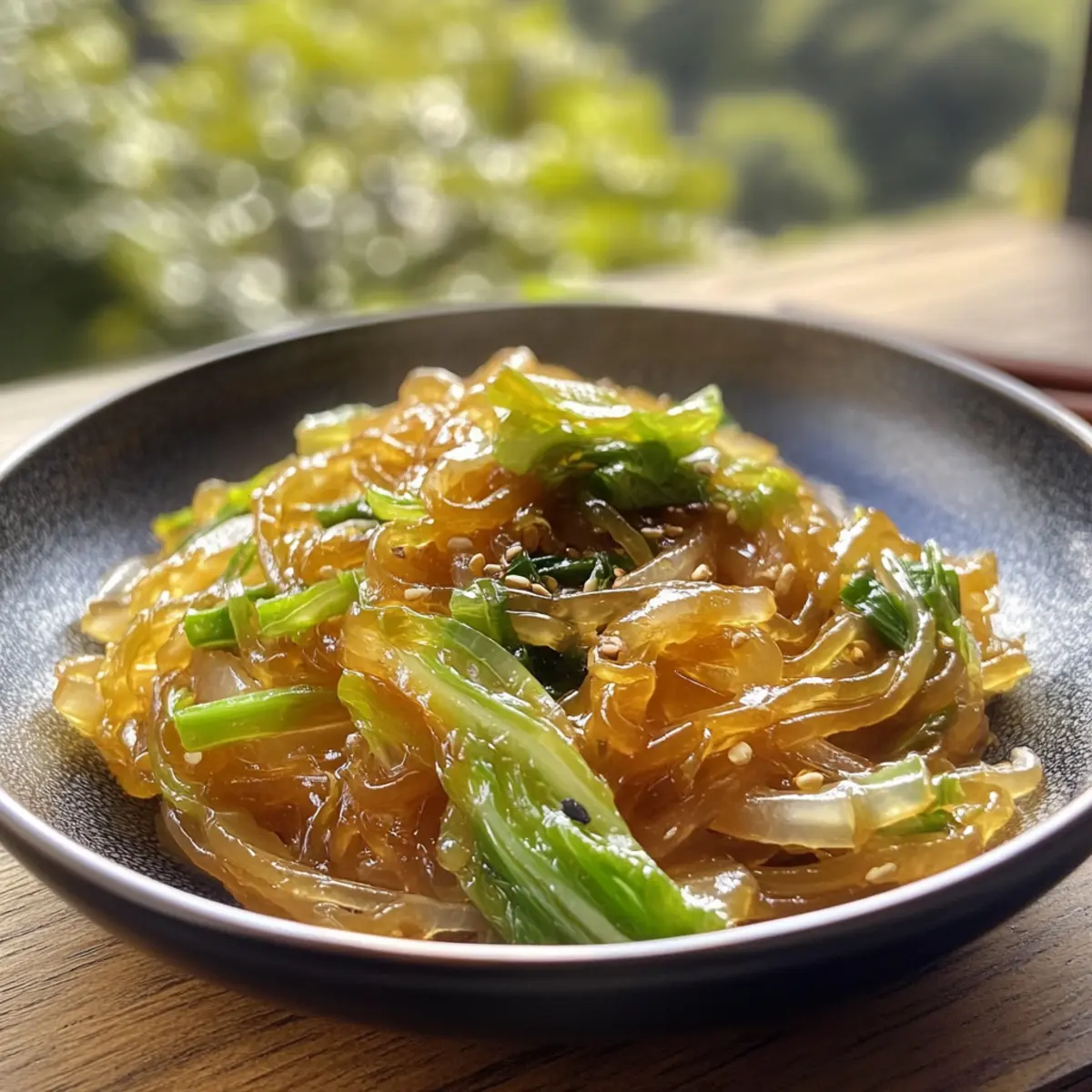
As the aroma of sizzling garlic wafts through my kitchen, I can’t help but think of the cozy nights spent whipping up comforting meals. This Cabbage Glass Noodle Stir Fry has quickly become a staple in my home, thanks to its delightful crunch of cabbage and the tenderness of mung bean noodles, all wrapped in a savory sauce. Not only can you whip it up in just 10 minutes, but it’s also a fantastic vegan side dish that easily adapts to your gluten-free needs. Picture a dinner that satisfies your cravings while being nourishing and simple—this dish has you covered! Curious to see how you can make this vibrant stir fry your new go-to recipe? Let’s dive in!

Why You’ll Love This Stir Fry Recipe

Simplicity: This Cabbage Glass Noodle Stir Fry requires just 10 minutes of your time, making it perfect for busy weeknights without sacrificing flavor.

Flavorful: The combination of garlic, soy sauce, and crunchy cabbage creates a mouthwatering dish that will leave you craving more.

Versatile: Want to customize? Feel free to add protein like scrambled eggs or chicken, or try various veggies to keep things interesting!

Nutritional Value: With only 126 calories per serving, this dish is not just delicious but also guilt-free, making it an easy addition to any meal.

Crowd-Pleaser: Serve it alongside favorites like Crisp Cabbage and Carrot Salad or as a comforting side to Coca-Cola Chicken Wings that will impress your family and friends!

Cabbage Glass Noodle Ingredients

For the Noodles
Mung Bean Vermicelli – This chewy noodle provides a delightful texture; in a pinch, substitute with rice vermicelli.

For the Vegetables
Cabbage – Adds a satisfying crunch; consider using Napa cabbage for a subtly sweet flavor.
Dried Chili Peppers – Imparts a lovely, aromatic spice; omit for a milder taste.
Garlic – Freshly minced garlic offers a robust depth of flavor that’s hard to resist.

For the Sauce
Light Soy Sauce – Essential for that savory umami taste; swap with tamari for a gluten-free option.
Dark Soy Sauce – Contributes color and sweetness; can be omitted for a lighter sauce.
Sugar – Balances the savory flavors beautifully; adjust to personal preference.

For Cooking
Peanut Oil (or Vegetable Oil) – Ideal for stir-frying with a neutral flavor; feel free to use any cooking oil you prefer.
Salt – Enhances all the flavors; remember to adjust to your taste!

Step‑by‑Step Instructions for Cabbage Glass Noodles Stir Fry

Step 1: Prepare the Noodles
Begin by boiling a pot of water over high heat. Carefully add the dry mung bean vermicelli and cook for about 4-5 minutes until al dente. Once done, drain and rinse the noodles under cold water to stop the cooking process. Using kitchen scissors, cut the noodles into 3-inch strands for easier mixing in your Cabbage Glass Noodles Stir Fry.

Step 2: Mix the Sauce
In a small bowl, combine light soy sauce, dark soy sauce, and sugar to create the savory sauce that will coat your dish. Stir well until the sugar is dissolved, ensuring all ingredients are blended perfectly. This mixture will enhance the flavor of your Cabbage Glass Noodles Stir Fry and is essential for achieving that delicious umami taste.

Step 3: Heat the Oil
Heat 2 tablespoons of peanut oil in a large skillet or wok over medium-high heat. Allow the oil to become hot but not smoking; you’ll know it’s ready when it shimmers. This step is crucial for achieving a stir-fry technique that locks in flavors and gives your dish that signature glossy finish.

Step 4: Sauté Aromatics
Add the dried chili peppers and minced garlic to the heated oil. Stir-fry for about 30 seconds, or until fragrant, making sure not to burn the garlic. This will infuse the oil with a spicy and aromatic flavor, setting the stage for the delicious Cabbage Glass Noodles Stir Fry that’s about to come together.

Step 5: Stir-Fry the Cabbage
Quickly add the shredded cabbage and a pinch of salt to the skillet. Stir-fry for about 2-3 minutes, or until the cabbage is slightly tender yet still crisp. Keep an eye on the color; you want the cabbage to retain its vibrant green hues while softening just enough to meld with the other ingredients.

Step 6: Combine Noodles and Sauce
Add the soaked glass noodles to the pan along with the prepared sauce. Gently toss and stir to combine all the ingredients well, ensuring the noodles are fully coated. Cook for another 2-3 minutes, allowing the noodles to absorb the sauce and the cabbage to become tender, creating a harmonious flavor profile in your Cabbage Glass Noodles Stir Fry.

Step 7: Adjust Seasoning and Serve
Taste and adjust the seasoning by adding more salt if needed, depending on your preference. Once everything is well combined and heated through, remove the skillet from the heat. Serve your warm Cabbage Glass Noodles Stir Fry hot, garnished with a sprinkle of fresh herbs if desired, for a colorful and appetizing finish.

Make Ahead Options

These Cabbage Glass Noodle Stir Fry ingredients make meal prep a breeze! You can prepare the sauce and chop the cabbage up to 24 hours in advance; just store them separately in airtight containers in the refrigerator. If you want to save even more time, you can also soak the mung bean vermicelli and cut them into 3-inch strands for easier mixing, but do this just a few hours before you plan to cook to maintain their quality. When you’re ready to serve, heat the oil, stir-fry the aromatics, and then add the prepped cabbage and soaked noodles to finish cooking. This way, you’ll enjoy a flavorful, homemade dish on your busy weeknight with minimal effort!

What to Serve with Cabbage Glass Noodle Stir Fry

Imagine a vibrant spread of flavors and textures that will elevate your meal to new heights.

  • Crispy Tofu Sticks: Their crunchy exterior and soft interior complement the tender noodles, adding protein without overpowering flavors.
  • Fresh Veggie Spring Rolls: Light and refreshing, these rolls provide a delightful crunch that contrasts beautifully with the stir fry.
  • Egg Drop Soup: This silky soup warms the soul and its mild flavor makes it the perfect pairing for the savory stir fry.
  • Garlic Fried Rice: The nutty undertones of garlic in rice create a fulfilling side that echoes the stir fry’s prominent flavors.
  • Sweet and Sour Cucumber Salad: This refreshing salad offers a tangy bite that cuts through the richness of the stir fry, enhancing the overall meal.
  • Sesame Green Beans: Tender green beans seasoned with sesame oil provide a nutty flavor and crisp texture that complements the dish effortlessly.
  • Szechuan Spiced Chickpeas: Adding a bit of spice, these chickpeas create a satisfying contrast in both flavor and texture, making your meal more exciting.
  • Mango Sorbet: For dessert, this sweet and fruity treat cleanses the palate, perfectly rounding off your comforting, savory dinner.
  • Chilled Jasmine Tea: This fragrant drink refreshes your senses and balances the dish’s richness with its floral notes, creating a delightful accompaniment.

Cabbage Glass Noodles Stir Fry Adaptations

Feel free to play around with this fabulous recipe, adding your favorite ingredients or exchanging for dietary alternatives!

  • Protein Boost: Add scrambled eggs or tofu for a heartier dish, bringing in extra flavor and texture.
  • Gluten-Free: Use tamari instead of soy sauce to enjoy this delightful stir fry without gluten.
  • Veggie Delight: Toss in bell peppers or carrots for a splash of color and extra nutrition; they complement the cabbage beautifully.
  • Herb Infusion: Fresh cilantro or green onions make for a fragrant garnish that elevates each bite—don’t skip it!
  • Noodle Twist: If mung bean vermicelli isn’t on hand, rice vermicelli can step in; just soak accordingly before use.
  • Heat Level: Spice things up with a dash of sriracha or fresh sliced chili if you’re craving a kick!
  • Sweet Touch: Substitute sugar with coconut sugar or agave for a subtle yet delicious sweetness.
  • Savory Addition: For an umami punch, consider adding a sprinkle of mushroom seasoning or a dash of miso paste to the sauce.

This dish pairs wonderfully with sides like Crisp Cabbage and Cucumber Salad or a delicious serving of Crunchy Cabbage Carrot Salad. Customize away, and enjoy the delightful journey of flavors!

How to Store and Freeze Cabbage Glass Noodles Stir Fry

Fridge: Store leftovers in an airtight container for up to 2 days. Make sure to let them cool completely before sealing to prevent excess moisture.

Freezer: For longer storage, freeze portions in airtight containers or freezer bags for up to 1 month. Defrost overnight in the fridge before reheating.

Reheating: Gently reheat in a skillet over low heat, adding a splash of water or broth to maintain moisture and keep the noodles from drying out.

Freshness Tip: This Cabbage Glass Noodles Stir Fry is best enjoyed fresh but can be reheated if necessary.

Expert Tips for Cabbage Glass Noodle Stir Fry

Soak Properly: Ensure the glass noodles are adequately soaked before cooking; under-soaking can lead to a chewy texture instead of tender.

Preheat Well: Make sure your oil is hot enough before adding ingredients. This step is vital for achieving that signature stir-fry flavor and texture.

Customize Wisely: When adding protein, do so at the end to avoid overcooking. Scrambled eggs or ground meat will elevate your Cabbage Glass Noodles Stir Fry beautifully!

Watch the Garlic: Be cautious when sautéing garlic; it can burn quickly and turn bitter, ruining the dish’s flavor.

Storage Tips: If you have leftovers, store them in an airtight container. Reheat gently on low heat to maintain noodle texture.

Cabbage Glass Noodle Stir Fry Recipe FAQs

How do I select fresh cabbage for the stir fry?
Absolutely! When choosing cabbage, look for heads that are firm with vibrant, crisp leaves. Avoid any cabbage that has dark spots all over or feels soft to the touch. Napa cabbage is a great choice if you prefer a sweeter flavor, as it’s tender and adds a delightful crunch to your dish.

How should I store leftovers of the stir fry?
Very important! Store any leftover Cabbage Glass Noodle Stir Fry in an airtight container in the fridge for up to 2 days. Make sure to let the stir fry cool completely before sealing the container to prevent moisture buildup, which can make the noodles soggy.

Can I freeze Cabbage Glass Noodle Stir Fry?
Of course! To freeze, place portions in airtight containers or freezer bags, removing as much air as possible. It’s best to enjoy it within 1 month for optimal taste. When ready to eat, defrost overnight in the fridge, then reheat gently in a skillet, adding a splash of water or broth to keep the noodles from drying out.

What should I do if my glass noodles turn mushy?
Oh no! If your glass noodles end up mushy, it usually means they were over-soaked or overcooked. Ensure you soak the noodles for the recommended time—typically 4-5 minutes until al dente before draining. When stir-frying, keep within 2-3 minutes to maintain their delightful chewy texture.

Is this dish suitable for those with gluten allergies?
Absolutely! The Cabbage Glass Noodle Stir Fry can easily be made gluten-free by using tamari instead of light soy sauce. Just double-check any other sauces or ingredients for gluten content to ensure a safe and delicious meal for everyone.

Can pets eat cabbage safely?
Yes, cabbage is safe for dogs and can even offer some health benefits when served in moderation. However, avoid using any sauces or seasonings from your stir fry when offering it to your furry friends, as they might contain ingredients that are not safe for them.

Cabbage Glass Noodles Stir Fry

Cabbage Glass Noodles Stir Fry for Quick, Scrumptious Comfort

A delightful and quick Cabbage Glass Noodle Stir Fry featuring mung bean noodles and crunchy cabbage.
Prep Time 10 minutes
Cook Time 10 minutes
Total Time 20 minutes
Servings: 4 servings
Course: Dinner
Cuisine: Vegan
Calories: 126

Ingredients
  

For the Noodles
  • 200 grams Mung Bean Vermicelli Substitute with rice vermicelli if needed.
For the Vegetables
  • 2 cups Cabbage Napa cabbage recommended.
  • 2 pieces Dried Chili Peppers Omit for a milder taste.
  • 4 cloves Garlic Minced.
For the Sauce
  • 3 tablespoons Light Soy Sauce Swap with tamari for gluten-free.
  • 1 tablespoon Dark Soy Sauce Optional.
  • 1 teaspoon Sugar Adjust to taste.
For Cooking
  • 2 tablespoons Peanut Oil (or Vegetable Oil) Use any neutral cooking oil.
  • 1 teaspoon Salt Adjust to taste.

Equipment

  • large skillet
  • pot
  • Small bowl
  • kitchen scissors

Method
 

Step-by-Step Instructions
  1. Boil a pot of water over high heat. Add dry mung bean vermicelli and cook for about 4-5 minutes until al dente, then drain and rinse under cold water.
  2. In a small bowl, combine light soy sauce, dark soy sauce, and sugar to create the sauce. Stir well until the sugar is dissolved.
  3. Heat 2 tablespoons of peanut oil in a skillet over medium-high heat until shimmering.
  4. Add dried chili peppers and minced garlic to the oil; stir-fry for about 30 seconds until fragrant.
  5. Add shredded cabbage and a pinch of salt; stir-fry for about 2-3 minutes until the cabbage is tender yet crisp.
  6. Add the soaked glass noodles and sauce to the pan; gently toss to combine and cook for another 2-3 minutes.
  7. Taste and adjust the seasoning by adding more salt if needed, then serve hot.

Notes

For best results, soak noodles properly and preheat the oil before adding ingredients. Store leftovers in an airtight container for up to 2 days.

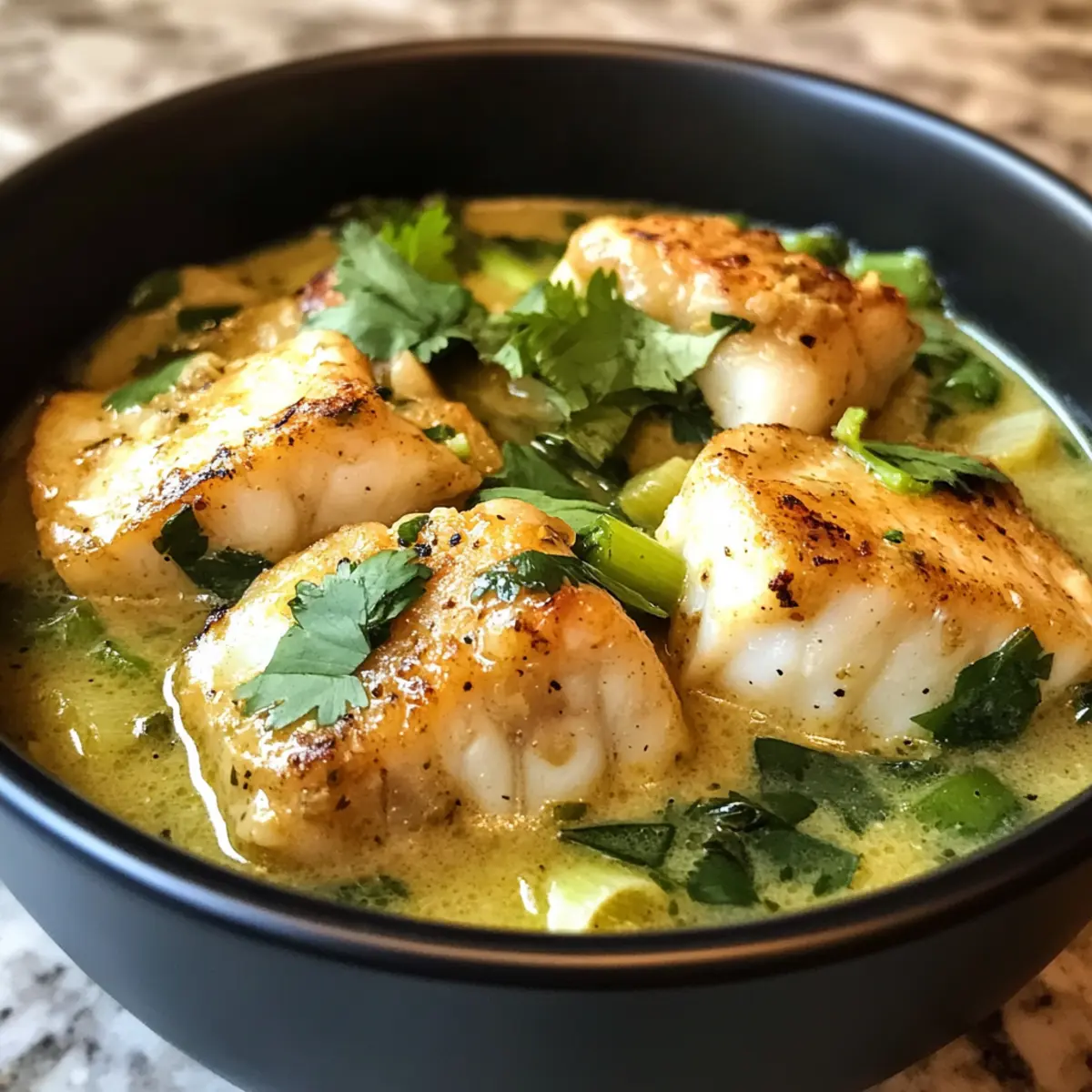
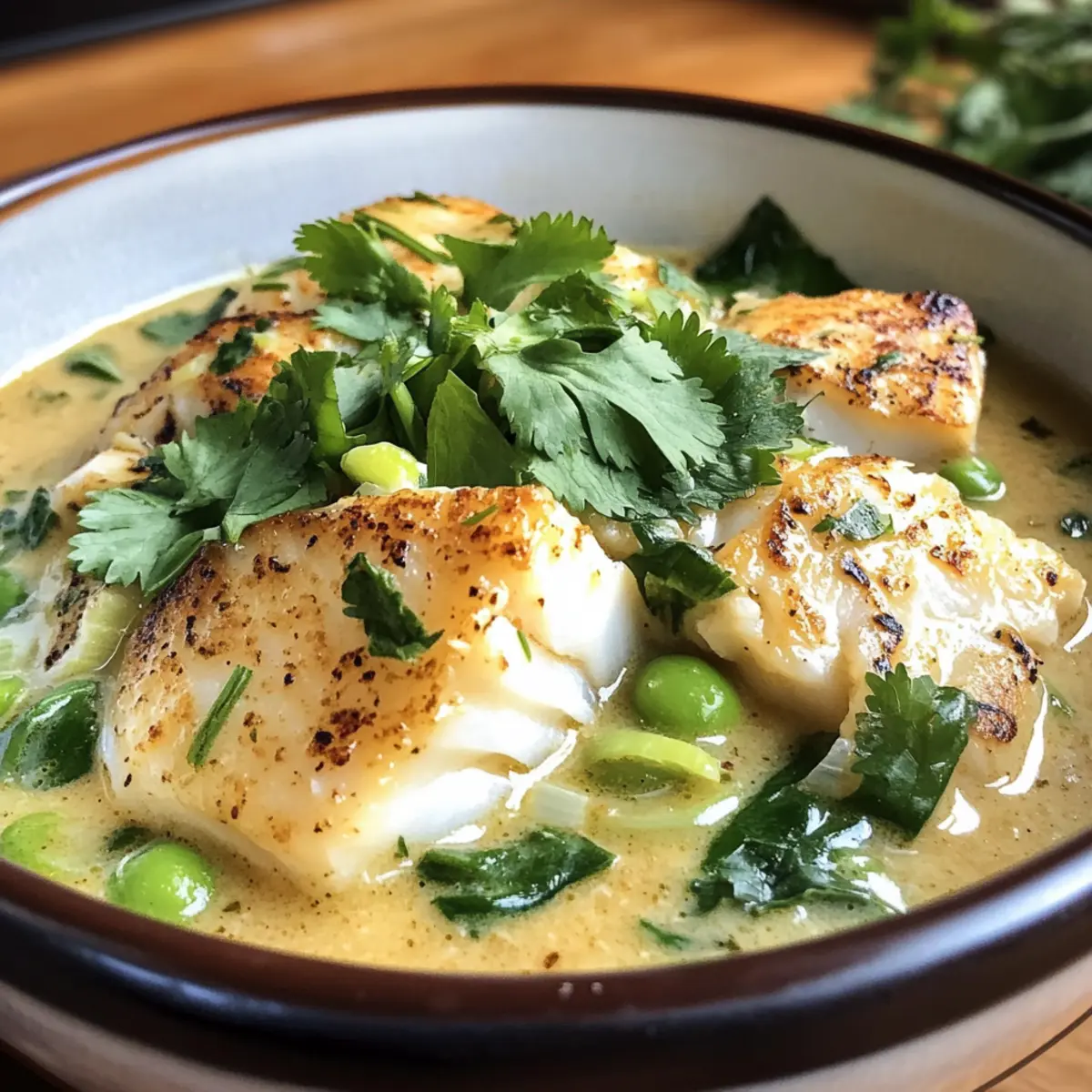
Coconut Fish Stew with Ginger and Greens for Cozy Nights

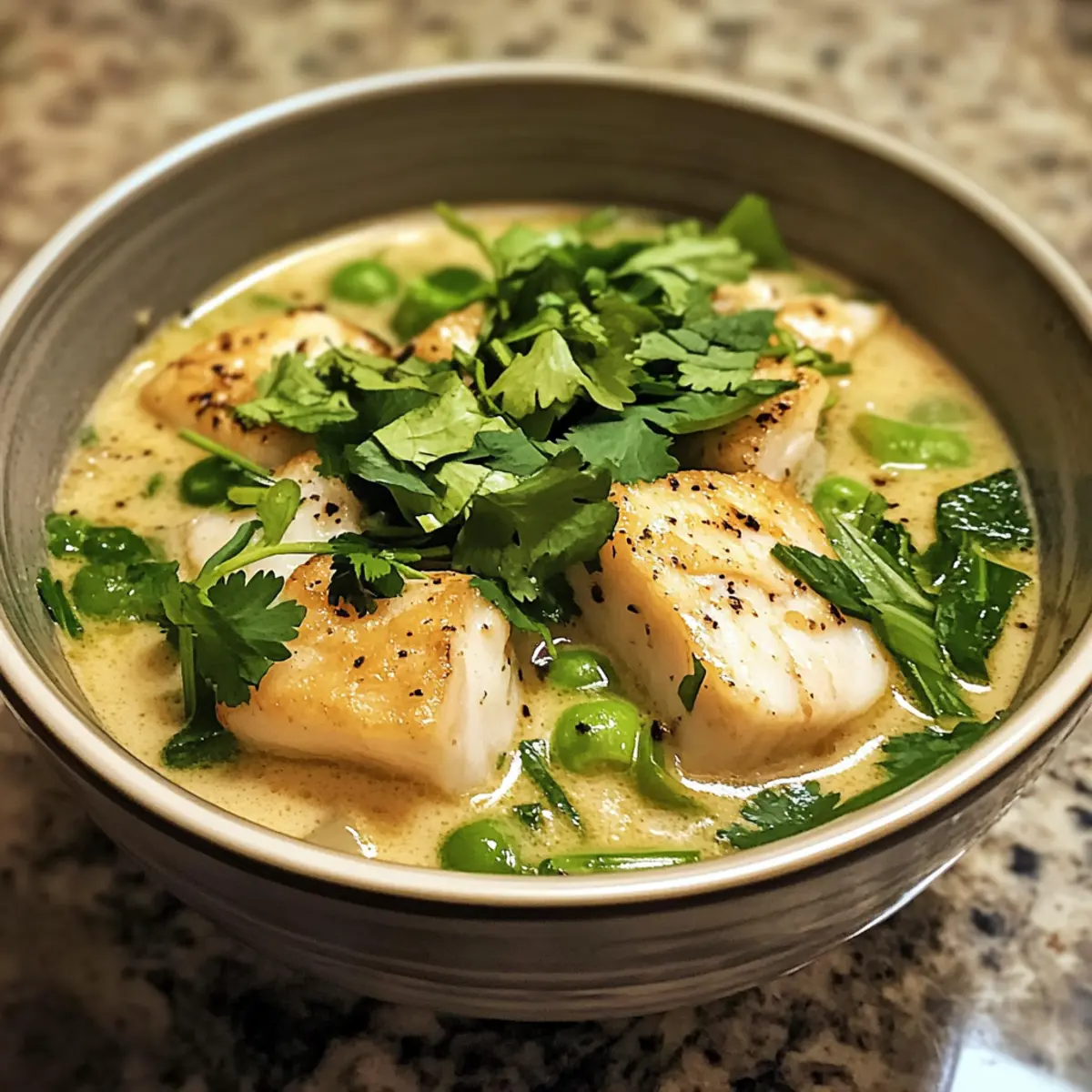
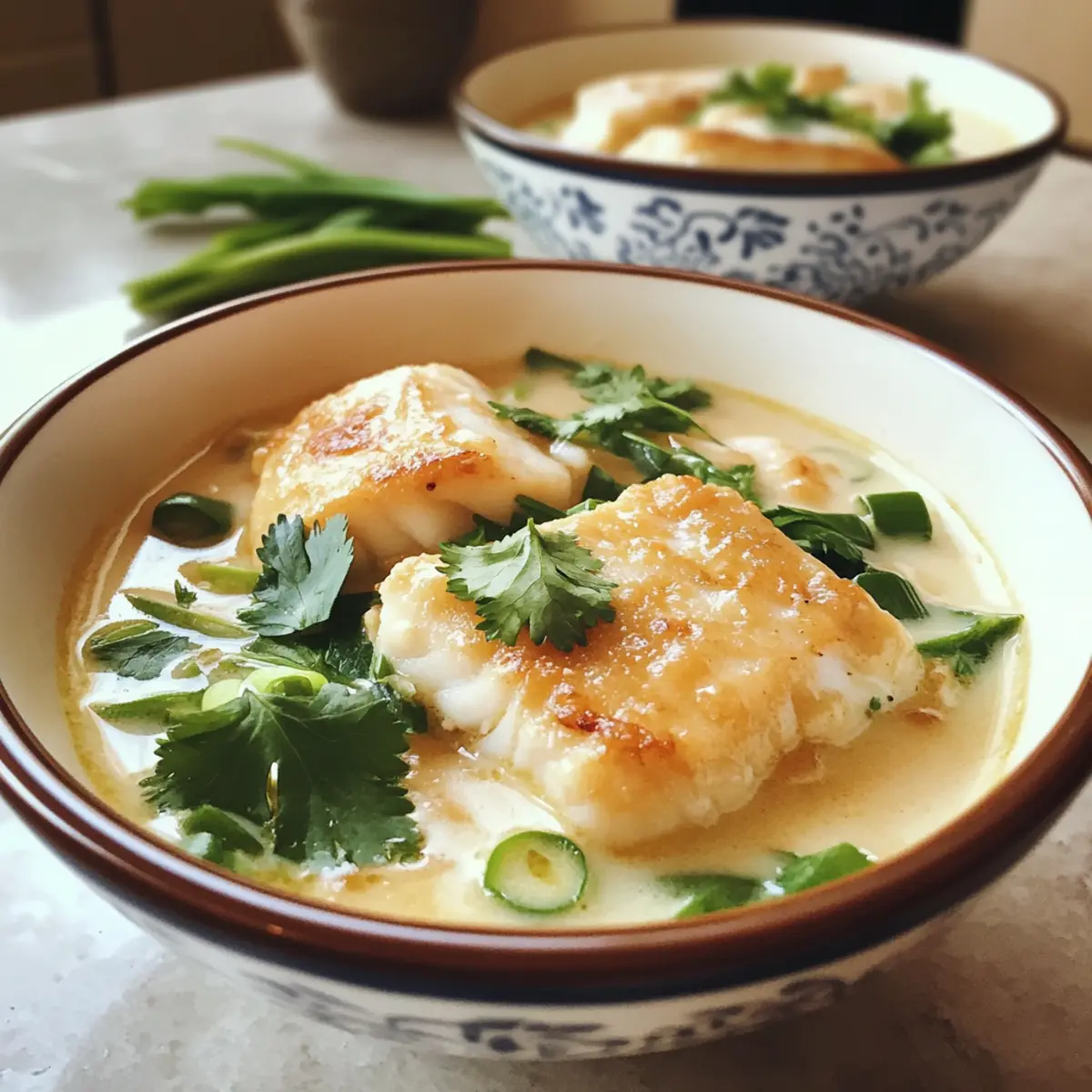
As I lifted the lid from the simmering pot, a heavenly aroma wafted through my kitchen, instantly transporting me to a bustling Asian market. This beloved Coconut Fish Stew with Ginger and Bok Choy envelops fresh cod in a luscious coconut milk broth that’s woven with the warmth of ginger and the zing of garlic. Not only is this dish a quick, nourishing option perfect for busy weeknights, but it’s also versatile enough to impress at dinner parties. Packed with sustainable ingredients, it showcases a delightful harmony of flavors while remaining light yet satisfying. Ready to embark on a culinary adventure that will awaken your taste buds? Let’s dive into this comforting, exotic dish together!

Why will you adore this stew?

Easy Preparation: This Coconut Fish Stew comes together in just one pot, making cleanup a breeze.

Bursting with Flavor: The marriage of ginger, garlic, and coconut creates a fragrant broth that’s both comforting and energizing.

Wholesome Ingredients: Packed with omega-3 rich cod and vibrant greens like bok choy, this dish promotes a healthy lifestyle without sacrificing taste.

Customizable Heat: Whether you prefer a mild flavor or a spicy twist with Thai chili, you can easily adjust the heat to your liking!

Perfect for Any Occasion: Serve it over jasmine rice for an everyday meal or as a showstopper at your next dinner party!

For a refreshing side, consider pairing it with a Refreshing Cucumber Carrot Salad to complement those beautiful flavors!

Coconut Fish Stew Ingredients

For the Stew
Fresh Cod Filets – A delicious main protein that’s rich in omega-3s; replace with halibut or tilapia for a sustainable twist.
Neutral Oil (such as Canola) – Ideal for sautéing aromatics; grapeseed or vegetable oil can be used as alternatives.
Shallot – Brings natural sweetness and depth; onions can substitute in a pinch.
Garlic – Adds a wonderful pungency; opt for fresh for the best flavor.
Fresh Ginger – Infuses the stew with warmth; ground ginger can work if you’re in a hurry.
Thai Bird Chili (optional) – Offers a kick of heat; feel free to swap with a milder chili or leave it out.
Coconut Milk – Provides a creamy, rich base; try using chicken broth for a lighter version as a substitute.
Fish Sauce – Delivers umami flavor; soy sauce serves as a great gluten-free alternative.
Light Brown Sugar or Coconut Sugar – Helps balance flavors with sweetness; white sugar is fine in a pinch.
Bok Choy – Adds vibrant crunch and nutrients; Swiss chard or spinach are good alternatives.
Cilantro and Scallions – Fresh garnishes to lift the dish; parsley can stand in for cilantro if needed.
Lime – Brightens the stew; consider extra wedges for garnishing.

Dive into a comforting bowl of Coconut Fish Stew With Ginger and Greens and relish every delightful bite!

Step‑by‑Step Instructions for Coconut Fish Stew With Ginger and Greens

Step 1: Season the Fish
Begin by lightly sprinkling kosher salt on the fresh cod filets, ensuring an even coating on both sides. Set the seasoned fish aside for about 10 minutes to allow the flavors to permeate. This simple step enhances the taste of your Coconut Fish Stew with Ginger and Greens, preparing the cod for its flavorful poaching journey.

Step 2: Sauté Aromatics
In a large skillet over medium heat, add a splash of neutral oil and allow it to warm for a minute. Toss in the chopped shallot, minced garlic, freshly grated ginger, and optional Thai bird chili. Sauté the mixture for around 2-3 minutes until the shallots turn translucent and fragrant, releasing a delightful aroma that will set the stage for your stew.

Step 3: Create the Broth
Next, whisk in one can of coconut milk, the juice of one fresh lime, fish sauce, and brown sugar into the skillet. Stir well and bring the mixture to a gentle simmer over medium-low heat, allowing the flavors to meld together beautifully. Keep an eye on the pot, and let it simmer for about 5 minutes until the broth thickens slightly and becomes fragrant.

Step 4: Poach the Cod
Carefully place the seasoned cod filets into the simmering broth, making sure they are submerged. Reduce the heat to low, cover the skillet with a lid, and poach the fish for 6-8 minutes. The cod is ready when it becomes opaque and easily flakes apart with a fork, ensuring it stays tender and delicious in your Coconut Fish Stew.

Step 5: Prepare the Vegetables
Once the cod is done, gently remove it from the skillet and place it on plates. Stir in the chopped bok choy into the remaining broth in the skillet, cooking for an additional 1-2 minutes until the bok choy is just tender yet still vibrant. This adds a beautiful crunch and nutritional boost to your comforting stew.

Step 6: Assemble the Dish
To serve, ladle the aromatic broth filled with bok choy into bowls, ensuring each bowl gets a generous portion of the rich liquid. Top the bowls with the poached cod and garnish with freshly chopped cilantro, sliced scallions, and lime wedges. This finishing touch brings brightness and a burst of flavor to your Coconut Fish Stew with Ginger and Greens.

What to Serve with Coconut Fish Stew With Ginger and Bok Choy

A cozy meal isn’t complete without the perfect accompaniments to elevate your dining experience.

  • Steamed Jasmine Rice: The fluffy grains soak up the rich coconut broth, providing a comforting base that complements the stew beautifully.
  • Crusty Bread: Perfect for dipping, this hearty side adds a satisfying crunch and texture contrast to the silky stew.
  • Refreshing Cucumber Carrot Salad: The crispness of fresh vegetables brightens the meal, balancing the rich flavors and adding a refreshing element.
  • Garlic Naan: Soft and warm, this Indian flatbread is perfect for sopping up each luscious drop of stew, enhancing the dining experience.
  • Spicy Asian Slaw: A tangy crunch with a hint of spice plays off the stew’s creaminess, giving your meal a zesty lift that invigorates the palate.
  • Coconut Lime Rice: Infused with coconut and lime, this aromatic side harmonizes with the stew’s flavors while providing a delightful tropical touch.
  • Chilled Mango Salad: Sweet, juicy mango slices offer a refreshing contrast to the savory stew, enhancing the tropical theme of the dish.
  • Iced Green Tea: This light, refreshing drink adds a subtle earthiness that pairs wonderfully with the warmth of the stew, aiding digestion.
  • Peanut Butter Cookies: End your meal on a sweet note! These creamy, nutty treats offer a comforting, homestyle finish that will leave everyone satisfied.

Expert Tips for Coconut Fish Stew

  • Perfectly Poached Fish: Avoid boiling the fish; gently poach at a low simmer to maintain its tenderness and flakiness in your Coconut Fish Stew.

  • Spice Control: Adjust the spice level by varying the amount of Thai bird chili according to your taste. A little goes a long way!

  • Fresh Ingredients: Whenever possible, use fresh garlic and ginger for the best flavor impact. If you’re in a pinch, powdered versions can suffice but will lack the same depth.

  • Broth Thickness: For a thicker broth, allow the coconut milk to simmer a bit longer. This enhances the creaminess and flavor intensity of your stew.

  • Veggie Substitutions: Feel free to experiment with other greens! If bok choy isn’t available, Swiss chard or kale can provide a tasty alternative without compromising the dish.

  • Serving Suggestions: Pair your Coconut Fish Stew with jasmine rice or crusty bread for a hearty meal that balances out the lightness of the stew.

Storage Tips for Coconut Fish Stew With Ginger and Greens

Fridge: Store leftovers in an airtight container in the refrigerator for up to 3 days. Make sure it’s sealed tightly to maintain freshness.

Freezer: You can freeze the Coconut Fish Stew for up to 2 months. Remember to use a freezer-safe container and leave some space for expansion as the stew freezes.

Reheating: To reheat, gently warm the stew on the stove over low heat, stirring occasionally to keep the fish tender. Avoid boiling to maintain the stew’s texture.

Avoiding Texture Changes: If freezing, consider adding bok choy fresh after thawing and reheating for the best crispness in your comforting stew.

Make Ahead Options

These Coconut Fish Stews with Ginger and Bok Choy are perfect for busy weeknights and meal prep enthusiasts! You can prepare the broth (steps 2 and 3) up to 24 hours in advance; simply sauté the aromatics and whisk in the coconut milk, lime juice, fish sauce, and brown sugar, then refrigerate the mixture. The bok choy can also be chopped ahead of time and stored in an airtight container in the fridge for up to 3 days. When ready to serve, gently reheat the broth over low heat, poach the cod (step 4) in the simmering broth for 6-8 minutes, stir in bok choy (step 5), and enjoy your delicious Coconut Fish Stew just as if it were made fresh! This method saves time without sacrificing quality, ensuring a comforting meal awaits you any night of the week.

Coconut Fish Stew With Ginger and Greens Variations

Feel free to get creative and make this Coconut Fish Stew truly your own with these exciting twists and substitutions!

  • Seafood Medley: Add shrimp or mussels to the stew for a delightful seafood mix. It will pump up the flavor and texture for an even more indulgent experience.

  • Leafy Greens: Swap bok choy for kale or Swiss chard. These hearty greens not only provide a nutritious boost but also add a different texture profile.

  • Spicy Upgrade: For an extra kick, try incorporating Sriracha or a splash of Sambal Oelek instead of Thai bird chili. Just remember, adjust the amount to match your heat preference.

  • Creamy Alternative: If you’re looking for a lighter option, replace half of the coconut milk with vegetable broth. This will still keep it deliciously creamy without being too heavy.

  • Herb Swaps: Swap cilantro for fresh basil or mint for a refreshing twist. These herbs bring unique flavors that transform the dish while keeping it fresh.

  • Rice Alternative: Serve your stew over cauliflower rice for a low-carb option. It’s a great way to enjoy the comforting stew while lightening things up.

  • Add Citrus: Throw in some orange zest along with the lime for a fruity brightness. It enhances the overall flavor and adds a trace of sweetness.

For a refreshing side, consider pairing it with a Crunchy Nut and Seed Cookies with Dried Plums, which would bring an exciting texture to the meal!

Coconut Fish Stew With Ginger and Greens Recipe FAQs

How do I choose the best cod for my stew?
Absolutely! When selecting cod for your stew, look for filets that are glossy and moist without any dark spots or discoloration. Fresh cod should have a clean, briny smell reminiscent of the sea. If you can, ask your fishmonger about the fish’s origin for a sustainable choice—wild-caught is often best!

What are the best storage methods for leftover Coconut Fish Stew?
Very! Store any leftovers in an airtight container in the refrigerator for up to 3 days. Ensure it’s sealed tightly to keep its flavors intact. If you notice the broth thickening upon cooling, don’t worry—just stir in a splash of coconut milk or broth when reheating for a creamy consistency.

Can I freeze Coconut Fish Stew, and how should I do it?
Definitely! To freeze your stew, first let it cool completely. Then, transfer the stew into a freezer-safe container, leaving some space at the top for expansion, and seal it tightly. It will keep well for up to 2 months. When you are ready to enjoy it again, thaw the stew in the refrigerator overnight and gently reheat on the stove, adding fresh bok choy at the end for that delightful crunch.

What can I do if my stew is too salty?
No worries! If you find your Coconut Fish Stew tastes too salty, there are a few ways to balance it out. Consider adding a splash of coconut milk to mellow the flavors or stirring in a diced potato; it will soak up some saltiness. If you have any on hand, adding a squeeze of lime juice can brighten the dish and counterbalance the saltiness too.

Are there any dietary considerations for making this stew?
Absolutely! If you’re preparing it for someone with food allergies, keep in mind that fish sauce contains fish, so tamari or soy sauce can be a good gluten-free alternative. If you’re worried about the heat for kids or pets, you can completely omit the Thai bird chili or choose a milder pepper like red bell pepper instead. This Coconut Fish Stew makes for a versatile dish that can cater to various dietary needs!

How can I adjust the spice level to my preference?
Very! To customize the spice level in your Coconut Fish Stew With Ginger and Greens, simply adjust the amount of Thai bird chili or feel free to omit it if you prefer a milder flavor. Alternatively, you can add a dash of Sriracha or a sprinkle of red pepper flakes to boost the heat while serving, letting everyone add their desired spice to their own bowl!

Coconut Fish Stew With Ginger and Greens

Coconut Fish Stew with Ginger and Greens for Cozy Nights

This comforting Coconut Fish Stew with Ginger and Greens is a nourishing dish packed with flavor, perfect for cozy nights.
Prep Time 15 minutes
Cook Time 20 minutes
Total Time 35 minutes
Servings: 4 bowls
Course: Dinner
Cuisine: Asian
Calories: 320

Ingredients
  

For the Stew
  • 4 fillets Fresh Cod rich in omega-3s; can substitute with halibut or tilapia
  • 2 tablespoons Neutral Oil such as canola; grapeseed or vegetable oil can be used
  • 1 medium Shallot can substitute with onions
  • 3 cloves Garlic preferably fresh
  • 2 inches Fresh Ginger or ground ginger if in a hurry
  • 1 optional Thai Bird Chili can substitute with milder chili or omit
  • 1 can Coconut Milk or chicken broth for a lighter version
  • 2 tablespoons Fish Sauce can use soy sauce for gluten-free
  • 1 tablespoon Light Brown Sugar can substitute with white sugar
  • 2 cups Bok Choy alternatives include Swiss chard or spinach
  • 1/4 cup Cilantro can substitute with parsley
  • 2 each Lime for juicing and garnishing

Equipment

  • large skillet

Method
 

Step-by-Step Instructions
  1. Begin by lightly sprinkling kosher salt on the fresh cod filets and set aside for 10 minutes.
  2. In a large skillet over medium heat, add oil and sauté shallot, garlic, ginger, and optional chili for 2-3 minutes.
  3. Whisk in coconut milk, lime juice, fish sauce, and brown sugar. Bring to a gentle simmer for 5 minutes.
  4. Carefully poach the seasoned cod in the broth for 6-8 minutes until it is opaque.
  5. Remove cod and stir in bok choy, cooking for 1-2 minutes until vibrant.
  6. Serve the broth filled with bok choy, top with cod, and garnish with cilantro, scallions, and lime wedges.

Notes

Serve with jasmine rice or crusty bread for a balanced meal.

Sicilian Tuna Crudo: Fresh & Quick Antipasto Bliss

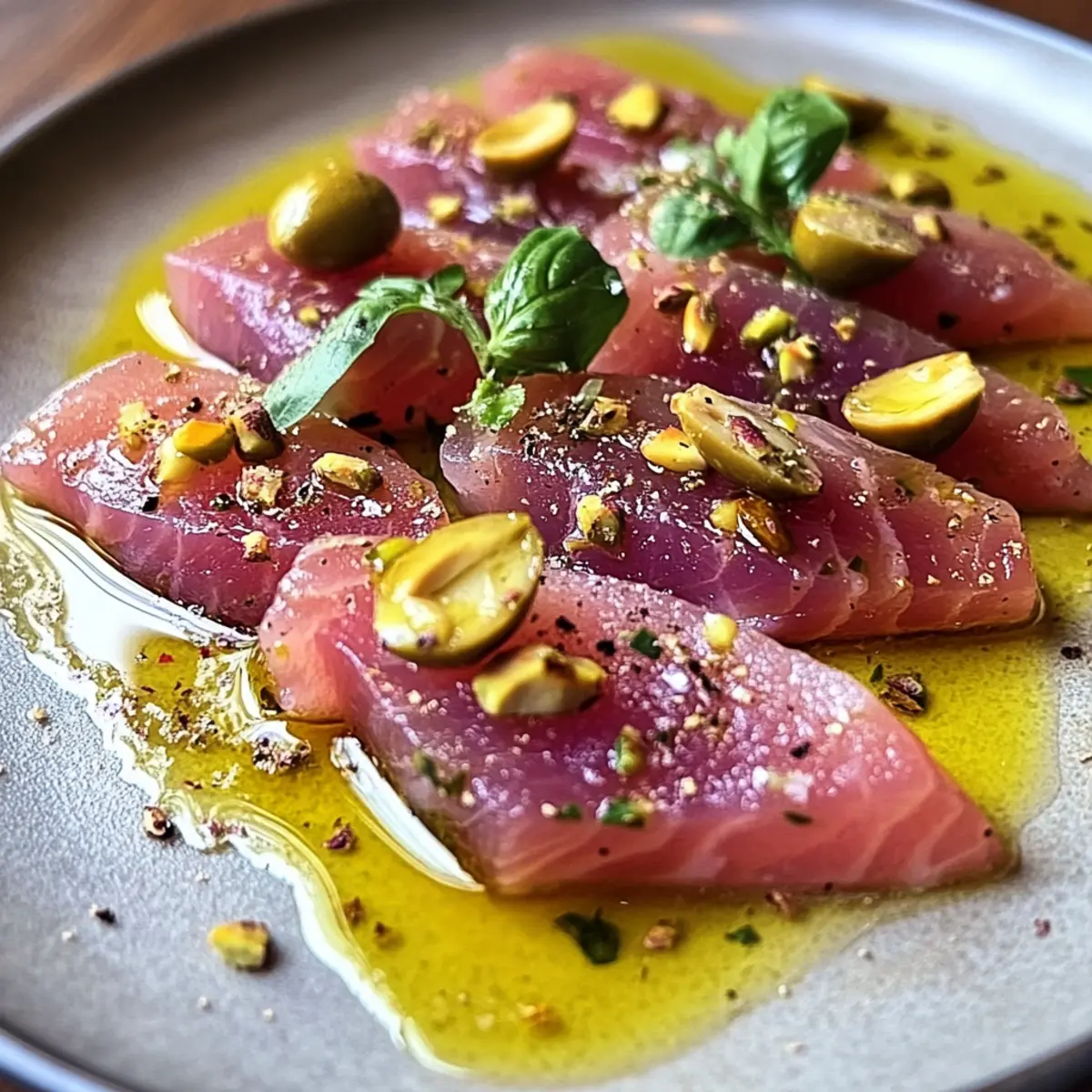
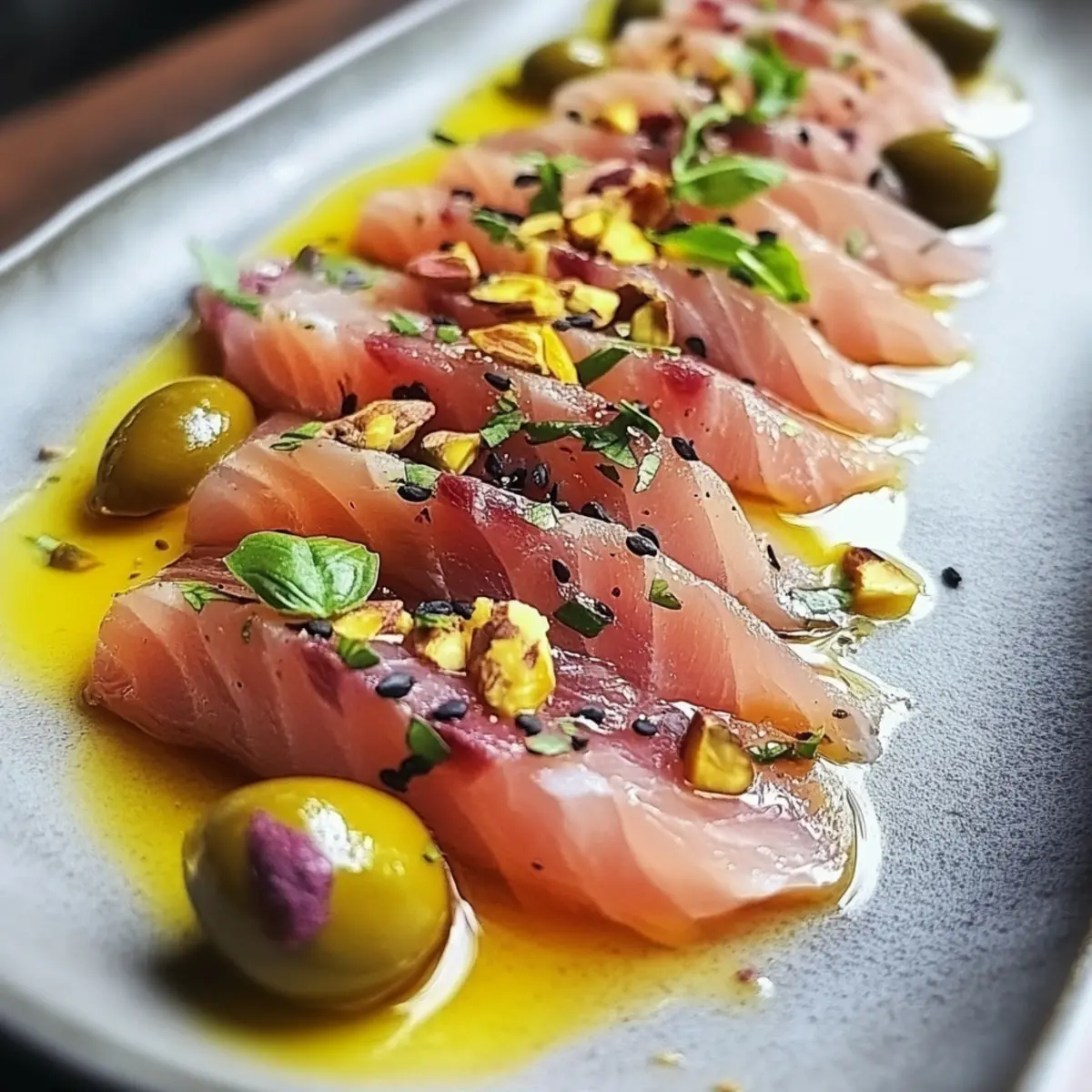
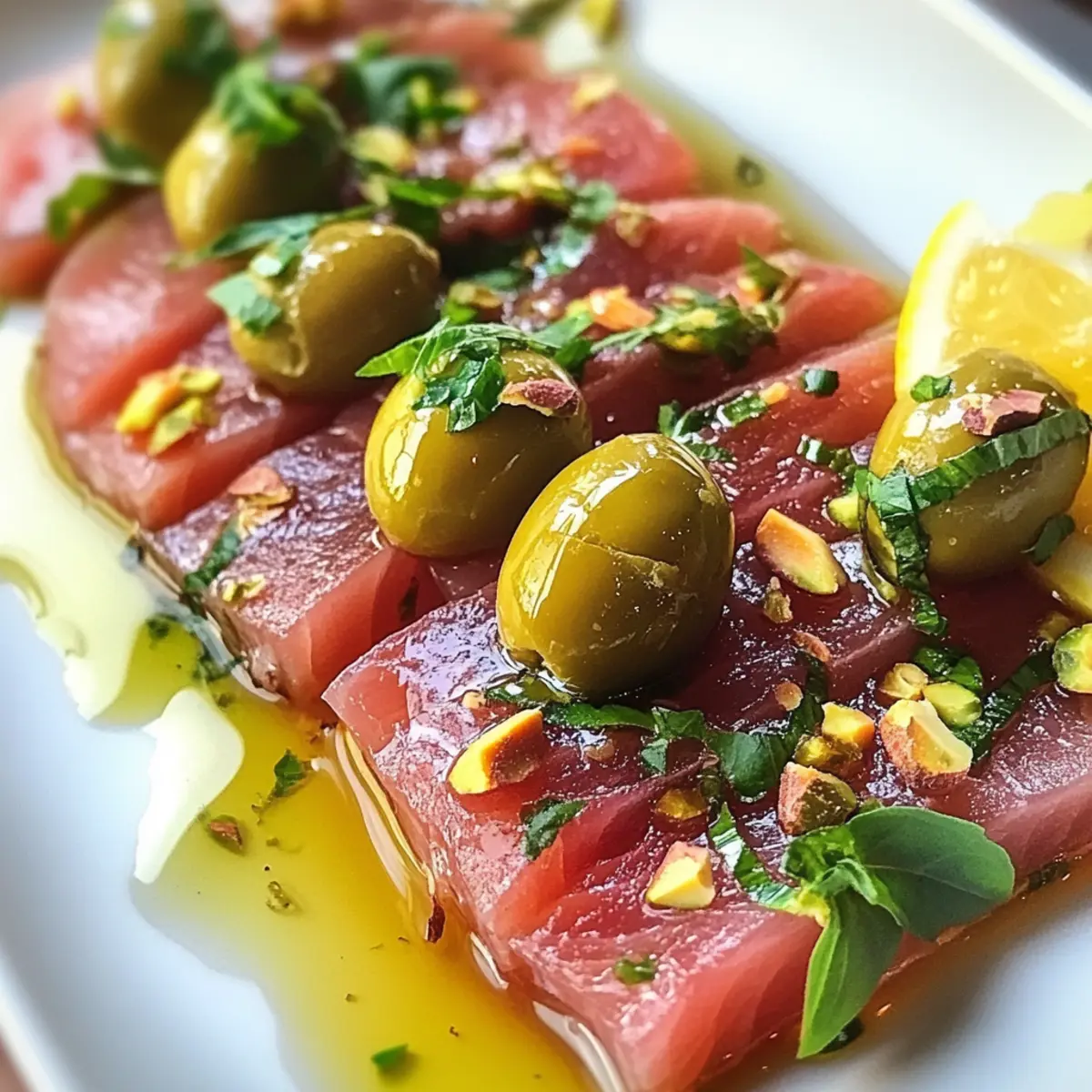
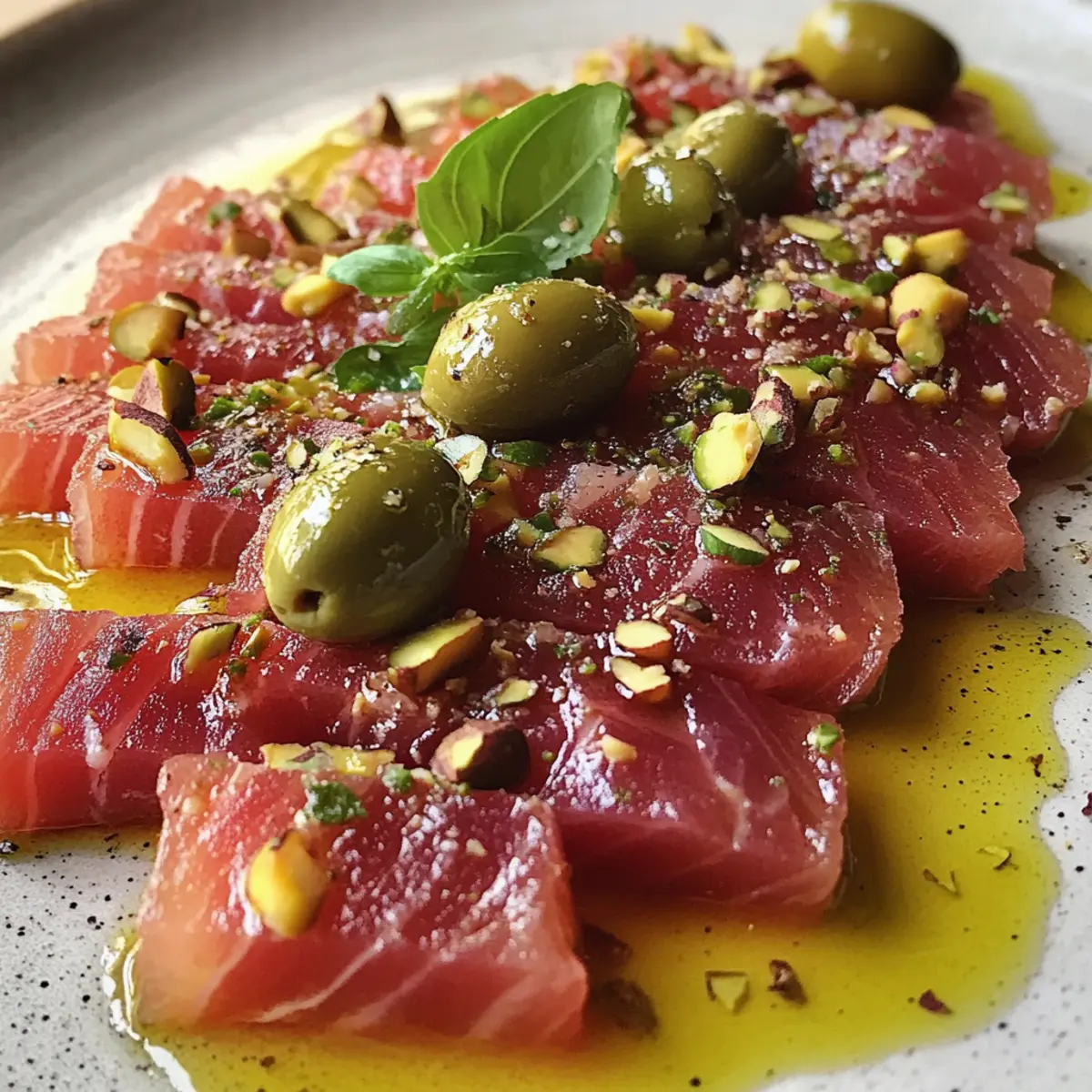
As the sun dips below the horizon, painting the sky with hues of orange and pink, I find myself craving something vibrant and fresh. Enter Sicilian Tuna Crudo, a dish that celebrates the simplicity of quality ingredients and brings a taste of Italy right to my kitchen. This elegant seafood delight takes just fifteen minutes to prepare, making it an effortless yet impressive addition to any gathering. With fresh, raw tuna glistening from a drizzle of extra virgin olive oil, zesty lemon, and the delightful crunch of pistachios, it’s a meal that’s not only quick to whip up but also a health-conscious choice bursting with rich flavors. Have you ever tried your hand at crudo? Let’s dive into this culinary adventure together!

Why is Sicilian Tuna Crudo a Must-Try?

Freshness: This recipe showcases fresh sushi-grade tuna, making every bite a burst of oceanic flavor.
Quick Preparation: In just 15 minutes, you can create a stunning antipasto that’s perfect for any occasion.
Versatile Ingredients: Feel free to experiment with herbs or nuts to personalize your dish to your taste!
Elegant Presentation: Impress your guests with its vibrant colors and beautiful arrangement—perfect for gatherings.
Healthy Choice: Low in calories and rich in healthy fats, it’s an indulgence you can feel good about! If you love quick, healthy meals, check out my Tuna Potato Pancakes for another delightful option.

Sicilian Tuna Crudo Ingredients

• Enjoy crafting this fresh and healthy dish!

For the Tuna

  • Fresh Sushi-Grade Tuna – The star of Sicilian Tuna Crudo; choose high-quality, sustainable fish for the best flavor.

For the Dressing

  • Lemon – Zest and juice provide a refreshing acidity; consider Meyer lemon or lime for a unique twist.
  • Extra Virgin Olive Oil – Use the finest quality available to elevate the dish with its fruity richness.
  • Coarse Flaky Sea Salt – Adds texture and enhances flavor; Maldon or sel gris is perfect for that delightful crunch.
  • Red Pepper Flakes – Optional spice element; adjust according to your heat preference.

For the Toppings

  • Castelvetrano Olives – Their mild, buttery flavor pairs beautifully with tuna; other mild green olives work as a substitute.
  • Pistachios – Offers a crunchy contrast; feel free to replace them with almonds, or omit if desired.
  • Fresh Basil – Adds aromatic freshness; parsley or mint can be used for an alternate flavor profile.

Crafting this Sicilian Tuna Crudo is not only about the ingredients; it’s about savoring the beauty of fresh, raw food! Enjoy every bite!

Step‑by‑Step Instructions for Sicilian Tuna Crudo

Step 1: Prepare the Tuna
Using a sharp knife, slice the fresh sushi-grade tuna against the grain into thin pieces, about 1/4 to 1/8 inch thick. Ensure the knife is cold for cleaner cuts. This step is crucial for creating the delicate texture characteristic of Sicilian Tuna Crudo, making your slices gleam and inviting.

Step 2: Arrange the Tuna
Gently lay the sliced tuna in a single layer on chilled plates, ensuring even spacing without overlap to maintain presentation. Chilling the plates enhances the dish’s elegance and keeps the tuna’s freshness intact. This beautiful arrangement will serve as the canvas for the vibrant toppings to come.

Step 3: Dress the Tuna
Squeeze fresh lemon juice over the arranged tuna slices generously, allowing the bright acidity to enhance the fish’s natural flavors. Then, season it with coarse flaky sea salt and sprinkle a touch of red pepper flakes for optional warmth. This step will elevate your Sicilian Tuna Crudo, making it both refreshing and flavorful.

Step 4: Add Toppings
Sprinkle the Castelvetrano olives and crushed pistachios evenly over the tuna. Their contrasting textures and flavors will complement the dish beautifully. Follow with a dusting of lemon zest for added brightness. This is the moment to appreciate how these elements will bring your Sicilian Tuna Crudo to life!

Step 5: Finish with Olive Oil
Drizzle extra virgin olive oil generously over the top, allowing it to flow over the vibrant ingredients, enhancing both flavor and presentation. The oil’s fruity notes will blend seamlessly with the lemon and tuna. Finish by scattering fresh basil leaves over the dish. This final touch brings aromatic freshness and completes your stunning Sicilian Tuna Crudo.

Step 6: Serve Immediately
Present your Sicilian Tuna Crudo immediately after preparation to maintain the freshness and beauty of the ingredients. Accompany it with crisp bread or a selection of marinated olives for an enjoyable antipasto experience. This enticing dish is sure to impress your guests with its vibrant colors and delightful flavors.

How to Store and Freeze Sicilian Tuna Crudo

Fridge: Store sliced tuna covered in the refrigerator for up to 5 hours before drizzling with lemon juice or seasoning. This helps maintain the freshness and texture of the fish.

Freezer: If you need to store raw tuna longer, wrap it tightly in plastic wrap and then place it in an airtight container to freeze for up to 2 months. Thaw in the fridge the night before serving.

Reheating: Sicilian Tuna Crudo is best served fresh; avoid reheating as it may compromise the quality. Always prepare just before serving for optimal taste and presentation.

Serving Tips: Keep all components separate until ready to serve. This ensures that the tuna remains fresh and the flavors are vibrant when you’re ready to enjoy this elegant dish.

Sicilian Tuna Crudo Variations & Substitutions

Feel free to explore delightful twists to customize your Sicilian Tuna Crudo and cater to your taste buds!

  • Herb Swap: Experiment with fresh dill or cilantro for a unique flavor profile that adds freshness.

  • Citrus Twist: Incorporate segments of orange or grapefruit to bring a sweet brightness and add color to your dish.

  • Nutty Alternatives: Swap pistachios with almonds or sunflower seeds for a different crunch. Toast them lightly for extra flavor!

  • Vegan Version: Replace tuna with marinated tofu or jackfruit for a plant-based adaptation that still satisfies.

  • Heat Levels: Adjust red pepper flakes to your desired spice level, or try a drizzle of sriracha for an exciting kick.

  • Olive Alternatives: If Castelvetrano olives are unavailable, any mild green olives like green Kalamata will work beautifully.

  • Dress It Up: Add a drizzle of balsamic glaze for a tangy sweetness that complements the dish’s freshness.

For more ideas on flavor and texture, check out my Tuna Potato Pancakes for another tasty recipe that can inspire your culinary adventures! Enjoy crafting your version of this stunning antipasto!

Make Ahead Options

These Sicilian Tuna Crudo are perfect for busy cooks looking to save time without sacrificing freshness! You can slice the sushi-grade tuna and keep it covered in the refrigerator for up to 5 hours before serving. Just remember, avoid adding lemon juice or salt until you’re ready to dress it, as this will help maintain its quality and prevent the tuna from curing prematurely. Additionally, you can prepare the toppings—like slicing the Castelvetrano olives and chopping the pistachios—up to 24 hours in advance; simply store them in airtight containers refrigerated. When it’s time to serve, just arrange the tuna on chilled plates, drizzle with lemon juice, oil, and add the toppings for restaurant-quality results with minimal effort!

Expert Tips for Sicilian Tuna Crudo

  • Choose Quality: Always select high-quality, fresh sushi-grade tuna to ensure flavor and safety in your dish. Look for fish that is bright and smells like the ocean.
  • Chill Before Serving: Chill your plates before assembling the Sicilian Tuna Crudo to keep the dish fresh and enhance its presentation—it’s a small detail that makes a big difference!
  • Slice Carefully: Use a sharp, cold knife when slicing the tuna; this helps achieve those perfect, tender slices without tearing the fish.
  • Dress at the Last Minute: To prevent the tuna from ‘cooking’ in lemon juice, avoid adding it or the salt until just before serving, preserving the raw quality.
  • Experiment with Toppings: Feel free to customize your toppings; different herbs, nuts, or even fruits can transform your Sicilian Tuna Crudo into a unique masterpiece!
  • Balance Flavors: Adjust the seasoning according to your taste; some may prefer a little more salt or a hint of heat from the red pepper flakes.

What to Serve with Sicilian Tuna Crudo

Expand your culinary experience by pairing refreshing elements and delightful sides with this exquisite dish.

  • Crisp Bread: The light crunch of crusty bread enhances the flavor of the tuna while providing a delightful textural contrast. Perfect for scooping up every delectable morsel.

  • Marinated Olives: Add a selection of marinated olives to create a beautiful antipasti spread. Their briny richness complements the fresh seafood beautifully.

  • Zucchini Noodles: A light, fresh alternative to traditional pasta, zucchini noodles will provide a refreshing crunch and soak up the vibrant flavors of olive oil and lemon.

  • Arugula Salad: The peppery bite of arugula paired with a light vinaigrette brings a bright, bold flavor that enhances the seafood without overpowering it.

  • White Wine Spritzer: A light and refreshing drink option, the crispness of a white wine spritzer will elevate the meal while balancing the rich flavors of the tuna.

  • Fresh Fruit Platter: Slices of juicy watermelon, citrus segments, or fresh berries can add a sweet and refreshing finish, cleansing the palate beautifully after each bite of Sicilian Tuna Crudo.

  • Chocolate Mousse: A rich, creamy dessert like chocolate mousse can provide a delightful contrast to the fresh flavors of the appetizer, leaving your guests with a truly indulgent experience.

Sicilian Tuna Crudo Recipe FAQs

What type of tuna should I use for Sicilian Tuna Crudo?
Absolutely, I recommend using fresh sushi-grade tuna for this dish, as its quality is crucial. Look for bright-colored fish with a fresh ocean scent. You can often find sustainable options at high-quality seafood markets or reputable grocery stores.

How should I store leftover Sicilian Tuna Crudo?
If you have any slices left, keep the tuna covered in the refrigerator for up to 5 hours before serving. Remember not to add lemon juice or seasoning until right before you eat it to maintain freshness!

Can I freeze tuna for Sicilian Tuna Crudo?
Yes, you can! If you need to store raw tuna longer, wrap it tightly in plastic wrap and place it in an airtight container; it will last for up to 2 months. When you’re ready to use it, thaw it in the fridge overnight. This helps preserve its texture for your crudo masterpiece.

What if I can’t find Castelvetrano olives?
No worries! If you can’t find Castelvetrano olives, you can easily substitute them with any mild green olives. Look for options like Kalamata or green olives that suit your flavor preferences. They may not be as buttery, but they’ll still add a nice briny touch!

How can I tell if my tuna is fresh enough to eat raw?
Look for a bright red color without any dark spots, which can indicate spoilage. The fish should smell clean, like the ocean, and the flesh should be firm to the touch. If you’re unsure, ask your fishmonger for guidance on their freshest options.

Is there a particular way to cut the tuna for the best texture?
Certainly! Slice the tuna against the grain into thin pieces, about 1/4 to 1/8 inch thick. This technique will give you tender slices that practically melt in your mouth. For the best results, consider chilling your knife in the freezer prior to cutting to ensure clean, straight cuts.

Sicilian Tuna Crudo

Sicilian Tuna Crudo: Fresh & Quick Antipasto Bliss

Sicilian Tuna Crudo is a vibrant and fresh seafood dish made with sushi-grade tuna, perfect for a quick and healthy meal.
Prep Time 15 minutes
Total Time 15 minutes
Servings: 2 servings
Course: Lunch
Cuisine: Italian
Calories: 250

Ingredients
  

For the Tuna
  • 1 pound Fresh Sushi-Grade Tuna Choose high-quality, sustainable fish
For the Dressing
  • 1 each Lemon Zest and juice
  • 2 tablespoons Extra Virgin Olive Oil Use the finest quality available
  • 1 teaspoon Coarse Flaky Sea Salt Maldon or sel gris recommended
  • 1/4 teaspoon Red Pepper Flakes Optional
For the Toppings
  • 1/2 cup Castelvetrano Olives Or other mild green olives
  • 1/4 cup Pistachios Can substitute with almonds or omit
  • 1/4 cup Fresh Basil Can substitute with parsley or mint

Equipment

  • sharp knife
  • Chilled plates

Method
 

Step-by-Step Instructions
  1. Using a sharp knife, slice the fresh sushi-grade tuna against the grain into thin pieces, about 1/4 to 1/8 inch thick.
  2. Gently lay the sliced tuna in a single layer on chilled plates, ensuring even spacing without overlap.
  3. Squeeze fresh lemon juice over the arranged tuna slices, season with coarse flaky sea salt and sprinkle red pepper flakes.
  4. Sprinkle the Castelvetrano olives and crushed pistachios evenly over the tuna.
  5. Drizzle extra virgin olive oil generously over the top and scatter fresh basil leaves.
  6. Serve immediately with crisp bread or a selection of marinated olives.

Notes

For best taste, prepare Sicilian Tuna Crudo just before serving. Keep all components separate until ready to serve to maintain freshness.

Savory Thai Fried Fish With Tamarind Sauce Delight

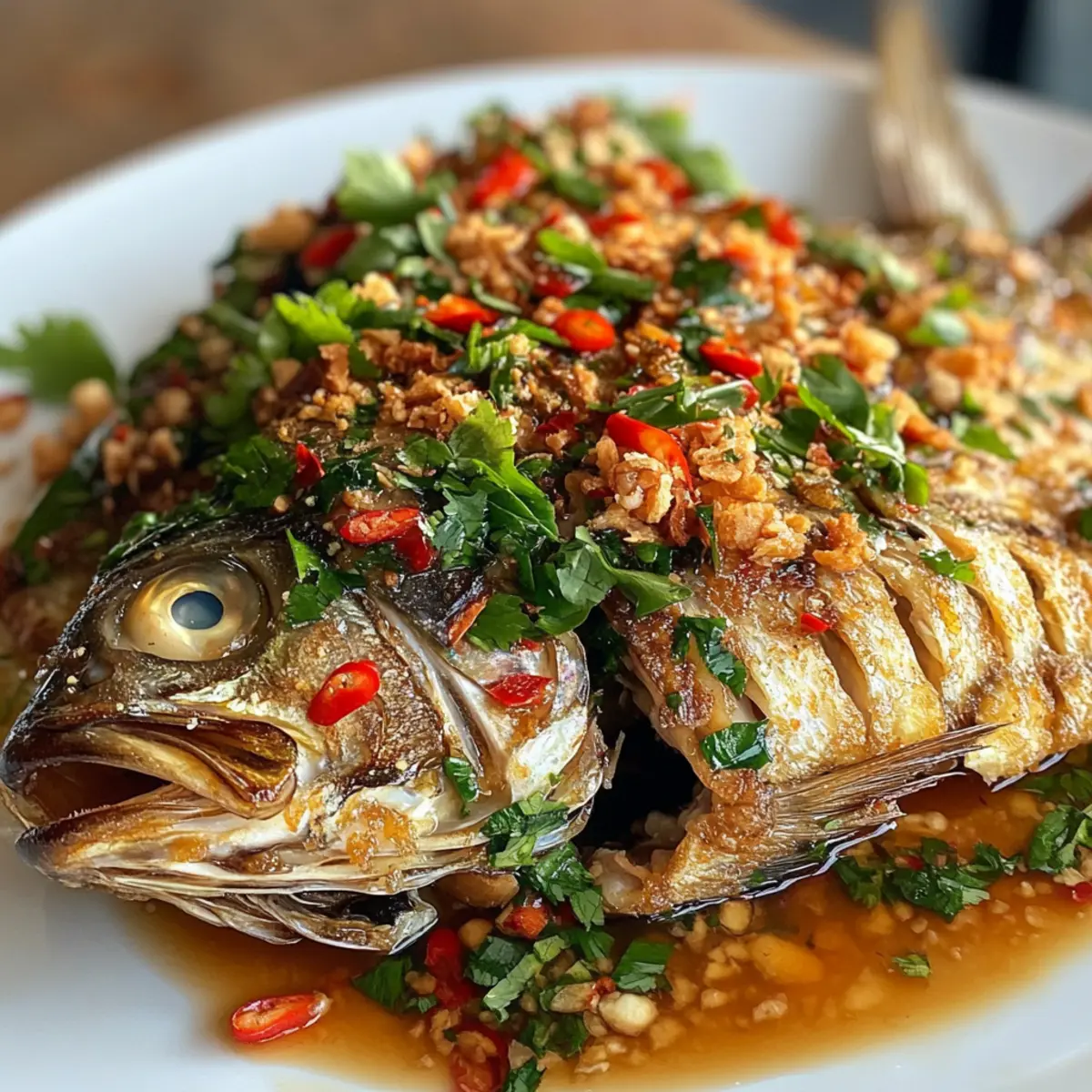
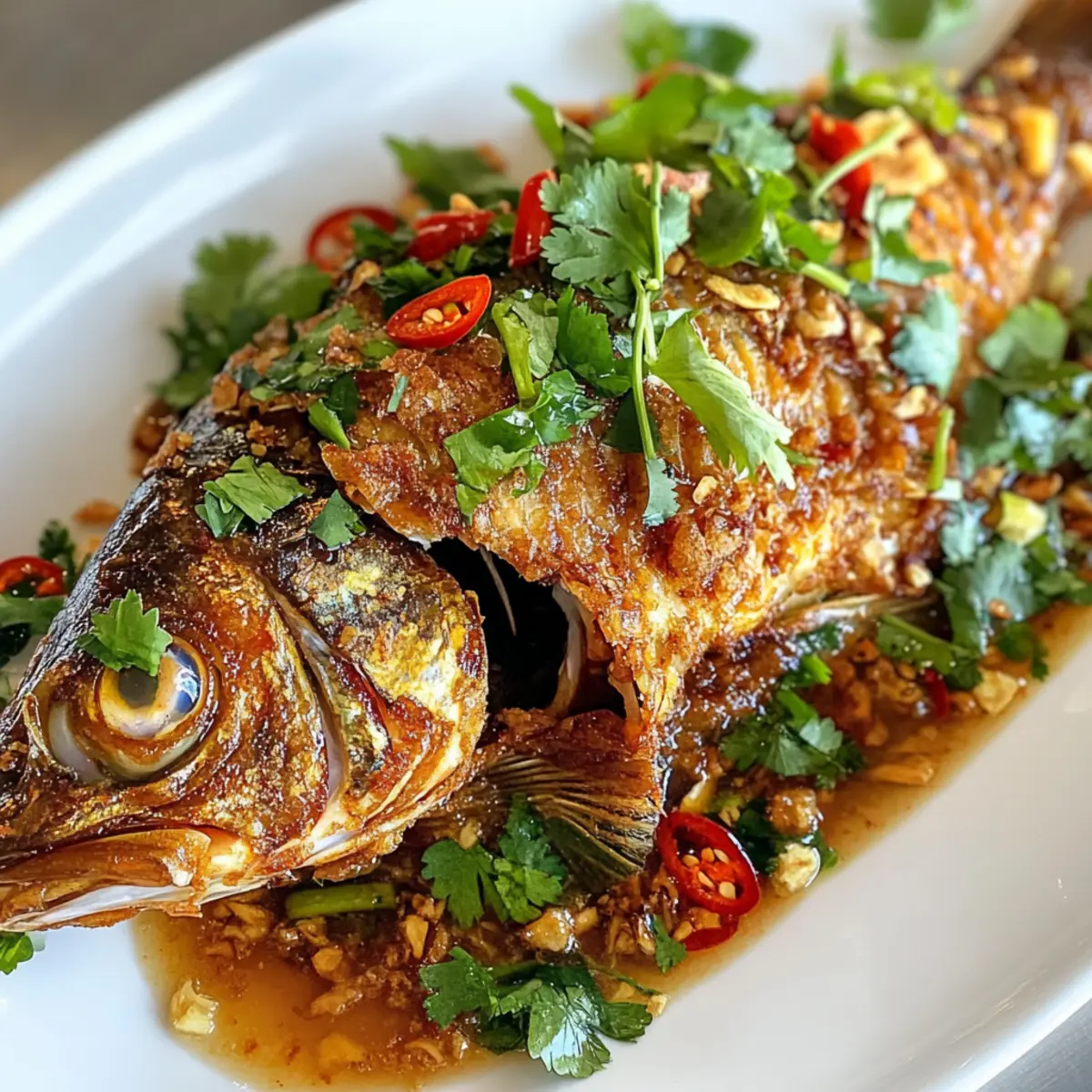
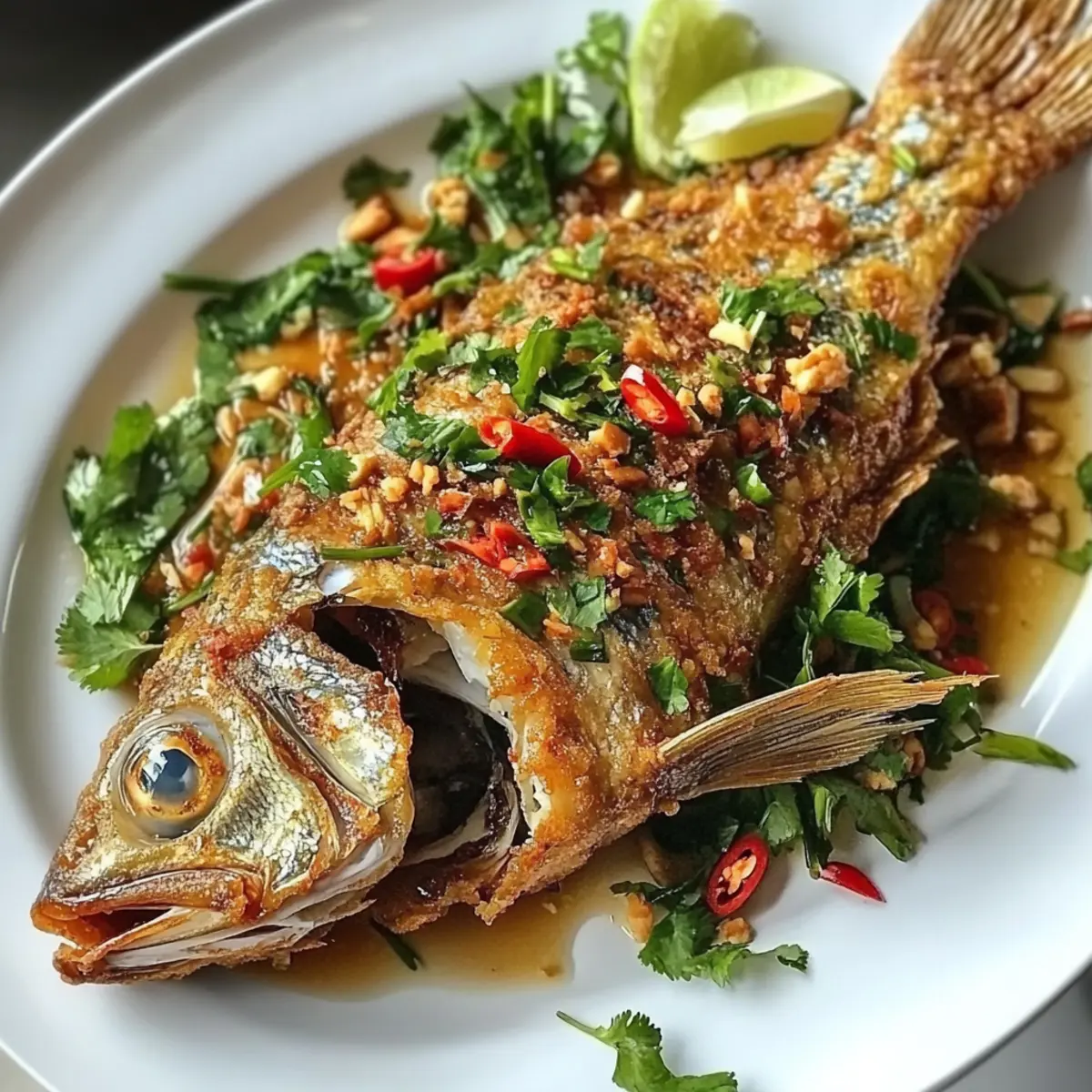
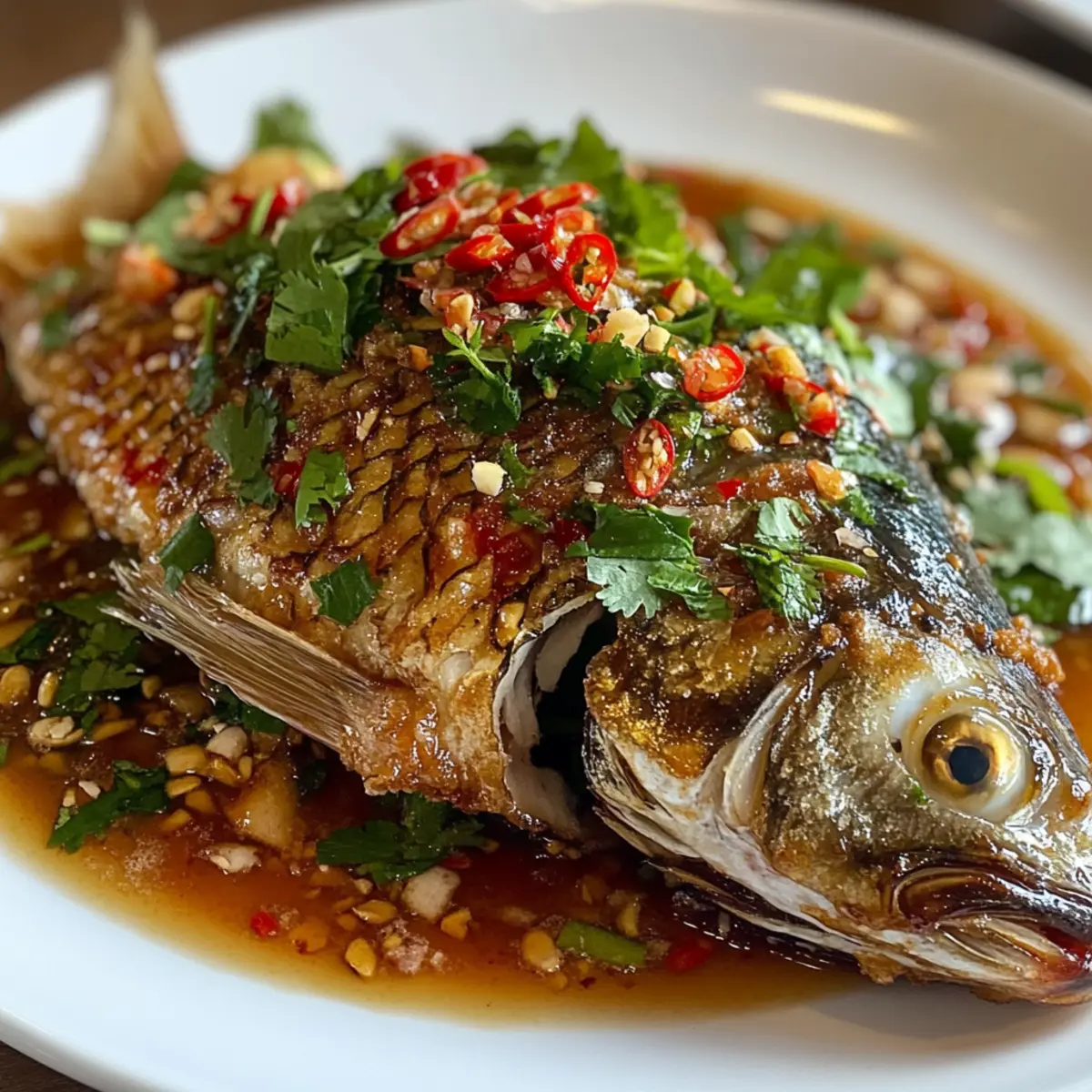
As I prepped for dinner one evening, the aroma of sizzling fish filled my kitchen, transporting me straight to the vibrant markets of Thailand. There’s something special about whipping up a dish that resonates with authenticity, and this Crispy Thai Fried Fish with Tamarind Sauce does just that. Not only is it gluten-free, making it a great option for varied diets, but it’s also a quick recipe that can elevate any weeknight meal into a feast fit for a celebration. The glorious interplay of crispy fish paired with a sweet, tangy tamarind sauce creates a flavor experience that’s both exciting and comforting. Are you ready to bring a bit of Thai flair to your table and impress your loved ones? Let’s dive into this incredible recipe together!

Why is Thai Fried Fish a Must-Try?

Flavor Explosion: Each bite offers a harmonious blend of sweet, tangy, and spicy flavors that will transport your taste buds straight to Thailand!

Gluten-Free Delight: This dish is naturally gluten-free, allowing everyone to enjoy it without worry.

Easy and Quick: With straightforward steps, it’s perfect for busy weeknights!

Perfect Pairing: Serve it alongside Cucumber Carrot Salad or steaming jasmine rice for a full meal that pleases the whole family.

Fun to Make: Whether you choose a whole fish or fillets, the cooking process is fun and rewarding, making it an exciting choice for budding chefs.

Thai Fried Fish With Tamarind Sauce Ingredients

  • For the Fish
    Fish (2 lb) – Any flaky white fish like tilapia, cod, or snapper works wonderfully for this dish.
    Cornflour – Coating the fish with cornflour enhances its crispy texture. Adjust as needed for coverage.
    Oil – Vegetable or peanut oil is ideal for deep-frying; ensure enough oil to submerge the fish halfway.

  • For the Sauce
    Garlic (10 cloves) – Adds a fragrant base; remember to peel before use.
    Chilies (1 handful) – Fresh and dried varieties deliver heat; adjust to your spice preference for this Thai Fried Fish with Tamarind Sauce.
    Palm Sugar (2.5 oz) – A perfect sweetener for the sauce; can swap with brown sugar in a pinch.
    Tamarind Paste (4 tbsp) – Key for that signature tang; blend well for a smooth sauce.
    Fish Sauce (6 tbsp) – Essential for umami flavor and authenticity.
    Water (2 tsp and 2 tbsp) – Used to achieve the right sauce consistency and to help thicken with cornstarch.
    Cornstarch (1 tbsp) – Helps thicken the tamarind sauce to a glossy finish.

Now that you have all the ingredients ready, you’re one step closer to creating a delightful meal perfect for impressing friends and family!

Step‑by‑Step Instructions for Thai Fried Fish With Tamarind Sauce

Step 1: Prepare the Fish
Begin by rinsing the fish under cold water and gently patting it dry with paper towels. To ensure even cooking, make shallow diagonal cuts on both sides of the fish, creating slits about an inch apart. This allows the flavors to penetrate deeper while frying, enhancing the taste of the Thai Fried Fish with Tamarind Sauce.

Step 2: Coat with Cornflour
Lightly dust the prepared fish with cornflour on all sides, ensuring an even coating. This step is crucial for achieving that satisfying crispy texture when fried. Make sure to tap off any excess flour to prevent clumping, which can lead to uneven frying—a key factor in perfecting this Thai Fried Fish with Tamarind Sauce.

Step 3: Heat the Oil
In a deep skillet or pan, pour enough vegetable or peanut oil to submerge half of the fish. Heat the oil over medium heat until it reaches about 350°F (175°C). You can test the oil’s readiness by dropping a small piece of bread in; it should sizzle and brown within 30 seconds. This ensures a crispy exterior for your fried fish.

Step 4: Fry the Fish
Carefully lower the fish into the hot oil and fry for approximately 8 minutes on one side until golden and crispy. Then, using a large spatula, gently flip the fish and continue frying for another 8 minutes on the other side. The fish should have a beautiful amber color and be flake-prone, signifying the perfect doneness for your Thai Fried Fish with Tamarind Sauce.

Step 5: Drain Excess Oil
Once the fish is cooked to perfection, carefully lift it out of the oil using the spatula. Place it on a paper towel-lined colander to soak up any excess oil—this step is vital for keeping your fish crispy and light. Allow it to rest briefly while you prepare the tamarind sauce.

Step 6: Crush the Garlic and Chilies
In a mortar, crush the garlic cloves and chilies together until they form a coarse paste. This aromatic mixture serves as the base for your tamarind sauce. If you don’t have a mortar, a food processor can be used; just pulse until you achieve a similar consistency, releasing those wonderful flavors essential for your Thai Fried Fish with Tamarind Sauce.

Step 7: Sauté the Mixture
In a saucepan, heat a tablespoon of oil over medium heat. Add the crushed garlic and chili paste, sautéing until fragrant—around 2 minutes. Be careful not to burn the mixture, as you want to create a rich aroma that complements the fried fish. This sautéing step is crucial for building the depth of flavor in your tamarind sauce.

Step 8: Combine Sauce Ingredients
To the fragrant sauté, add palm sugar, tamarind paste, fish sauce, and 2 tablespoons of water. Stir the ingredients together and let them cook for about 3–4 minutes, stirring occasionally until the sugar is completely dissolved. This mixture forms the foundation of the delectable sauce that will drizzle over your Thai Fried Fish with Tamarind Sauce.

Step 9: Thicken the Sauce
In a small bowl, combine 1 tablespoon of cornstarch with 2 teaspoons of cold water to make a slurry. Gently stir this slurry into the tamarind sauce, cooking for another 2-3 minutes until the sauce thickens to a glossy consistency. You want it to be thick enough to coat the back of a spoon for that luxurious finish on your fish.

Step 10: Serve and Garnish
Transfer the crispy fried fish to a serving plate and generously drizzle the tamarind sauce over it. For an extra touch of freshness, consider garnishing with chopped cilantro or additional sliced chilies if desired. This beautiful presentation will surely impress your family and friends, making your Thai Fried Fish with Tamarind Sauce a focal point at the dinner table.

How to Store and Freeze Thai Fried Fish

  • Fridge: Store leftover Thai Fried Fish with Tamarind Sauce in an airtight container for up to 2 days. To maintain flavor and texture, reheat in an oven for best results.

  • Freezer: If you have extra fried fish, wrap it tightly in plastic wrap and then aluminum foil. It can be frozen for up to 1 month. To avoid freezer burn, ensure it’s sealed well.

  • Reheating: When ready to enjoy leftovers, place the fish in a preheated oven at 375°F (190°C) for about 10-15 minutes until heated through and crispy. Adding a splash of water to the baking tray may help keep it from drying out.

  • Sauce Storage: If you have extra tamarind sauce, store it in a sealed container in the fridge for up to 5 days. Reheat gently in a saucepan before serving over your reheated fish.

Make Ahead Options

These Crispy Thai Fried Fish with Tamarind Sauce are perfect for meal prep enthusiasts! You can coat the fish with cornflour up to 24 hours in advance and store it in the refrigerator, ensuring a quick frying process. The tamarind sauce can also be made ahead; simply prepare it up to 3 days prior, letting it cool completely before storing it in an airtight container in the fridge. To maintain the crispy texture, fry the fish right before serving to achieve that delicious crunch. When you’re ready to enjoy, just reheat the sauce gently on the stove while frying the fish, and you’ll have a delightful meal with minimal effort!

What to Serve with Crispy Thai Fried Fish with Tamarind Sauce

Pair your meal with delightful sides that elevate the experience and create a well-rounded feast!

  • Steamed Jasmine Rice: The fluffy texture absorbs the tangy tamarind sauce beautifully, making each bite irresistible.

  • Cucumber Salad: Refreshing and light, this salad with a zesty dressing complements the richness of the fish and adds a crunch.

  • Thai Mango Salad: Sweet and spicy, this salad enhances the dish’s flavors while providing a vibrant color contrast on your plate.

  • Stir-Fried Vegetables: A mix of crunchy veggies sautéed in garlic and oyster sauce can balance the crispy fish, making for a flavorful combo.

  • Chili Garlic Noodles: Soft, slippery noodles tossed with a hint of garlic and chili make for a satisfying texture that pairs beautifully with the fish’s crispiness.

  • Mango Sticky Rice: For dessert, this sweet treat contrasts the savory fish, rounding off the meal with an indulgent tropical flair.

Thai Fried Fish With Tamarind Sauce Variations

Feel free to explore these exciting variations to tailor the dish to your family’s palate and dietary needs!

  • Sweet Swap: Substitute palm sugar with brown sugar for a deeper, richer sweetness that enhances the tamarind flavor.
  • Fillets Instead: Use fish fillets instead of a whole fish for quicker cooking and easier serving—perfect for busy nights!
  • Spice It Up: Adjust the number of chilies to tailor the heat level to your preference; more chilies provide a delightful kick.
  • Herb Infusion: Try adding fresh chopped basil or cilantro to the tamarind sauce for an aromatic twist that brightens the dish.
  • Vegan Delight: Replace the fish with tofu or eggplant for a delicious plant-based alternative that captures the spirit of the original dish.
  • Nutty Flavor: Incorporate a tablespoon of toasted sesame oil in the frying process for an added layer of nuttiness that complements the tamarind sauce beautifully.
  • Zesty Touch: Adding a squeeze of lime juice just before serving offers a refreshing zing that lifts the flavors in your Thai Fried Fish.
  • Crunchy Coating: Experiment with panko breadcrumbs mixed with cornflour for an even crunchier finish that will impress your guests!

Looking to complement your meal? Serve alongside a light Cucumber Carrot Salad or steaming jasmine rice for a complete, mouthwatering experience!

Expert Tips for Thai Fried Fish

  • Oil Temperature: Ensure the oil is heated to around 350°F (175°C) before frying, as cooler oil can lead to soggy fish—ruining your Thai Fried Fish with Tamarind Sauce.

  • Avoid Overcrowding: Fry one or two pieces at a time instead of overloading the pan. Overcrowding lowers the oil temperature and prevents even cooking.

  • Dry Fish Thoroughly: Pat the fish completely dry before coating with cornflour to ensure a crispy texture. Moisture can create steam and inhibit crispiness.

  • Use Fresh Ingredients: For the best flavors, use fresh garlic and chilies in your sauce. Fresh ingredients significantly enhance the overall taste of your Thai Fried Fish with Tamarind Sauce.

  • Monitor Frying Time: Fry the fish until it reaches a perfect golden-brown color, about 8 minutes per side, while carefully observing to avoid burning.

  • Serve Immediately: For the best texture and flavor, serve the fried fish immediately after cooking. Letting it sit too long can lead to sogginess.

Thai Fried Fish with Tamarind Sauce Recipe FAQs

What type of fish is best for this recipe?
You can use any flaky white fish like tilapia, cod, or snapper. I often opt for snapper due to its firm flesh and mild flavor, which pairs beautifully with the tamarind sauce. Just make sure the fish is fresh and look for bright, clear eyes and red gills—these are signs of freshness!

How should I store leftovers?
Store any leftover Thai Fried Fish with Tamarind Sauce in an airtight container in the fridge for up to 2 days. To retain the crispy exterior, reheat it in the oven at 375°F (190°C) for about 10-15 minutes. This method helps keep the fish from turning soggy and brings back that delightful crunch.

Can I freeze the fried fish?
Absolutely! To freeze Thai Fried Fish, wrap each piece tightly in plastic wrap and then in aluminum foil to protect against freezer burn. You can freeze it for up to 3 months. When you’re ready to enjoy it, thaw it in the refrigerator overnight, then reheat in the oven for the best texture.

What if my sauce is too thin?
If your tamarind sauce turns out too thin, don’t worry! Simply mix 1 tablespoon of cornstarch with 2 teaspoons of cold water to form a slurry, then stir it into the simmering sauce. Keep cooking while stirring until the sauce thickens to your desired consistency. This typically takes just a few minutes and will give you that glossy finish we love!

Is this recipe suitable for gluten-free diets?
Yes! This Thai Fried Fish with Tamarind Sauce is naturally gluten-free, making it perfect for those with gluten sensitivities. Just ensure that any sauces you use, like fish sauce and tamarind paste, are labeled gluten-free, as cross-contamination can sometimes occur with processed foods.

How long will the tamarind sauce last in the fridge?
If you have any leftover tamarind sauce, store it in a sealed container in the refrigerator for up to 5 days. Just reheat it gently in a saucepan before serving again. This sauce is delightful to drizzle over other dishes too, adding a touch of Thai flair!

Thai Fried Fish With Tamarind Sauce

Savory Thai Fried Fish With Tamarind Sauce Delight

Thai Fried Fish with Tamarind Sauce brings a delightful mix of flavors, perfect for a quick weeknight dinner.
Prep Time 20 minutes
Cook Time 16 minutes
Resting Time 5 minutes
Total Time 41 minutes
Servings: 4 servings
Course: Dinner
Cuisine: Thai
Calories: 350

Ingredients
  

For the Fish
  • 2 lb Fish (any flaky white fish like tilapia, cod, or snapper)
  • Cornflour for coating
  • Oil (vegetable or peanut) enough to submerge fish halfway
For the Sauce
  • 10 cloves Garlic peeled
  • 1 handful Chilies fresh and dried varieties to taste
  • 2.5 oz Palm Sugar can swap with brown sugar
  • 4 tbsp Tamarind Paste
  • 6 tbsp Fish Sauce for umami flavor
  • 2 tsp Water
  • 2 tbsp Water for sauce consistency
  • 1 tbsp Cornstarch to thicken sauce

Equipment

  • Deep skillet or pan
  • Mortar
  • Food Processor
  • Saucepan

Method
 

Instructions
  1. Prepare the Fish: Rinse and pat dry the fish, making shallow cuts on both sides.
  2. Coat with Cornflour: Lightly dust fish with cornflour on all sides.
  3. Heat the Oil: In a deep skillet, heat oil to about 350°F (175°C).
  4. Fry the Fish: Fry fish for about 8 minutes on each side until golden and crispy.
  5. Drain Excess Oil: Lift fish from oil and place on a paper towel-lined colander.
  6. Crush the Garlic and Chilies: In a mortar, crush garlic and chilies into a coarse paste.
  7. Sauté the Mixture: Sauté crushed mixture in oil until fragrant.
  8. Combine Sauce Ingredients: Add palm sugar, tamarind paste, fish sauce, and water.
  9. Thicken the Sauce: Stir in cornstarch slurry and cook until the sauce thickens.
  10. Serve and Garnish: Drizzle sauce over fish, optionally garnishing with cilantro or chilies.

Notes

For the best flavor, use fresh ingredients and serve immediately for the best texture.

Savory Baked Prosciutto and Egg Breakfast Tart for a Bright Morning

As I lifted the golden crust from the oven, a savory aroma wafted through my kitchen, instantly transporting me to the sun-drenched streets of Italy. This Baked Prosciutto and Egg Breakfast Tart is more than just a meal; it’s a beautiful celebration of spring’s bounty, featuring creamy Boursin cheese, crispy prosciutto, and a bright arugula topping. Not only is it visually stunning, but this breakfast delight is also quick to whip up—perfect for leisurely weekends or busy weekday mornings. Plus, it’s highly customizable, inviting you to get creative with your favorite ingredients. Ready to elevate your brunch game or impress your family with a unique twist on the morning routine? Let’s dive into this delicious tart that will have everyone coming back for seconds!

Why is this tart a breakfast game-changer?

Simplicity at Its Finest: With easy steps and minimal prep, this tart can be yours in just over an hour.

Flavor Explosion: The rich blend of Boursin cheese and crispy prosciutto offers a delightful savory punch that will brighten your morning.

Customizable Delight: Feel free to swap ingredients to create your perfect breakfast; whether it’s different cheeses or greens, the possibilities are endless!

Crowd-Pleasing Appeal: This dish is bound to impress, making it ideal for brunch gatherings or special occasions. Pair it with a refreshing Crisp Cabbage Apple or a bubbly mimosa for an unforgettable experience.

Health-Conscious Choice: With its thoughtful ingredient choices, each serving provides a hearty yet balanced meal that won’t weigh you down.

Baked Prosciutto and Egg Breakfast Tart Ingredients

For the Tart Base

  • Large Eggs – Provide structure and richness; use room temperature eggs for even cooking.
  • Puff Pastry Dough – Acts as the base, delivering a crispy texture; be sure to thaw fully before using.
  • Kosher Salt – Enhances overall flavor; adjust quantity based on your taste preference.

For the Topping

  • Boursin Cheese – Adds creaminess and savory flavor; substitute with goat cheese if preferred.
  • Prosciutto – Offers a salty, savory element; alternatives include crispy bacon or lox.
  • Everything But The Bagel Seasoning – Adds flavor to the crust; substitute with sesame seeds or flaky sea salt if desired.
  • Green Onion – Provides freshness and color; can be replaced with chives or shallots.

For the Salad

  • Arugula – Fresh greens that add peppery flavor; can substitute with spinach or mixed greens.
  • Olive Oil & Lemon Juice – Light dressing that enhances freshness; adjust quantities to taste.
  • Parmigiano Cheese – Adds sharpness and richness; substitute with any hard cheese like Pecorino Romano.

Indulge in this Baked Prosciutto and Egg Breakfast Tart, and let it transform your morning routine into a delightful and savory experience!

Step‑by‑Step Instructions for Baked Prosciutto and Egg Breakfast Tart

Step 1: Preheat Oven
Begin by preheating your oven to 400°F (200°C). While the oven heats up, line a baking sheet with parchment paper to prevent sticking. This step ensures that your Baked Prosciutto and Egg Breakfast Tart cooks evenly and develops a beautifully golden crust, setting you up for success from the start.

Step 2: Prepare Dough
Once the oven is preheated, roll out the thawed puff pastry dough into a rectangle on a lightly floured surface. Trim any excess dough as needed, then score a half-inch border around the edges using a knife—this will create a lovely raised crust. Puncture the center of the pastry with a fork to prevent it from puffing up too much during baking.

Step 3: Egg Wash
In a small bowl, whisk together one egg and one tablespoon of water to create an egg wash. Brush the egg wash over the edges of the pastry, giving it a lovely sheen as it bakes. Next, sprinkle the crust with Everything But The Bagel Seasoning for an extra flavor kick. Bake the pastry for about 10 minutes, or until it begins to turn golden and puff slightly.

Step 4: Add Cheese & Eggs
Remove the partially baked pastry from the oven and spread a layer of creamy Boursin cheese evenly across the center, leaving the edges bare. Carefully crack the desired number of eggs on top of the cheese, ensuring even spacing. Sprinkle with kosher salt and visually check for any egg whites that might spill over. Bake again for 12-14 minutes, until the egg whites are set but the yolks remain slightly runny.

Step 5: Finish Tart
Once the eggs are cooked to your liking, take the Baked Prosciutto and Egg Breakfast Tart out of the oven. Carefully top it with crispy prosciutto and finely sliced green onions, adding a touch of color and flavor. Allow it to cool for a few minutes before serving so the flavors meld beautifully and the pastry maintains its crisp texture.

Step 6: Prepare Salad
While the tart is cooling, mix arugula with a drizzle of olive oil, a splash of lemon juice, and a pinch of salt in a bowl. Toss the greens gently until evenly coated, creating a refreshing salad that complements the richness of the tart. Serve the salad on top of the warm tart or on the side, finishing it off with shavings of Parmigiano cheese for added elegance.

Make Ahead Options

These Baked Prosciutto and Egg Breakfast Tarts are ideal for meal prep, allowing you to enjoy mornings without the stress! You can prepare the puff pastry and spread the Boursin cheese up to 24 hours in advance; simply cover the prepared pastry with plastic wrap and refrigerate to keep it fresh. If you want to prep further, crack the eggs on top right before baking, as this ensures they remain perfectly set. When ready to enjoy, simply bake as instructed, and you’ll have a delicious breakfast tart in no time, maintaining the lovely flakiness of the crust and vibrant flavors. Enjoy the convenience and the delight of a savory breakfast made easy!

Baked Prosciutto and Egg Breakfast Tart Variations

Feel free to let your culinary creativity shine with these delightful twists on the classic tart!

  • Cheese Alternatives: Swap Boursin for cream cheese or a herbed cheese spread for a different creamy texture. Both options bring a unique flavor profile to your tart.

  • Additional Toppings: Consider adding cooked asparagus, green beans, or sun-dried tomatoes for a pop of color and flavor. These vibrant vegetables will elevate your tart, making it even more appealing.

  • Greens Substitute: Try using spinach or kale instead of arugula for added nutrition and a different leafy texture. Each greens choice brings a unique taste to this delicious breakfast.

  • Meat Twist: Replace prosciutto with crispy bacon or smoked lox for an equally savory experience. Each option lends its distinct flavor, adding variety to your breakfast.

  • Spice It Up: If you enjoy a little heat, sprinkle red pepper flakes or add sliced jalapeños to the filling for an exciting kick. Your taste buds will thank you for the spicy twist!

  • Sweet Finish: Consider drizzling a touch of honey or maple syrup atop the tart before serving. This sweet contrast balances the savory flavors beautifully, making for a truly gourmet experience.

  • Dairy-Free Delight: For a dairy-free option, replace cheese with a vegan cheese substitute and use a plant-based puff pastry. Embrace all the flavors while accommodating dietary needs.

  • Herb Infusion: Add fresh herbs like basil or tarragon to the cheese mixture for a fragrant twist. The aroma will fill your kitchen, inviting everyone to the table.

For even more inspiration, try pairing it with a refreshing Crisp Cabbage Apple salad or serving it alongside a warm glass of mimosas. The possibilities are truly endless!

What to Serve with Baked Prosciutto and Egg Breakfast Tart

Elevate your breakfast experience with delightful pairings that complement the rich flavors and textures of this savory tart.

  • Crispy Hash Browns: The crispy texture of hash browns adds a comforting crunch that balances the softness of the tart while enhancing your breakfast feast.

  • Fresh Fruit Salad: Bursting with color and natural sweetness, a fruit salad provides a refreshing contrast, brightening each bite and bringing in a touch of spring.

  • Mimosas: This bubbly cocktail with orange juice adds a celebratory feel, perfectly complementing the rich flavors of the tart while awakening your palate.

  • Sautéed Spinach: Lightly sautéed spinach with garlic offers a fresh and earthy taste that beautifully contrasts the crispy prosciutto and creamy cheese.

  • Mini Ceasar Salad: A classic Caesar with crunchy croutons and tangy dressing mirrors the tart’s richness, creating a balanced, satisfying meal.

  • Roasted Tomatoes: Sweet, juicy roasted tomatoes add a burst of flavor and vibrant color, enhancing both the visual appeal and taste experience of the meal.

  • Herbed Yogurt Dip: A cool, tangy yogurt dip seasoned with herbs brings a refreshing element that plays well with the savory notes of the tart.

  • Coffee or Tea: A warm cup of coffee or herbal tea is the perfect finishing touch, enhancing the overall morning vibe and helping to savor each bite leisurely.

  • Chocolate Croissants: For those with a sweet tooth, serving flaky chocolate croissants as a delectable side will add a touch of indulgence to your breakfast selection.

Expert Tips for Baked Prosciutto and Egg Breakfast Tart

  • Thaw Pastry Completely: Ensure your puff pastry is fully thawed before use to achieve that delightful flaky texture we’re striving for in the Baked Prosciutto and Egg Breakfast Tart.
  • Egg Placement Matters: Crack the eggs evenly across the tart to promote balanced cooking; avoid overcrowding as it may lead to unevenly cooked eggs.
  • Fork Punctures: Use a fork to prick the pastry in the center. This simple step helps prevent it from puffing up too much, ensuring an even base for your tart.
  • Adjust Cook Times for Individual Tarts: If you’re making smaller, individual tarts, use one egg per pastry piece and adjust baking times accordingly to achieve perfect doneness.
  • Dressing the Salad: A touch of olive oil and lemon juice elevates the arugula salad perfectly, enhancing freshness without overpowering the tart’s rich flavors.

Storage Tips for Baked Prosciutto and Egg Breakfast Tart

  • Room Temperature: Enjoy your Baked Prosciutto and Egg Breakfast Tart fresh out of the oven for the best experience. If you need to let it cool, place it on a wire rack for up to 1 hour before storage.
  • Fridge: Store any leftover tart in an airtight container in the fridge for up to 3 days. To retain flavor and freshness, cover it with plastic wrap before sealing the container.
  • Freezer: If you want to save it for later, wrap individual slices tightly in foil and place them in a freezer-safe bag. It can last in the freezer for up to 2 months.
  • Reheating: Reheat in the oven at 350°F (175°C) for 10-15 minutes until warmed through, ensuring the pastry stays crispy. Enjoy it just like the first bite!

Baked Prosciutto and Egg Breakfast Tart Recipe FAQs

What kind of prosciutto should I use for the tart?
Absolutely! Look for high-quality prosciutto that feels silky and has a pleasant aroma. I often choose thinly sliced, dry-cured types from reputable brands. If you’re in a pinch, crispy bacon or smoked lox can also work as delicious alternatives that still bring that savory element to your breakfast tart!

How do I store leftovers of the Baked Prosciutto and Egg Breakfast Tart?
After enjoying your delicious tart, let it cool for no more than an hour and then place any leftovers in an airtight container. You can store it in the fridge for up to 3 days. Be sure to cover it well with plastic wrap to maintain freshness. Trust me, it’s still delightful even on day three!

Can I freeze the Baked Prosciutto and Egg Breakfast Tart?
Yes, you can! To freeze, wrap individual slices tightly in foil, and then put them in a freezer-safe bag. If stored properly, the tart can last up to 2 months in the freezer. When you’re ready to enjoy it again, reheat in the oven at 350°F (175°C) for 10-15 minutes to keep that delightful flaky texture intact.

What should I do if my eggs overflow while baking?
Very! If you find that the eggs are overflowing during the baking process, it’s usually due to overcrowding. To prevent this, space the eggs evenly and avoid using more than four per tart. If you encounter a spillage, simply use a spatula to clean it up after baking. This will help ensure that the crust remains crisp without any messy edges!

Are there any dietary considerations for this recipe?
Absolutely! For those with dietary restrictions, you can customize the Baked Prosciutto and Egg Breakfast Tart easily. If you’re gluten-free, swap in a gluten-free puff pastry. For dairy allergies, try a vegan cheese option instead of Boursin. Remember, you can always adjust ingredients based on your family’s preferences and health needs, ensuring that everyone can enjoy this savory breakfast treat!

Baked Prosciutto and Egg Breakfast Tart

Savory Baked Prosciutto and Egg Breakfast Tart for a Bright Morning

This Baked Prosciutto and Egg Breakfast Tart is a delightful celebration of spring’s bounty, featuring creamy Boursin cheese and crispy prosciutto.
Prep Time 20 minutes
Cook Time 25 minutes
Cooling Time 5 minutes
Total Time 50 minutes
Servings: 4 slices
Course: Breakfast
Cuisine: Italian
Calories: 320

Ingredients
  

For the Tart Base
  • 4 large Eggs Room temperature for even cooking
  • 1 sheet Puff Pastry Dough Thawed fully before using
  • 1 teaspoon Kosher Salt Adjust to taste
For the Topping
  • 8 ounces Boursin Cheese Substitute with goat cheese if preferred
  • 4 ounces Prosciutto Alternatives include crispy bacon or lox
  • 1 tablespoon Everything But The Bagel Seasoning Substitute with sesame seeds or flaky sea salt
  • 2 tablespoons Green Onion Can be replaced with chives or shallots
For the Salad
  • 4 cups Arugula Can substitute with spinach or mixed greens
  • 2 tablespoons Olive Oil Adjust quantities to taste
  • 1 tablespoon Lemon Juice Adjust quantities to taste
  • 2 tablespoons Parmigiano Cheese Substitute with any hard cheese like Pecorino Romano

Equipment

  • oven
  • baking sheet
  • parchment paper
  • mixing bowl
  • Fork

Method
 

Step-by-Step Instructions
  1. Preheat your oven to 400°F (200°C) and line a baking sheet with parchment paper.
  2. Roll out the thawed puff pastry dough into a rectangle, trim excess, and score a half-inch border.
  3. In a small bowl, whisk together one egg and one tablespoon of water for the egg wash, brush it over the pastry edges.
  4. Sprinkle the crust with Everything But The Bagel Seasoning and bake for about 10 minutes.
  5. Spread a layer of Boursin cheese, crack the eggs on top, sprinkle with kosher salt, and bake for 12-14 minutes.
  6. Top with crispy prosciutto and sliced green onions, allow to cool for a few minutes before serving.
  7. Mix arugula with olive oil, lemon juice, and salt, serve alongside or on top of the tart with Parmigiano shavings.

Notes

This tart is perfect for brunch gatherings or special occasions, and is easily customizable with favorite ingredients.

Savory Chinese Bàn Fàn: Quick Comfort in a Bowl

As I hurriedly rummaged through my fridge, the last scraps of dinner from the night before caught my eye—leftover rice, veggies, and a couple of eggs just waiting for their moment to shine. That’s when I remembered the magic of Chinese bàn fàn, a mixed rice bowl that transforms simple ingredients into a comforting delight. This 15-minute recipe is a lifesaver on busy days, allowing you to whip up a filling meal with minimal effort. Not only is it a fantastic way to use up leftover rice, but it’s versatile enough for any time of day—breakfast, lunch, or dinner. Let’s dive into this quick, satisfying dish that will leave you feeling cozy and nourished. What’s your favorite way to give new life to leftovers?

Why Is Chinese Bàn Fàn So Amazing?

Quick and Easy: You can throw this dish together in just 15 minutes, making it perfect for those hectic days when time is short.

Versatile Ingredients: Use whatever leftover veggies or proteins you have on hand, whether it’s chicken, tofu, or just the last bits of broccoli.

Comforting Flavors: The harmonious blend of savory sauces infuses each bite with rich umami flavors.

Nourishing & Filling: Each bowl delivers a satisfying meal that’s not only delicious but also nutritionally balanced, making it a great option for any time.

Perfect for Meal Prep: Since it’s easy to customize, you can prepare and pack it ahead for quick lunch solutions.

Crowd-Pleaser: Whether it’s family or friends, everyone will appreciate the welcoming warmth of this delightful dish, making it a great addition to any gathering.

Chinese Bàn Fàn Ingredients

For the Sauce
Oyster Sauce – Adds depth and umami flavor; substitute with hoisin sauce for a sweeter alternative.
Light Soy Sauce – Provides salty, savory notes; use tamari for a gluten-free option.
Sugar – Balances the savory sauces; honey or agave can be a natural sweetener substitute.
Garlic (minced) – Infuses the dish with aromatic flavor; fresh garlic is best, though powdered can be a handy backup.

For the Toppings
Scallion (chopped) – Adds freshness and crunch; green onions can serve as a good substitute.
Cilantro (chopped) – Offers a fresh, herbaceous note; feel free to omit if not a fan, using parsley instead if desired.
Eggs – Provides richness and protein; adjust the cooking style (scrambled or fried) to suit your preference.

For the Base
Cooked Rice – Acts as the foundation of the dish; leftover rice works best, but freshly cooked also does the trick.
Vegetable Oil – Used for frying the eggs and drizzling; any neutral oil such as canola or sunflower oil is perfect.

This Chinese bàn fàn recipe is a delightful way to enjoy hearty comfort with the bliss of using leftover ingredients!

Step‑by‑Step Instructions for Chinese bàn fàn

Step 1: Mix the Sauces
In a medium heatproof bowl, combine 2 tablespoons of oyster sauce, 1 tablespoon of light soy sauce, 1 teaspoon of sugar, and 1 minced garlic clove. Add chopped scallions and cilantro, mixing thoroughly until the sugar dissolves. This blend of flavors will create the base for your Chinese bàn fàn, setting the foundation for a delicious meal.

Step 2: Heat the Oil
Pour 2 tablespoons of vegetable oil into a small saucepan and heat over medium-high heat for about 1-2 minutes until the oil shimmers. You want it hot enough to sizzle the aromatics when added to the sauce mixture. Make sure to keep an eye on the oil to prevent it from smoking, as you’ll want just the right amount of heat.

Step 3: Sizzle the Aromatics
Once the oil is hot, carefully drizzle it over the prepared sauce in the bowl. Listen for the gratifying sizzle as it meets the ingredients, releasing aromatic flavors. Stir vigorously to ensure that everything is well combined, and the heat from the oil will enhance the fragrant essence of your Chinese bàn fàn.

Step 4: Cook the Eggs
In the same saucepan used for the oil, crack 2 eggs and fry them to your preference—sunny side up or scrambled. Cook for about 2-3 minutes, flipping if needed, until the whites are set, and the yolk remains slightly runny for added richness. The eggs will provide a delightful protein boost and texture contrast to the rice.

Step 5: Combine Ingredients
Add 2 cups of warmed cooked rice into the bowl with the saucy mixture. Using a spatula or wooden spoon, gently mix until the rice is well-coated with the flavorful sauce. Make sure every grain of rice is infused with those scrumptious flavors, creating a cohesive dish ready for the final touch.

Step 6: Serve and Enjoy
Top the rice mixture with the cooked eggs and an extra sprinkle of scallions and cilantro if desired. Serve your Chinese bàn fàn warm, perhaps with a side of pickled vegetables for a refreshing crunch. This versatile dish is ready in just 15 minutes, making it perfect for any meal of the day.

Storage Tips for Chinese Bàn Fàn

  • Room Temperature: It’s best to enjoy Chinese bàn fàn fresh; however, if left out, consume within 2 hours to ensure safety.
  • Fridge: Store leftovers in an airtight container, and refrigerate for up to 2 days. Reheat thoroughly before serving to maintain flavor and texture.
  • Freezer: For longer storage, freeze the mixed rice bowl without eggs for up to 1 month. Reheat straight from the freezer—just add the eggs freshly cooked.
  • Reheating: When reheating, add a splash of water to the rice to avoid dryness, and warm in the microwave or on the stovetop until heated through.

Make Ahead Options

Preparing your Chinese bàn fàn in advance is a fantastic way to save time during busy weeks! You can mix the sauce and chop the scallions and cilantro up to 24 hours ahead; just refrigerate them in an airtight container to keep them fresh. Additionally, you can cook and refrigerate the rice for up to 3 days to ensure it’s ready to go when you need it. When you’re ready to serve, simply warm the rice in a pan with a splash of water, stir in the sauce mixture, and top with freshly cooked eggs. This method guarantees that your dish will come together quickly while still being just as delicious!

What to Serve with 15-Minute Chinese Mixed Rice Bowl (Ban Fan)

Imagine a vibrant table filled with delightful sides that elevate your comforting rice bowl experience to a feast of flavors and textures!

  • Pickled Vegetables: A refreshing crunch that complements the savory notes of the bàn fàn, balancing richness perfectly. Think tangy pickles or spicy kimchi for exciting contrast.

  • Steamed Broccoli: Softly tender yet slightly crisp, adding a nutritious touch that melds beautifully with the rice without overwhelming the meal.

  • Crispy Tofu: Adding a protein-packed option, crispy tofu brings a satisfying crunch and absorb those lovely sauce flavors, enhancing the dish’s depth.

  • Asian Slaw: A crunchy medley of cabbage, carrots, and scallions tossed in a light sesame dressing adds a zesty freshness that lightens each bite!

  • Sesame Noodles: This dish’s nutty flavor complements the rich umami in the rice bowl while providing a delightful alternative texture.

  • Chilled Soba Noodles: These buckwheat noodles provide a tender yet chewy compliment, served with a light dipping sauce, making each bite a mini adventure.

  • Green Tea: The earthy notes help cleanse the palate and balance the savory richness of the bàn fàn, providing a soothing finish to the meal.

Chinese Bàn Fàn Variations & Substitutions

Feel free to explore these delightful twists on traditional Chinese bàn fàn as you create your own comforting bowl of goodness!

  • Protein Boost: Add leftover chicken or tofu for extra heartiness. This simple addition can transform your dish into a protein powerhouse, making it even more satisfying.

  • Whole Grain Swap: Use brown rice or cauliflower rice to give the dish a healthier spin. Not only do they add fiber, but they also provide delightful textures that food lovers will appreciate.

  • Spice It Up: For a heat kick, add a dash of sriracha or red pepper flakes. This fiery twist will take your taste buds on a vibrant journey with each delectable bite.

  • Veggie Medley: Experiment with seasonal veggies such as bell peppers, spinach, or carrots. Mixing in colorful ingredients will elevate your meal visually and taste-wise, creating a feast for the senses.

  • Flavor Fusion: Toss in a splash of sesame oil for a nutty aroma. This swap introduces a lovely depth of flavor, making your Chinese bàn fàn feel extra special and exciting.

  • Coconut Rice Delight: Substitute your regular rice with coconut rice for a unique twist. The subtle sweetness enhances the dish, making it an exotic treat that’s full of flavor.

  • Herb Alternatives: If cilantro isn’t your favorite, switch it out for fresh parsley or basil. This will bring a new layer of freshness that still elevates the dish without overpowering it.

  • Breakfast Style: Top with a fried egg and a sprinkle of cheese for a breakfast option. What a great way to shake up morning routines with a savory, comforting kick!

Remember, the beauty of Chinese bàn fàn lies in its adaptability, so have fun customizing it to suit your taste! If you’re looking for more ideas, don’t miss our delightful take on leftover rice recipes or tips on meal prepping.

Expert Tips for Chinese Bàn Fàn

  • Crispy Rice: Ensure leftover rice is cold from the fridge to avoid mushiness; this helps achieve that coveted crispy texture when reheated.
  • Egg Preferences: Experiment with egg styles—scrambled or fried—to find your favorite texture; a runny yolk adds richness that complements the rice beautifully.
  • Prep Ahead: Chop scallions, garlic, and any veggies in advance to streamline the cooking process; having everything ready makes assembly quick and easy.
  • Flavor Variations: Don’t hesitate to mix in any leftover proteins or seasonal vegetables for added nutrients and flavors; this Chinese bàn fàn is super adaptable!
  • Mix & Match: If you’re avoiding certain ingredients, substitute the sauces or toppings as needed—just remember to maintain the flavor balance for a satisfying meal.

Chinese Bàn Fàn Recipe FAQs

What type of rice should I use for Chinese bàn fàn?
Absolutely! The best rice for this dish is leftover cooked rice, ideally cold from the fridge, as it helps in achieving the perfect texture. However, freshly cooked rice will also work well if you’re in a pinch.

How long can I store Chinese bàn fàn leftovers?
You can refrigerate leftovers in an airtight container for up to 2 days. Just make sure to reheat thoroughly before enjoying again to maintain the delicious flavors and textures.

Can I freeze Chinese bàn fàn?
Yes, you can freeze the mixed rice bowl without the eggs for up to 1 month. To freeze, allow the mixture to cool completely, then scoop it into an airtight container. When you’re ready to enjoy it, just reheat directly from the freezer and cook fresh eggs to top it off!

What can I do if my rice becomes mushy?
Very common! If your rice is too mushy, the key is to ensure it’s cold straight from the fridge before reheating. For the best results, spread out the leftover rice on a plate and let it cool for a few minutes before using it in the recipe. This will help separate the grains so they don’t clump together.

Are there any dietary considerations for the ingredients in Chinese bàn fàn?
Certainly! If you have gluten sensitivities, make sure to use tamari instead of light soy sauce. Additionally, if you’re cooking for picky eaters or pets, adjust the seasonings and ingredients accordingly. Always be cautious with ingredients, especially garlic and onion, as they can be harmful to pets.

Chinese bàn fàn

Savory Chinese Bàn Fàn: Quick Comfort in a Bowl

Experience the comforting delight of Chinese bàn fàn, a quick and versatile mixed rice bowl perfect for using up leftovers.
Prep Time 5 minutes
Cook Time 10 minutes
Total Time 15 minutes
Servings: 2 bowls
Course: Lunch
Cuisine: Chinese
Calories: 450

Ingredients
  

Sauce
  • 2 tablespoons oyster sauce Substitute with hoisin sauce for a sweeter alternative.
  • 1 tablespoon light soy sauce Use tamari for a gluten-free option.
  • 1 teaspoon sugar Honey or agave can be a substitute.
  • 1 clove garlic (minced) Fresh garlic is best, but powdered can be a backup.
  • 2 tablespoons scallion (chopped) Green onions can serve as a substitute.
  • 2 tablespoons cilantro (chopped) Omit if not a fan, using parsley instead if desired.
Toppings
  • 2 eggs eggs Adjust cooking style (scrambled or fried) as preferred.
Base
  • 2 cups cooked rice Leftover rice works best, but freshly cooked is fine.
  • 2 tablespoons vegetable oil Any neutral oil such as canola or sunflower oil is perfect.

Equipment

  • medium heatproof bowl
  • Small saucepan
  • Spatula or wooden spoon

Method
 

Preparation Steps
  1. In a medium heatproof bowl, combine the oyster sauce, light soy sauce, sugar, and minced garlic. Add chopped scallions and cilantro, mixing thoroughly until the sugar dissolves.
  2. Pour vegetable oil into a small saucepan and heat over medium-high heat for about 1-2 minutes until the oil shimmers.
  3. Drizzle the hot oil over the prepared sauce in the bowl and stir vigorously to ensure everything is well combined.
  4. In the same saucepan, crack the eggs and fry them to your preference for about 2-3 minutes until the whites are set.
  5. Add warmed cooked rice into the bowl with the saucy mixture and mix gently until the rice is well-coated.
  6. Top the rice mixture with the cooked eggs and an extra sprinkle of scallions and cilantro if desired. Serve warm.

Notes

This recipe is easy to customize with leftover proteins or seasonal vegetables. Serve with pickled vegetables for added crunch.

Comforting Thai Broth Recipe to Warm Your Soul

The aroma of simmering garlic and cilantro wafting through the kitchen is a perfect reminder of the warmth of comforting homemade meals. Today, I’m excited to share my recipe for Thai Broth, a nourishing base that can effortlessly elevate your soups, noodle dishes, and even serve as a soothing sip on chilly nights. This clear broth is not only low in calories but also wonderfully versatile. Whether you prefer the traditional chicken version or a rich vegetarian twist, this recipe allows you to personalize each bowl according to your taste and dietary needs. Packed with depth and flavor, this homemade broth is a delightful way to embrace authentic Thai cuisine without the fuss of fast food. So, are you ready to discover how to create your own pot of happiness? Let’s dive in!

Why is Thai Broth a Must-Try?

Comforting warmth fills your kitchen as you simmer this broth, making it the perfect cozy meal addition. Endless variations allow you to enjoy different flavors year-round, whether you’re craving chicken or a vegetarian option. Low in calories, this nourishing broth is a guilt-free delight for health-conscious food lovers. Plus, it’s a fantastic time-saver—prep it ahead and stash it in your freezer for later use! Finally, its crowd-pleasing appeal makes it an impeccable choice for family dinners or entertaining friends. Want more delicious homemade options? Check out our Nourishing Chicken Broth for another comforting recipe!

Thai Broth Ingredients

Get ready to make a comforting, homemade Thai broth!

For the Broth

  • Chicken Bones – Provides richness and natural collagen for a silky texture; can substitute with pork bones for a deeper flavor.
  • Water – The base of your broth; using cold water ensures a clearer result.
  • Garlic (6-8 cloves) – Infuses depth and warmth; crush lightly before adding to enhance flavor extraction.
  • Cilantro Roots (or stems) – Adds an earthy aroma typical of Thai broth; if roots aren’t available, stems work perfectly too.
  • Ground White Pepper – Offers a subtle kick; feel free to use black pepper as a suitable alternative.
  • Thin Soy Sauce (2 tablespoons) – Provides color and mild savoriness; tamari is a great gluten-free substitute.
  • Fish Sauce (1 tablespoon or more) – Gives an authentic salty depth; adjust based on taste preference for optimal flavor.

For Flavor Enhancements

  • Sugar – A pinch can help balance the salty notes from soy and fish sauce, enriching the broth’s overall taste.
  • Lemongrass, Galangal, or Kaffir Lime Leaves – These aromatics can be added for an extra layer of fragrance and flavor; perfect for Thai-inspired variations!

This delicious Thai broth is low in calories and serves as a fantastic base for countless dishes!

Step‑by‑Step Instructions for Thai Broth

Step 1: Prepare Ingredients
Begin by rinsing the chicken bones under cool running water to eliminate any impurities, ensuring a clean broth. While the bones are draining, take 6-8 cloves of garlic and lightly crush them using the flat side of a knife. This crushing action will release the aromatic oils, enhancing the overall flavor of your homemade Thai Broth.

Step 2: Simmer Components
In a large pot, combine the prepared chicken bones with about 4 quarts of cold water. Add the crushed garlic and roughly chopped cilantro roots or stems to the pot. Place it over medium heat and bring the mixture to a gentle simmer. Avoid boiling, as you want to achieve a clear broth, allowing flavors to infuse for about 10 minutes.

Step 3: Skim Surface
For the first 30 minutes of simmering, use a ladle or fine mesh skimmer to carefully remove any floating impurities or foam that collects on the surface. This step is essential for ensuring that your Thai Broth remains clear and visually appealing. Keep the simmer low, adjusting the heat as needed, to maintain consistency without boiling.

Step 4: Adjust Flavor
After simmering for one hour, taste the broth carefully to assess the flavor. At this point, add 1 tablespoon of fish sauce and 2 tablespoons of thin soy sauce for a touch of savory depth. If you prefer a sweeter broth, sprinkle in a pinch of sugar. Stir well, allowing the seasonings to dissolve and infuse into the broth.

Step 5: Continue Simmering
Allow the broth to continue simmering for an additional hour. This extended cooking time melds the flavors beautifully, resulting in a rich yet light broth that embodies the essence of Thai cuisine. Check back occasionally, ensuring it maintains a gentle simmer and the aroma fills your kitchen with comfort.

Step 6: Strain Broth
Once two hours have passed, turn off the heat and carefully strain the broth through a fine-mesh sieve into another pot or bowl. Discard the solids, including bones, garlic, and cilantro remnants. The result should be a clear, golden liquid that is light but full of flavor, perfect as a base for your favorite dishes.

Step 7: Cool and Store
Let the strained Thai Broth cool to room temperature. Once cooled, transfer it into airtight containers for storage. You can keep it in the refrigerator for up to four days or freeze it in ice cube trays for longer-term use, providing you with easy access to a comforting broth whenever you desire a warm, homemade soup.

Make Ahead Options

These Thai Broth preparations are a game changer for busy home cooks! You can prepare the broth up to 24 hours in advance by following the initial simmering process and then cooling it before storing in airtight containers. Ensure you refrigerate it to maintain its delicate flavors. For longer-term storage, freeze the broth in ice cube trays, where it will last for up to 3 months. When you’re ready to enjoy your broth, simply reheat it on the stove, adjusting seasoning as necessary. This way, you’ll have a comforting homemade Thai Broth ready to elevate your meals without any last-minute fuss!

Thai Broth Variations & Substitutions

Feel free to make this Thai Broth your own with these fun and flavorful twists that cater to your cravings!

  • Vegetarian Option: Replace chicken bones with a variety of mushrooms, seaweed, and herbs for a delicious plant-based broth.

  • Richer Broth: Opt for roasted chicken or pork bones to create a heartier, more robust flavor that warms the soul.

  • Additional Aromatics: Introduce fresh lemongrass, galangal, or kaffir lime leaves during simmering for a fragrant aromatic boost.

  • Spicy Kick: Add fresh sliced Thai chilies or a dash of chili oil to ignite a pleasant heat that tickles your palate.

  • Coconut Cream: Stir in coconut cream at the end for a creamy, decadent twist that adds richness without overpowering the broth.

  • Citrusy Zing: A squeeze of fresh lime juice just before serving brightens the flavors, making your broth refreshing and uplifting.

  • Herbal Infusion: Experiment by adding fresh basil and mint while simmering for a captivating herbal flavor that’s traditional in Thai cooking.

  • Quick Stock Base: If you’re short on time, combine store-bought vegetable broth with fresh garlic, cilantro, and lime to whip up a quick and satisfying alternative!

Exploring these variations allows you to embrace creativity in the kitchen. For even more nourishing additions, consider using my Nourishing Chicken Broth as a foundation for soups or savoring alone!

Helpful Tricks for Thai Broth

  • Cold Water Start: Always begin with cold water for a clearer broth; it helps extract flavors without cloudiness.

  • Gentle Simmering: Keep the heat low during cooking. Boiling can cause impurities to mix, resulting in a murky broth—aim for a soft simmer.

  • Season Towards the End: Flavors intensify as the broth cooks, so wait until the last hour to taste and adjust seasonings with fish sauce and soy sauce.

  • Consider Blanching: Blanching chicken bones beforehand can significantly enhance clarity; it’s a simple step for a more polished final product.

  • Variations Matter: Don’t hesitate to experiment with herbs like lemongrass or adjust ingredients for a richer broth—embrace the versatility of Thai Broth!

What to Serve with Homemade Thai Broth?

The gentle warmth and aromatic notes of homemade Thai Broth create an inviting backdrop for a delightful meal filled with fresh flavors and comforting textures.

  • Fresh Spring Rolls: These light and crisp rolls filled with shrimp and herbs offer a fun, vibrant contrast to the warm broth.
  • Coconut Rice: The creamy sweetness of coconut rice pairs beautifully, creating a harmonious balance with the savory broth.
  • Any Stir-Fried Vegetables: Crisp, sautéed vegetables like bok choy or snap peas provide a satisfying crunch, enhancing the wholesome experience of your broth.
  • Classic Pad Thai: A plate of this popular dish topped with crunchy peanuts and fresh lime complements the broth’s rich flavors perfectly.

Feel free to serve the broth on its own for a soothing sip, or create a noodle bowl with additions of your choice. For something sweeter to finish, consider enjoying a slice of coconut cake—its light, fluffy texture offers a delicious contrast to the savory notes of the meal!

Storage Tips for Thai Broth

  • Fridge: Store your Thai Broth in sealed containers for up to 4 days. If you prefer a less fatty broth, you can skim off the fat before sealing.
  • Freezer: Pour the cooled broth into ice cube trays for convenient portions. Once frozen, transfer the cubes to freezer bags and use within 3 months for optimal freshness.
  • Reheating: To enjoy, simply reheat the broth on the stove over medium heat until warmed through. You can also microwave in a covered container; stir midway for even warming.

Thai Broth Recipe FAQs

What type of chicken bones should I use for the best flavor?
I recommend using raw chicken bones, such as carcasses or wings, for the richest and silkiest broth. You can also mix in some necks or backs for added depth. If you prefer a deeper flavor, pork bones can be substituted.

How should I store leftover Thai broth?
Store your Thai Broth in airtight containers in the refrigerator for up to 4 days. To reduce fat content, consider skimming off the top layer before storing. Always allow the broth to cool to room temperature before sealing to avoid condensation build-up.

Can I freeze Thai broth, and how should I do it?
Absolutely! Pour your cooled broth into ice cube trays for easy portion control. Once frozen, transfer the cubes to freezer bags, making sure to label them with the date. Properly stored, it will last up to 3 months in the freezer.

Why is my broth cloudy, and how can I fix it?
Cloudiness commonly occurs if the broth is boiled instead of gently simmered. To avoid this, always start with cold water and keep the heat low. If your broth is already cloudy, straining it through a fine mesh sieve can help improve clarity—unfortunately, you may not achieve complete transparency after boiling.

Is there a vegetarian option for Thai broth?
Yes! For a comforting vegetarian version, substitute the chicken bones with a combination of mushrooms, seaweed, radish, and fresh herbs like cilantro and basil. This gives you a rich, umami flavor that is just as satisfying without meat.

Can I give Thai broth to my pets?
While homemade broth can be a tasty treat for pets, ensure it’s free of seasonings like garlic and onion, which can be harmful. Plain chicken broth without additives is safe for dogs, while cats may enjoy it as a special treat—just ensure it’s cooled down before serving!

Thai Broth

Comforting Thai Broth Recipe to Warm Your Soul

This Thai Broth serves as a comforting base for soups and dishes, low in calories and rich in flavor.
Prep Time 15 minutes
Cook Time 2 hours
Cooling Time 30 minutes
Total Time 2 hours 45 minutes
Servings: 4 cups
Course: Other
Cuisine: Thai
Calories: 50

Ingredients
  

For the Broth
  • 2 lbs Chicken Bones Can substitute with pork bones for richer flavor.
  • 4 quarts Water Use cold water.
  • 6-8 cloves Garlic Crushed lightly.
  • 3 stalks Cilantro Roots or Stems Either works for flavor.
  • 1 teaspoon Ground White Pepper Black pepper can be used as an alternative.
  • 2 tablespoons Thin Soy Sauce Tamari for gluten-free option.
  • 1 tablespoon Fish Sauce Adjust based on taste.
For Flavor Enhancements
  • 1 pinch Sugar To balance salty flavors.
  • Lemongrass, Galangal, or Kaffir Lime Leaves Optional for added fragrance.

Equipment

  • Large pot
  • Fine Mesh Sieve
  • ladle

Method
 

Step-by-Step Instructions for Thai Broth
  1. Begin by rinsing the chicken bones under cool running water to eliminate any impurities.
  2. Combine chicken bones with cold water in a large pot, add crushed garlic and cilantro roots or stems, and bring to a gentle simmer for about 10 minutes.
  3. Skim any floating impurities or foam for the first 30 minutes to keep the broth clear.
  4. After one hour, taste the broth and add fish sauce and soy sauce; adjust sweetness with sugar if desired.
  5. Continue simmering for an additional hour, ensuring a gentle simmer throughout.
  6. Turn off the heat and strain the broth through a fine-mesh sieve into another pot or bowl.
  7. Let the broth cool to room temperature before storing in airtight containers.

Notes

Use cold water for a clearer broth and keep the heat low while cooking to avoid cloudiness.

Refresh Your Day with Cucumber Peanut Butter Salad Delight

The moment I tasted this unique Cucumber Peanut Butter Salad for the first time, a lightbulb went off in my mind: why hadn’t I thought of this before? This refreshing salad offers the perfect crunch from crisp cucumbers, paired with a creamy peanut butter dressing that adds a delightful twist to the classic summer fare. Not only is it a breeze to whip up, making it ideal for quick weeknight dinners, but it’s also entirely vegan and gluten-free, so everyone can enjoy it. Plus, its vibrant colors and bold flavors are sure to impress at any gathering. So, are you ready to elevate your salad game and wow your dinner guests with something extraordinary?

Why Choose Cucumber Peanut Butter Salad?

Unique Flavors: This salad combines refreshing cucumber with a creamy peanut butter dressing, creating a harmonious blend that tantalizes the taste buds.
Vegan & Gluten-Free: Enjoy peace of mind knowing this dish is accessible to all, making it a great option for gatherings with diverse dietary preferences.
Quick & Easy: Perfect for busy weeknights, this salad comes together in mere minutes, letting you focus on what really matters—savoring each bite.
Colorful Presentation: With its vibrant colors, it’s a feast for the eyes as well as the palate; a great way to brighten up your dinner table.
Versatile Pairing: Serve alongside grilled veggies or noodles for a complete meal, or enjoy it solo as a light lunch option! Dive into this deliciousness today, and for more fantastic ideas, check out our refreshing Cucumber Carrot Salad and Crunch Cucumber Salad!

Cucumber Peanut Butter Salad Ingredients

• Here’s what you need to create this refreshing delight:

For the Salad

  • Cucumber – Adds a refreshing crunch; can substitute with zucchini, carrots, or bell peppers for variety.
  • Fresh Parsley – Provides a fresh herbaceous flavor; ensure it’s finely chopped for even distribution.
  • Fresh Chilies – Adds a kick of heat to the dish; substitute with red bell pepper for a milder flavor.
  • Sesame Seeds – Offers crunch and nutty flavor; toast before use for added depth.

For the Dressing

  • Peanut Butter – Creates a creamy dressing; smooth, unsweetened peanut butter is ideal; crunchy can add texture.
  • Soy Sauce – Provides umami and saltiness; use gluten-free soy sauce or tamari for gluten-free needs.
  • Sesame Oil – Adds depth and a slight toasty flavor; for a lighter option, replace with water or extra rice vinegar.
  • Maple Syrup – Balances the savory elements with sweetness; honey can be a substitute for non-vegan versions.
  • Rice Vinegar – Offers tanginess to the dressing; lemon or lime juice can be used as alternatives.
  • Garlic – Infuses the dressing with flavor; use minced fresh garlic for best results.

Step‑by‑Step Instructions for Cucumber Peanut Butter Salad

Step 1: Prepare the Cucumbers
Start by washing 2 large cucumbers thoroughly under cold water, then peel them if desired for a softer texture. Cut the cucumbers into thin strips or rounds using a sharp knife. Once sliced, place the cucumber pieces into a large mixing bowl, allowing their refreshing essence to fill the air.

Step 2: Add Fresh Ingredients
Chop a handful of fresh parsley and finely slice 1-2 fresh chilies according to your heat preference. Add these vibrant ingredients to the bowl of cucumbers along with a sprinkle of toasted sesame seeds for that extra crunch. Gently stir the salad components together until well combined, showcasing a colorful medley.

Step 3: Whisk Together the Dressing
In a separate medium-sized bowl, combine 4 tablespoons of smooth peanut butter with 3 tablespoons of gluten-free soy sauce, 1 tablespoon of sesame oil, 2 tablespoons of rice vinegar, and 1 tablespoon of maple syrup. Mince 1 garlic clove and add it to the mixture. Whisk the ingredients together for about 1-2 minutes, until you achieve a smooth, creamy dressing.

Step 4: Combine Salad and Dressing
Pour the luscious peanut butter dressing over the cucumber mixture in the large bowl. Use a pair of tongs or a spatula to gently toss the salad, ensuring each cucumber piece is coated in the creamy dressing. This fusion of flavors creates the signature essence of the Cucumber Peanut Butter Salad.

Step 5: Serve and Garnish
Once combined, transfer the salad to a serving bowl or individual plates. For an elegant touch, sprinkle additional toasted sesame seeds on top. This Cucumber Peanut Butter Salad is best served immediately to preserve the crispness of the cucumbers and the vibrant flavors. Enjoy the delightful combination of textures and tastes!

What to Serve with Cucumber Peanut Butter Salad?

Transform your meal into a delightful feast with these complementary dishes and drinks that perfectly enhance your refreshing salad.

  • Grilled Veggies: Charred zucchini, bell peppers, and eggplant add a smokiness that beautifully contrasts the salad’s creamy dressing.
  • Cold Rice Noodles: Light and silky, they soak up the peanut butter dressing while providing a nutritious base for your meal. Toss with some sesame oil for extra flavor!
  • Quinoa Salad: A hearty quinoa salad with cherry tomatoes and cucumbers echoes the salad’s freshness while adding protein and substance.
  • Tofu Skewers: Serve marinated and grilled tofu skewers as a crowd-pleasing source of plant-based protein that pairs well with the nutty flavors.
  • Asian-Inspired Spring Rolls: Light and crisp, these colorful rolls filled with fresh veggies offer an enjoyable crunch and satisfyingly complement the peanut butter dressing.
  • Sweet Mango Chutney: A spoonful of this tangy-sweet chutney can heighten the flavor profile on your plate, adding an exotic twist to your meal.
  • Green Tea: A refreshing cup of chilled green tea cleanses your palate and enhances the salad’s vibrant flavors.
  • Coconut Milk Ice Cream: For dessert, indulge in a creamy coconut milk ice cream; its richness beautifully balances the salad’s crunchiness and adds a sweet note.
  • Fruit Salad: Finish with a light fruit salad of mixed berries and melons for a refreshing, bright dessert that ties the meal together perfectly.

Expert Tips for Cucumber Peanut Butter Salad

  • Freshness Matters: Always use freshly cut cucumbers to keep them crisp. If making ahead, store cucumbers and dressing separately until serving time.

  • Flavor Balance: Adjust the amount of maple syrup or soy sauce in the dressing to get a perfect balance of creamy and tangy in your Cucumber Peanut Butter Salad.

  • Chop Wisely: Finely chop herbs and spices to ensure even distribution throughout the salad, enhancing the overall flavor profile.

  • Customize Your Heat: If you prefer a milder taste, replace fresh chilies with sweet red bell pepper or omit them altogether for a family-friendly option.

  • Store Leftover Dressing: If you have dressing left over, store it in an airtight container in the fridge for up to 5 days. Shake well before use!

Make Ahead Options

These Cucumber Peanut Butter Salad components are perfect for meal prep enthusiasts! You can cut the cucumbers and chop the parsley up to 24 hours in advance, storing them separately in the refrigerator to maintain their crunch. The peanut butter dressing can also be prepared ahead of time and kept in an airtight container for up to 5 days—just give it a good shake before using. When you’re ready to serve, combine the cucumbers, herbs, and dressing together for a quick toss. This way, you’ll enjoy a refreshing Cucumber Peanut Butter Salad that’s just as delicious and vibrant on your busy weeknights!

How to Store and Freeze Cucumber Peanut Butter Salad

Room Temperature: Best enjoyed fresh, do not leave this salad out for more than 2 hours to maintain its crispness and safety.

Fridge: Leftover Cucumber Peanut Butter Salad can be stored in an airtight container in the fridge for up to 3 days, but for the best texture, store cucumbers and dressing separately until serving.

Freezer: Freezing is not recommended due to the high water content of cucumbers which may become mushy upon thawing.

Reheating: This salad is best served cold, so no reheating is necessary. Simply remove from the fridge and enjoy the refreshing flavors!

Cucumber Peanut Butter Salad Variations

Feel free to get creative and customize this salad to suit your taste preferences!

  • Zucchini Swap: Replace cucumbers with zucchini for a slightly different texture while keeping the refreshing crunch.
  • Nut Butter Twist: Try almond or cashew butter instead of peanut butter for a unique flavor profile. Each nut brings its own delightful characteristics to the salad.
  • Extra Crunch: Toss in some shredded carrots or sliced radishes for an added crunch and vibrant color. These veggies will add a beautiful contrast to the creamy dressing!
  • Spicy Kick: Incorporate sliced jalapeños for a fiery heat, or even a dash of sriracha in the dressing to spice things up. Balance it with extra maple syrup for sweetness if needed.
  • Herb Infusion: Experiment with fresh mint or cilantro instead of parsley for an entirely new aromatic experience. Both herbs will give your salad a fresh, lively flair.
  • Bowl Addition: For a heartier meal, mix in some cooked quinoa or brown rice. This not only enhances the nutritional value but also makes it a filling dish.
  • Citrusy Zest: Add a splash of fresh lime or lemon juice to brighten the flavors even more. The acid will enhance the dressing and meld beautifully with the nut butter.
  • Savoury Seeds: Instead of sesame seeds, sprinkle in pumpkin seeds or sunflower seeds for a delightful crunch and additional nutrition. They also bring a different nutty flavor to the dish.

Feel inspired to create your own version of this delicious salad! If you’re in the mood for more salad ideas, don’t forget to check out our refreshing Garden Harvest Salad for another awesome choice!

Cucumber Peanut Butter Salad Recipe FAQs

How do I choose the best cucumbers for this salad?
Absolutely! Look for firm, glossy cucumbers with a vibrant green color. Avoid any that have dark spots or are overly soft, as these may be past their prime. If you can, opt for organic varieties to ensure they haven’t been treated with pesticides. Fresh cucumbers will keep the salad crunchy and refreshing!

How should I store leftover Cucumber Peanut Butter Salad?
To maintain its freshness, store the leftover salad in an airtight container in the fridge for up to 3 days. However, for optimal texture, I recommend keeping the cucumbers and dressing separate until you’re ready to serve. If combined, the cucumbers may release water and become limp.

Can I freeze Cucumber Peanut Butter Salad?
Freezing is not recommended for this recipe. The high water content in cucumbers will lead to a mushy texture when thawed. If you want to prepare ingredients ahead of time, chop up the cucumbers and herbs, and store them in the fridge separately from the dressing for fresh-tasting salad whenever you crave it!

What should I do if my dressing is too thick?
Very! If you find your peanut butter dressing is too thick, simply add a tablespoon of warm water or extra rice vinegar and whisk until it reaches your desired consistency. This will help to loosen it without losing any flavor. You can also adjust the flavors by adding a dash more soy sauce or maple syrup to taste!

Are there any dietary considerations for this recipe?
Yes! This Cucumber Peanut Butter Salad is entirely vegan and gluten-free, making it suitable for a wide array of dietary preferences. However, if preparing for guests with nut allergies, consider substituting the peanut butter with sunbutter or tahini as an alternative. Always double-check labels on sauces to ensure they meet your guests’ dietary needs!

Cucumber Peanut Butter Salad

Refresh Your Day with Cucumber Peanut Butter Salad Delight

This Cucumber Peanut Butter Salad combines crisp cucumbers with a creamy peanut butter dressing for a refreshing and satisfying dish.
Prep Time 10 minutes
Total Time 10 minutes
Servings: 4 servings
Course: Lunch
Cuisine: Gluten-Free, Vegan
Calories: 220

Ingredients
  

For the Salad
  • 2 large Cucumbers adds a refreshing crunch; can substitute with zucchini, carrots, or bell peppers.
  • 1 handful Fresh Parsley ensure it’s finely chopped.
  • 1-2 Fresh Chilies adds a kick of heat; substitute with red bell pepper for milder flavor.
  • 2 tablespoons Sesame Seeds toast before use for added depth.
For the Dressing
  • 4 tablespoons Peanut Butter smooth, unsweetened is ideal.
  • 3 tablespoons Soy Sauce use gluten-free if needed.
  • 1 tablespoon Sesame Oil or replace with water for lighter option.
  • 2 tablespoons Maple Syrup honey can be substituted.
  • 2 tablespoons Rice Vinegar lemon or lime juice can be used as alternatives.
  • 1 clove Garlic minced fresh for best results.

Equipment

  • mixing bowl
  • Knife
  • spatula
  • whisk

Method
 

Preparation Steps
  1. Wash the cucumbers thoroughly under cold water and peel if desired. Cut into thin strips or rounds and place into a large bowl.
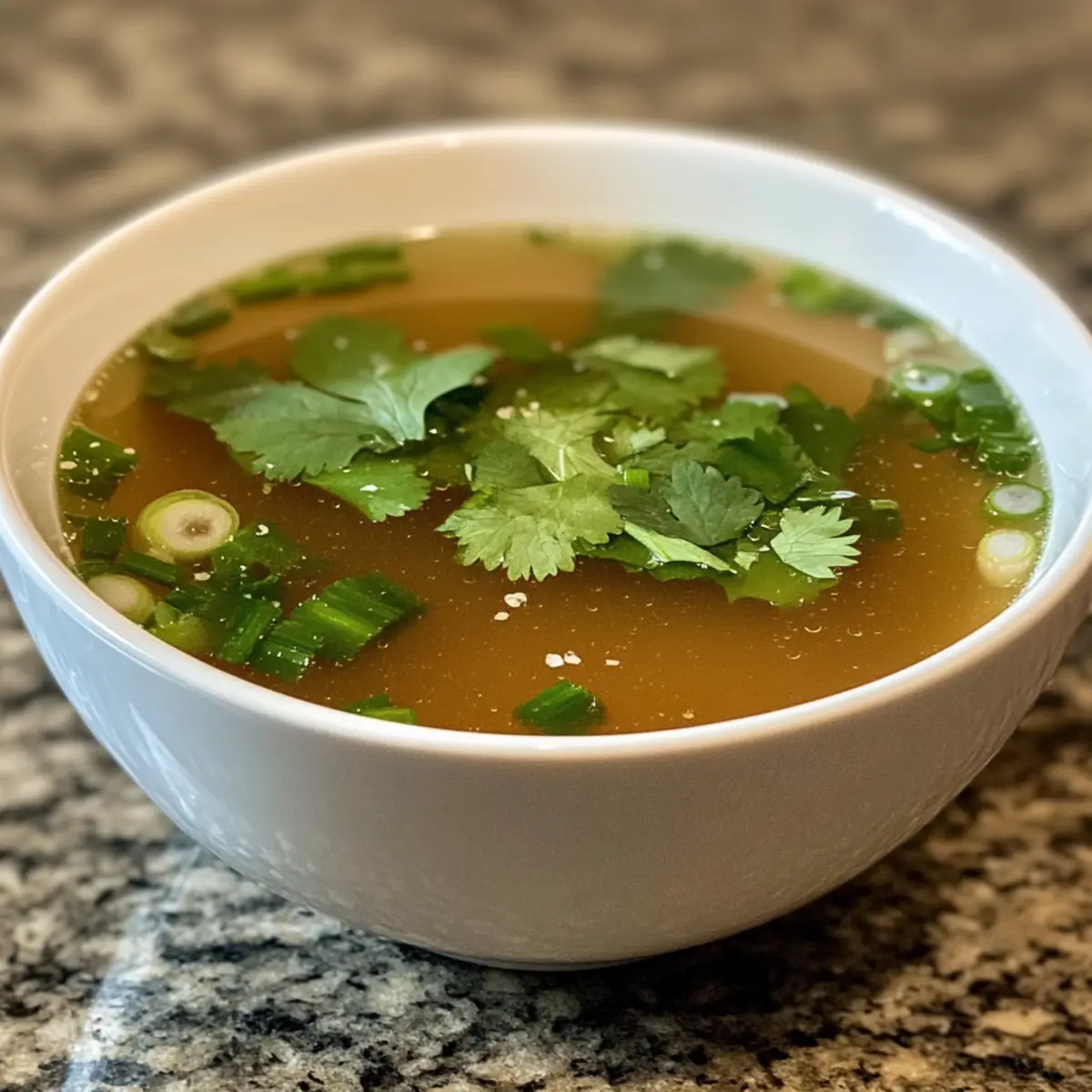
  2. Chop parsley and finely slice fresh chilies. Add to the cucumber bowl along with toasted sesame seeds. Stir gently to combine.
  3. In a separate bowl, whisk together the peanut butter, soy sauce, sesame oil, rice vinegar, maple syrup, and minced garlic until smooth.
  4. Pour the dressing over the cucumber mixture and gently toss to coat.
  5. Transfer the salad to serving bowls and sprinkle with additional toasted sesame seeds. Serve immediately.

Notes

Best enjoyed fresh. Store leftovers separately in the fridge for up to 3 days.

Deliciously Crunchy Tiger Salad That Will Brighten Your Day

As I tossed the fresh ingredients together, the vibrant colors of green, white, and red danced before my eyes, instantly lifting my spirits. This Quick & Easy Chinese Tiger Salad brings a burst of life to any meal, making it a perfect fit for those warm evenings when you crave something light yet satisfying. With just five minutes of prep, this gluten-free dish is not only a true crowd-pleaser, but it’s also a fun way to shake up your regular dinner routine. Plus, it’s packed with crisp textures and aromatic herbs that take your taste buds on a joyful adventure. Don’t you just love it when healthy meals are just as quick as they are delicious? Let’s dive into this delightful recipe that is sure to impress!

Why is Tiger Salad a Must-Try?

Vibrant Colors: The array of fresh ingredients not only appeals to the eye but is a visual reminder of the freshness packed into every bite.

Quick Preparation: Ready in just five minutes, it’s perfect for busy weeknights when you want something wholesome without sacrificing quality.

Gluten-Free Option: Using tamari instead of soy sauce makes this a wonderful choice for those seeking gluten-free meals.

Versatile Dish: Serve it as a light appetizer or as a refreshing side alongside your favorite protein, like Cabbage Apple Salad for a complete meal.

Bold Flavors: The blend of cilantro, mild heat from chilies, and nutty sesame oil creates a delightful harmony that excites the palate.

Healthful Crunch: With each bite, enjoy a satisfying crunch that enhances your overall dining experience while keeping the dish light and nutritious!

Tiger Salad Ingredients

For the Salad
Cilantro – Adds a fresh, fragrant note; if you’re not a fan, substitute with parsley for a milder flavor.
English Cucumber – Provides a cool, crisp texture; slice into thin strips for optimal crunch.
Anaheim Chili Peppers – Introduces a gentle heat; replace with other long green chilis if you’d like a different spice level.
Green Onions – Adds a mild onion flavor; diagonally slice for enhanced aesthetic and flavor distribution.

For the Dressing
Rice Vinegar – Supplies a mild acidity for balance, which is essential for preparing the Tiger Salad dressing.
Sesame Oil – Contributes nutty flavor depth, making it a key component of the aromatic dressing.
Soy Sauce – Adds umami and salty notes; use tamari for a gluten-free option.
Sugar – Balances acidity and enhances flavors for a well-rounded dressing.
Salt – Enhances the overall flavor profile, making every bite delicious!

Get ready to toss these ingredients together and enjoy the bright, refreshing taste of this vibrant Tiger Salad!

Step‑by‑Step Instructions for Tiger Salad

Step 1: Prepare the Vegetables
In a large mixing bowl, combine 1 cup of chopped cilantro, 1 English cucumber sliced into thin strips, 1-2 Anaheim chili peppers cut into thin rings, and 3 green onions diagonally sliced. As you layer the vegetables, admire their vibrant colors; this will set the tone for the refreshing Tiger Salad. Make sure each ingredient is evenly distributed to enhance flavor in every bite.

Step 2: Mix the Dressing
In a separate bowl, whisk together 3 tablespoons of rice vinegar, 2 tablespoons of sesame oil, 2 tablespoons of soy sauce (or tamari for a gluten-free option), 1 teaspoon of sugar, and a pinch of salt. Whisk vigorously for about 30 seconds until the sugar is dissolved, and the dressing is well-combined. This aromatic mixture is essential for bringing the flavors of the Tiger Salad to life.

Step 3: Combine & Toss
Pour the freshly made dressing over the prepared salad ingredients. Using tongs or a large spoon, gently toss the salad for about 1-2 minutes until the vegetables are well coated with the dressing. Observe how the colors brighten and the textures merge harmoniously; this step is crucial for ensuring each element of your Tiger Salad is flavorful and cohesive.

Step 4: Serve and Enjoy
Transfer your beautifully mixed Tiger Salad into a serving bowl or individual plates. If you’d like, garnish with additional sliced green onions for a pop of freshness. This vibrant salad is best served immediately for optimal crunch but can be chilled for a few minutes if desired. Dive into this refreshing dish and relish the delightful medley of flavors and textures!
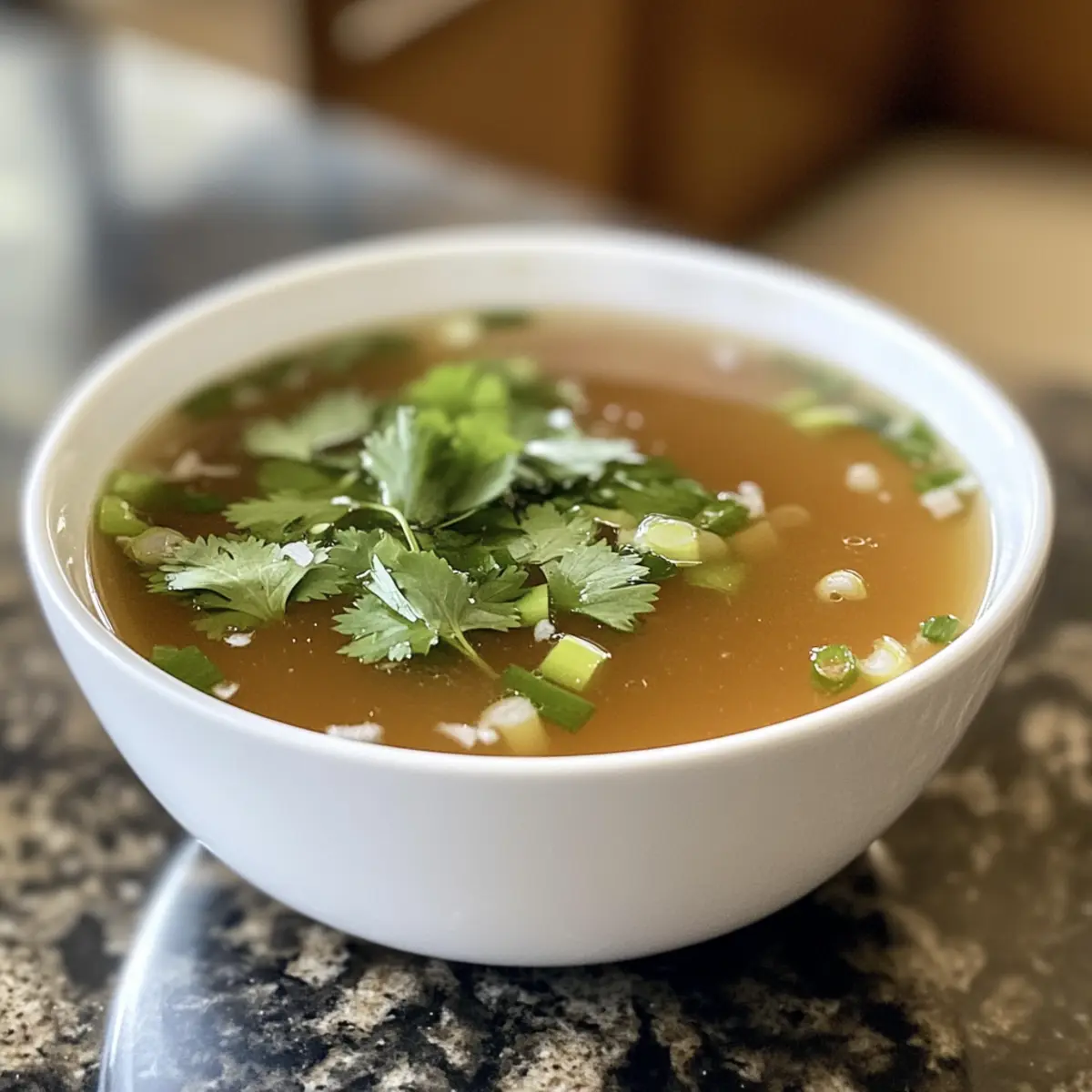
Tiger Salad Variations & Substitutions

Feel free to explore these creative twists to make this salad your own!

  • Add Protein: Toss in edamame or chickpeas for a heartier meal, making this salad even more filling and nutritious.
    Switching up the protein can turn this light dish into a satisfying lunch or dinner option.

  • Extra Crunch: Incorporate water chestnuts to elevate the crunch factor. Their crisp texture adds an exciting twist that complements the other ingredients beautifully.

  • Herb Swap: Replace cilantro with parsley or basil for a different flavor profile. Each herb brings a unique essence, allowing you to customize the dish to your liking.

  • Spice it Up: Use jalapeños instead of Anaheim peppers for a fiery kick. Adjusting the spice level can elevate your salad experience, making it as mild or as hot as you desire.

  • Zesty Hint: Add some lime juice for an extra burst of flavor. The acidity can brighten up the dish even more, enhancing the overall freshness of your Tiger Salad.

  • Creamy Twist: Stir in a dollop of creamy avocado or tahini for richness. This adds a smooth texture that contrasts with the crisp veggies, creating a delightful balance.

  • Nutty Addition: Sprinkle in some toasted sesame seeds for an uplifting nutty note. They make for a perfect finishing touch that combines well with the flavors of sesame oil.

  • Crunchy Sidekick: Serve alongside a light dip like hummus or tzatziki for a delightful snack platter. Pairing with dips can take your meal to the next level, especially with a side of Crunch Cucumber Salad for extra freshness!

Make Ahead Options

These lovely Tiger Salad components can be prepped in advance, making it a perfect choice for busy home cooks! You can chop the cilantro, cucumber, chilies, and green onions up to 24 hours ahead of time; just store them in an airtight container in the refrigerator to maintain freshness and prevent browning. The dressing can also be whisked together and refrigerated separately for up to 3 days. To serve, simply combine the salad ingredients with the dressing right before enjoying, as this ensures the crisp textures remain intact. With these make-ahead tips, you can savor this delicious Tiger Salad with minimal effort on any busy weeknight!

What to Serve with Quick & Easy Chinese Tiger Salad

The vibrant, refreshing flavors of this salad invite a symphony of sides and complements to create a delightful meal.

  • Grilled Chicken Skewers: Juicy and smoky, these complement the salad’s fresh crunch, adding protein for a satisfying main dish.
  • Spring Rolls: These crispy delights pair perfectly, offering a satisfying crunch and a burst of flavor that harmonizes with the Tiger Salad.
  • Sesame Noodles: Their savory taste and soft texture create a lovely contrast to the crisp salad, bringing an Asian flair to your table.
  • Stir-Fried Tofu: Lightly seasoned tofu adds a savory element while keeping the overall meal plant-based and wholesome.
  • Quinoa Salad: Nutty and hearty, this dish provides additional texture and is a fantastic way to incorporate more grain into your meal.
  • Chilled Sake or Green Tea: These drinks enhance the overall experience, offering a refreshing counterpart to the vibrant flavors of the salad.
  • Fruity Sorbet: A light, icy dessert like mango or lemon sorbet is a delightful way to cleanse your palate after enjoying this refreshing salad.

Expert Tips for Tiger Salad

  • Fresh Ingredients Matter: Always use the freshest veggies, as they enhance the salad’s vibrant flavors and crunchy texture. Dull ingredients can lead to a soggier Tiger Salad.

  • Chop Wisely: For the best presentation and taste, aim for julienne cuts on your vegetables. This not only enhances the aesthetic but also improves the overall texture of the salad.

  • Adjust the Heat: Feel free to modify the amount of Anaheim chili peppers based on your spice tolerance. Balancing heat ensures the fresh herb flavors shine through without overwhelming your palate.

  • Dress Just Before Serving: To maintain the crunch and freshness of your salad, dress it right before serving. If prepared ahead, keep the dressing separate until just prior to enjoying your Tiger Salad.

  • Taste as You Go: Always taste your dressing before pouring it over your salad. This helps you fine-tune flavors, especially with the addition of sugar or salt. Trust your instincts for the perfect balance!

How to Store and Freeze Tiger Salad

Fridge: Store any leftover Tiger Salad in an airtight container for up to 3 days. This helps maintain the crispness of the veggies while enhancing the flavors.

Prepping Ahead: You can prepare the salad components a few hours in advance, keeping the dressing separate until just before serving to avoid sogginess.

Freezer: Freezing is not recommended for Tiger Salad, as the fresh vegetables lose their texture and quality after thawing.

Reheating: This salad is best enjoyed cold or at room temperature; simply serve it fresh for a vibrant taste experience.

Chinese Tiger Salad Recipe FAQs

How do I choose ripe ingredients for my Tiger Salad?
Absolutely! For the best flavor and texture in your Tiger Salad, look for bright green cilantro, firm and unblemished cucumbers, and glossy chili peppers. Avoid any ingredients with dark spots or signs of wilting, as these can detract from the salad’s freshness.

How should I store leftover Tiger Salad?
Very! If you have any leftovers, place the Tiger Salad in an airtight container and refrigerate it for up to 3 days. This storage method helps maintain the crispness of the vegetables while allowing the flavors to meld. Just remember, the salad is best enjoyed fresh!

Can I freeze Tiger Salad for later use?
Not recommended! Freezing Tiger Salad is not ideal, as the fresh vegetables will lose their crispness and texture when thawed. Instead, prepare the salad fresh each time for the ultimate flavor experience.

What if my dressing is too salty?
If you find your dressing too salty, there’s an easy fix! Try adding a splash more rice vinegar to cut through the saltiness. If you have extra sugar on hand, a tiny bit can balance the flavors nicely. Always taste your mixture before pouring it over the salad for the perfect finish!

Is this recipe suitable for people with allergies?
Absolutely! This Tiger Salad can be made gluten-free by using tamari instead of soy sauce. However, it’s essential to double-check all ingredient labels for allergens, especially if serving others. If anyone has concerns, consider making the dressing from scratch and ensuring all components are safe for everyone’s dietary needs.

Tiger Salad

Deliciously Crunchy Tiger Salad That Will Brighten Your Day

This Tiger Salad is a vibrant and refreshing dish packed with crisp vegetables and aromatic herbs, perfect for a light meal.
Prep Time 5 minutes
Total Time 5 minutes
Servings: 4 servings
Course: Lunch
Cuisine: Chinese
Calories: 120

Ingredients
  

For the Salad
  • 1 cup chopped cilantro Substitute with parsley if desired.
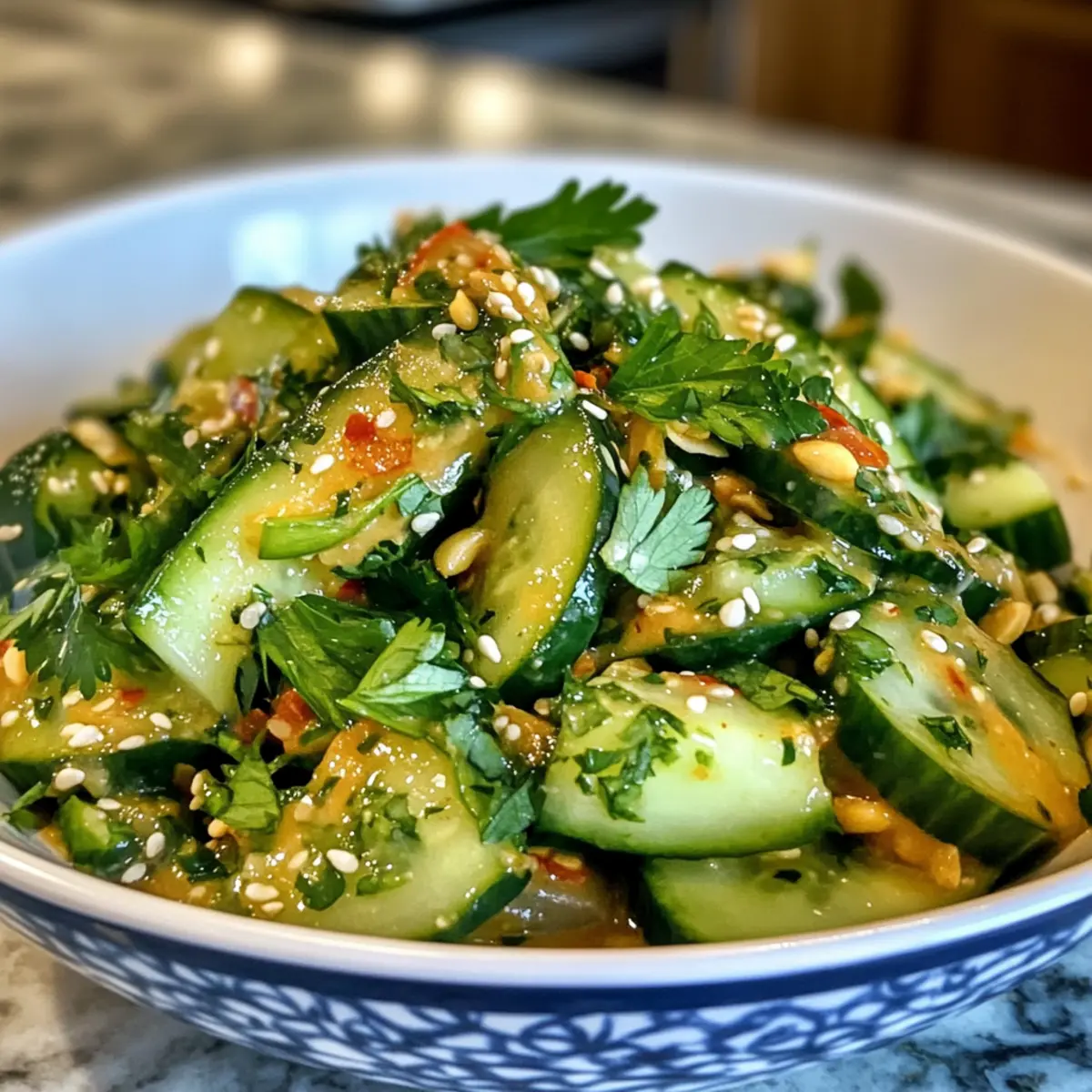
  • 1 English cucumber Slice into thin strips.
  • 1-2 Anaheim chili peppers Cut into thin rings.
  • 3 green onions Diagonally sliced.
For the Dressing
  • 3 tablespoons rice vinegar
  • 2 tablespoons sesame oil
  • 2 tablespoons soy sauce Use tamari for gluten-free.
  • 1 teaspoon sugar
  • pinch salt

Equipment

  • mixing bowl
  • whisk
  • tongs

Method
 

Step-by-Step Instructions
  1. In a large mixing bowl, combine the chopped cilantro, sliced English cucumber, Anaheim chili peppers, and green onions.
  2. In a separate bowl, whisk together rice vinegar, sesame oil, soy sauce, sugar, and salt.
  3. Pour the dressing over the prepared salad ingredients and toss gently until well coated.
  4. Transfer to a serving bowl or plates and garnish with additional sliced green onions if desired.
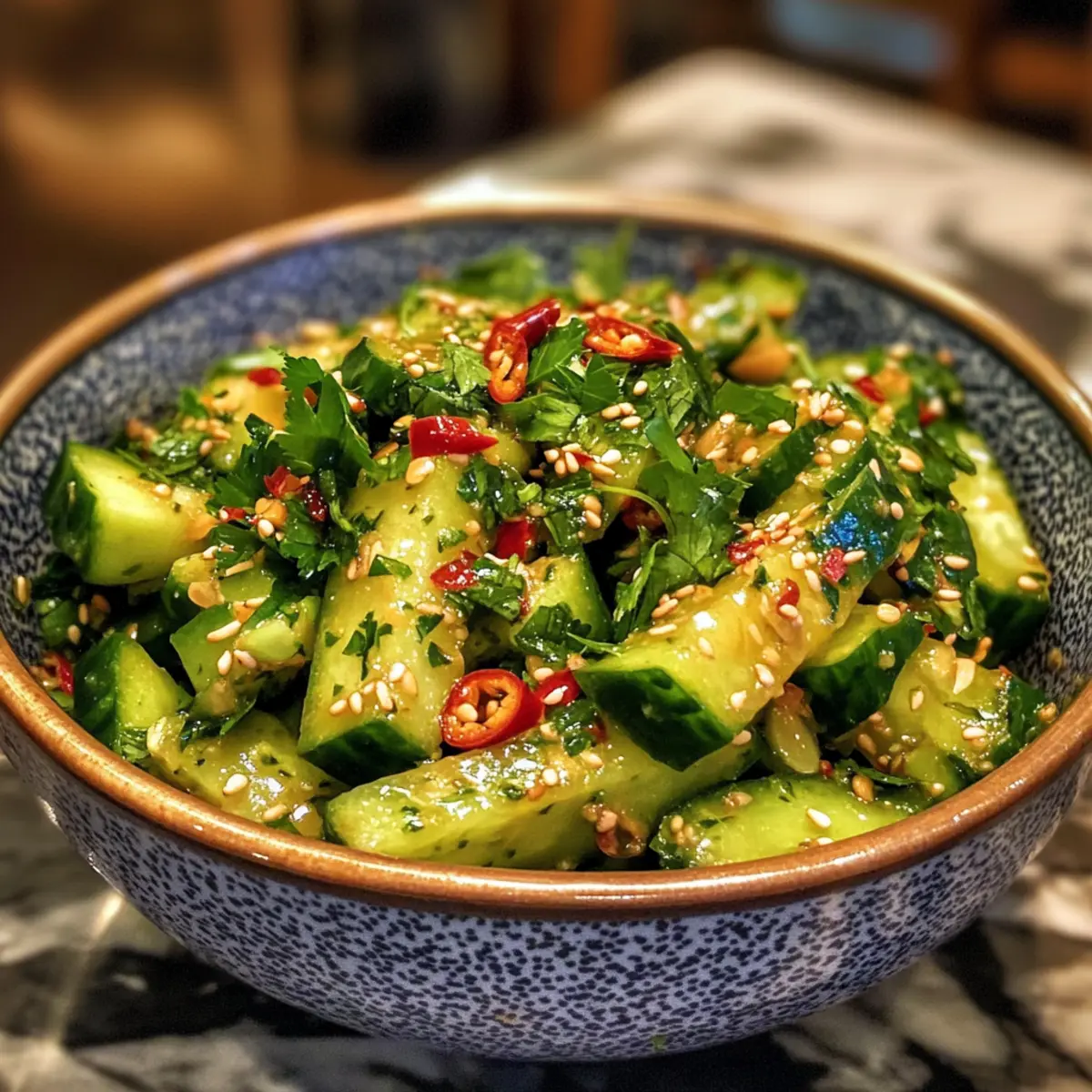
Notes

For best results, dress just before serving and use the freshest ingredients available.